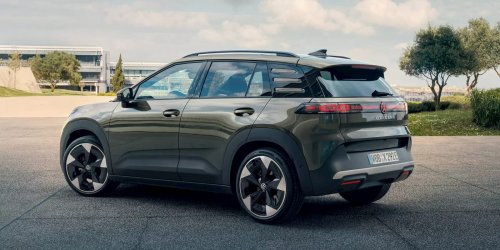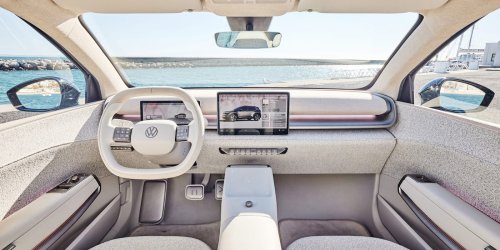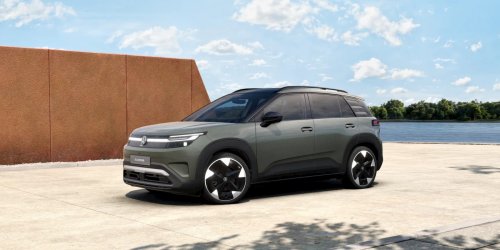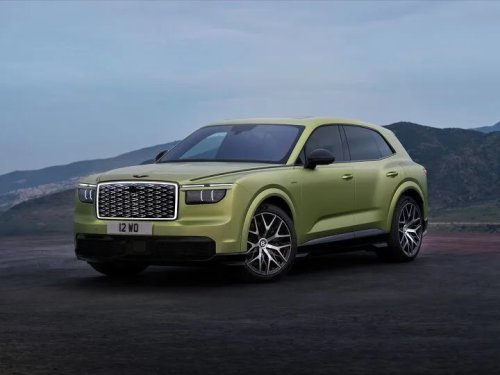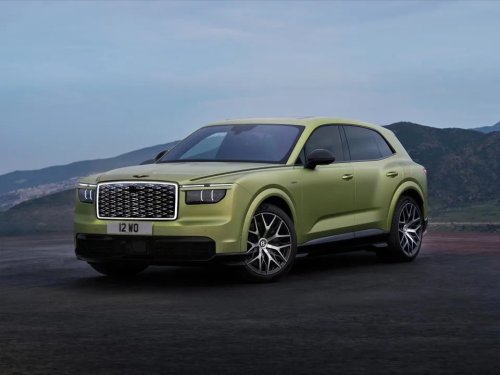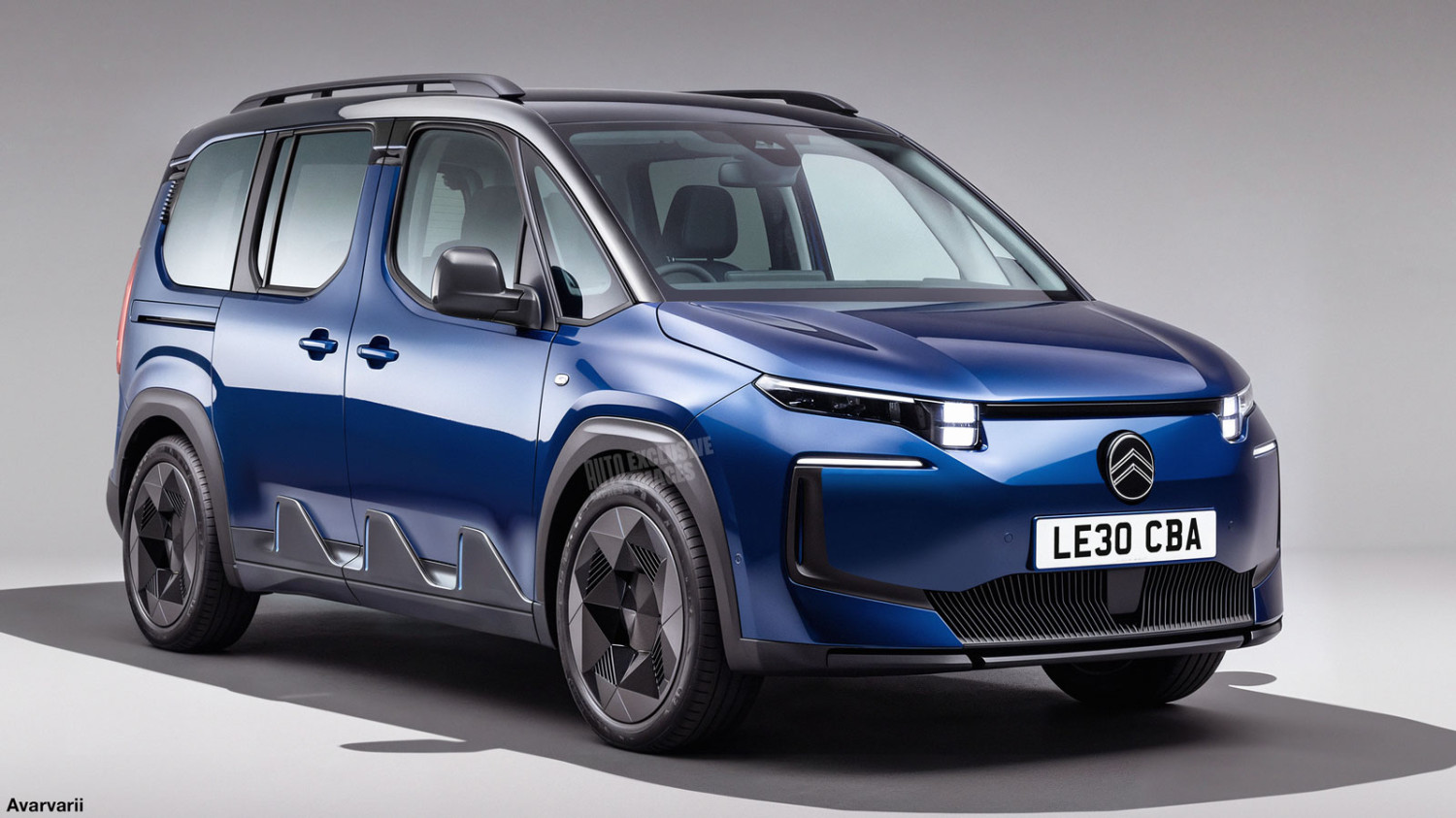



















Parent company Stellantis intends to maintain distance between its dedicated passenger cars and light commercial vehicles (LCVs). The future Citroen Berlingo, therefore, will sit on a different platform, and pave the way for a whole family of mid-size vans for Citroen, Peugeot, Fiat and more. “Berlingo and ELO – I think these are two different kinds of vehicle,” Citroen CEO Xavier Chardon told us. “In the past we had the Berlingo on one side, but we also had the Picasso family on the other. [Berlingo] is even more down to earth in terms of simplicity, and you need to have a much, much bigger boot. “So we believe there is space for two different kinds of vehicle in our future line-up, especially as one is also derived from a van that we actually need in our line-up,” he said. Separately, Andrew Cowell, Stellantis LCV head of design, told us: “Berlingo is becoming much more of an international product, and that’s where we have to evolve. The recipe is there; in the future it will become much more relevant; people will start to turn back to what the old Berlingo was all about; I think we’ll go back to those ideas.” Asked why Citroen thinks there’s room for a range of conventionally practical, boxy, van-derived MPVs when the entire market seems to be moving to SUVs, Cowell said: “The SUV is becoming difficult as a product in certain marketplaces; laws and regulations will push us in different directions. “I think most people think they know what they want to do… As soon as they have kids, they switch. They become their parents. When you get to a certain age, you start to appreciate that cycle.” Design-wise, we expect the next Berlingo’s shape and overall form to stick closely to the existing model’s, with an updated look to bring it in line with Citroen’s SUVs – as well as the production-ready ELO. This new look is reflected in our exclusive image below. Some things are non-negotiable. Items like the “front door graphic” have evolved over the various generations, while the “little kick on the D-pillar is always there”, Cowell said, adding: “These are little elements that get carried across that anchor it with the original.” The van, and its passenger variant, are very important for the firm: “We have 30 years of success with Berlingo, both on the MPV and LCV side, so we’d be foolish to stop this,” Chardon said. “So we’ll continue; clearly you cannot fool customers that have trusted the model for 30 years, so you need to offer this versatility, the volume, the roominess. For me, it’s a car that is absolutely embedded in this ‘more for less’ [philosophy] that we want to expand.” The Berlingo’s ability to transcend time – the Mk1 model was on sale for 12 years, while the second lasted a decade – means the Mk3 still has time left to run. The Mk4 version isn’t expected before 2030. Again, a multi-fuel strategy is key to the car’s success: “There’s still a market for the diesel engine because of the torque; they’re carrying a lot of weight because of the way [customers] use it,” Cowell told us. “Then, if you want to go in and out of towns, they also require the electric version. “So at the moment, with the rules we have, the multi-energy solution is much better,” he added. Buy a car with Auto Express. Our nationwide dealer network has some fantastic cars on offer right now with new, used and leasing deals to choose from...