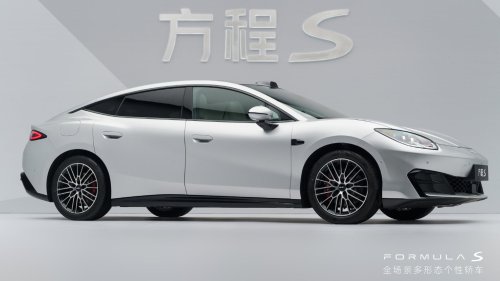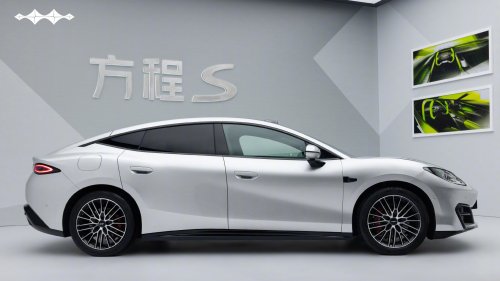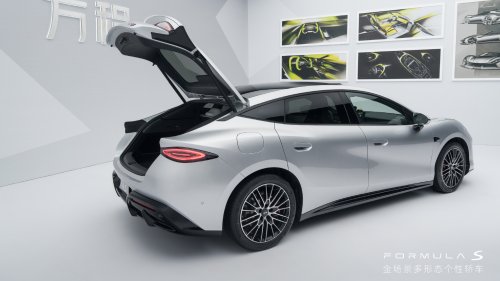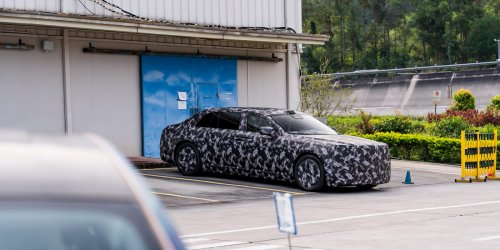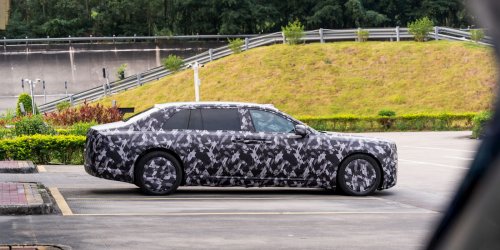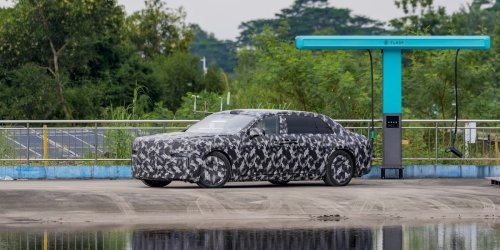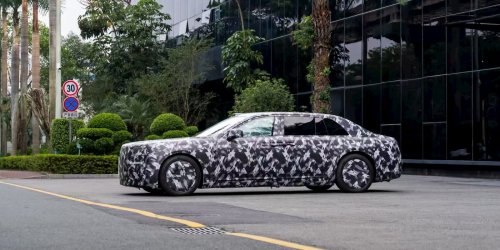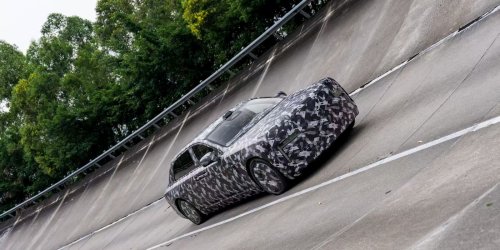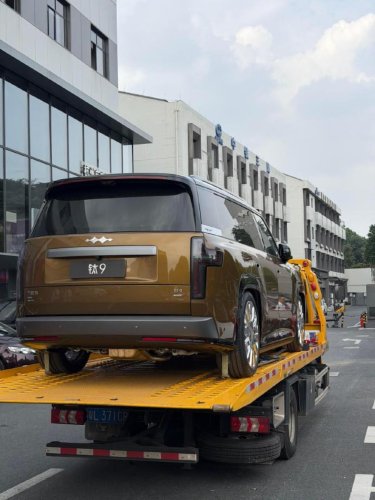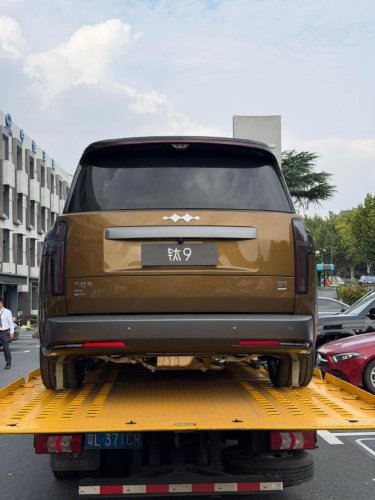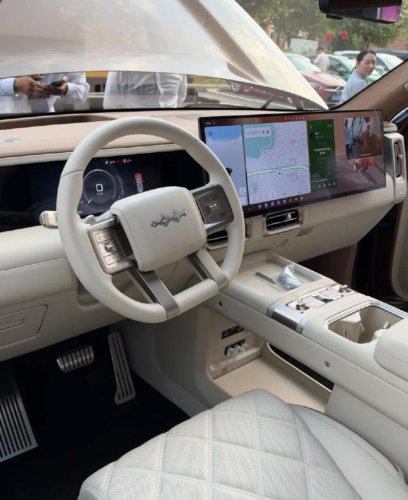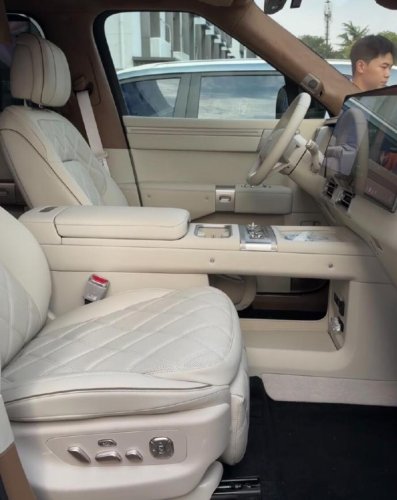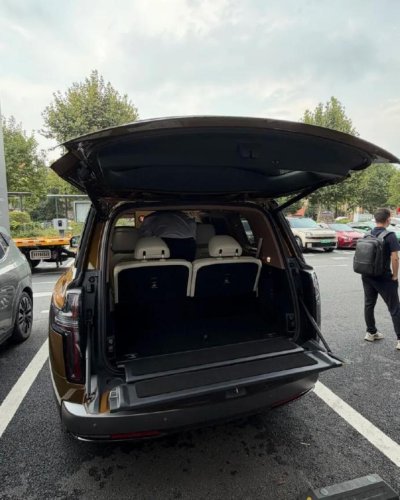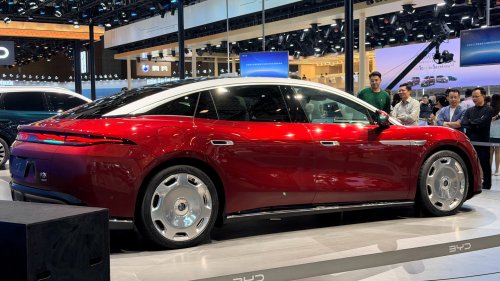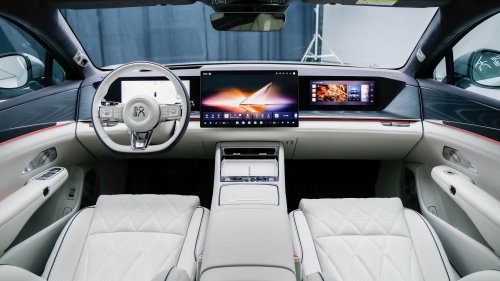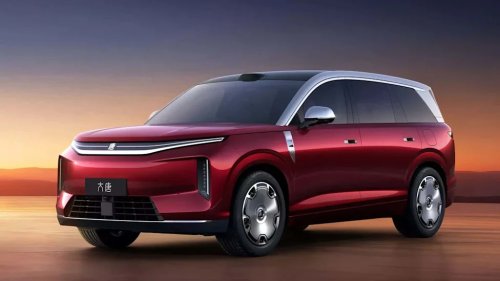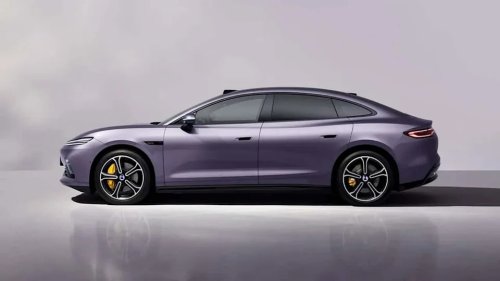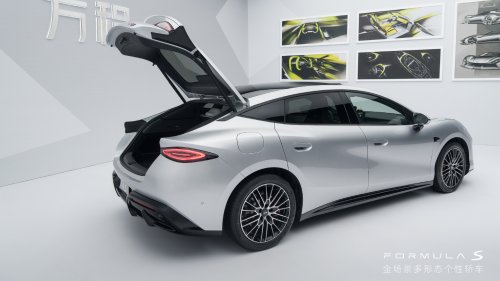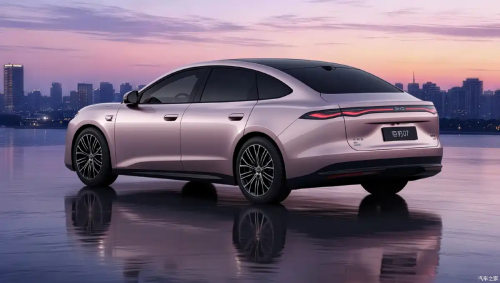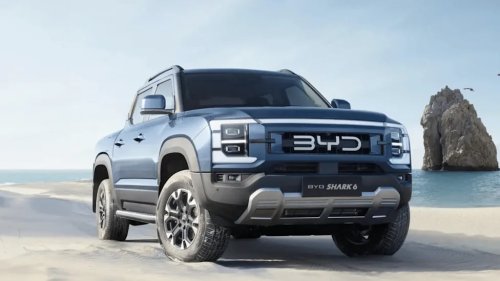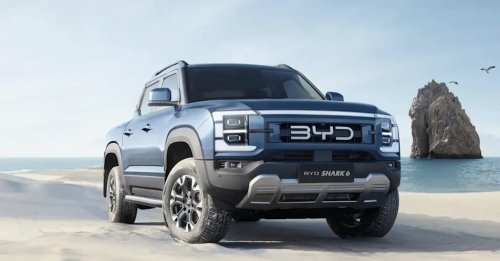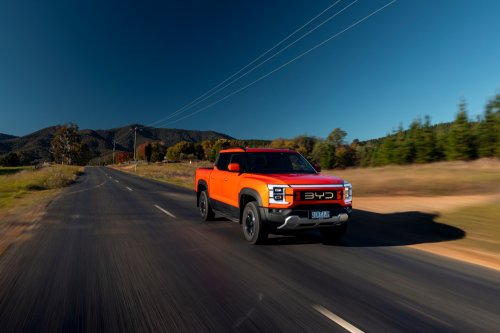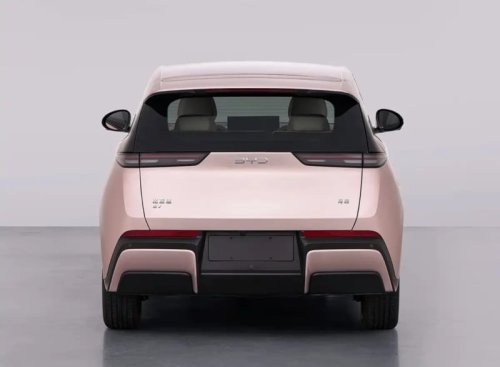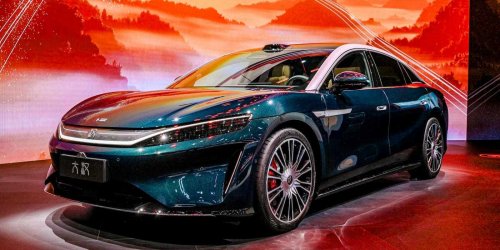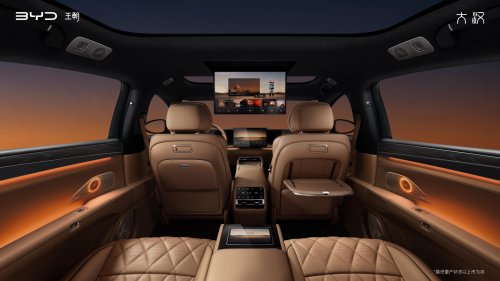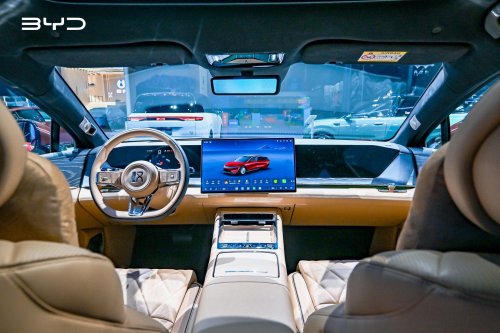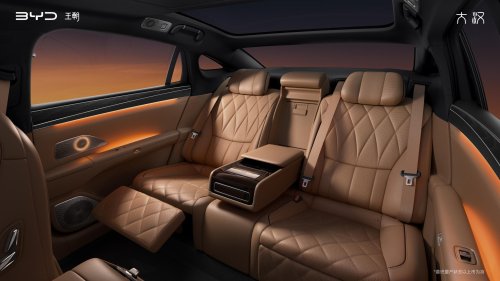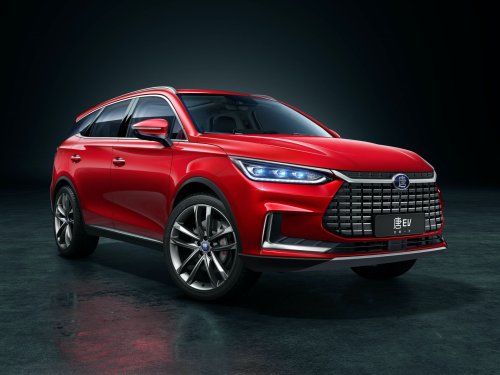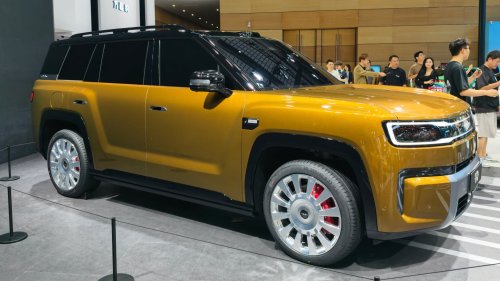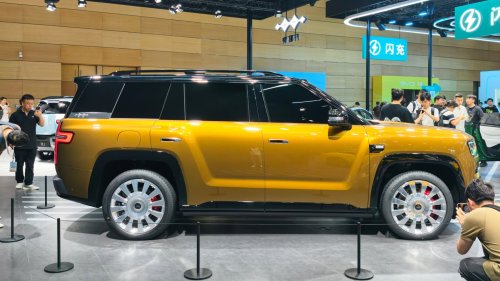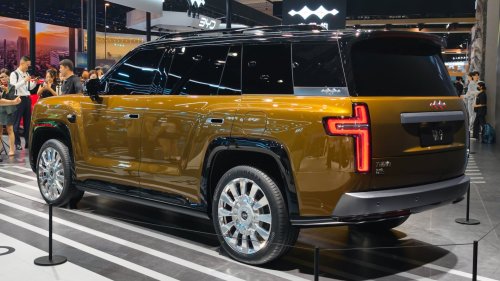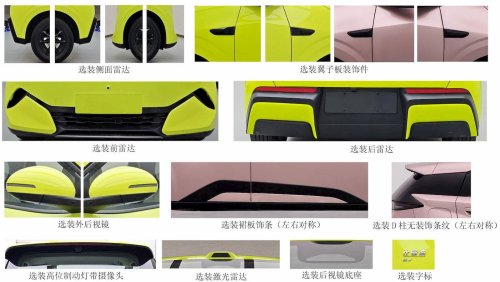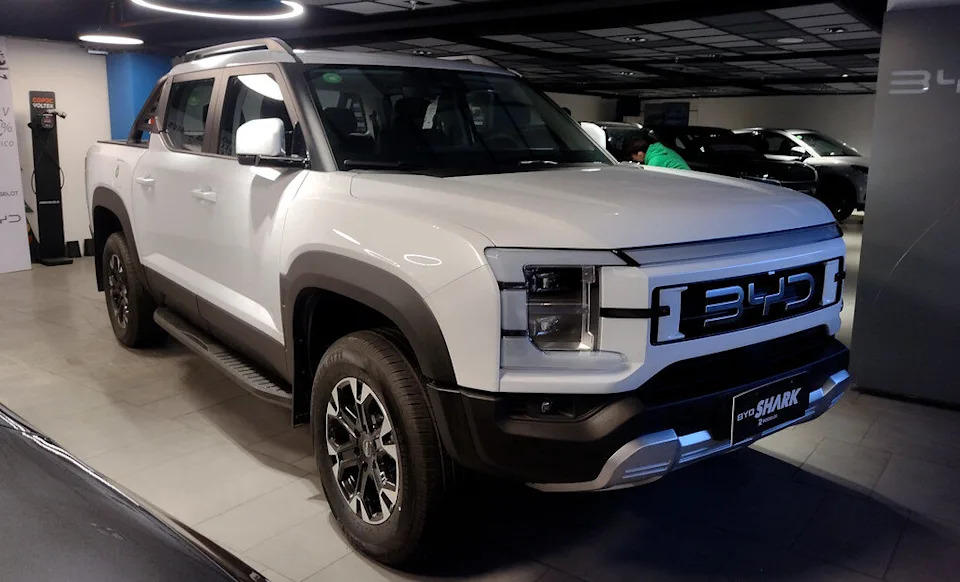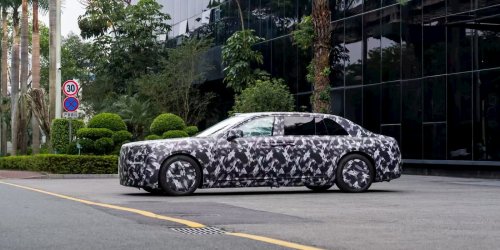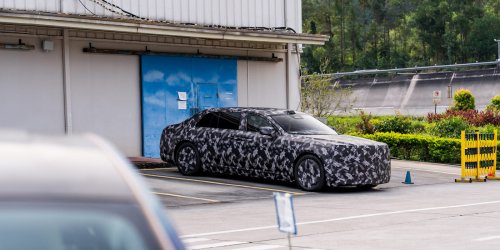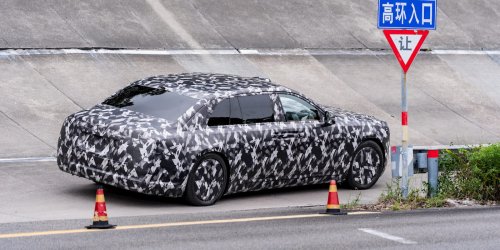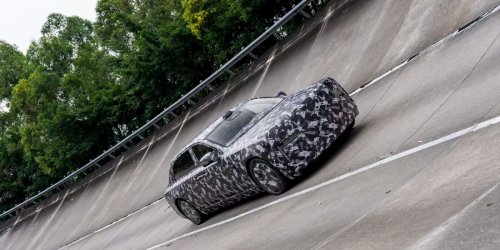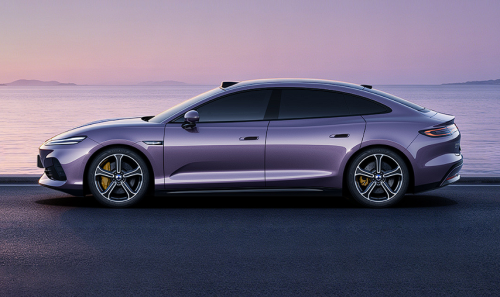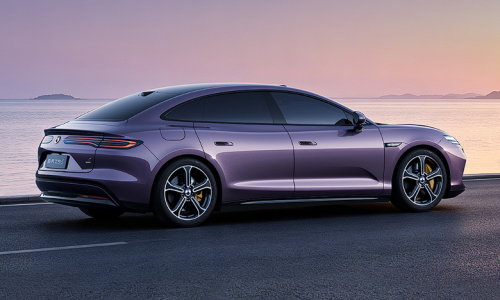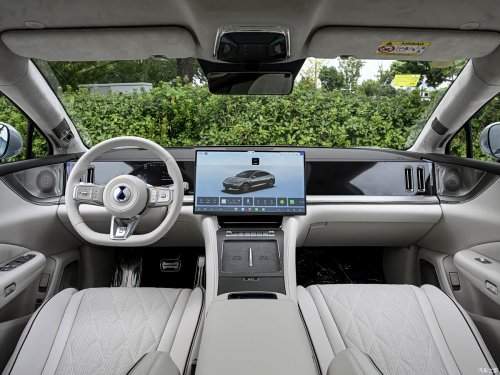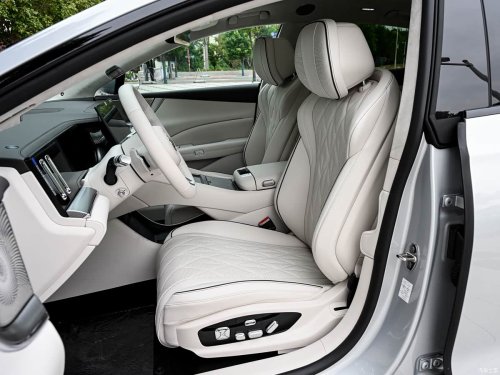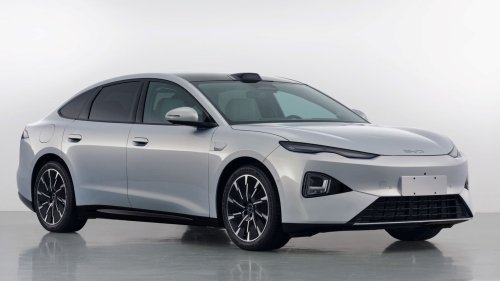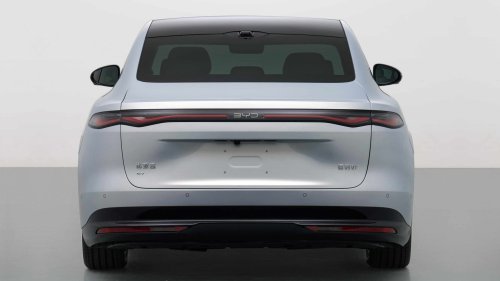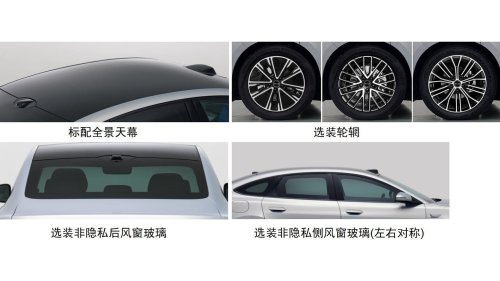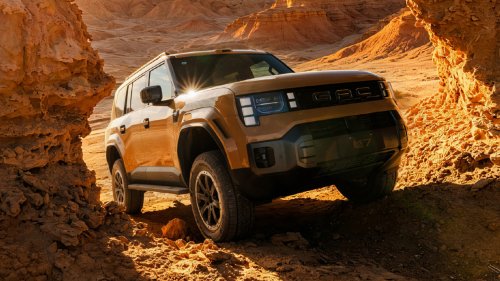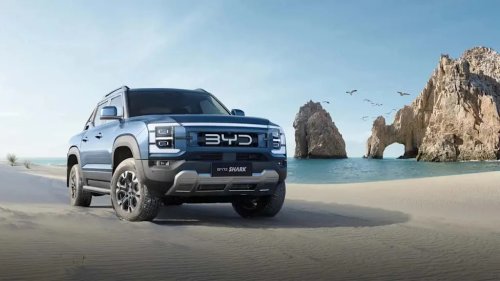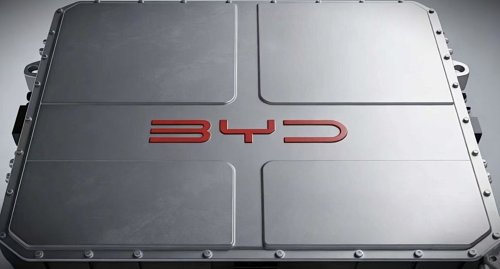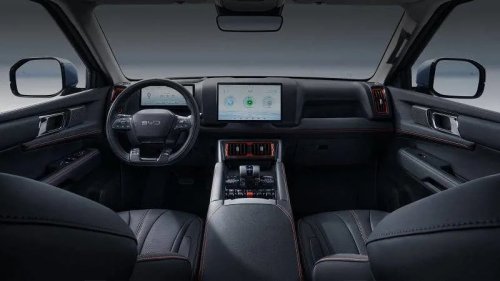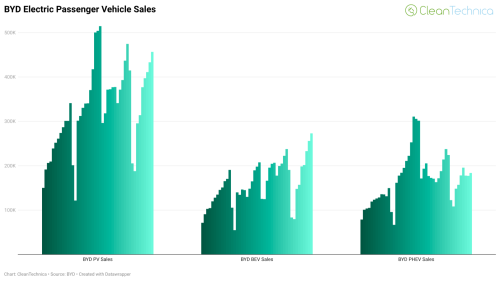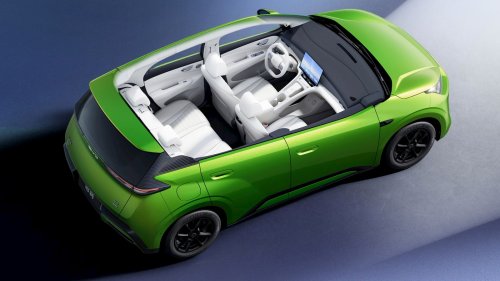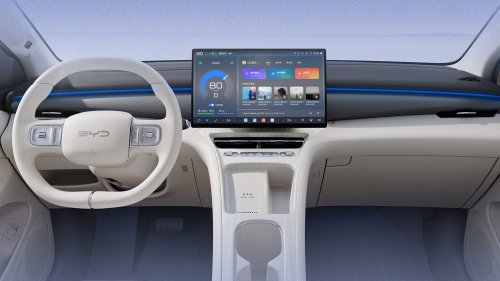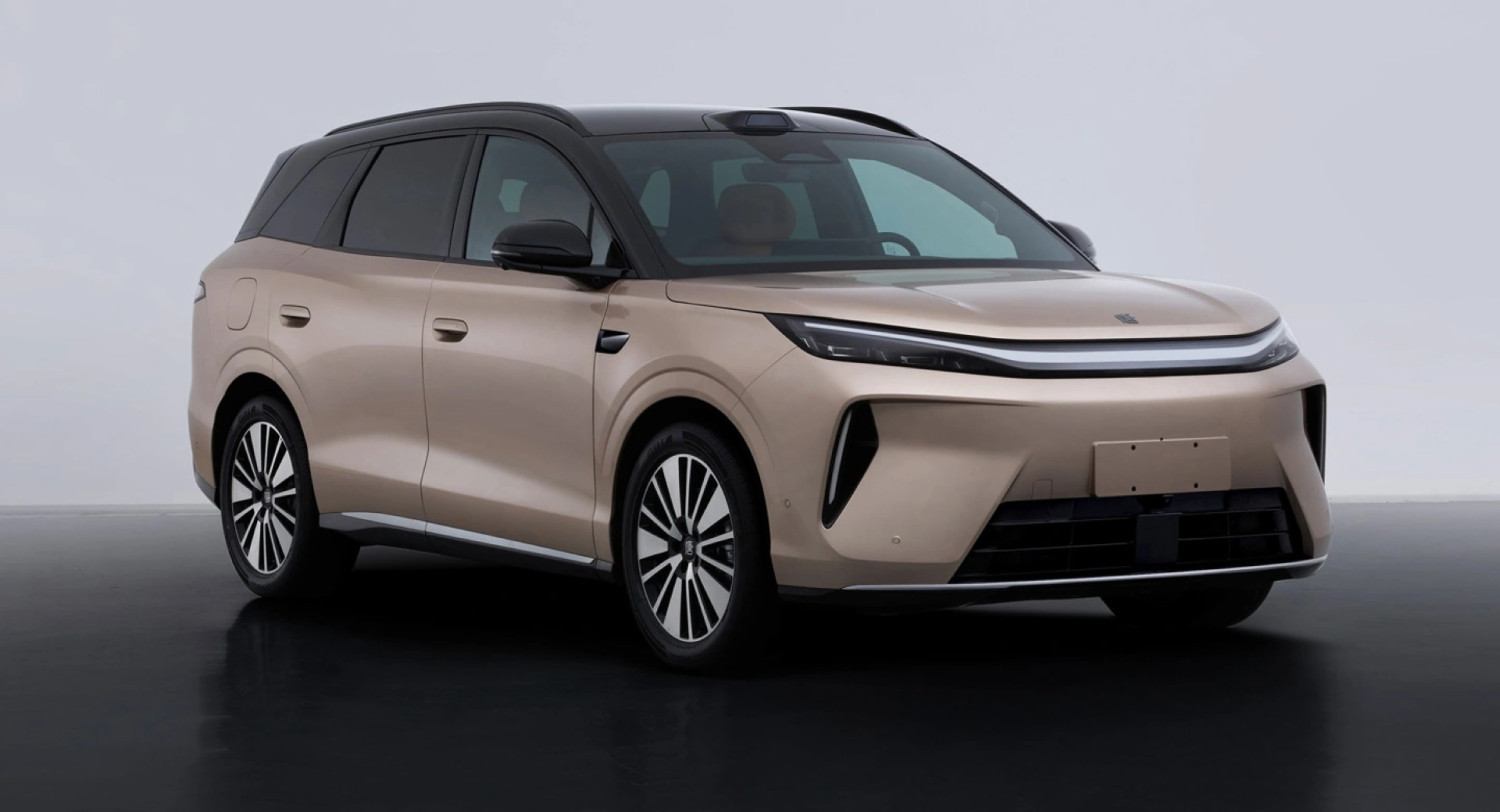
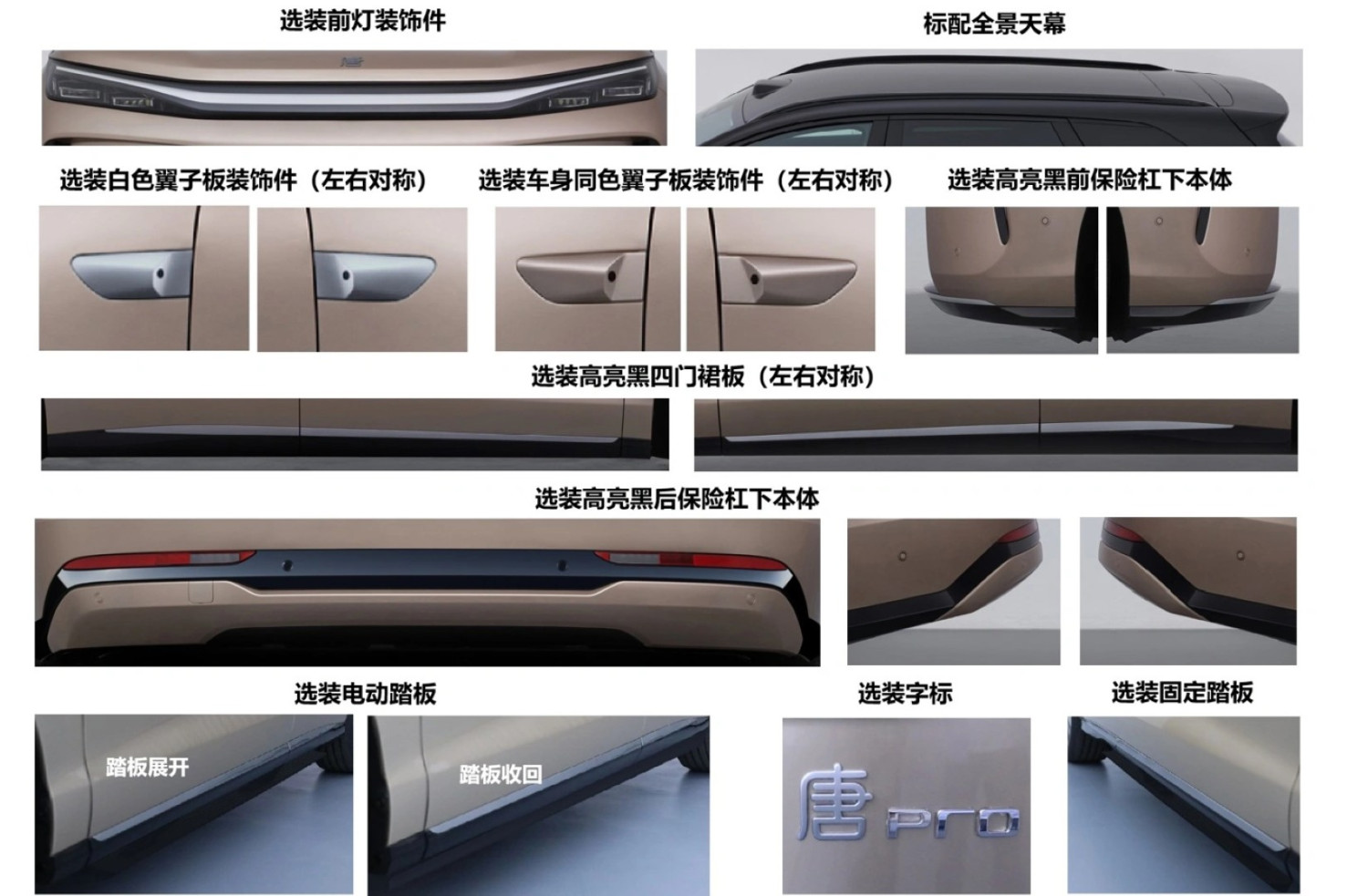
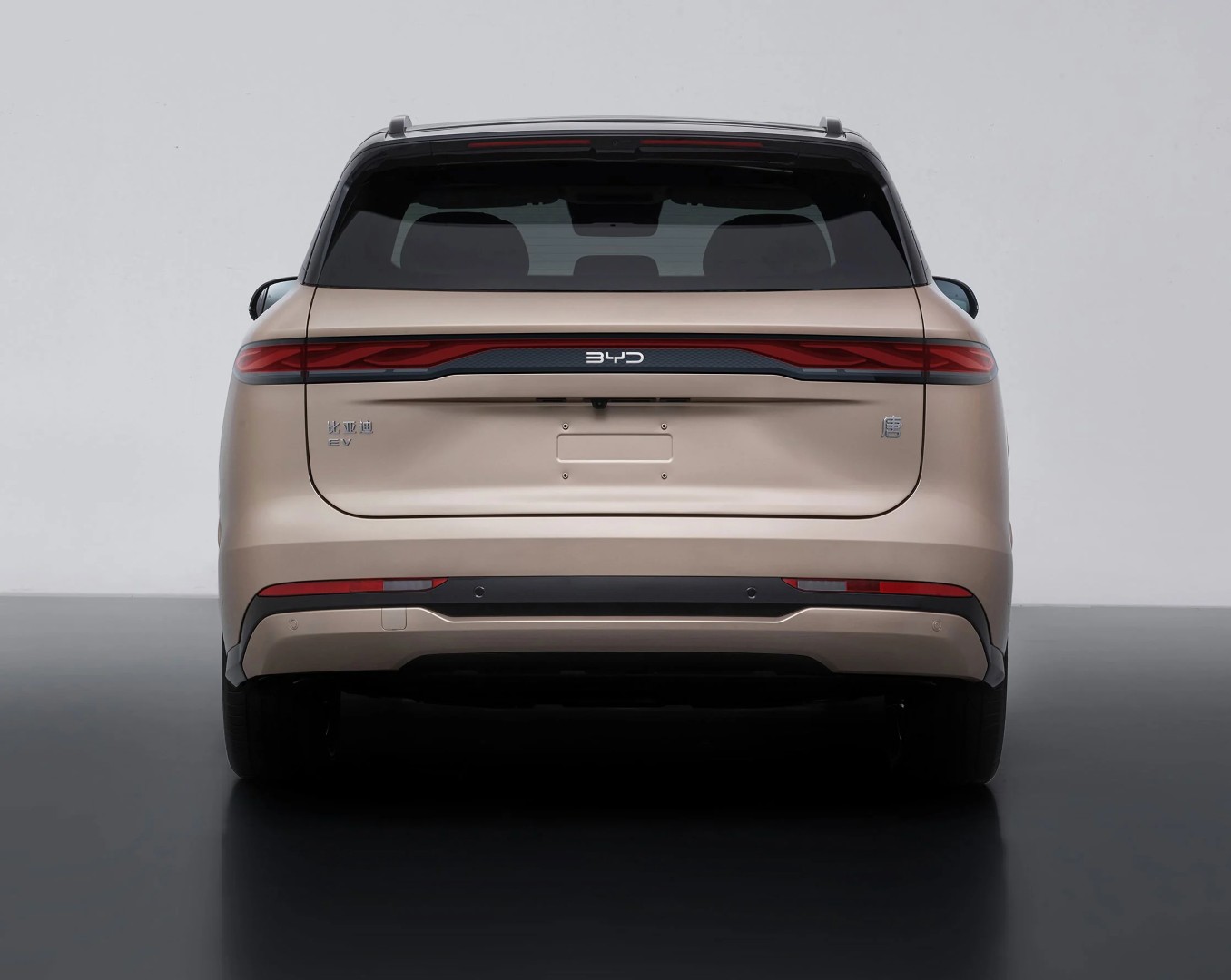



















This new electric SUV option features lithium iron phosphate batteries and 250 km/h top speed. Credit: MIIT Understand China EV’s Market Real-time notifications when critical EV data is released All important data in one place 2,000,000+ data points Become a member BYD Atto 8 (Sealion 8) powertrain specifications have emerged in China following the official publication of a new entry-level electric SUV variant by the Ministry of Industry and Information Technology. The newly registered model is known colloquially among domestic consumers as the Tang L to differentiate it from larger vehicle platforms. This catalogue listing establishes a more accessible single-motor configuration designed to diversify the automaker’s global utility lineup. Chassis parameters outline a physical footprint measuring 5045 mm in length, 1980 mm in width, and up to 1760 mm in height, built upon a 2950 mm wheelbase. The unibody architecture incorporates symmetric 1700 mm track dimensions, an approach angle of 18 degrees, and a departure angle of 21 degrees. These factory dimensions match the spatial expectations established during local road testing of the next-generation platform prototype. Powertrain and performance The newly catalogued model features a permanent-magnet synchronous motor delivering a peak power output of 300 kW and a continuous-rated power of 150 kW. This single-motor hardware configuration expands the existing vehicle family by joining the high-performance BYD Tang L flagship, which launched in 2025 with up to 1086 hp and a dual-motor setup. The down-rated electrical assembly enables the passenger vehicle to reach a certified top speed of 250 km/h. Braking performance is managed through an integrated IPB hydraulic brake framework supplied directly by FinDreams Power. The vehicle also carries a standard automotive event data recorder to comply with updated local transport safety mandates. Energy management is driven entirely by lithium iron phosphate cells sourced from internal manufacturing subsidiaries. Weights and options Regulatory disclosures outline two distinct curb weight classes based on cabin seating selections and driver-assist hardware suites. The heavy configuration ranges from 2390 kg to 2480 kg, offering optional five- or seven-seat interior arrangements. This variation relies on battery cells manufactured in Wuwei, with final pack integration finalised by a FinDreams assembly plant in Zhengzhou. The lighter five-seat trim registers a curb weight of 2195 kg and omits roof-mounted laser radar sensors from its body shell. Battery cell logistics for this edition are handled by a manufacturing facility in Hefei, while final pack integration occurs in Shanwei. Visual customisation alternatives across the product line include high-gloss black door panels, varying roof shades, and multiple aerodynamic wheel rims. Market and strategy The introduction of this entry-level model follows prior international rollouts for the vehicle family. The manufacturer previously commercialised the hybrid version in South America with retail pricing starting at 74,200 USD. This lower-specification model provides a higher-volume alternative to capture a broader consumer base as premium variants adjust to local retail conditions. Domestic market registrations highlight a clear need for refreshed configurations within the product line. Monthly deliveries of the upscale Tang L variant fell from 4249 units in July 2025 and 3338 units in December 2025 to 616 units in May 2026, according to China EV DataTracker. June 2026 registration data showed a modest shift to 629 units, securing a minor 0.3% brand share, underscoring the commercial timing of this new single-motor introduction. Rear perspective showcasing the taillight configuration and lower bumper design of the vehicle.