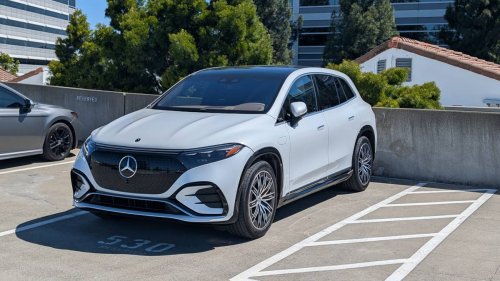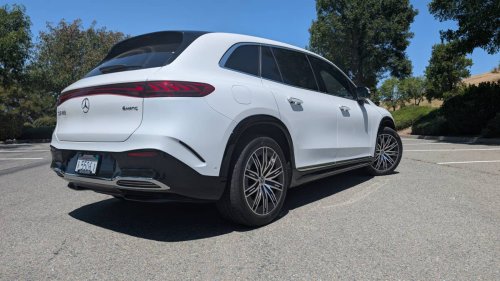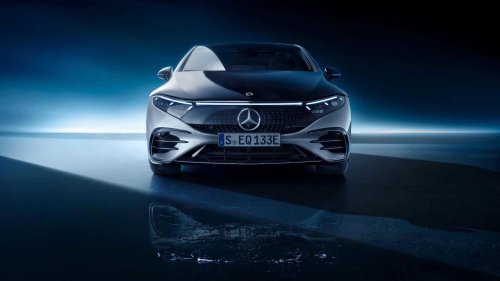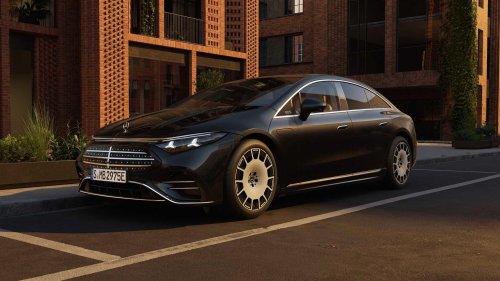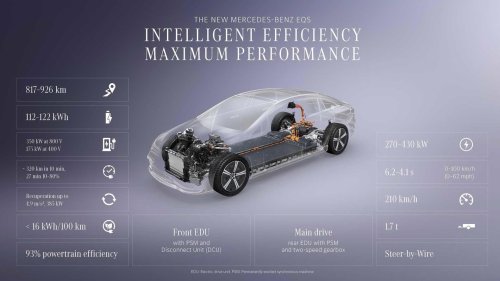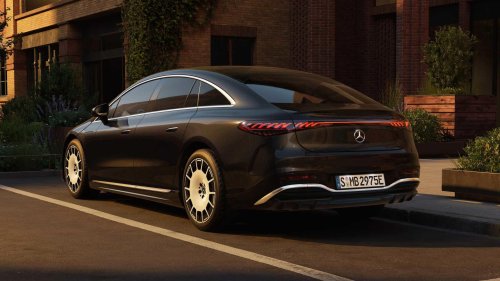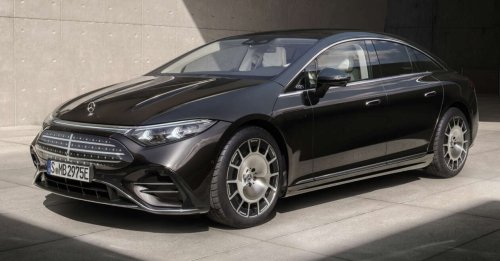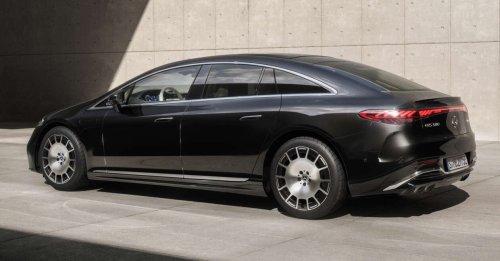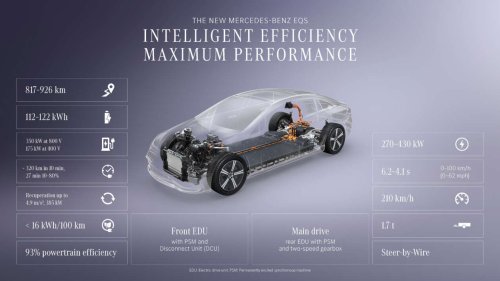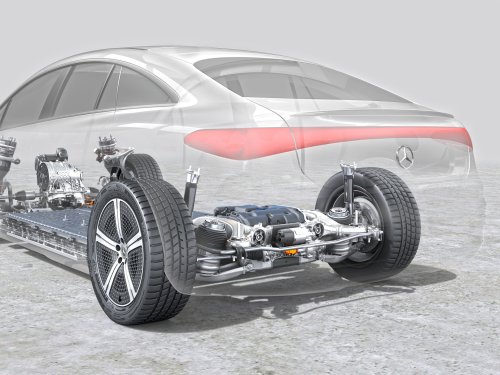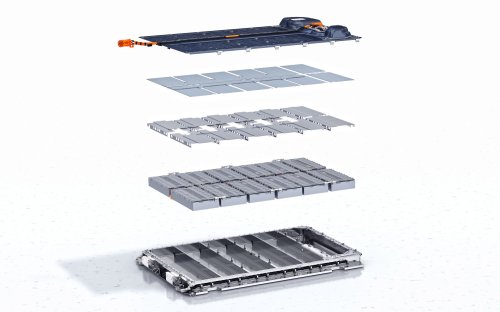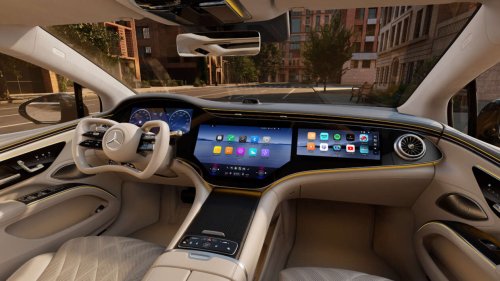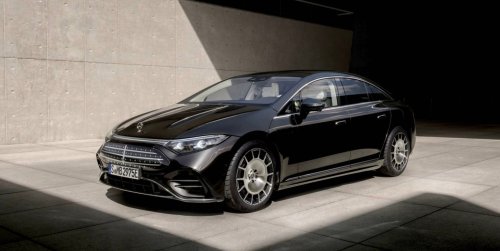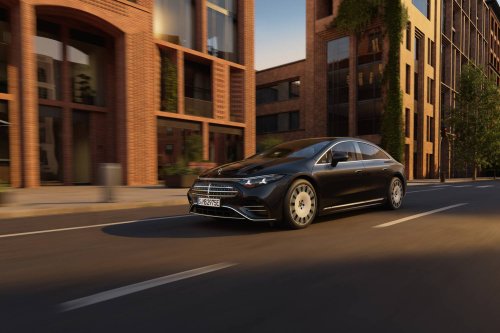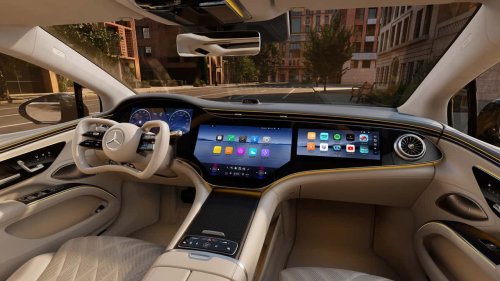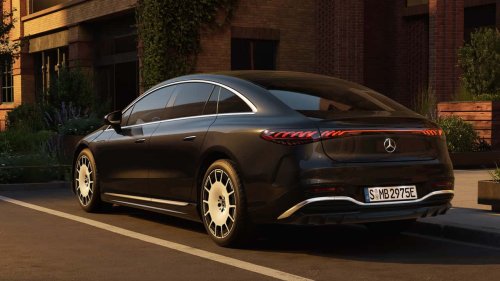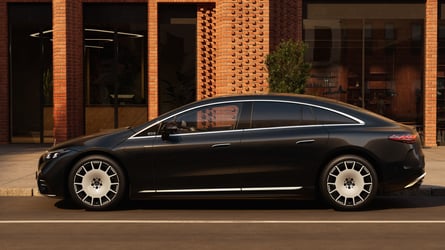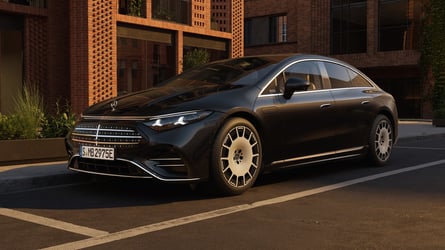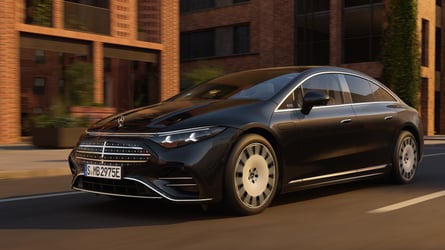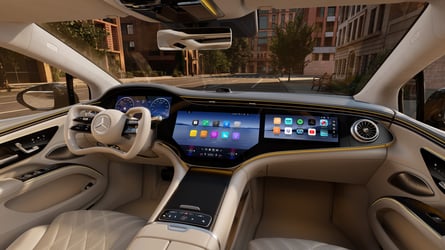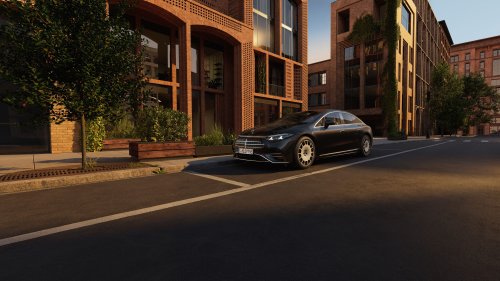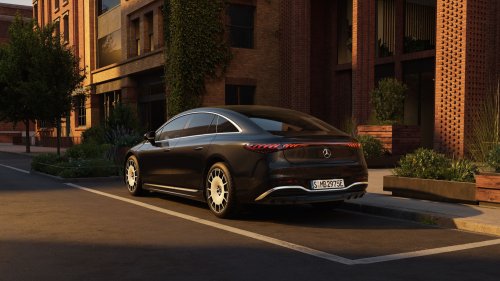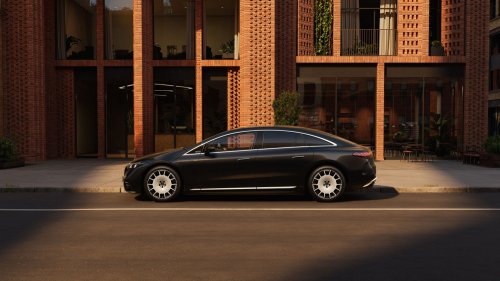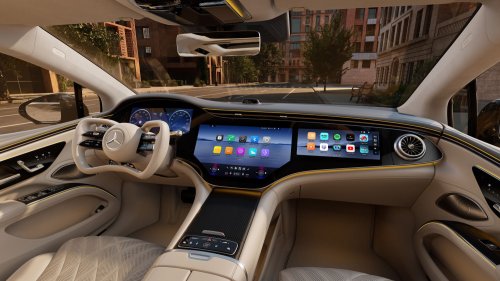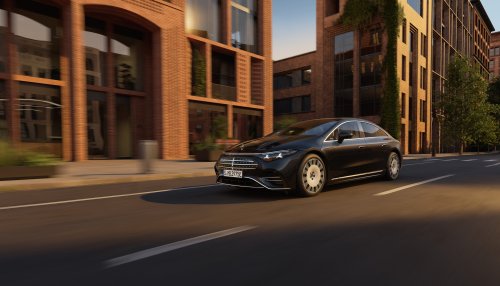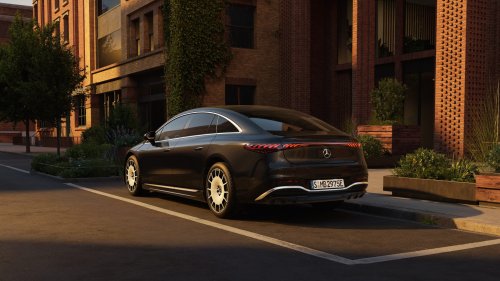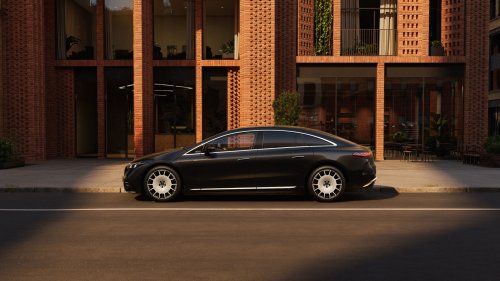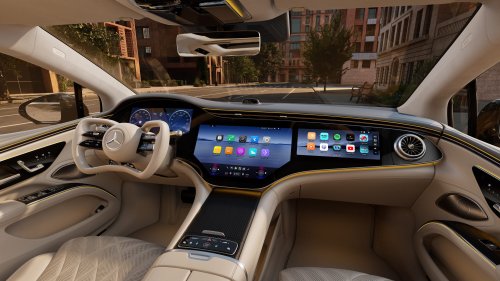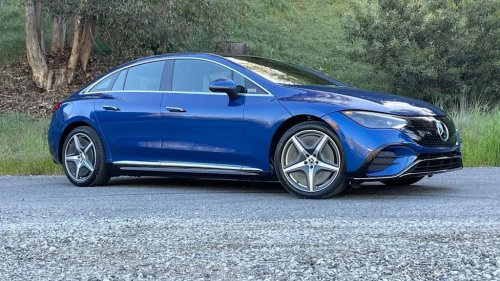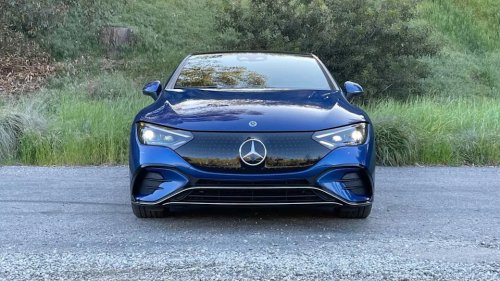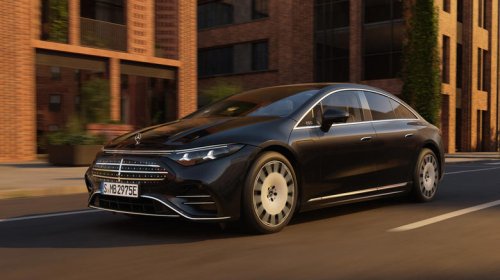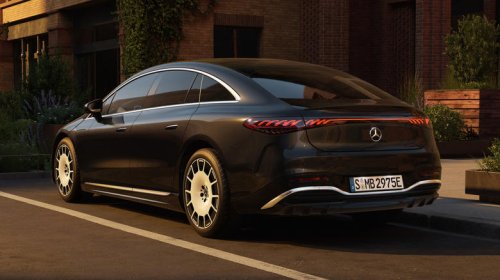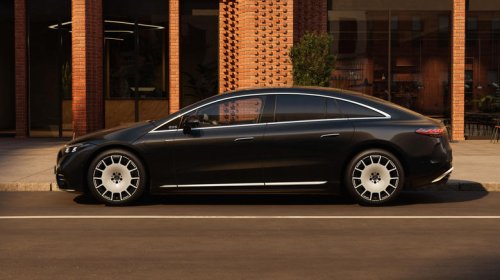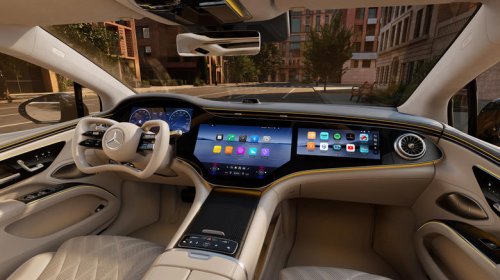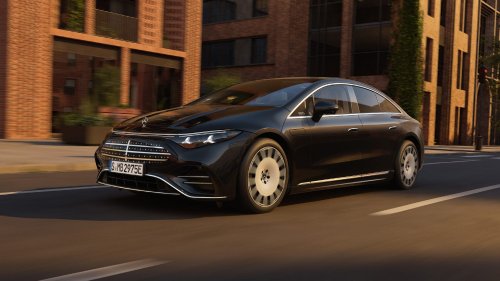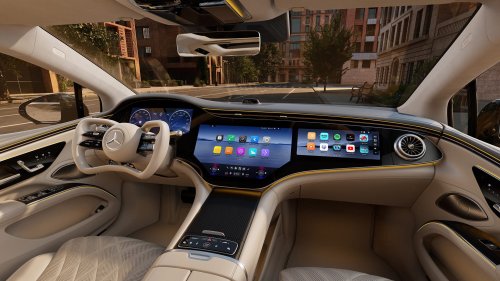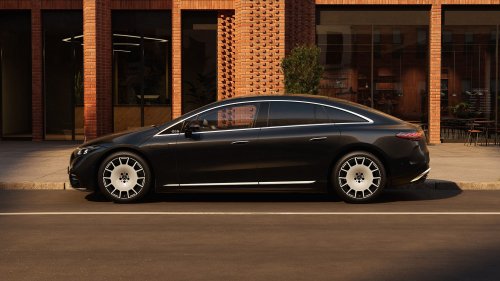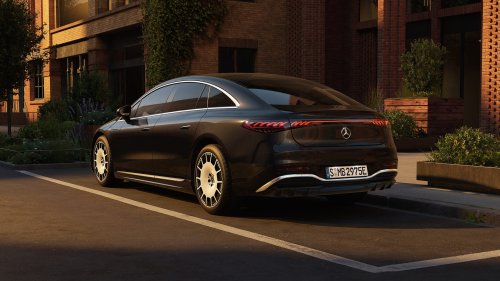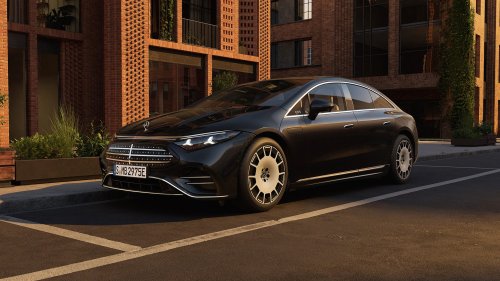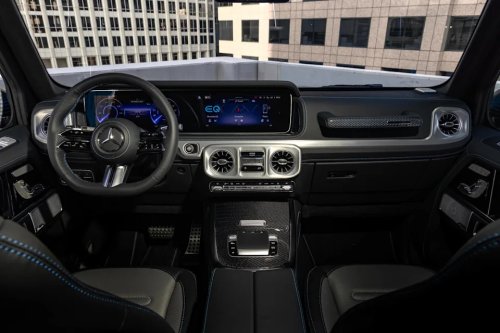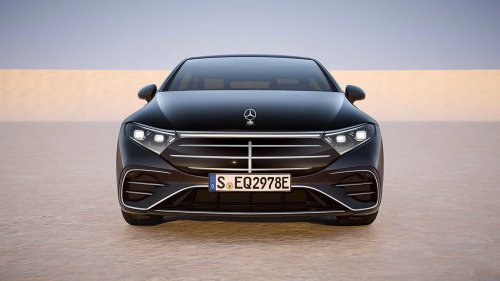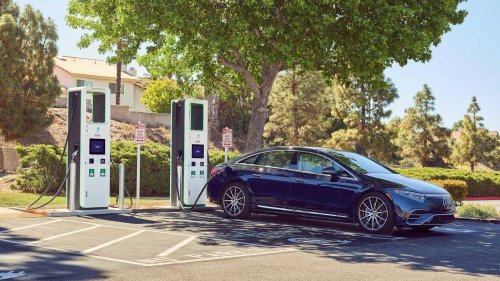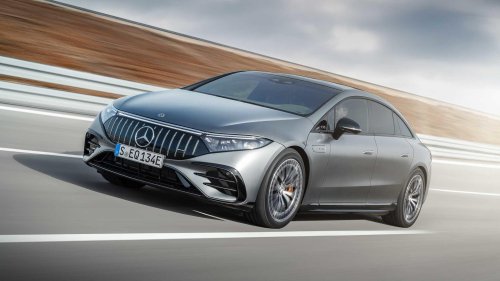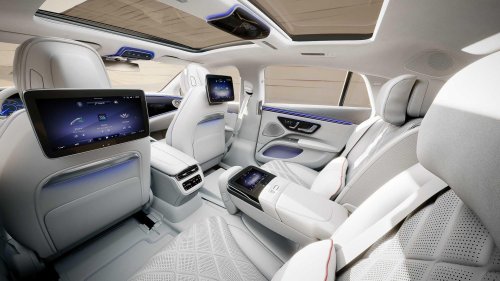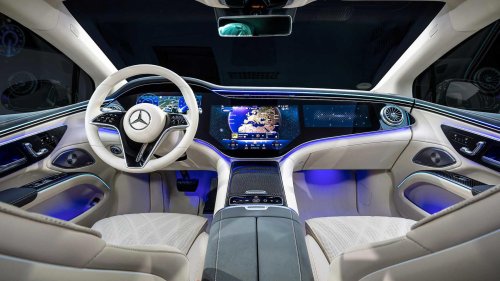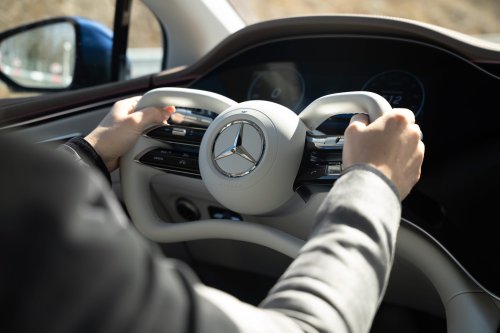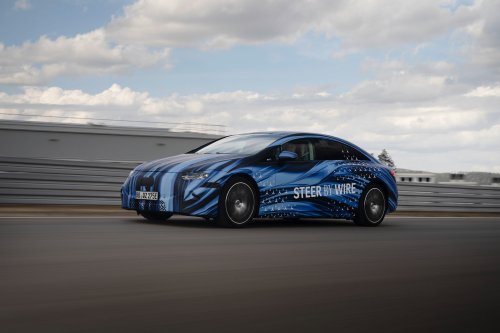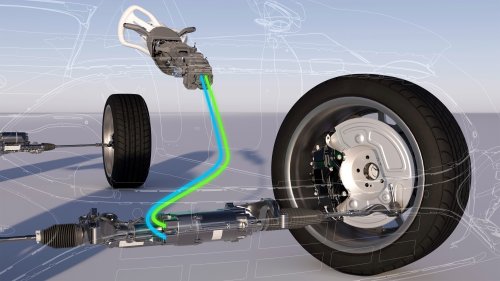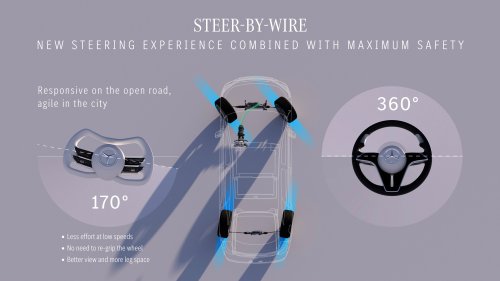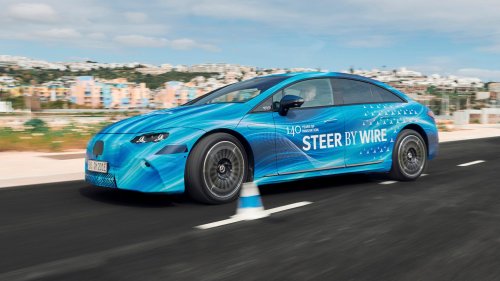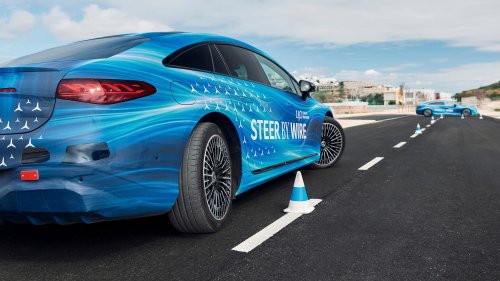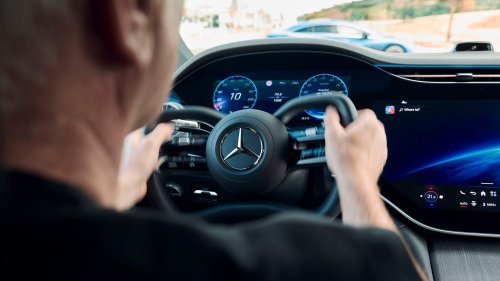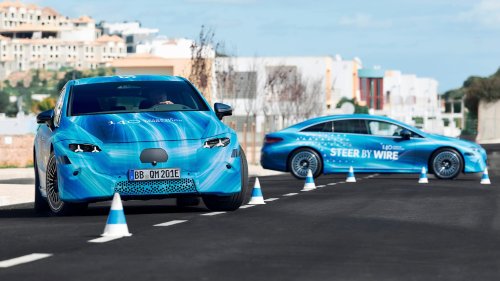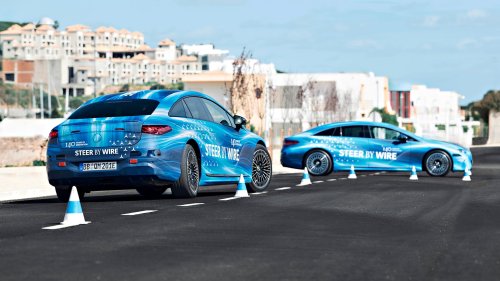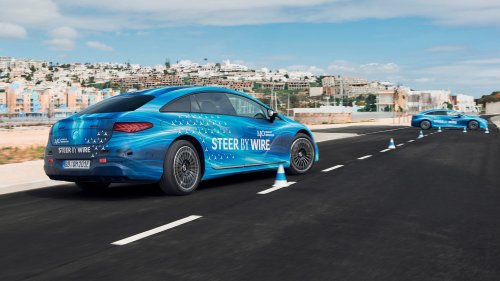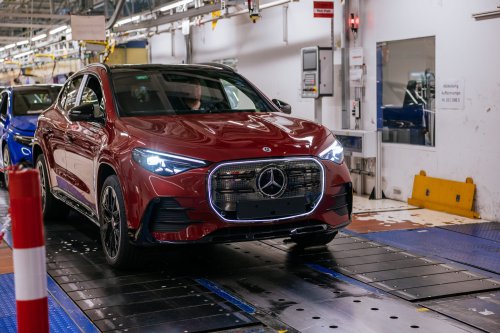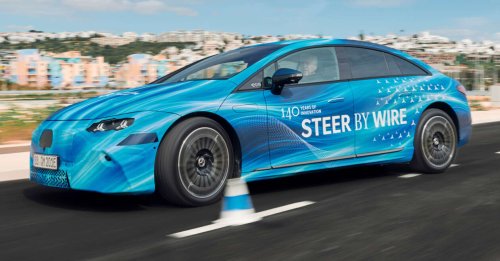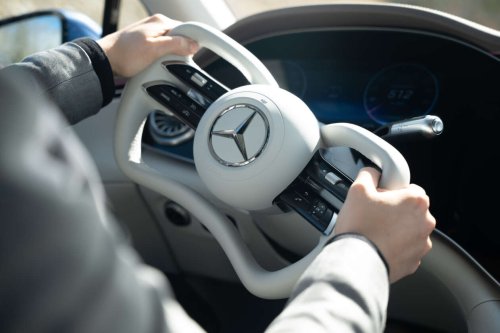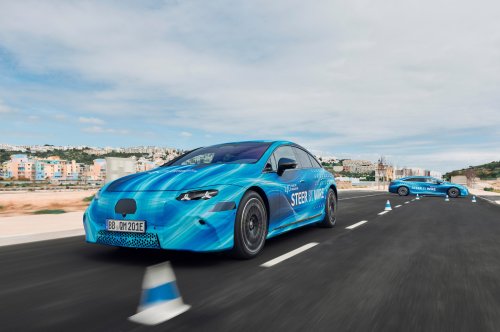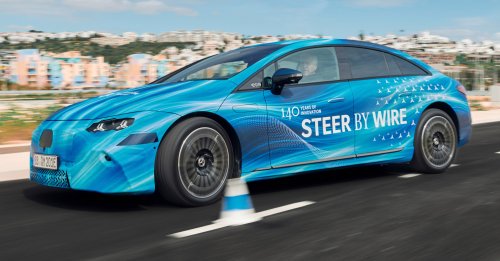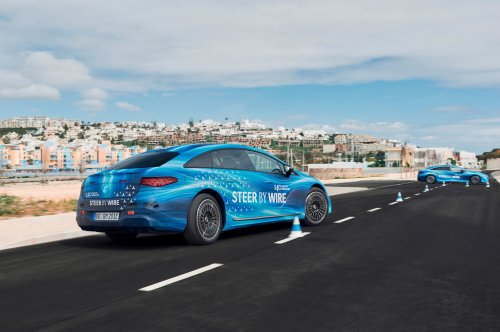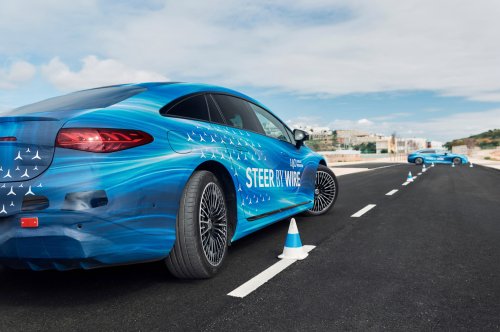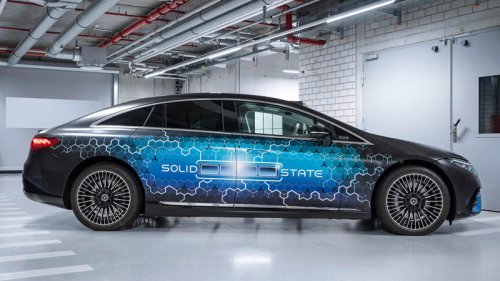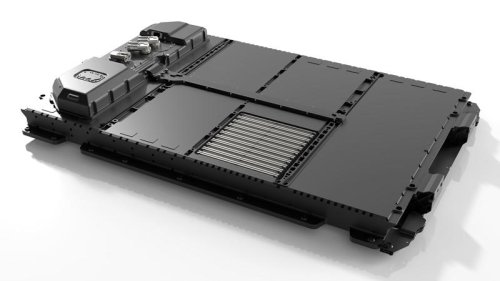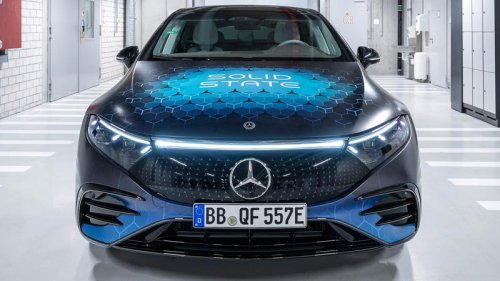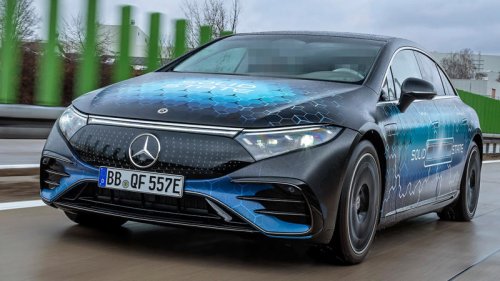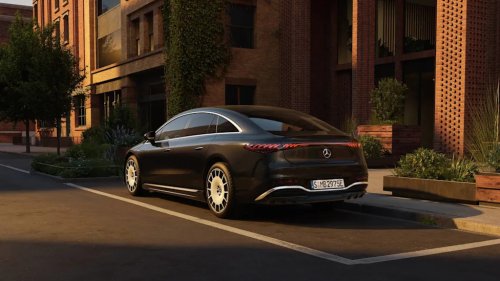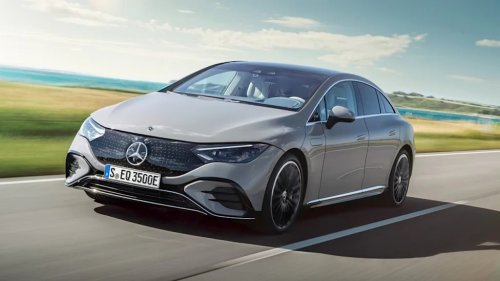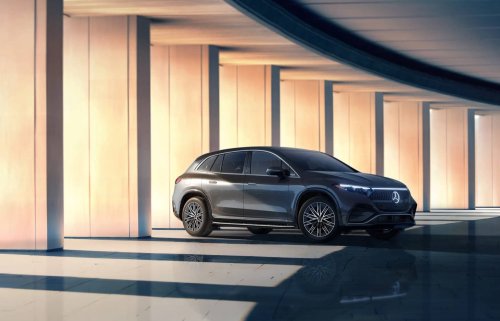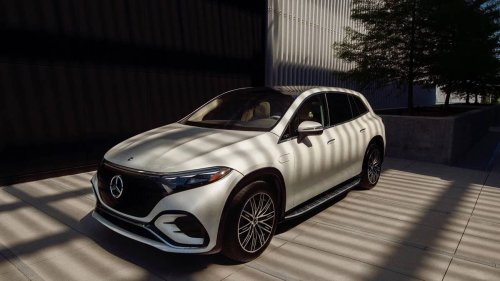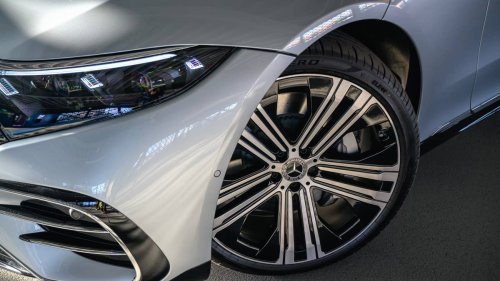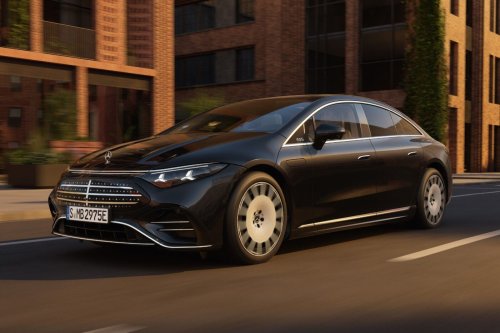
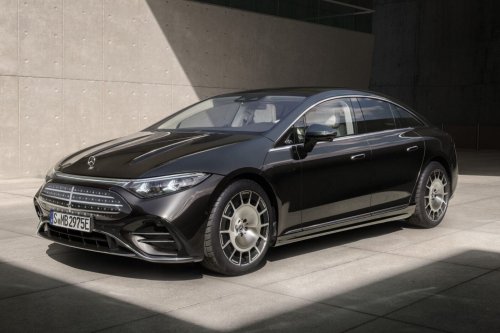
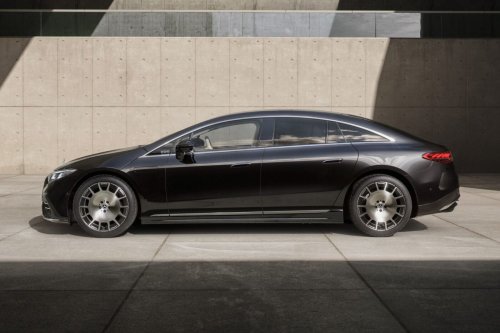
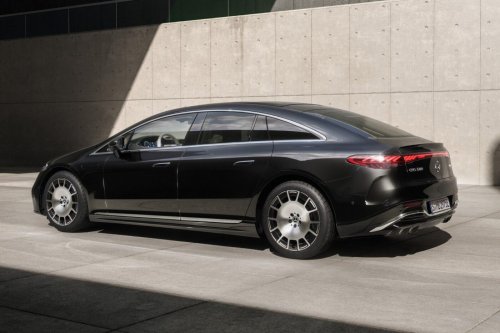
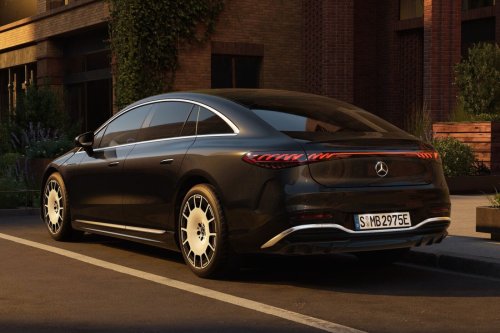
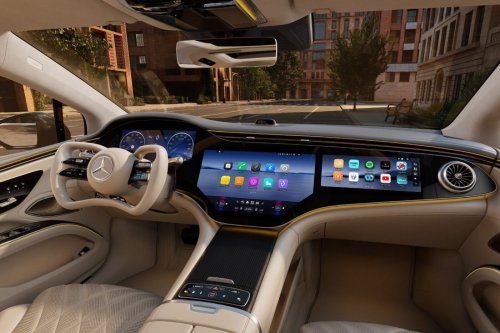
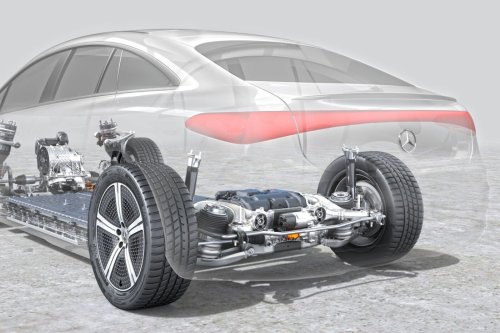



















Image: Mercedes-BenzThe technical updates include the transition to 800-volt technology, new drive units, a two-speed transmission on the rear-axle main drive and larger batteries with optimised cell chemistry. According to Mercedes-Benz, ‘more than a quarter of all vehicle components has been newly developed, updated or refined.’ The revised EQS is available to order in Germany from €94,403.With this upgrade, Mercedes aligns its electric flagship with the technological standard of newer models such as the CLA and GLC. The revised EQS now operates on an 800-volt architecture, replacing the previous 400-volt system. In practice, this enables higher charging power and shorter charging times.Previously, the EQS supported a maximum charging rate of 200 kW at DC fast chargers and required more than 30 minutes to reach 80 per cent state of charge. With the update, peak charging power rises to up to 350 kW. According to Mercedes, this allows the EQS to add up to 320 kilometres of WLTP range in just ten minutes.At 400-volt fast-charging stations, the battery system can be effectively split, enabling each half to charge at up to 175 kW.The battery’s energy content has also increased slightly—with the same dimensions, the battery now holds three per cent more energy. This means the EQS 450+ (the longest-range variant), the EQS 500 4MATIC, and the EQS 580 4MATIC are equipped with a 122 kWh battery, up from the previous 118 kWh. This improvement is made possible by optimised cell chemistry.“The cells feature anodes in which silicon oxide is blended with graphite. This allows more energy to be stored per kilogram, as the gravimetric energy density has been increased compared with the previous-generation battery that used conventional graphite anodes,” explains Mercedes. “At the same time, greater range has been achieved within the same battery installation space, as the so-called volumetric energy density of the cell chemistry has increased. The proportion of cobalt has also been further reduced.” Image: Mercedes-Benz Image: Mercedes-Benz Image: Mercedes-Benz Image: Mercedes-Benz Image: Mercedes-Benz Image: Mercedes-BenzThe update also introduces the EQS 400. This variant features a 112 kWh battery in the underbody, with Mercedes specifying the usable net energy content. The new model is equipped with a 270 kW rear-wheel-drive powertrain.Towing capacity has been significantly increased: for the rear-wheel-drive versions (400 and 450+), it rises from a maximum of 750 kilogrammes to 1,600 kilogrammes. The all-wheel-drive 4MATIC models offer a permissible towing capacity of up to 1,700 kilogrammes.The new 800-volt architecture not only changes the interconnection of the battery cells, but also brings drive units optimised for the higher voltage level—Mercedes refers to this as a ‘generational leap.’ These units are more compact, more efficient and more robust. All variants feature an Electric Drive Unit (EDU) with a two-speed transmission on the rear axle to further improve efficiency, a solution already introduced in the CLA and also used in the GLC. In the 4MATIC models, the front EDU is designed as a boost unit and includes an integrated Disconnect Unit (DCU), allowing it to be engaged or disengaged instantly.The new drive units also increase recuperation performance, enabling deceleration in everyday driving to be handled largely via energy recovery. Mercedes specifies a recuperation capacity of up to 385 kW, around one-third higher than before. Depending on the specification, drivers can adjust the level of recuperation using shift paddles or the selector lever behind the steering wheel.EQS 400EQS 450+EQS 500 4MATICEQS 580 4MATICDriveRWDRWDAWDAWDPower270 kW300 kW350 kW430 kWAcceleration6.2 s5.9 s4.5 s4.1 sWLTP range810 km926 km869 km869 kmBattery112 kWh122 kWh122 kWh122 kWhDC charging power330 kW350 kW350 kW350 kWDC charging time 10-80%25 min27 min27 min27 minPrice€94,402.70€108,635.10€123,284€134,731.80Another new feature is bidirectional charging: the updated EQS can, if needed, feed power from its traction battery directly into the public grid (Vehicle-to-Grid) or to the owner’s home (Vehicle-to-Home).“This intelligent connection to the power grid enables new usage scenarios,” says Mercedes. However, there is a catch: the manufacturer will only make this function available “a later stage after market launch via an over-the-air update.”In a footnote to the press release, Mercedes further clarifies that the ‘use of bidirectional charging may be subject to market-specific conditions relating to legislation and energy supplier requirements.’With this latest update for the EQS, introduced in 2021, the German manufacturer has also slightly adjusted its design. The initially distinct EQS has been brought closer to the CLA’s appearance: the black Black-Panel element at the front now has a similar shape to the CLA’s. However, with the star on the bonnet and two LED signatures per headlamp, the EQS still stands out as a higher-positioned model.The upgrades extend beyond the drivetrain: Mercedes-Benz will become the first German carmaker to offer a production passenger car with steer-by-wire. A few months after market launch, an optional system will be introduced that eliminates the mechanical steering column and enables a new steering feel.According to Mercedes, this allows previously conflicting characteristics to be combined more effectively, with the EQS now balancing sportiness and comfort, as well as stability and lateral agility, more convincingly. The steering ratio can be adapted to the driving situation: during low-speed manoeuvres, steering effort is reduced, and hand repositioning during tight turns is no longer required, while at higher speeds, straight-line stability is improved.In addition, unwanted vibrations caused by road surface irregularities, which would normally be transmitted via the steering wheel, can be largely suppressed. All EQS variants also feature rear-axle steering with up to ten degrees of steering angle.Overall, the EQS is set to become more modern and intelligent. The air suspension now features cloud-based damper control to further enhance comfort. The driver assistance system is equipped with a more powerful computing architecture and up to 27 sensors, even though the Stuttgart-based manufacturer has temporarily shelved its Level 3 autonomy ambitions. The parking assistant is now up to 60 per cent faster. The Mercedes-Benz Operating System (MB.OS) is described as a ‘supercomputer with AI.’ The MBUX Virtual Assistant is capable of handling complex dialogues.The base price of €94,402.70 mentioned earlier applies to the EQS 400 in Germany, which offers up to 810 kilometres of range. The 300 kW EQS 450+, with up to 926 kilometres (WLTP), starts at €108,635.10, already in the six-figure range. The EQS 500 4MATIC is available in Germany from €123,284, while the EQS 580 4MATIC starts at €134,731.80.mercedes-benz.com (press release), mercedes-benz.de (German configurator)