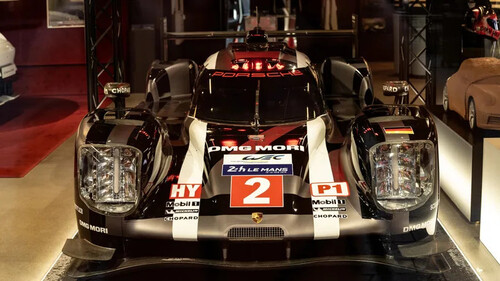
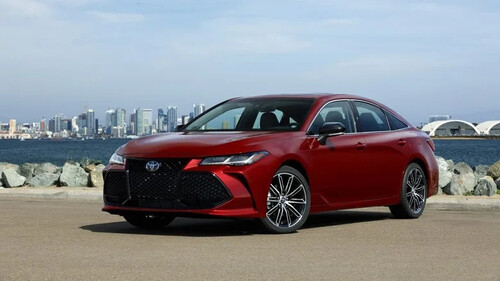
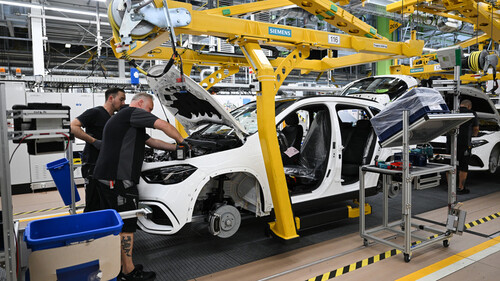
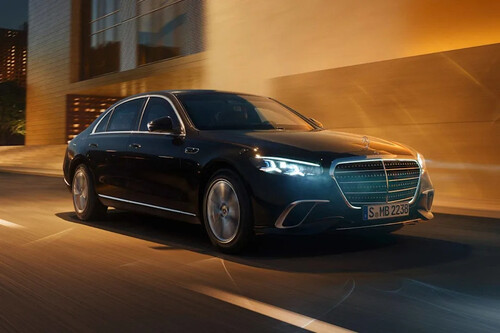
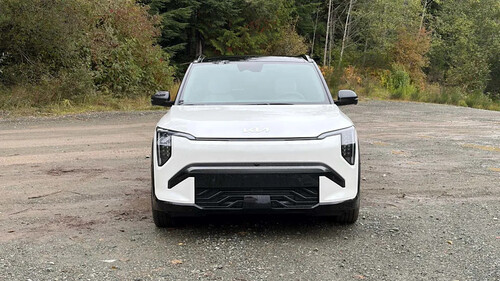
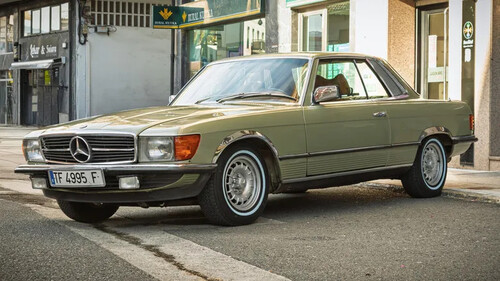
Image Credit: Mercedes.A leading European insurer is calling for major changes to the way modern vehicle headlights are designed and repaired. Allianz argues that today's increasingly sophisticated lighting systems are driving up repair bills unnecessarily, turning minor accidents into expensive insurance claims.The company wants automakers to make headlights easier to repair instead of requiring complete replacement when only a small section is damaged. It is also urging regulators to revise repair rules that currently prevent some technically viable fixes, particularly in Germany.According to German outlet Handelsblatt, Allianz states that around 870,000 headlights are replaced every year in Germany following collisions. The insurer estimates the average price of a replacement headlight has risen from €708 in 2015 to €1,251 in 2025, while certain premium models can cost as much as €6,700 each.AdvertisementAdvertisementThose rising costs affect more than insurance companies. Higher repair expenses ultimately contribute to increased insurance premiums for motorists, while replacing entire assemblies instead of individual components also creates unnecessary waste and higher carbon emissions.Modern Headlights Have Become Surprisingly ExpensiveImage Credit: Mercedes-AMG.Vehicle lighting has evolved dramatically over the past decade. What was once a simple housing with replaceable bulbs has become a complex assembly incorporating LED or laser technology, adaptive beam control, matrix lighting, cameras, sensors, and sophisticated electronics.Those advances have improved visibility and safety, but they have also made repairs significantly more expensive. Even relatively minor damage to a lens or mounting point can result in the replacement of the entire unit rather than repairing the affected section.Allianz believes the technology itself is not the problem. Instead, the insurer argues that many manufacturers simply do not offer repair solutions for individual components, leaving repair shops with little choice beyond installing a brand-new assembly.Regulations Also Play A RoleThe insurer says existing regulations in Germany can make matters even more complicated. Speaking to Handelsblatt, Christian Sahr, head of the Allianz Center for Technology, says some repairs that are technically possible are prohibited under current approval rules.AdvertisementAdvertisementOne example involves damaged plastic headlight lenses. Minor scratches or stone-chip damage may be repairable by specialist workshops, yet those repairs are generally not permitted under current German regulations, meaning replacement becomes the only legal option.Allianz notes that countries including France and Denmark already permit certain headlight repair procedures that are not currently allowed in Germany. The company believes similar regulatory changes could reduce repair costs without compromising vehicle safety.Toyota Shows A Different ApproachImage Credit: Toyota.Rather than criticizing every automaker, Allianz highlighted Toyota as an example of how repair-friendly design can work in practice. According to the insurer, several Toyota headlight assemblies allow individual components to be replaced instead of requiring a complete unit.Depending on the model, technicians can reportedly replace items such as the outer lens, housing, electronic modules, and mounting hardware separately. That modular approach can substantially reduce repair costs when damage is limited to one section of the headlight.AdvertisementAdvertisementOther manufacturers have also begun moving in a similar direction. Mercedes-Benz has previously announced plans to make future headlight assemblies easier to repair by using screws instead of permanent adhesives, allowing damaged components to be removed without replacing the entire unit.Lower Costs And Less WasteRepairing individual components instead of replacing complete headlight assemblies offers financial and environmental benefits. Less material is discarded, fewer replacement parts need to be manufactured, and repair bills become considerably lower for insurers and vehicle owners alike.The insurance industry has long argued that spare parts have become increasingly expensive. Industry figures show the prices of items such as trunk lids, fenders, and windshields have risen sharply over the past decade, adding further pressure to repair costs and insurance premiums.As vehicles become more technologically advanced, balancing innovation with long-term serviceability is becoming an increasingly important challenge. Features like adaptive LED lighting undoubtedly improve safety, but designing those systems with repairability in mind could make ownership significantly less expensive over the life of the vehicle.A Debate Likely To GrowAllianz's proposal reflects a broader conversation taking place across the automotive industry about repairability and sustainability. Consumers, insurers, independent repairers, and regulators all have an interest in reducing unnecessary replacement costs while maintaining high safety standards.AdvertisementAdvertisementWhether manufacturers embrace more modular headlight designs on a wider scale remains to be seen. As replacement costs continue climbing and insurance premiums follow suit, pressure is likely to increase for vehicles that are not only safer and more advanced, but also easier and less expensive to repair after everyday accidents.If you want more stories like this, follow Guessing Headlights on Yahoo so you don't miss what's coming next.