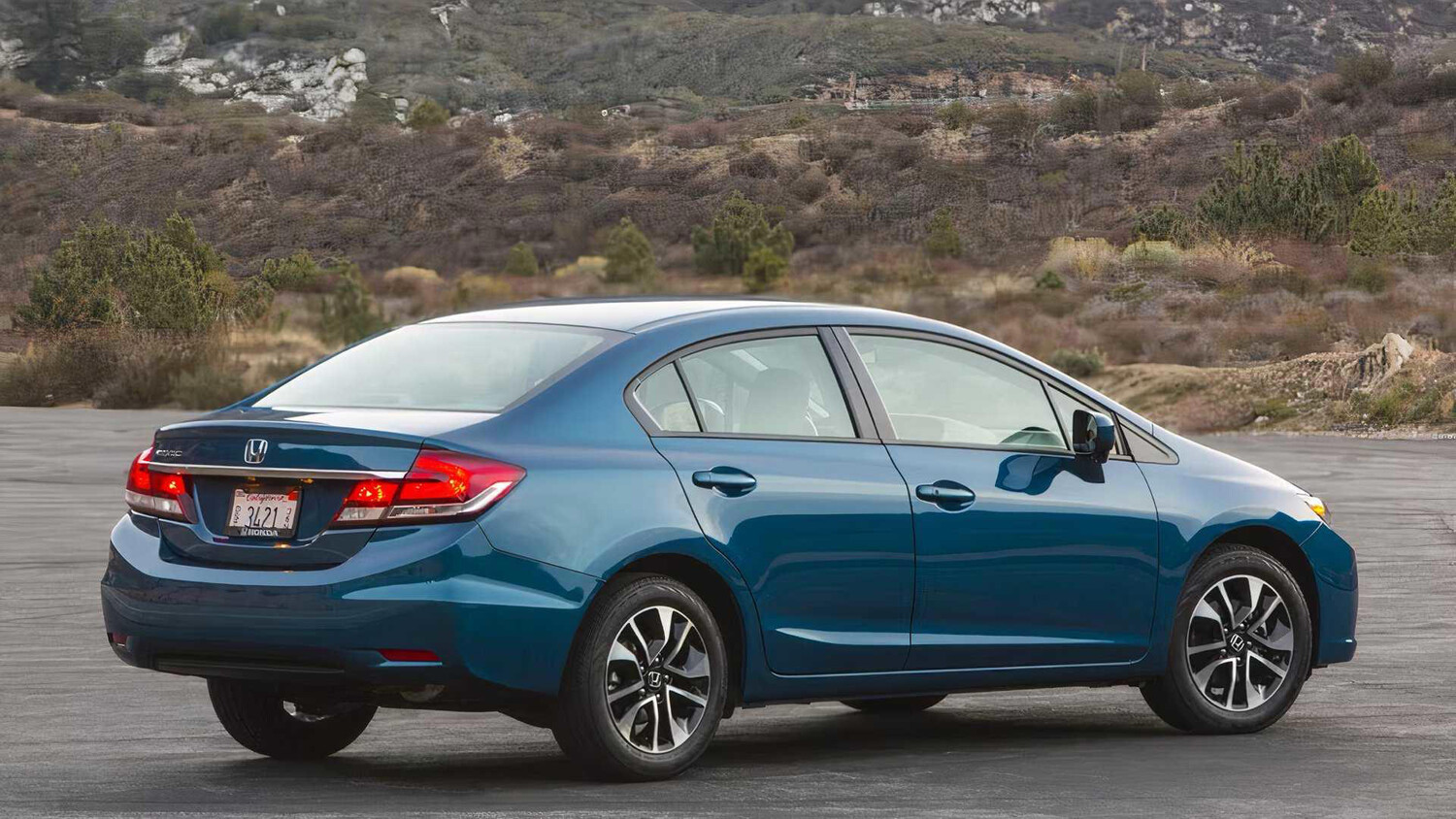
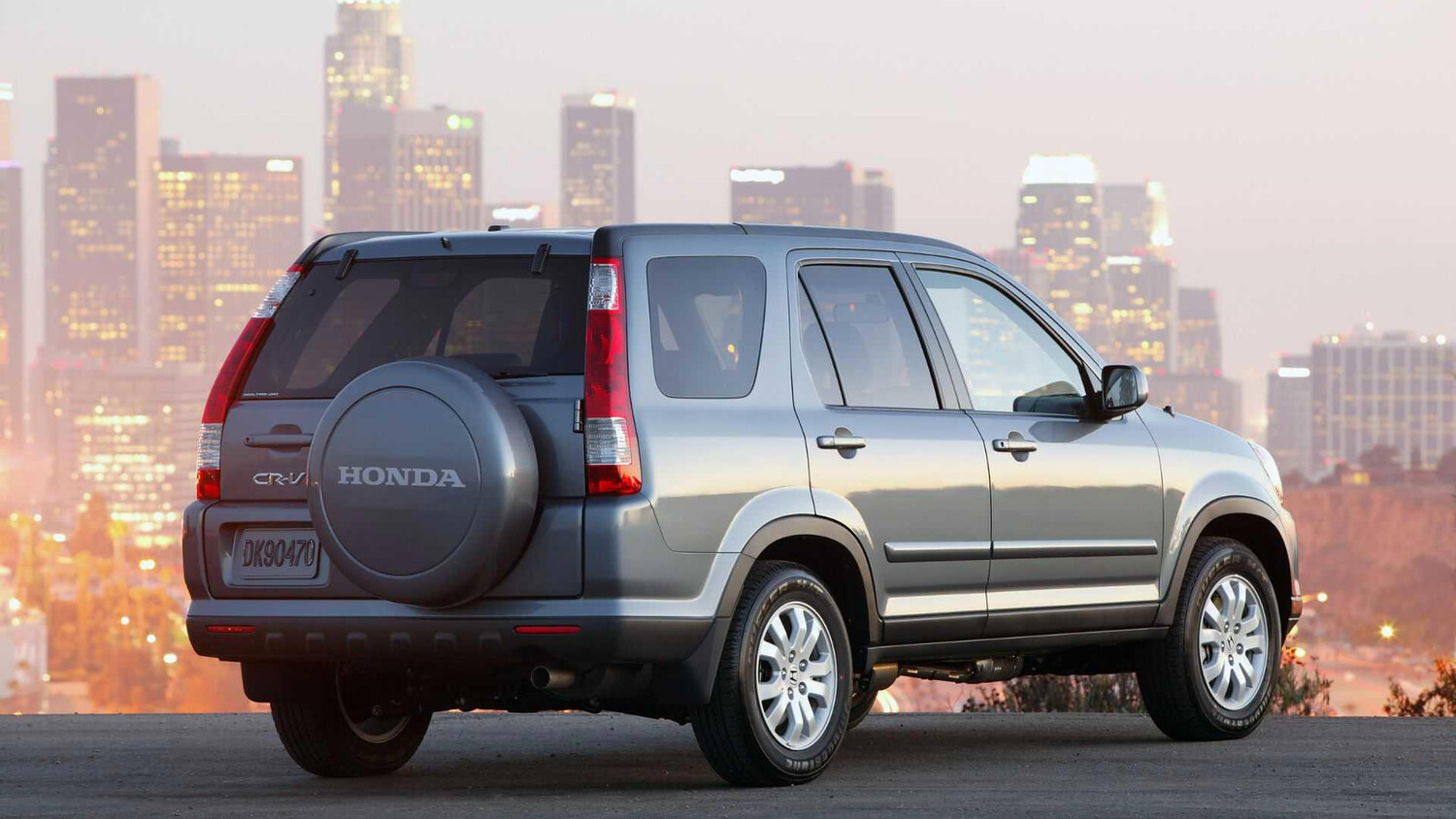
Honda gained a foothold in the mainstream automotive market by developing compact and midsize cars that provided affordable and durable motoring for millions. These early models proved their reliability over millions of miles of real-world use. Honda’s modern lineup spans everything from compact sedans and hatchbacks to midsize family cars, crossovers, rugged three-row SUVs, and even a pickup truck and minivan. But do they offer the same kind of impressive longevity potential, or have reliability levels slipped down the rankings? We looked into the latest J.D. Power data that assess both early-ownership quality and long-term vehicle dependability to find out. Where Does Honda Rank Compared To Its Rivals? The J.D. Power U.S. Vehicle Dependability Study (VDS) evaluates long-term reliability by tracking the number of problems experienced per 100 vehicles (PP100) by original owners after three years of ownership, meaning a lower score represents higher dependability. Ordered from best to worst, the 2026 J.D. Power U.S. VDS results place Honda slightly behind some of its closest mainstream competitors: Brand 2026 J.D. Power VDS Score (PP100) Subaru 181 Toyota 185 Nissan 194 Hyundai 198 Mazda 210 Honda 211 In the 2026 study, the overall industry average climbed to 204 PP100, against that backdrop, Honda’s score of 211 PP100 places it slightly behind the average and last among the six mainstream rivals compared above. Because PP100 scores do not apply different weighting to different types of defects, meaning a steering rack failure carries the exact same statistical penalty as a glitchy infotainment system, it is important to examine what actually drives those numbers. We looked into what influenced these scores of these brands to see where the results were affected by several minor issues or just a few more serious ones. When it comes to newer vehicles, infotainment and smartphone integration remains the single most problematic category in the industry, with pairing and dropout issues common across the board. Across the 2026 study, conventional gas-powered vehicles remain the least problematic powertrain type at 198 PP100, whereas hybrid vehicles average 213 PP100 and battery electric vehicles (BEVs) reach 237 PP100. For Honda specifically, owner complaints of newer models rarely centered around catastrophic engine or transmission failures, although the well-documented oil dilution issues with turbo motors and conrod failures on V6 engines has affected some older vehicles. Instead, owners most commonly noted electronic problems and cabin refinement issues like intrusive vehicle safety-system alerts. Driver-assistance systems were often found to be irritating rather than helpful, while some owners didn’t appreciate the need to delve into the touchscreen for certain functions. Where Do Individual Honda Models Rank in Reliability? To evaluate individual models, J.D. Power uses a 100-point “Quality & Reliability” scale that captures verified owner reports of defects, malfunctions, and design flaws across the entire vehicle, including the engine, transmission and infotainment system. 2026 Model Quality and Reliability Score (Out of 100) 82/100 81/100 81/100 81/100 81/100 These five Honda models make up the bulk of sales in the US market, and all 2026 models scored between 81/100 and 82/100, placing them in the “Great” quality tier. The 2026 Accord leads the group at 82/100, benefiting from multiple model years of manufacturing refinement on its current generation. With many Honda models sharing running gear components and infotainment designs, the range as a whole looks to be well set to improve its overall quality rating in the years to come. Honda Reliability Levels – Buy With Care Honda’s underwhelming 2026 Vehicle Dependability Study (VDS) score may seem like a blow to a brand that has based its reputation on durability but digging deeper into the data reveals that occasional infotainment and driver-assistance quirks rather than mechanical maladies pulled its figures down. While Honda’s 1.5-liter turbo engines have suffered from oil dilution and head gasket failures, and the tough old 3.5-liter V6 motors had conrod bearing problems, these are hopefully being resolved, and should be covered by extended warranties. The biggest concerns noted by owners these days revolve around tech integration and functionality. While that doesn’t excuse a subpar reliability score, it does suggest that with a bit of refinement, Honda could easily up its VDS results in the coming year. It has already shown that its latest models are scoring highly in initial reliability surveys, which is a good start.