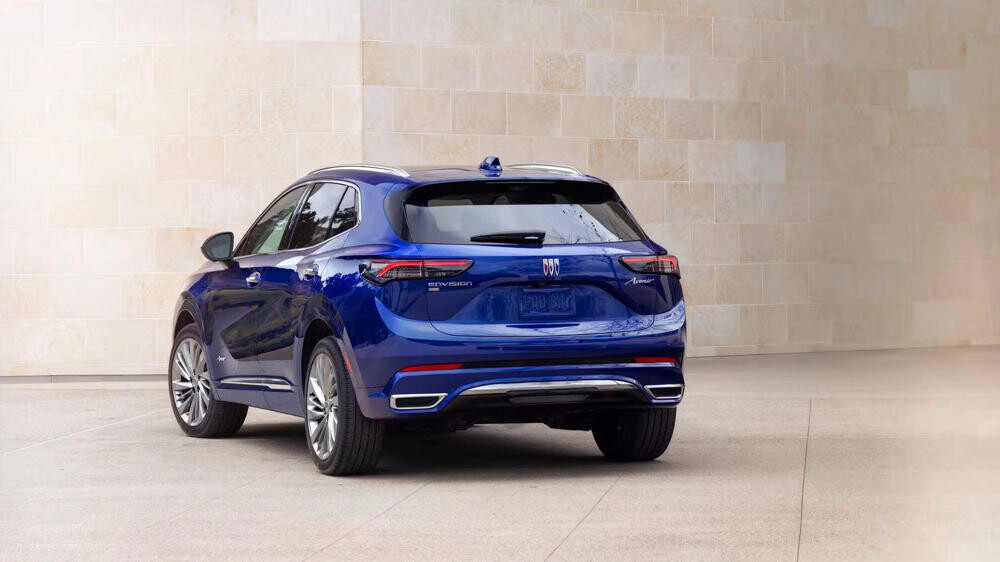
Nissan's long-awaited Rogue Hybrid has officially started arriving at Canadian dealerships, bringing a new electrified powertrain, improved fuel efficiency, and a starting price of $42,845. However, there's an important catch for Canadians hoping to purchase one immediately. The entry-level model won't arrive until early 2027, leaving the considerably more expensive $50,845 SR as the first available option. The November 12, 2026, launch marks a major step for Nissan as it enters an increasingly competitive hybrid SUV market dominated by established rivals. With an innovative electric-motor-driven system, standard all-wheel drive, and upgraded technology, the Rogue Hybrid promises substantial improvements over its gasoline-powered predecessor. Yet the $8,000 difference between its advertised starting price and initial launch model raises an important question about affordability, equipment, and whether waiting could deliver better value. The Advertised $42,845 Model Won't Reach Dealerships Until 2027 The 2027 Nissan Rogue Hybrid officially began arriving at Canadian dealerships on November 12, 2026, but Nissan's launch schedule creates an unusual situation for shoppers. The SV AWD, which carries the advertised $42,845 selling price, is not part of the initial rollout. Instead, Nissan is introducing the vehicle through its sportier SR AWD trim, priced at $50,845. The company has confirmed that initial SR deliveries will be limited, meaning even Canadians prepared to spend the additional money may need to check several dealerships before finding an available vehicle. The distinction matters because the lower starting price represents a genuine product in Nissan's lineup rather than a vehicle currently available for immediate purchase. Nissan expects the SV, SV Premium, and Platinum versions to arrive in early 2027, with its Canadian consumer website identifying February as the anticipated arrival month. For families replacing an aging vehicle before winter, that creates a difficult choice: spend more for an early SR, consider another SUV, or keep the existing vehicle running until the affordable versions arrive. The $50,845 Launch Price Includes More Than the Manufacturer's MSRP Nissan's Canadian pricing announcement identifies two different figures for each Rogue Hybrid: the manufacturer's suggested retail price and the advertised selling price. The entry-level SV carries an MSRP of $39,998, while its selling price is $42,845. Similarly, the SR has an MSRP of $47,998 and a selling price of $50,845. In both cases, the difference is $2,847. Understanding these numbers is important because a vehicle's MSRP generally represents the manufacturer's suggested base price before several additional charges are included. Nissan says its advertised selling prices incorporate $2,080 for freight and pre-delivery inspection, a $100 air-conditioning charge, dealer fees of up to $621, and other applicable levies that can vary by location. Sales taxes, licensing, insurance, and registration remain additional expenses, while individual dealers establish actual transaction prices. Consequently, the $50,845 SR could cost considerably more by the time a buyer drives away. A Canadian family comparing monthly payments should request a complete written quotation rather than relying on the manufacturer's advertised figure. That calculation becomes particularly important when financing terms, accessories, or optional protection packages affect the total amount borrowed. Four Hybrid Trims Offer Different Levels of Value Nissan has confirmed four Canadian Rogue Hybrid configurations, each featuring all-wheel drive. The SV starts at $42,845, followed by the SV Premium at $45,845, the SR at $50,845, and the Platinum at $53,845. These figures represent advertised selling prices before applicable sales taxes. The difference between the cheapest and most expensive versions is $11,000, giving Nissan room to appeal to buyers who prioritize affordability as well as those seeking a more luxurious family vehicle. The equipment differences help explain that pricing structure. The SV includes dual 12.3-inch displays, heated front seats, a heated steering wheel, and wireless smartphone integration. The SV Premium adds features such as leatherette upholstery, a power tailgate, and six selectable driving modes. Moving to the SR brings a sportier appearance and larger displays, while the Platinum offers quilted seating, ventilated front seats, heated rear seats, and a 10-speaker Bose audio system. For many households, the $45,845 SV Premium could become an attractive middle ground. It offers additional convenience without requiring the $5,000 jump to the SR, although that comparison becomes practical only when both trims are available. Nissan Is Launching With Its Sportier, Better-Equipped SR First The first Rogue Hybrid Canadians encounter in showrooms will represent one of the more visually distinctive versions of Nissan's new SUV. The SR features unique exterior styling, gloss-black accents, and 19-inch sport aluminum-alloy wheels. Inside, Nissan includes dual 14.3-inch displays and an enhanced Around View Monitor designed to provide additional visibility while parking. These upgrades create a more premium initial impression than an entry-level vehicle would, positioning the Rogue Hybrid as a technologically advanced alternative to conventional compact SUVs. However, the equipment-rich launch strategy also means the first buyers must accept a higher starting cost. Someone interested primarily in fuel savings, winter traction, and reliable family transportation may not consider larger screens or sport styling essential. Meanwhile, a driver who values technology and distinctive design could find the SR appealing enough to justify its price. Nissan has not indicated that the cheaper versions are being eliminated; they are simply scheduled for a later introduction. The initial availability of SR models should therefore be viewed as a phased rollout rather than evidence that every Rogue Hybrid will cost more than $50,000. Nissan's e-POWER System Delivers an Unusual Kind of Hybrid Driving The most significant change in the 2027 Rogue Hybrid is hidden beneath its bodywork. Nissan's third-generation e-POWER technology uses a 1.5-litre turbocharged three-cylinder gasoline engine to generate electricity rather than mechanically drive the wheels. A 1.67-kWh lithium-ion battery supports the system, while electric motors provide the actual propulsion. Unlike a conventional hybrid, where the gasoline engine can help drive the wheels directly, the Rogue's engine operates as a generator. Total system output is rated at 225 horsepower, with electric motors powering both axles. For drivers, the arrangement promises several advantages associated with electric vehicles without requiring access to home or public charging stations. Acceleration can feel more immediate because the electric motors deliver power directly, while the gasoline engine can shut down when sufficient battery energy is available. Owners still refuel at ordinary gas stations, making longer journeys straightforward. Nissan says nearly two million vehicles using earlier generations of e-POWER technology have been sold across 68 countries since 2016. That international experience provides useful background, although the North American Rogue's long-term ownership record will only become clearer after substantial real-world use. Fuel Economy Could Deliver Meaningful Savings Over a Gasoline Rogue Fuel efficiency is one of the strongest arguments for Nissan's new hybrid powertrain. According to Nissan's November 12 announcement, the Rogue Hybrid SR carries Natural Resources Canada-estimated consumption figures of 5.9 L/100 km in city driving, 6.6 L/100 km on the highway, and 6.2 L/100 km combined. By comparison, the 2026 gasoline-powered Rogue AWD is rated at approximately 7.6 L/100 km combined in most trims. That represents a potential improvement of 1.4 litres per 100 kilometres, particularly relevant for commuters who regularly encounter congested urban roads. Consider a household driving 15,000 kilometres annually. Using those combined ratings, the gasoline Rogue would consume approximately 1,140 litres over that distance, compared with 930 litres for the hybrid. The difference is about 210 litres annually. At an illustrative gasoline price of $1.60 per litre, that translates into roughly $336 in yearly savings. Actual results depend on fuel prices, driving conditions, temperature, and vehicle configuration. More importantly, fuel savings alone would take many years to recover an $8,000 difference. The additional SR purchase cost buys more equipment as well as hybrid technology, so it should not be treated as a direct hybrid premium over the future SV. The New Hybrid Also Promises a Noticeable Performance Improvement Nissan's focus extends beyond fuel consumption. The Rogue Hybrid's 225-horsepower powertrain provides more combined output than the 201-horsepower gasoline Rogue, while its electric motors deliver immediate response without a conventional transmission. In testing published by MotorTrend on November 5, 2026, a Rogue Hybrid SR AWD accelerated from zero to 60 mph in 6.2 seconds. That was substantially quicker than the gasoline-powered Rogue models the publication had previously tested. For everyday driving, such responsiveness could be especially useful when merging onto busy highways or accelerating with passengers and luggage aboard. The new braking technology also contributes to the vehicle's character. Nissan's e-Pedal system allows drivers to slow the vehicle to a complete stop by lifting off the accelerator, while Smooth Stop technology adjusts braking pressure near the end of a stop to reduce abrupt passenger movement. MotorTrend praised the hybrid's smooth acceleration, comfortable ride, and quiet cabin, although it also noted body roll during aggressive cornering and fuel economy that trails the most efficient competitors. These observations suggest Nissan has prioritized an appealing balance of comfort and performance rather than trying to produce the absolute lowest fuel-consumption figure in the segment. Family-Friendly Features Could Matter More Than the Hybrid Badge The Rogue Hybrid is designed for a market where practical details often influence purchasing decisions more than acceleration figures. Nissan has introduced rear doors that open nearly 90 degrees, making it easier to position a child seat or help younger passengers climb inside. The second row includes five LATCH lower anchors, allowing greater flexibility for child-seat placement, including the centre position. For parents regularly managing daycare drop-offs, grocery shopping, and weekend activities, those relatively small design changes could make the vehicle more convenient to use. Cargo capacity also remains important. Nissan's Canadian press specifications list up to 880.7 litres of cargo volume behind the second row and 1,866.1 litres with the rear seats folded. The five-passenger cabin includes practical storage areas, available comfort upgrades, and physical climate controls rather than relying entirely on touchscreen menus. Nissan has also worked on reducing interior noise through improved sealing, acoustic glass, and aerodynamic adjustments. Those improvements will matter during long Canadian highway trips, particularly when several passengers are sharing the cabin. Still, cargo dimensions and seating flexibility should be tested with actual strollers, sports equipment, and child seats before purchase because published measurements cannot capture every family's requirements. Larger Screens and Advanced Driver Assistance Help Explain the Higher Price Technology plays an important role in differentiating the Rogue Hybrid's trim levels. Every model receives a 12.3-inch infotainment touchscreen with wireless Apple CarPlay and Android Auto, while the SR and Platinum feature larger 14.3-inch displays with Google built-in. The system integrates services including Google Maps and Google Gemini, offering enhanced voice-based interaction and connected functionality. Nissan also includes wireless device-charging technology, with higher trims offering additional charging capability. For drivers accustomed to increasingly connected vehicles, these features make the new Rogue feel substantially more modern. Nissan has also upgraded its ProPILOT driver-assistance system, introducing improved sensors and software intended to deliver smoother lane-centering and adaptive-cruise performance. Features offered on higher trims include automatic lane changing and temporary hands-off steering support in qualifying low-speed highway congestion. These technologies remain driver-assistance systems, not autonomous driving capabilities. Their operation is restricted by road conditions, visibility, speed, and other requirements. Certain connected functions also require an activated NissanConnect subscription, with fees potentially applying after an introductory trial. Buyers comparing the $50,845 SR against less expensive competitors should therefore establish exactly which technologies are included, which require optional packages, and which could create recurring costs. The Rogue Hybrid Should Not Be Confused With Nissan's Plug-In Hybrid Nissan's electrified Rogue lineup could initially create confusion because the company offers two substantially different hybrid models in Canada. The new 2027 Rogue Hybrid uses e-POWER technology and does not require external charging. Meanwhile, the 2026 Rogue Plug-in Hybrid features a larger battery that owners can recharge using an external power source. Nissan advertises up to 61 kilometres of electric-only driving range for the plug-in model, with a total combined driving range of up to 679 kilometres. Its current Canadian advertised starting price is approximately $61,561. The distinction matters because the vehicles serve different ownership needs despite sharing the Rogue name. A plug-in hybrid can potentially complete shorter daily commutes using electricity when its battery is charged, while retaining gasoline capability for longer journeys. However, realizing that advantage depends on regular charging access and electricity costs. The e-POWER Rogue instead generates the electricity it needs while driving and requires no change to refuelling habits. For apartment residents or households without convenient charging infrastructure, the conventional Rogue Hybrid may be the simpler choice. Its substantially lower purchase price also deserves consideration, although the plug-in model offers different equipment, powertrain capabilities, and seating arrangements. Toyota RAV4 and Honda CR-V Competition Makes the Pricing Gap More Important Nissan's new hybrid enters a Canadian SUV market where Toyota and Honda already offer established alternatives. Toyota's redesigned 2026 RAV4 is exclusively available with electrified powertrains and starts at an MSRP of $37,500 for the LE Hybrid AWD. Toyota estimates combined fuel consumption of 5.5 L/100 km for that model, lower than the Rogue Hybrid SR's 6.2 L/100 km figure. Honda's 2027 CR-V Sport Hybrid, meanwhile, carries a manufacturer-listed Canadian selling price of $49,647, including freight and specified fees but excluding taxes. That places it slightly below Nissan's initial $50,845 SR, although the equipment packages differ. These comparisons show why Nissan's delayed entry-level trims could influence purchasing decisions. At $42,845, the future SV would offer a substantially more accessible way into Nissan's new hybrid technology than the launch SR. However, pricing is only one factor. Insurance premiums, financing costs, warranty terms, fuel efficiency, interior space, and long-term maintenance can all influence ownership value. Nissan advertises an eight-year, 100,000-kilometre limited battery warranty for the Rogue Hybrid, with applicable conditions. Buyers considering an early SR should compare complete out-the-door quotations and equipment lists rather than headline prices alone. For households without an immediate replacement deadline, waiting until the broader lineup arrives in early 2027 may provide a clearer picture of the Rogue Hybrid's true value.


 Liked by Justin Poirier, Parker Bouchard


 Liked by Justin Poirier, Parker Bouchard