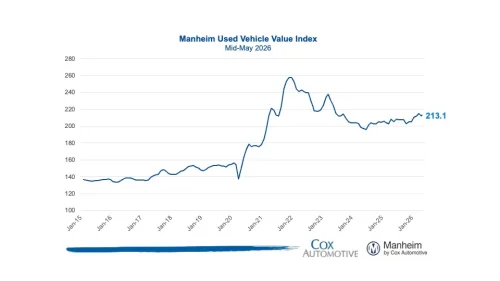
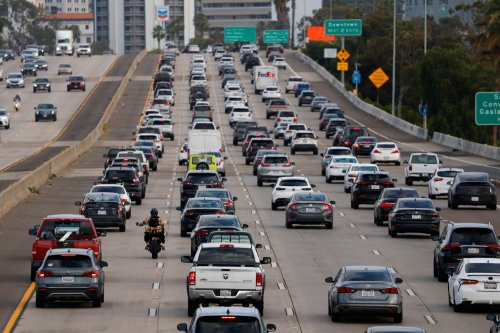
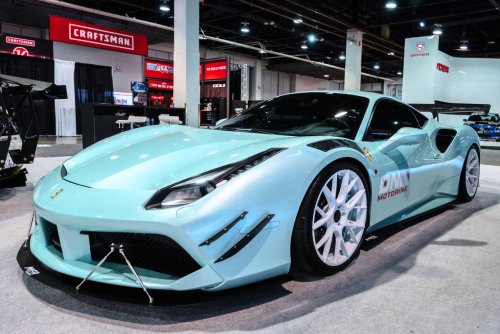
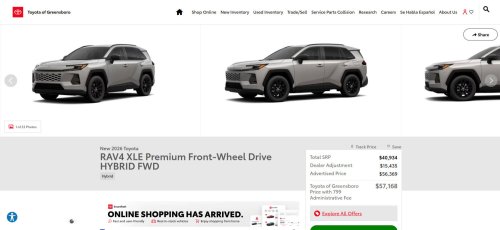
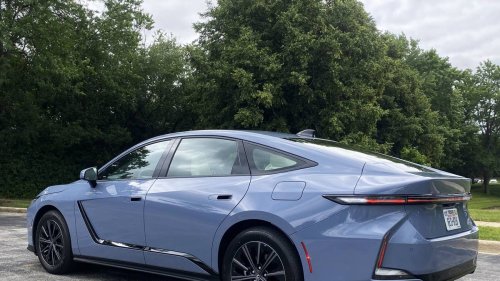
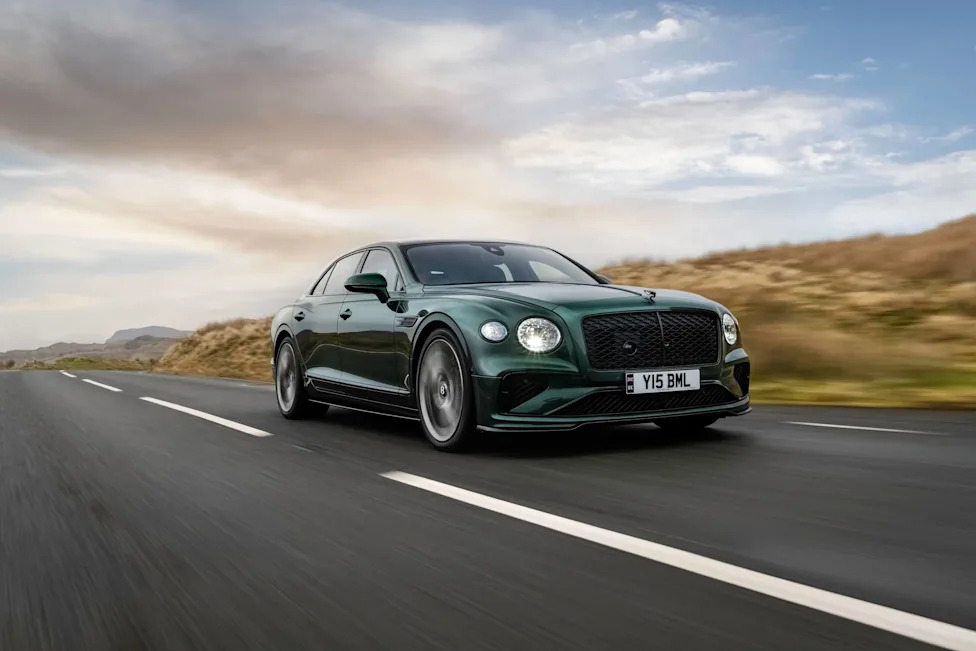
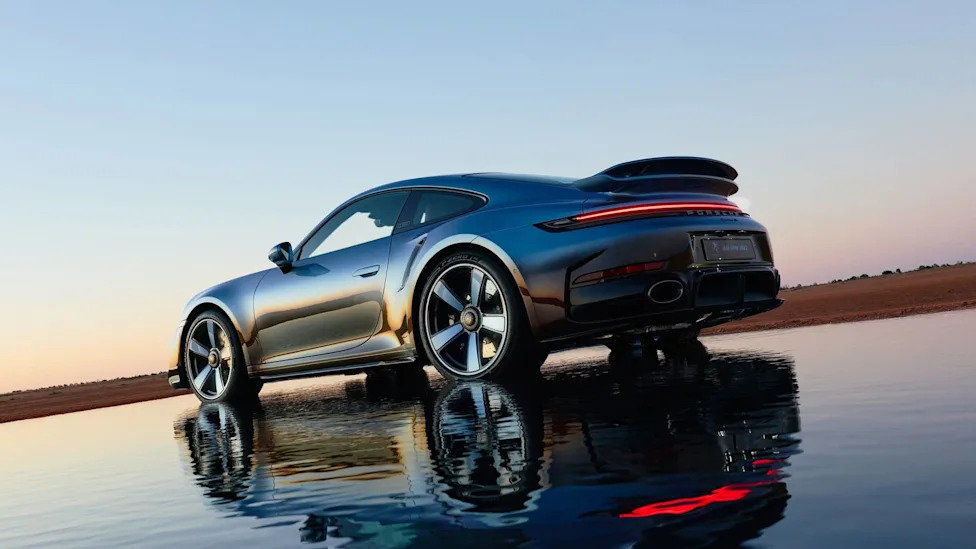
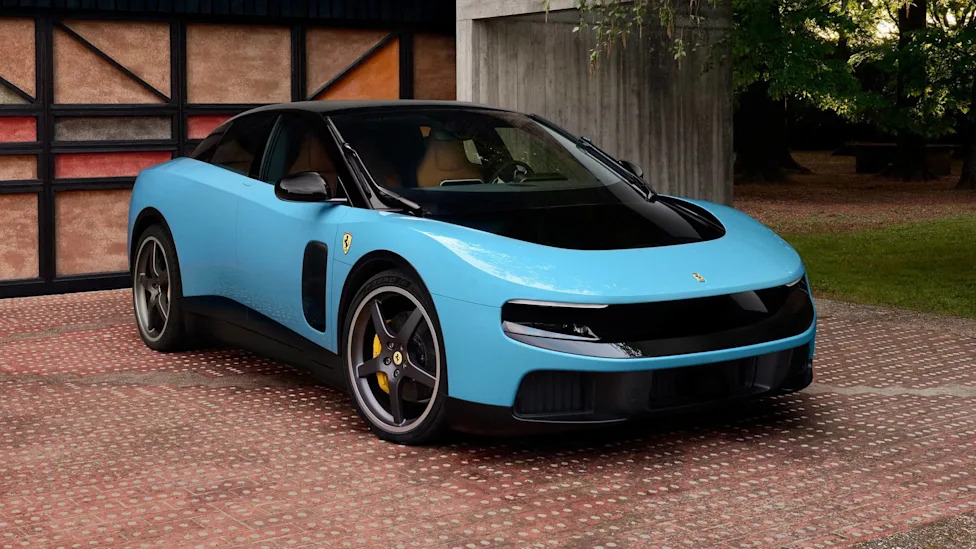
Autoblog and Yahoo may earn commission from links in this article.Kelley Blue Book's July data shows the industry average transaction price climbing to $49,855, even as incentive spending shrank to its lowest level since January. On paper, that looks like a market with pricing power. But according to an unnamed industry source with insider knowledge of several luxury brands, that pricing power evaporates entirely once you move up-market, and the numbers back him up.The Volume Is Vanishing, Even Where the Profit Isn'tBentley"Lamborghini — not selling. Bentley — struggling since 2024. Aston Martin — clients love their Valhallas, but other than that, sales are poor," the source told The Drive. The brands' own numbers echo that: Lamborghini posted record first-half revenue this month while selling fewer cars to get there, and Aston Martin cut 20 percent of its workforce earlier this year after a $666 million loss.AdvertisementAdvertisementThe source's diagnosis is blunt: clients are balking at lease payments that can run $2,000 a month more just to trade into what's functionally the same car they already own – given the level of platform sharing between brands. Even the luxury segment, where depreciation historically did not deter demand, these days has made buyers wary even when money isn't the object. The depreciation hit is no longer justified when the certified pre-owned market gets you a car that is less restricted by legislation, more desirable, and already depreciated.Buyers Are Choosing the Used Lot Over the ShowroomThe clearest evidence is in where demand is actually landing. Porsche's certified pre-owned sales climbed even as its new-car business slowed, continuing a pattern that's held for multiple quarters now — buyers increasingly comfortable paying for an already-depreciated car with a warranty attached rather than a fresh one at sticker. The Drive's source went further, alleging that dealers facing thin showroom traffic have resorted to "punching" cars — registering them as sold into their own demo fleets to pad monthly retail figures, then reselling them used later. It's a tactic that only works because the used and CPO (Certified Pre-Owned) channel is where the real demand still lives.PorscheNew Cars Keep Getting Pricier While Buyers Trade DownThat's colliding with an industry-wide trend in the opposite direction. KBB's July report found buyers broadly gravitating toward smaller, cheaper segments — subcompact SUVs, compact cars — which is the only reason overall price growth hasn't run further ahead of itself. Luxury brands with the most exposure to full-size, high-trim inventory are absorbing the brunt of that shift, and cutting incentives certainly isn't making the sticker price problem any easier to swallow.FerrariNone of this means the ultra-wealthy have stopped buying cars. Ferrari and Bugatti remain largely insulated, and six-figure car sales overall haven't slowed nationally. What's breaking down is the middle of the luxury pyramid — brands that spent years training buyers to trade up on a schedule, now discovering those same buyers are perfectly happy shopping a model year, or three, behind.AdvertisementAdvertisementThis story was originally published by Autoblog on Aug 24, 2026, where it first appeared in the Features section. Add Autoblog as a Preferred Source by clicking here.



















 +21 others