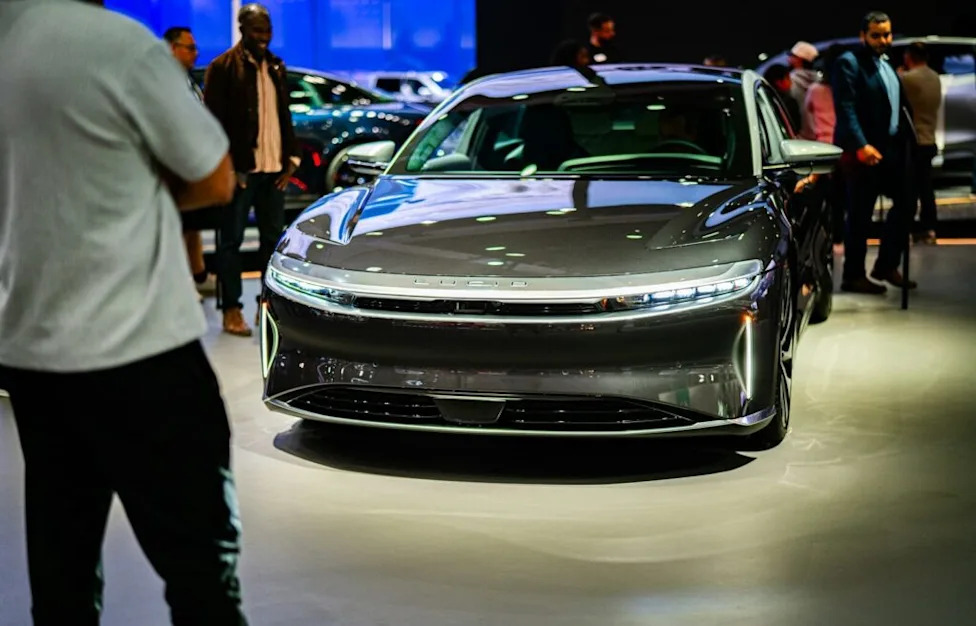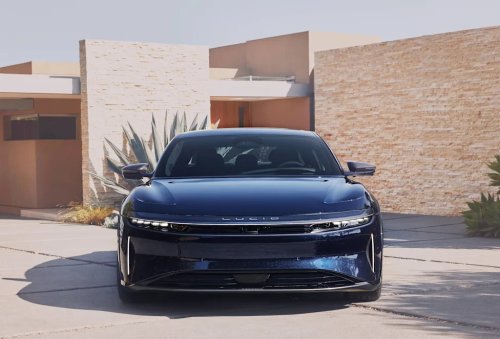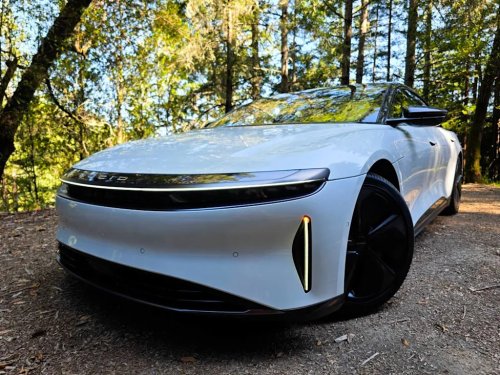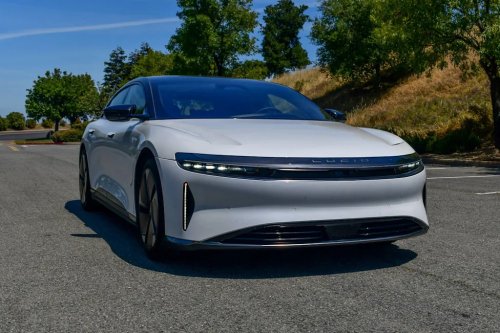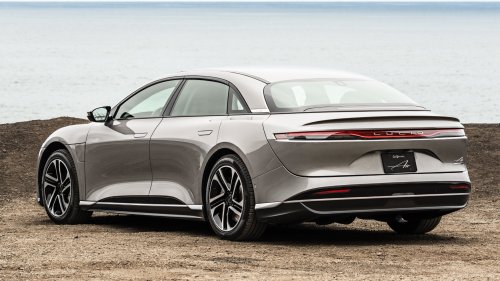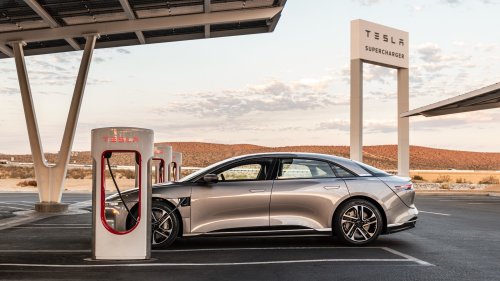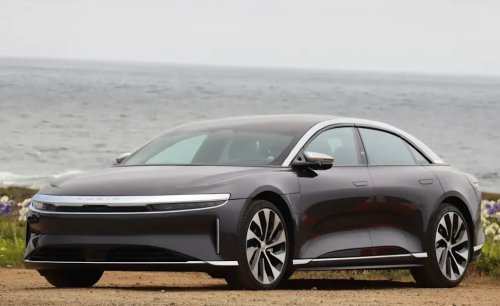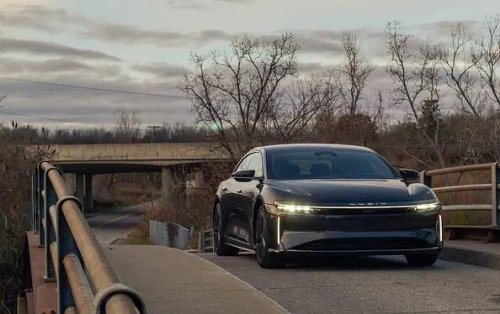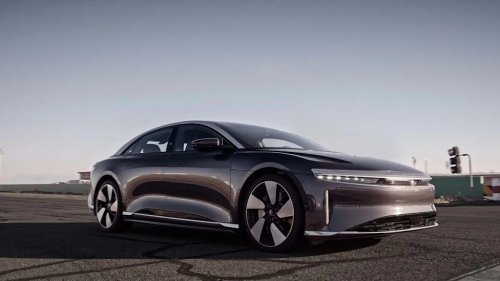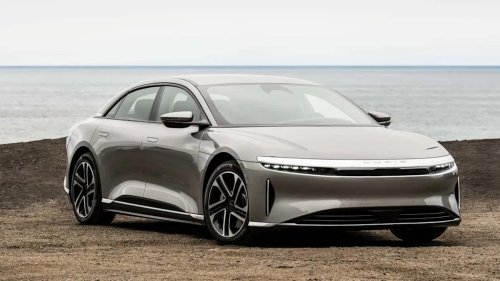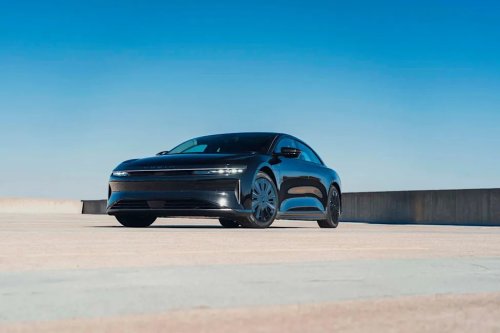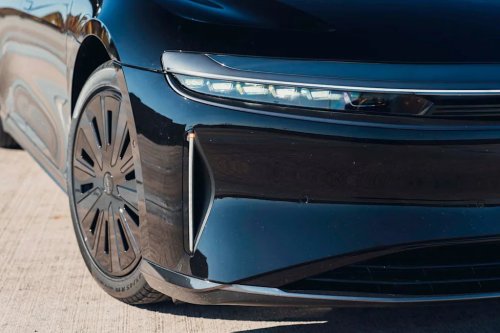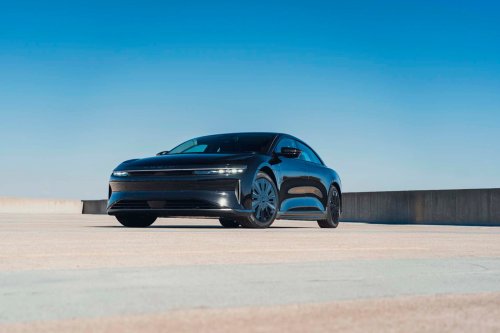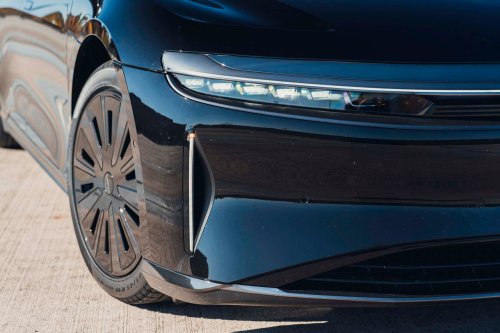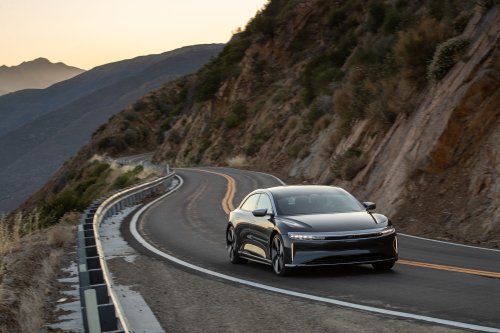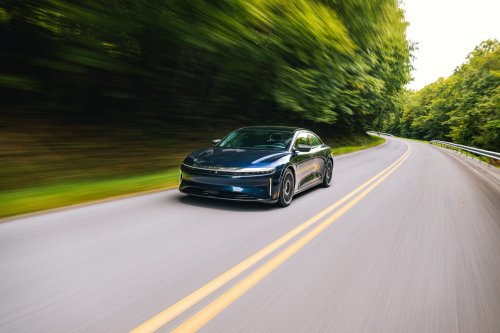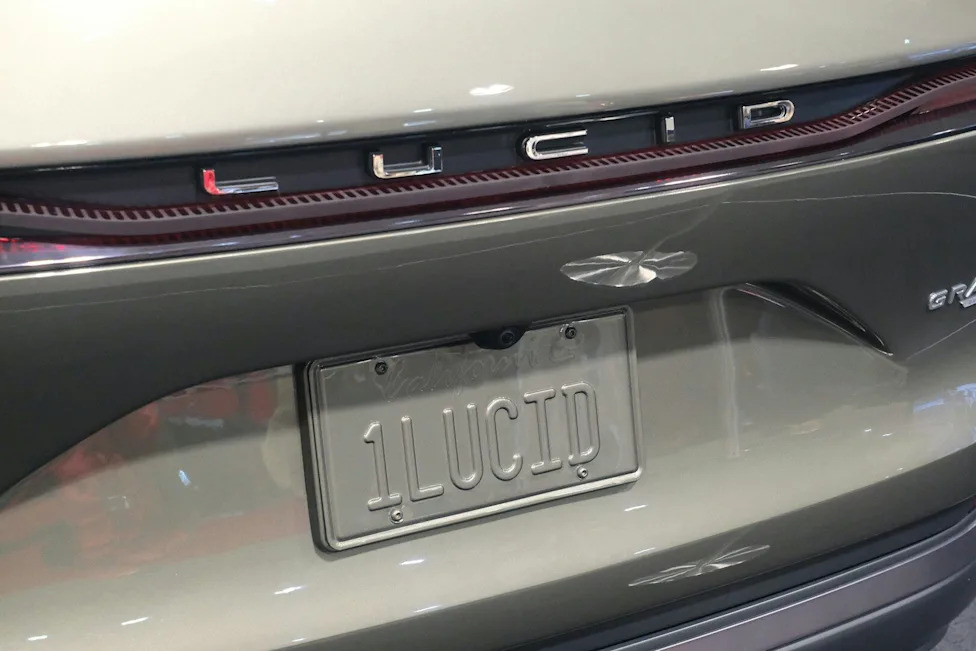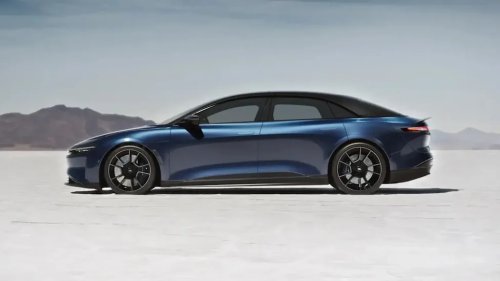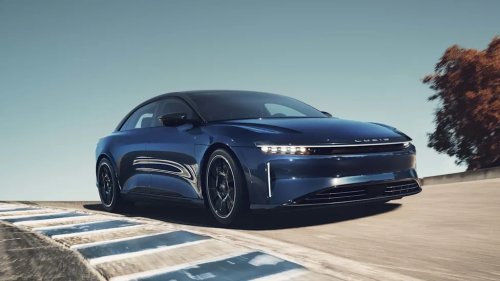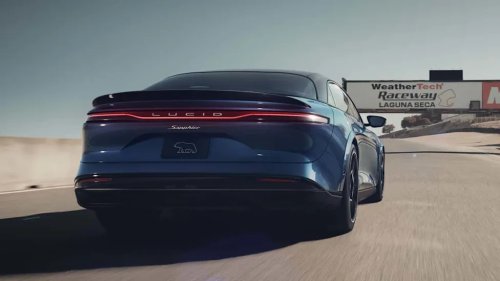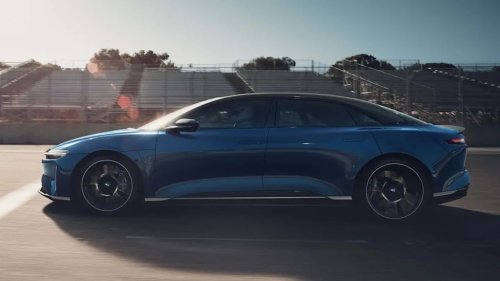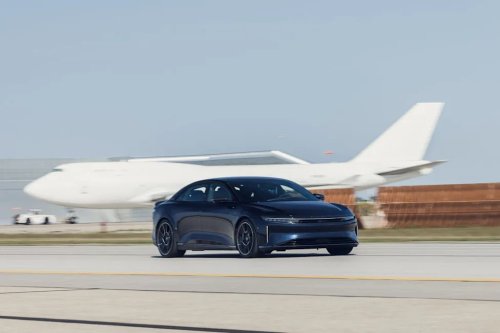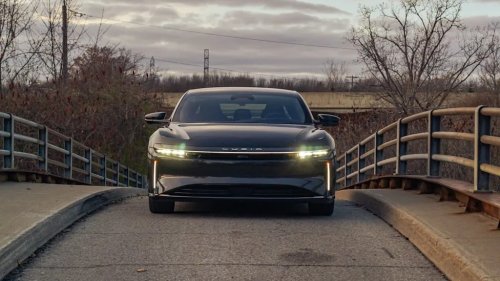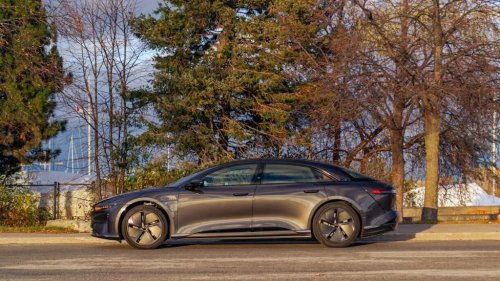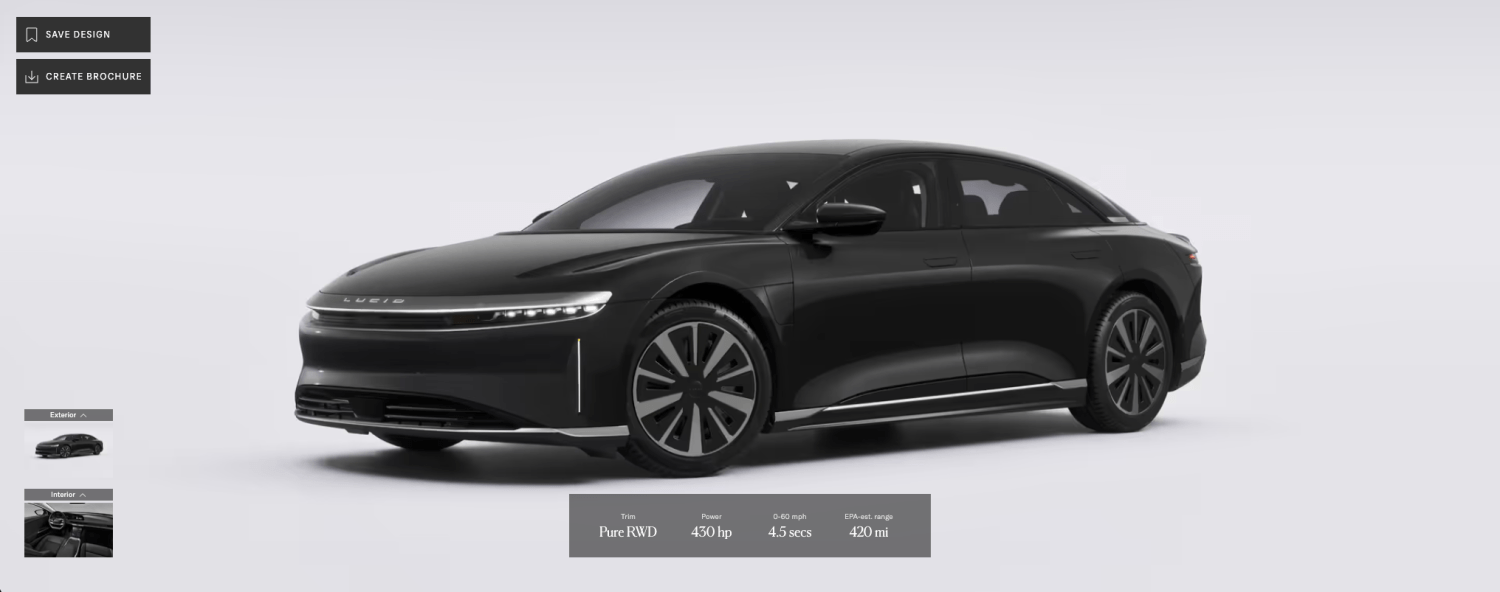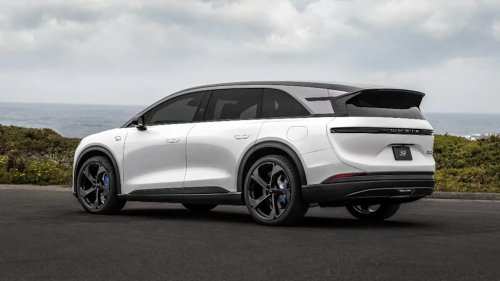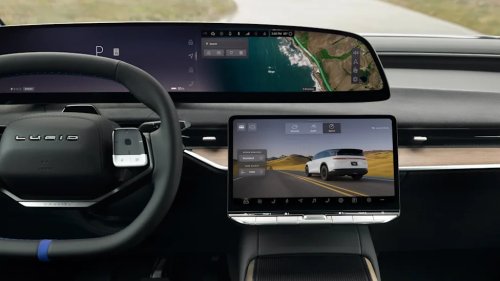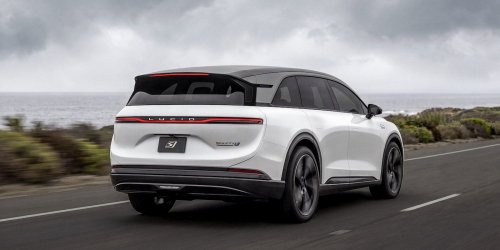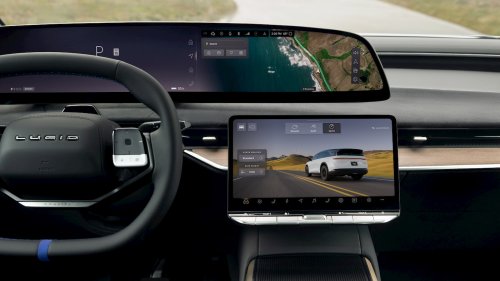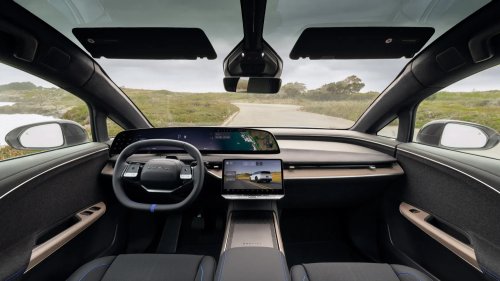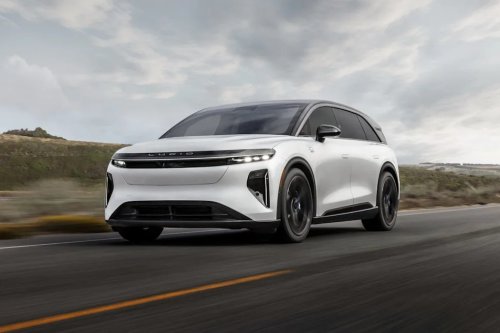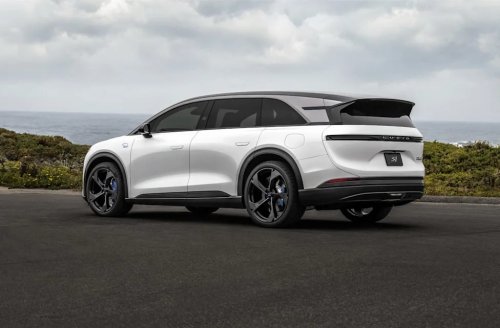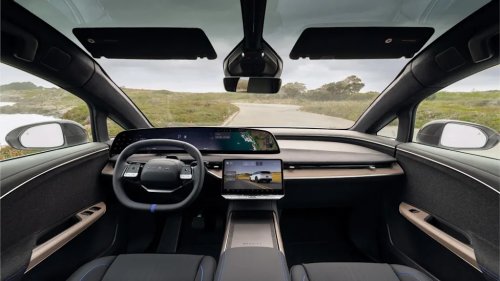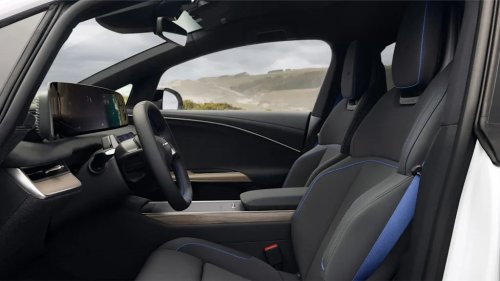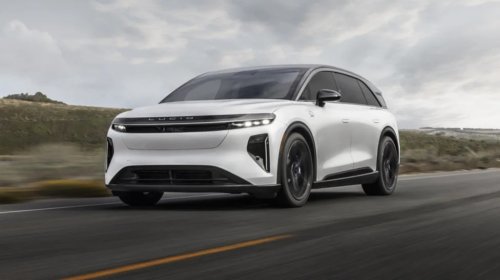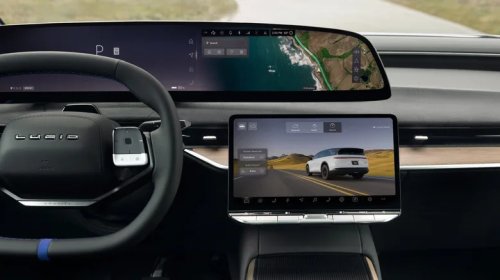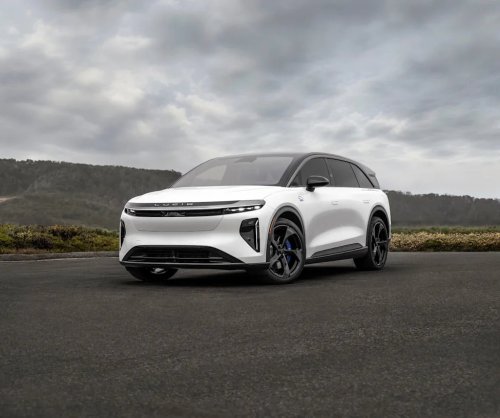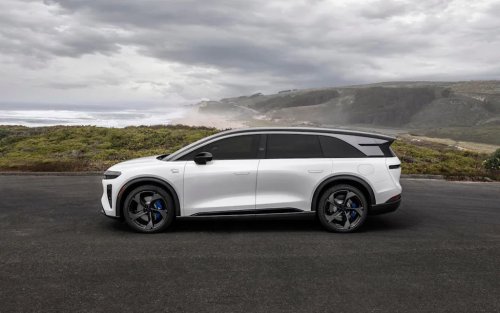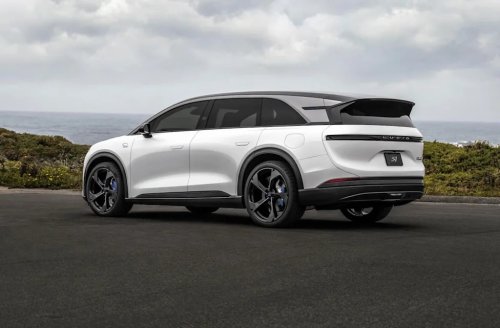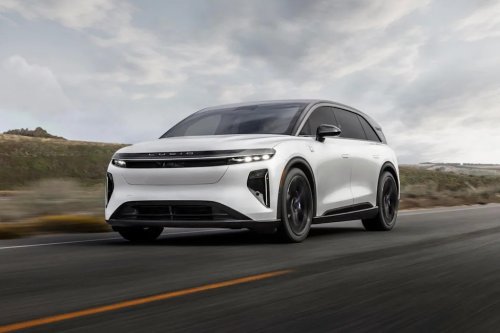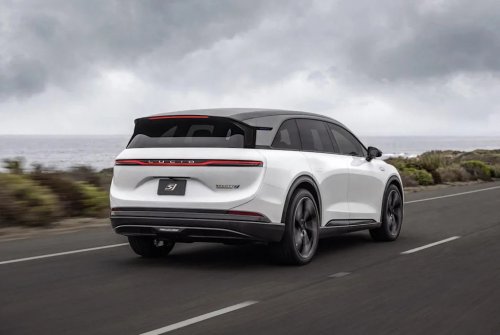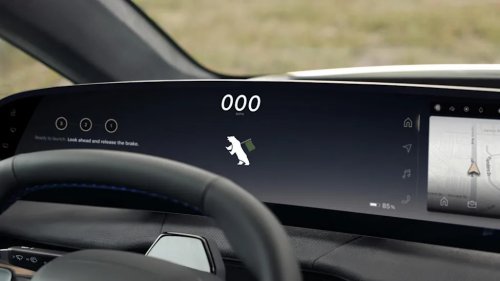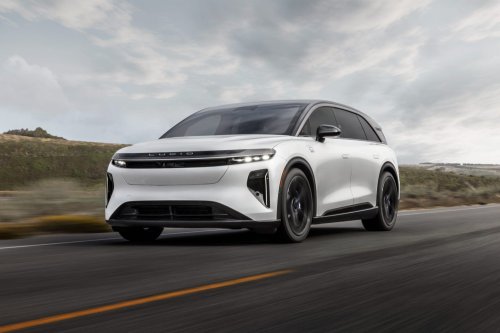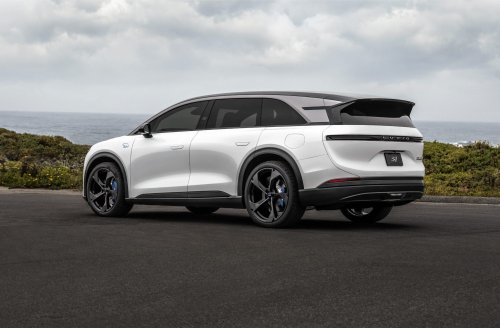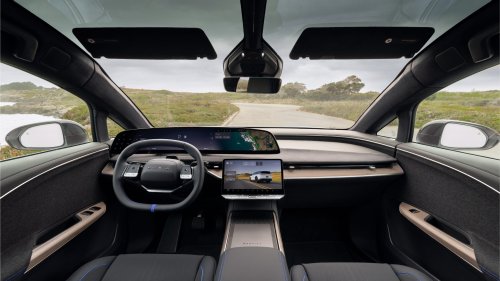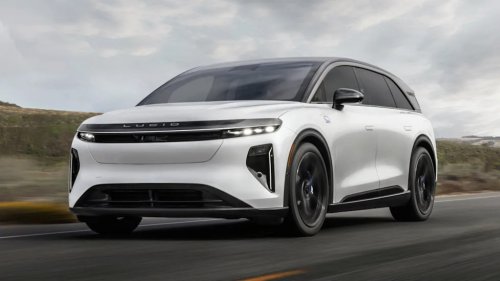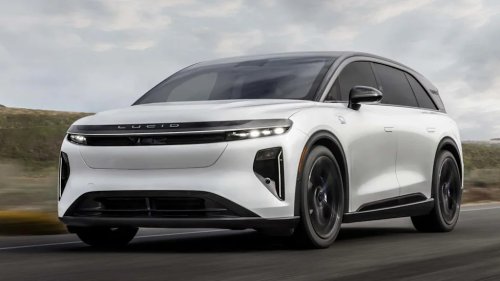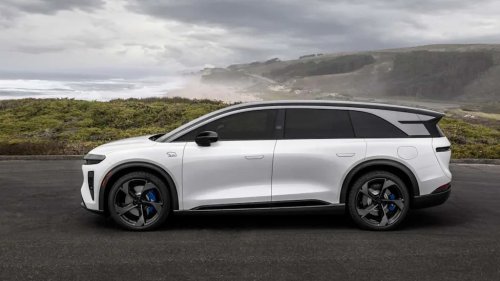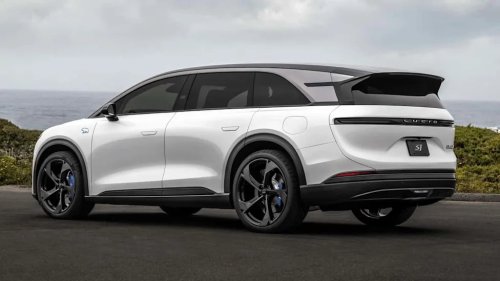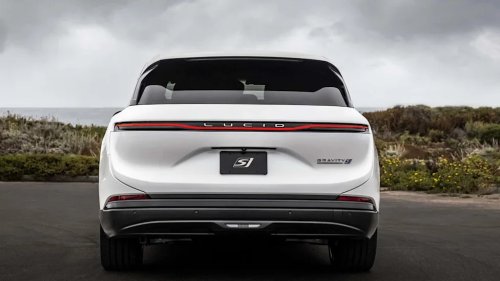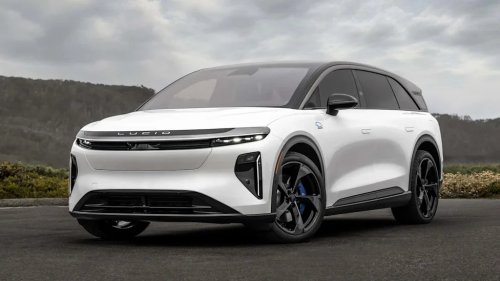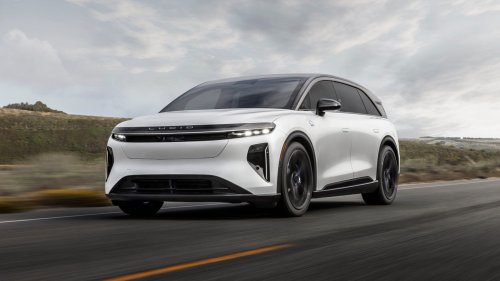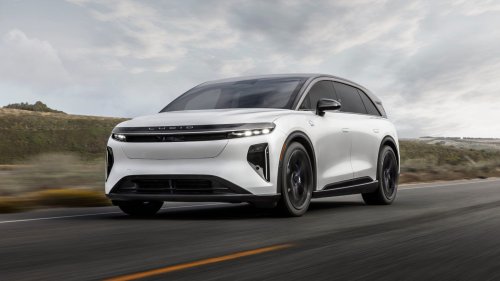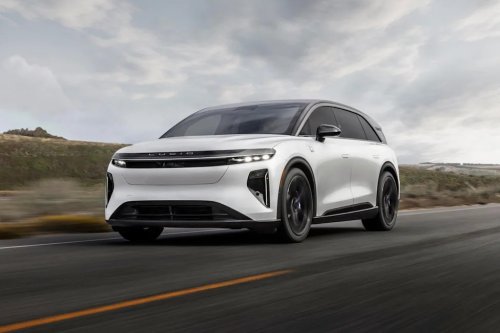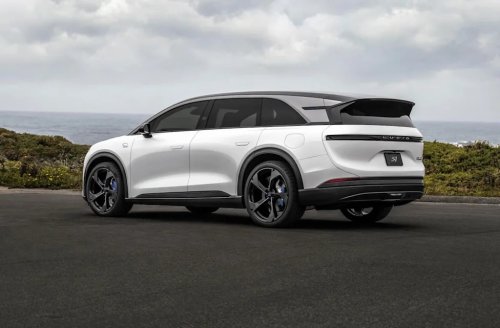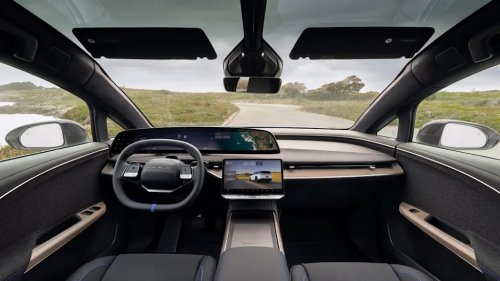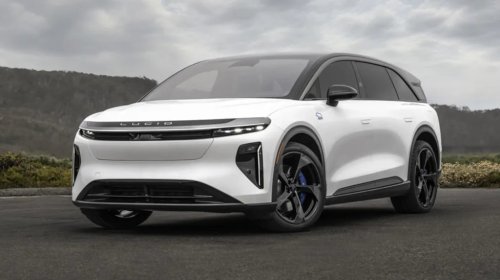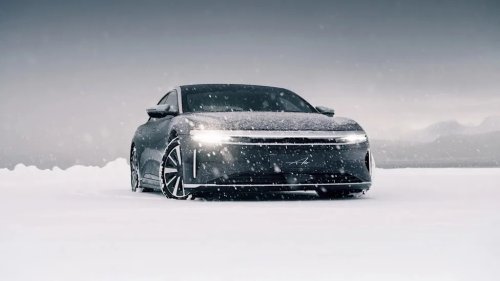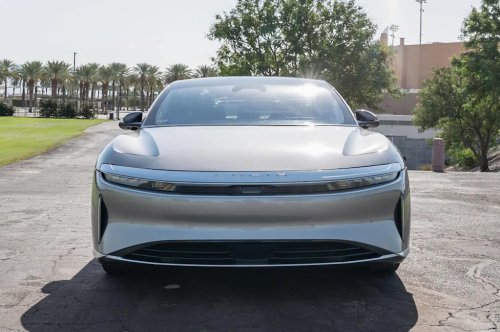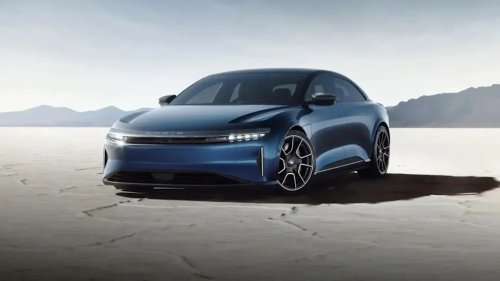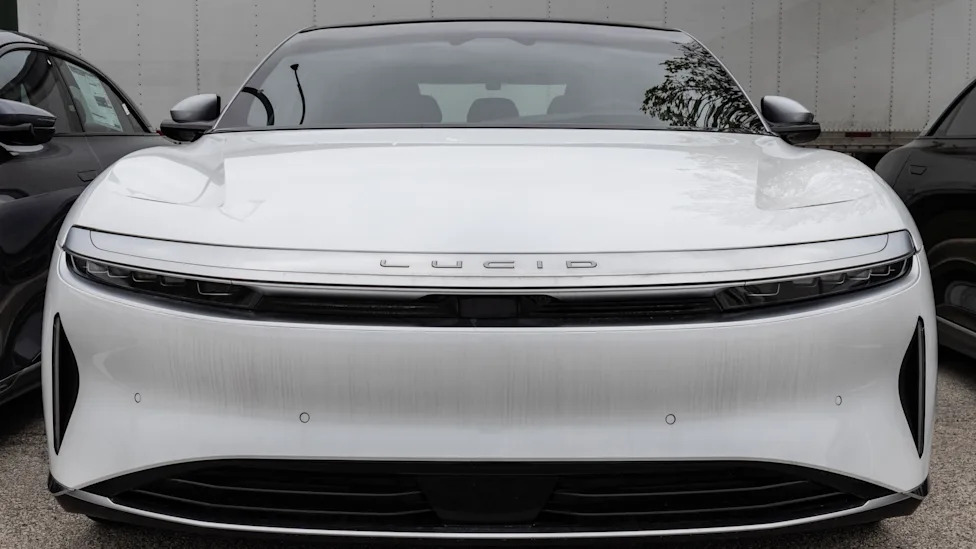
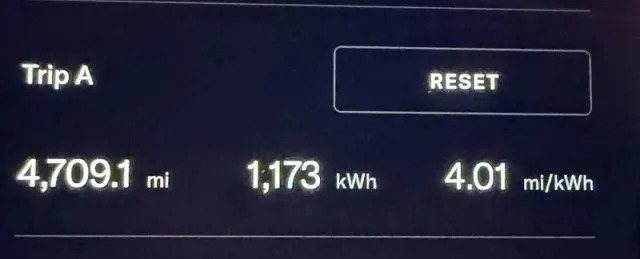





















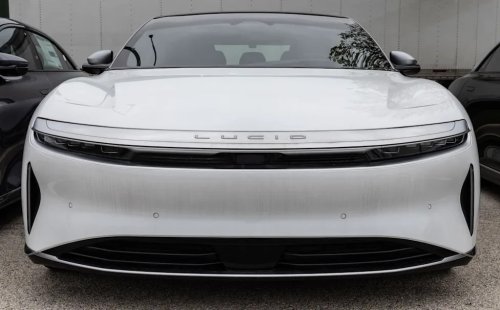
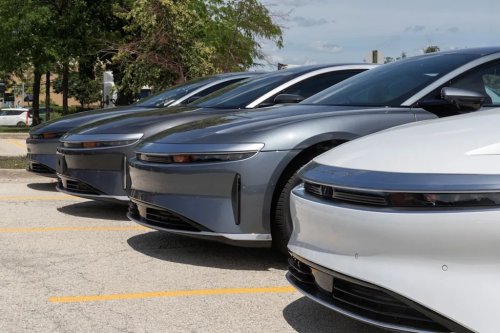
Photo Credit: iStockOne Lucid Air owner's 4,709-mile drive through 11 states over the course of a month offers a real-world answer to a question many electric vehicle shoppers still wrestle with: Can an EV handle serious road-trip duty without turning travel into a hassle?The route included a trip across the Mackinac Bridge into Michigan's Upper Peninsula and even a solar top-off on Minnesota's Gunflint Trail."This just works," the driver said in a Reddit post.What happened?The trip was outlined in the r/electricvehicles forum, where the poster said they took a 2025 Lucid Air Pure on a road trip that included 20 fast-charging stops.Photo Credit: RedditPhoto Credit: RedditThose charging sessions were spread across Electrify America, Tesla Superchargers, Applegreen, Hyundai dealerships, and GM stations, and the driver said only one stop involved any wait at all — about 20 minutes.AdvertisementAdvertisementThey added that every charger they used offered tap-to-pay by card, and they said they "didn't hit a single bad charger."The car averaged roughly 4.01 miles per kWh, while the typical price paid for charging was about 47 cents per kWh.Once charging losses were factored in, the driver calculated that traveling 32 miles worked out to about $4.24, slightly above what a comparable gas-powered Toyota Crown Platinum would cost at current fuel prices."Wow. You should have a YouTube channel or something," one commenter wrote. "4700 miles road trip across 11 states in an EV would be an absolute banger of a video."Why does it matter?For many drivers, range anxiety and charging reliability remain major barriers to considering an EV. AdvertisementAdvertisementThe owner said the trip underscored two realities: fast charging "still costs more than gas" in this scenario, and real highway distance between charging stops was closer to about 200 miles than the Lucid Air's 420-mile EPA rating.They also highlighted the car's quiet highway ride, quick responsiveness, and extra cargo room as meaningful benefits over long distances.What can I do?While this driver found DC fast charging slightly pricier than gas, many EV owners keep overall costs down by charging mostly at home or at slower, cheaper Level 2 stations, relying on fast chargers only when necessary.The Redditor said the built-in navigation usually provided dependable arrival charge estimates, even if the EPA-style range display was less helpful.AdvertisementAdvertisementWith more fast chargers being installed and payment getting easier, extended EV travel is starting to feel less like a test case and more like a regular road trip option."Drive as far as you want," the driver wrote. "Drive as far away from civilization as you want. EVs can do that."One commenter said, "Just wanted to say hell yeah for driving the UP of Michigan. Beautiful country up there and not an abundance of chargers."Get TCD's free newsletters for easy tips, smart advice, and a chance to earn $5,000 toward home upgrades. To see more stories like this one, change your Google preferences here.