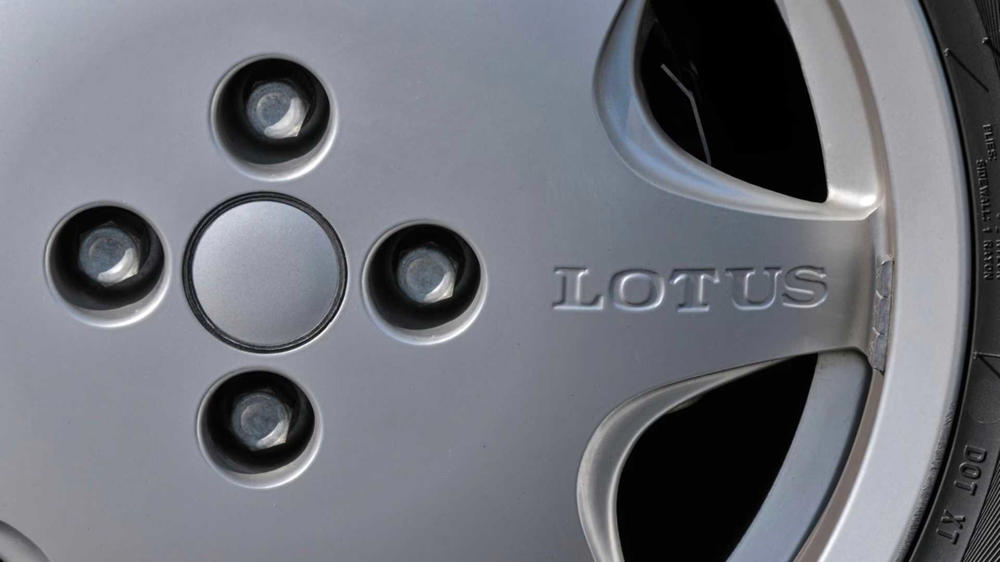
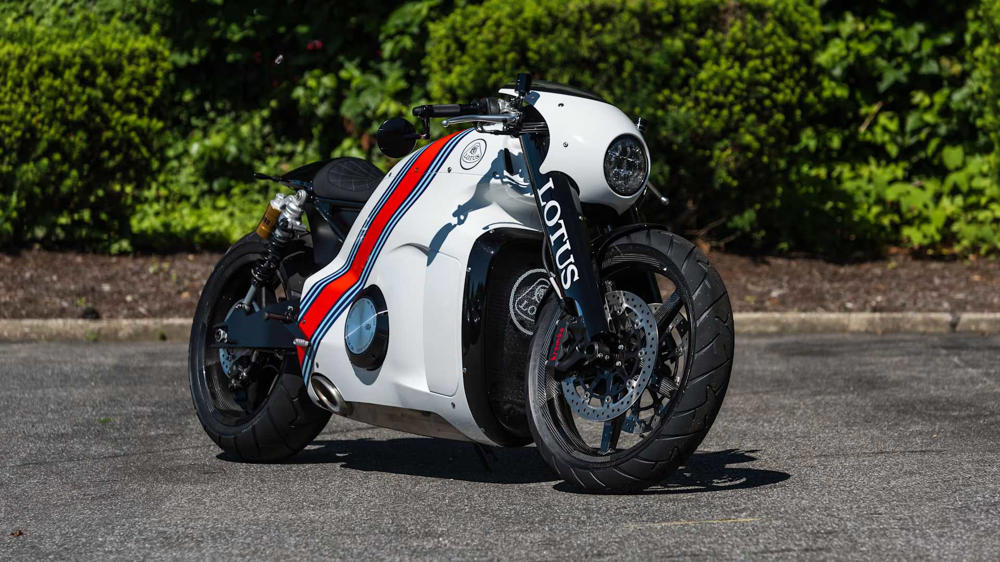
Lotus Cars built its reputation on lightweight sports cars, sharp handling, and racing success. So when its famous badge appeared on a radical motorcycle in 2014, people expected something special. The machine promised nearly 200 horsepower, exotic materials, and performance worthy of the British marque. However, its unusual proportions raised questions about whether it could deliver the agility associated with Lotus. Its striking bodywork also concealed a surprising engineering story. A Lotus Badge Comes With Serious Performance Expectations Few automotive names carry the same expectations for handling as Lotus. Founder Colin Chapman built his reputation around lightweight engineering, proving that reduced weight and clever chassis design could overcome raw horsepower. That philosophy helped Lotus succeed in Formula One and produce agile road cars such as the Seven and Elise. Those principles matter even more on motorcycles, where weight distribution, steering geometry, and chassis behavior directly affect cornering. A small change can transform how a bike responds to its rider. So when a radical Lotus-branded motorcycle emerged in 2014, promising superbike-level performance and serious exclusivity, enthusiasts had every reason to expect something special. The Stunning Design Concealed An Unusual Engineering Compromise The motorcycle looked unlike anything in a conventional superbike showroom. Sweeping carbon-fiber bodywork covered much of its mechanical hardware, creating smooth surfaces inspired by historic Formula One machinery. Its sculpted nose, broad middle section, and narrow tail gave it a futuristic appearance, almost like a vintage Grand Prix racer redesigned for the next century. However, its proportions raised questions. An extended wheelbase, stretched front end, and exceptionally low seat made it resemble a futuristic power cruiser. Such geometry generally favors stability over quick directional changes, creating an unusual match for an engine promising superbike-level power. The design certainly grabbed attention, but could something this dramatic deliver the handling that performance enthusiasts expected? The Lotus C-01 Was Actually A German-Built Motorcycle With KTM Power The machine was the Lotus C-01, unveiled in February 2014. Despite its famous badge, Lotus Cars neither designed nor manufactured it. German motorsport company Kodewa developed the motorcycle with the Holzer Group and involvement from chassis specialist Kalex. Group Lotus authorized the use of its name through a licensing agreement, rather than directly participating in development. Designer Daniel Simon, whose earlier work included Bugatti projects and vehicles for Tron: Legacy, shaped its extraordinary appearance. He drew inspiration from the Lotus 49 Formula One car, while historic racing liveries, including the black-and-gold John Player Special scheme, reinforced that connection. The C-01 celebrated Lotus history without coming from Lotus's own engineering department. Underneath its exotic bodywork sat a modified 1,195cc, 75-degree V-twin from the KTM RC8R superbike. The original KTM engine featured a 13.5:1 compression ratio, while the C-01's manufacturer claimed approximately 200 horsepower. A six-speed transmission sent that output to the rear wheel through a chain drive. Combined with the claimed 399-pound (181 kg) dry weight, those numbers suggested genuine superbike-level power-to-weight potential, although independent testing did not establish the advertised horsepower. The motorcycle also incorporated carbon fiber, titanium, and aerospace-grade steel, with a welded chromoly trellis frame providing its structural foundation. The team had borrowed an established engine, but it had created a very different machine around it. The biggest difference involved geometry. The C-01 had a published wheelbase of 64.7 inches (1,645 mm), compared with approximately 56.1 inches (1,425 mm) for the KTM RC8R. That nearly nine-inch difference helped explain comparisons with power cruisers such as the Ducati Diavel. A longer wheelbase generally improves straight-line stability but can make tight maneuvering less convenient. The manufacturer's specifications also listed a 54-degree fork angle, although that terminology should not automatically be confused with conventional steering rake. The contradiction was clear: the C-01 combined an aggressive superbike engine with a stretched silhouette that prioritized visual drama over traditional sportbike proportions. Did It Actually Ride Better Than Critics Expected? Surprisingly, an early riding assessment suggested that the unusual chassis worked better than expected. Motorcycle News journalist Andy Downes tested an unfaired development prototype in Germany in August 2014. Despite its long wheelbase and large front wheel, the motorcycle reportedly handled winding roads with more confidence than its appearance suggested. Downes found its biggest weakness during tight, low-speed turns, where limited steering lock and the extended chassis made maneuvering awkward. His prototype reportedly produced 175 hp, below the manufacturer's widely quoted 200-horsepower claim, but still delivered serious acceleration. The motorcycle also carried credible performance hardware, including Brembo brakes, a Sachs inverted front fork, and twin Öhlins rear shocks. These components easily explained why it could corner and stop more effectively than its cruiser-like appearance suggested. Electronic rider aids were less straightforward – contemporary reports indicated that ABS was absent, while accounts disagreed about whether traction control featured on the motorcycle. More importantly, Downes rode an unfinished development machine rather than a customer-delivered example. His assessment challenged early skepticism, but it could not establish how the finished C-01 performed over thousands of miles. The Lotus C-01 Was More Than A Rebadged KTM, But Was It Really A Lotus? Calling the C-01 a rebadged KTM ignores the work behind its unique chassis, suspension, bodywork, and riding position. Its German creators developed an original motorcycle around a proven engine, combining serious performance hardware with striking design. Production was limited to just 100 examples, positioning the C-01 as an exclusive collector's machine rather than a mainstream superbike. Its original price approached £70,000, and one black-and-gold example sold through RM Sotheby's for $228,000 in June 2024. Ultimately, the C-01 was a genuine German motorsport project wrapped in Lotus racing history. Lotus Cars played no direct role in its development, and its stretched proportions challenged the lightweight, agile philosophy associated with Colin Chapman. But its engineering deserved attention beyond the badge – the C-01 combined outstanding visual design, serious mechanical hardware, and an unconventional approach to motorcycle performance. It may never have been a true Lotus in the traditional sense, but it gave enthusiasts something far more interesting to debate than another conventional superbike. Source: Lotus, KTM, Motorcycle News

 Liked by Justin Moreau, Zoë Lee
 Liked by Justin Moreau, Zoë Lee