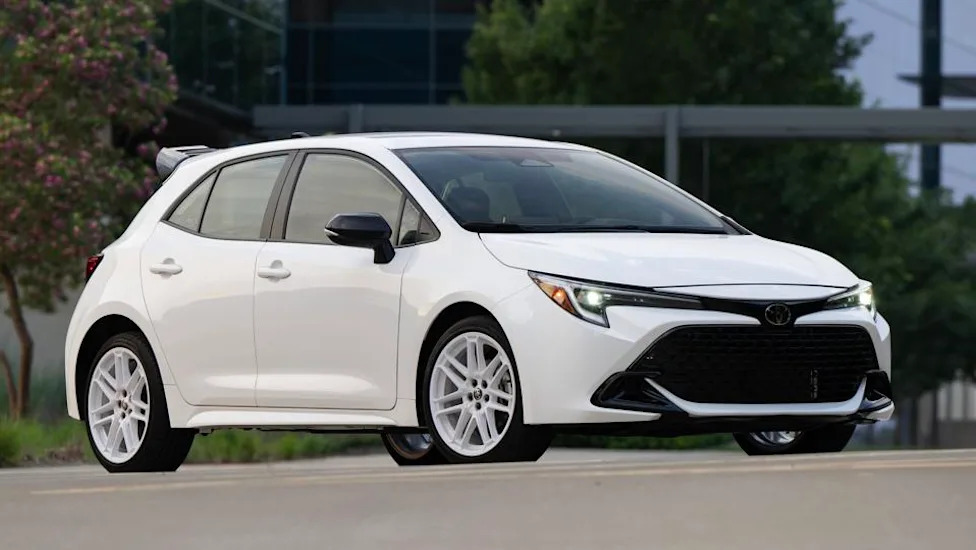
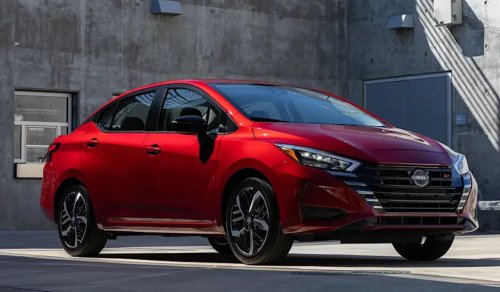
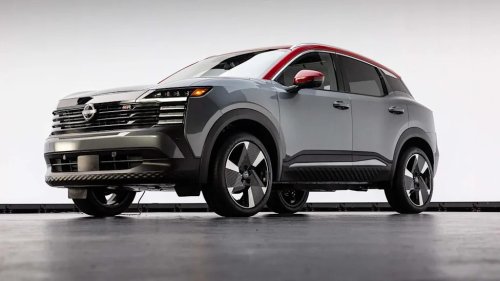
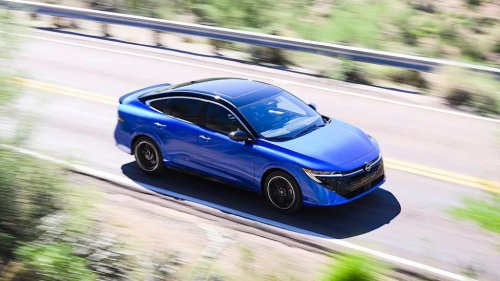
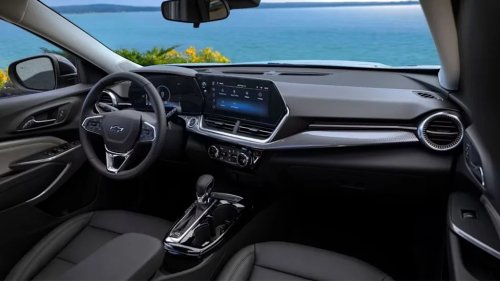
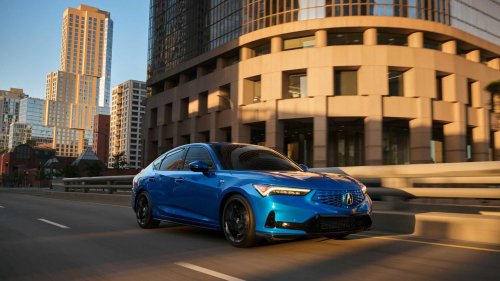
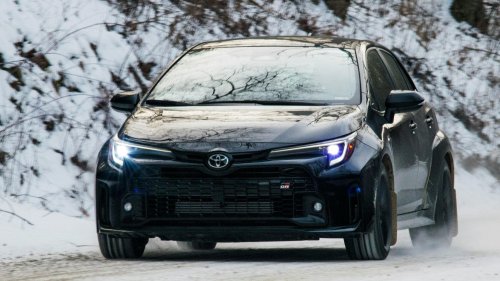
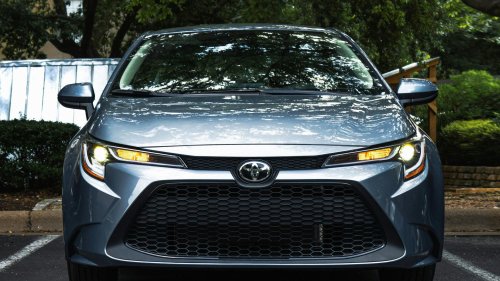
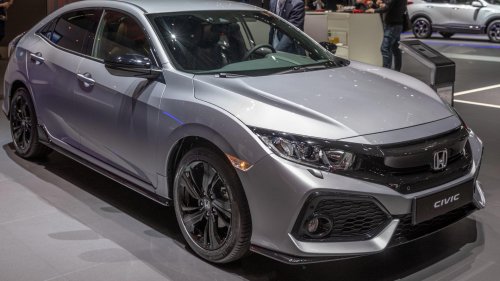
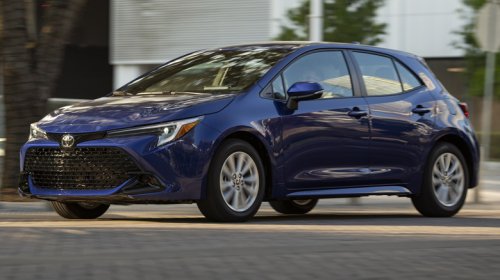
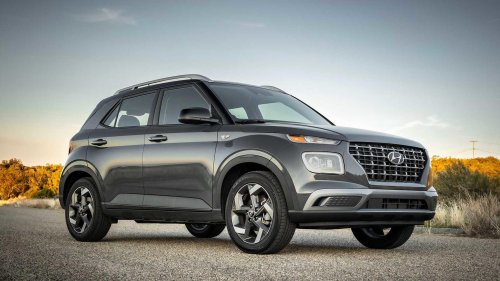
According to CarEdge.com, the Toyota Corolla hatchback has the most-affordable long-term ownership costs among all 2026 models.NATHAN LEACH-PROFFER/ToyotaLet's face it – new cars, trucks and SUVs are expensive, and with trade tariffs looming large, they could cost a lot more in the months ahead. As it is the average transaction price of a new vehicle is just north of $50,000, but that doesn't tell the whole story when it comes to auto affordability.There is, in fact, a time-honored way for buyers to wring every last penny out of their automotive investments, regardless of the up-front cost. Smart shoppers know they can save themselves thousands of dollars over a typical five-year period by choosing a vehicle that's inherently cheaper to own.That means doing due diligence to keep a watchful eye on long-term ownership factors that can make or break an owner over the long haul. These include a vehicle's depreciation (how much of its original value is lost over time), the cost of fuel, insurance premiums, ongoing maintenance expenses, and the cost of out-of-warranty repairs. Altogether, the difference between one model and another – even within the same vehicle class – can be staggering.AdvertisementAdvertisementTo help provide a head start, you'll find a list of the 10 cheapest new cars to own for 2026, based on data compiled by the automotive website CarEdge.com below.DepreciationThe largest of these expenses is depreciation, which represents how much of a vehicle's original value is lost over time. Having a higher resale value means an owner will be able to pocket additional cash down the road or make a larger down payment on his or her next vehicle. It's an especially important consideration for those shopping among costlier rides, simply because there's more money at stake to lose.According to Kelley Blue Book, a typical vehicle loses as much as 55 percent or more of its original worth after a five-year ownership period, which on a $50,000 model amounts to $27,500. Picking a model that is projected to instead hold onto 55 percent of its value after five years will yield an extra $5,000 at trade-in time.Depreciation is also a critical factor in new-vehicle leasing, as monthly payments are based on the difference between the transaction price and what the leasing company predicts the vehicle will be worth the end of the term.AdvertisementAdvertisementUnfortunately, determining what a given model will be worth at some future point is informed soothsaying at best, and a given model's ultimate resale value will depend on its mileage, location and condition. But still, it's worth checking websites like Kelley Blue Book and JD Power that maintain searchable databases of projected resale values for most new vehicles before heading to the showroom.Fuel CostsAs everyone surely knows, the conflict with Iran in general and the the Strait of Hormuz blockade in particular have had a profound effect on gas prices. As of this writing the average cost of regular-grade fuel in the U.S. is at $4.10, with premium at an even $5.00 according to the AAA. It's the most expensive in California where regular gas is at an average $5.64 with the higher grade at a steep $6.06.Aside from buying a full electric vehicle to skirt visiting a gas station altogether, it behooves new-car shoppers to compare fuel economy costs via the Environmental Protection Agency's fueleconomy.gov website. It shows estimates for all new and used vehicles, and allows users to fine tune the projections to match current local gas (and electricity) prices. According to the site, buying a model that gets 30 mpg instead of 25 mpg will save an owner that drives 15,000 miles annually an estimated $5,000 at the pump over a five-year period at today's per-gallon price.Hybrid- and plug-in hybrid-powered vehicles typically cost to least the keep fueled, with the latter type able to run on a certain number of miles solely on battery power.Insurance PremiumsPaying to insure one's vehicular investment can also be a costly proposition. While auto insurance rates are largely based on a policyholder's personal information – including one's age, gender, address, marital status, driving record and, in many states, credit rating – those looking for a new vehicle can keep their premiums affordable by choosing a make and model that's inherently cheaper to cover than others.AdvertisementAdvertisementGenerally speaking, the most-affordable models to insure are those that tend to be driven gently, get top safety ratings and are cheaper to repair should they get into a wreck. That tends to favor reasonably-priced safe and sound SUVs and minivans over costly luxury models and sports cars that practically beg to be driven aggressively. In addition, Electric cars, which carry higher-than-average sticker prices and are based around expensive battery packs, also cost more than conventional models to insure.There are any number of financial websites with which shoppers can compare average rates for models under consideration. According to one of them, Insurify.com, these are currently the least-costly vehicles to cover, with their average monthly quotes noted:Subaru Outback: $117Subaru Forester: $119Honda CR-V: $122Subaru Impreza: $129Toyota 4Runner: $131Maintenance and Repair CostsGenerally, luxury cars are far costlier to maintain and repair than mainstream-brand models, due to not only to higher-priced components, but the dealership's overhead involved in maintaining upscale waiting rooms and providing customers with beverages, snacks and expensive loaner cars.AdvertisementAdvertisementThis is why it's important to compare warranties among various brands when shopping for a new vehicle, with the longer terms the better, While three years/36,000 miles in bumper-to-bumper coverage and often five years/50,000 miles on the powertrain is common, Hyundai, Kia and Genesis models bump that up to 5-years/60,000 miles and 10 years/100,000 miles, respectively.Icing on the proverbial cake is when a brand offers free scheduled maintenance for a select period or number of visits. BMW and Hyundai, for example, provide free scheduled maintenance for three years/36,000 miles.Vehicles Having The Lowest Ownership Costs For 2026These are the 10 vehicles CarEdge.com data shows will, on average, cost the least to own for a typical five-year period. Specific costs will, of course, vary by location, the current price of fuel and other variables, but this is a good indication of which new models will be long-term money-savers:Toyota Corolla Hatchback: $30,541Hyundai Venue: $32,435Honda Civic: $32,541Subaru Impreza: $32,759Nissan Sentra: $32,875Kia K4: $33,333Nissan Versa: $33,735Toyota Camry: $34,297Toyota Corolla: $34,616Honda HR-V: $34,718AdvertisementAdvertisementSource: CarEdge.com. You can read the full report here.This article was originally published on Forbes.com