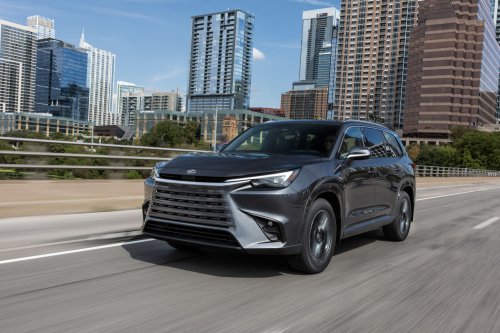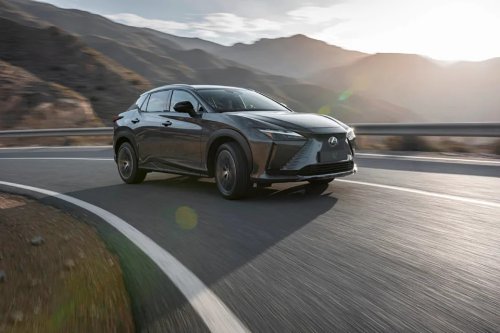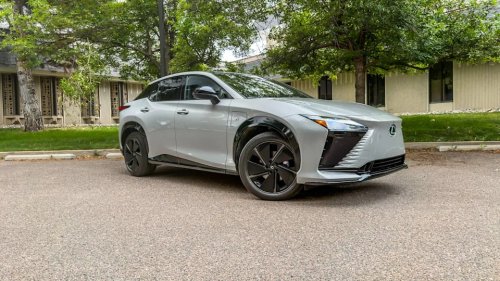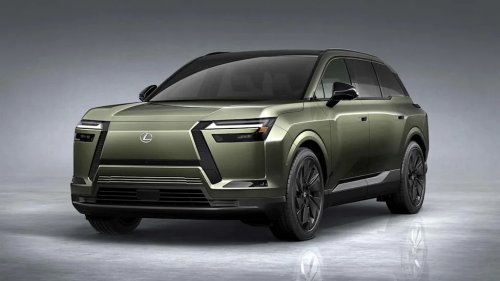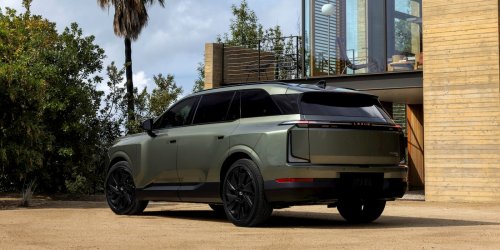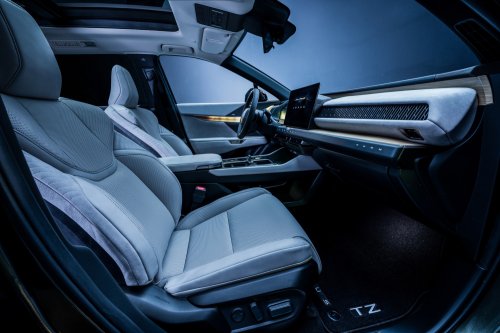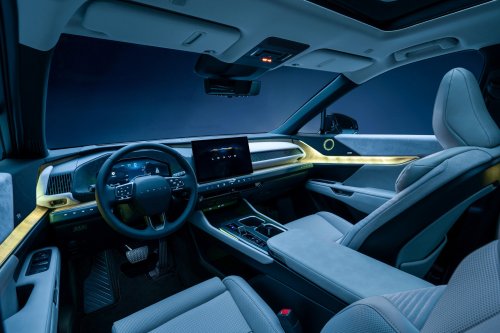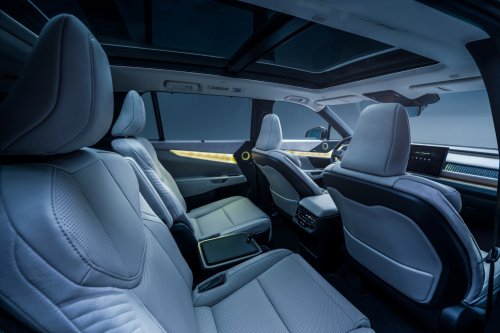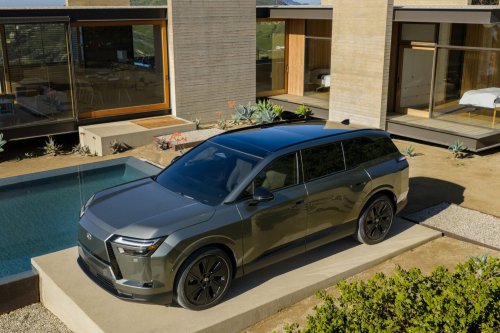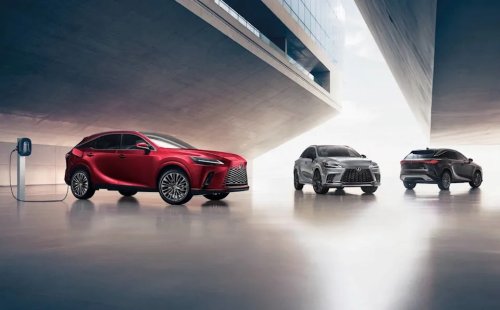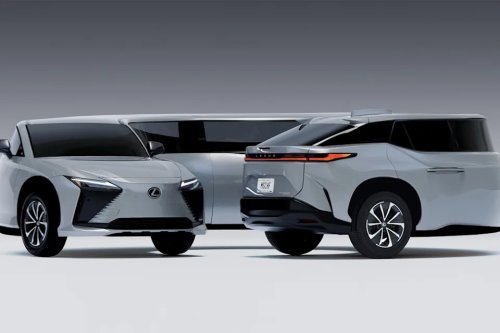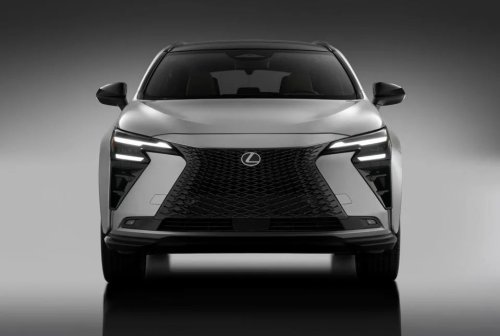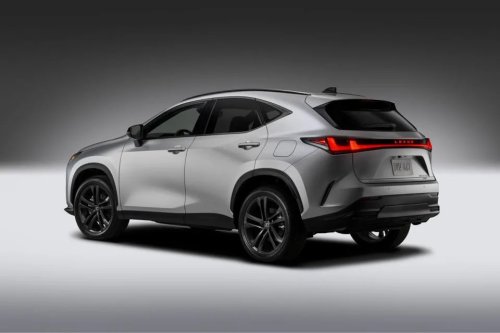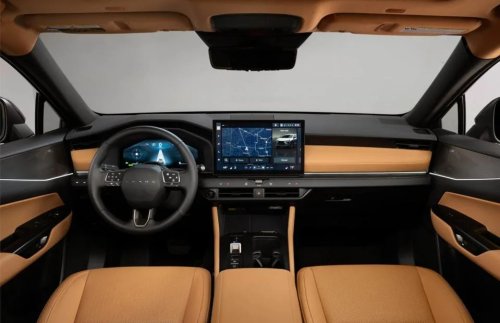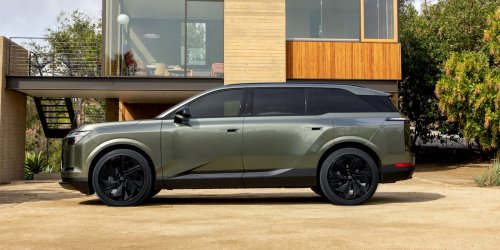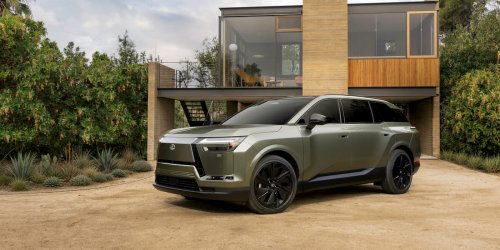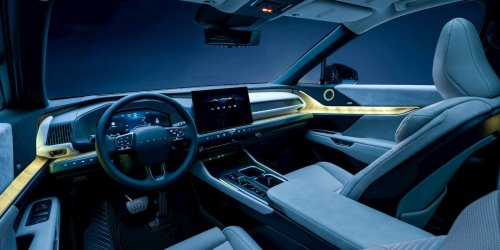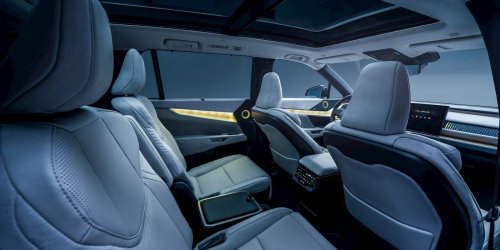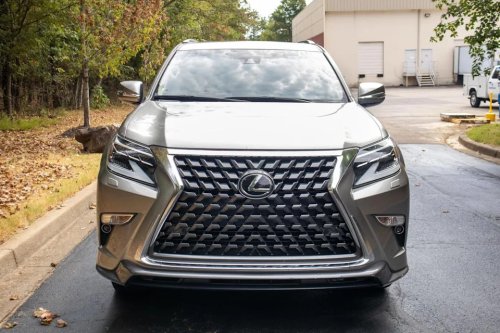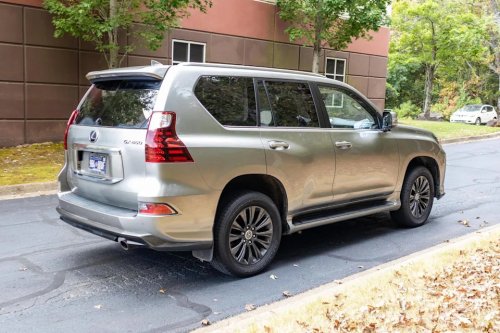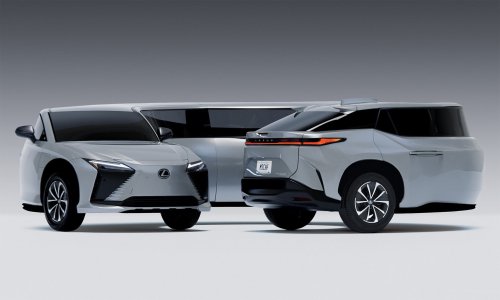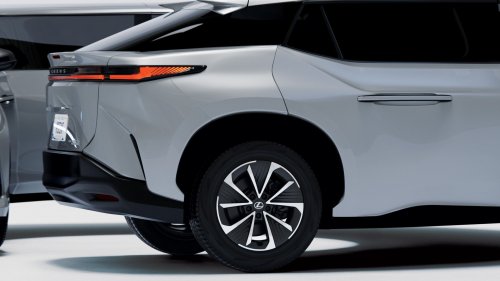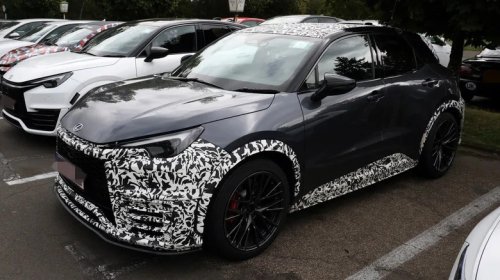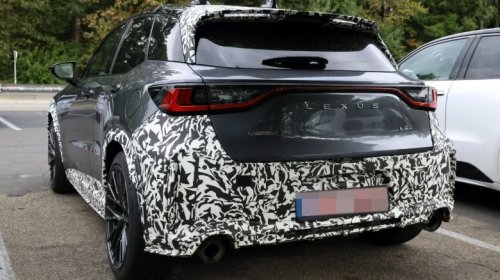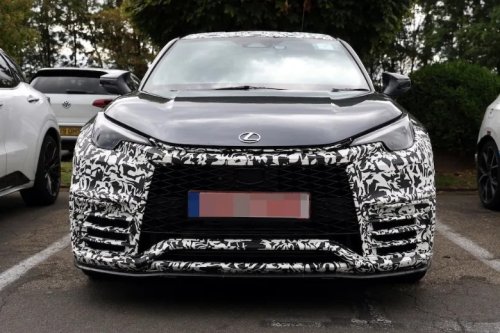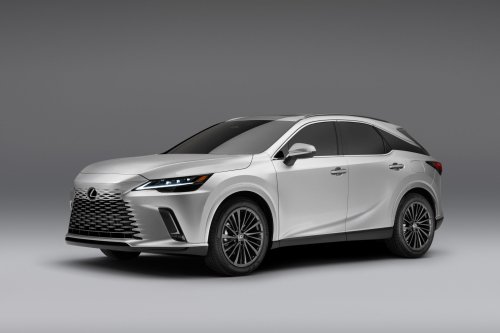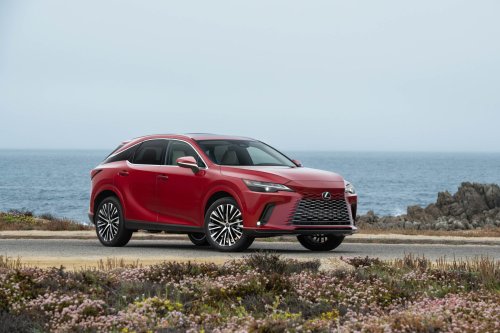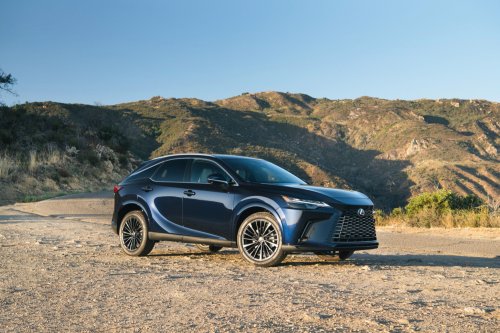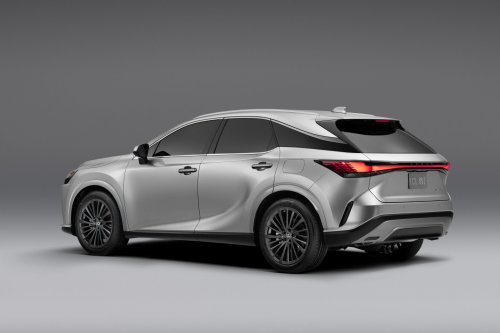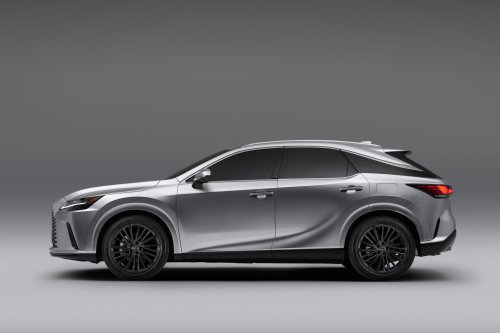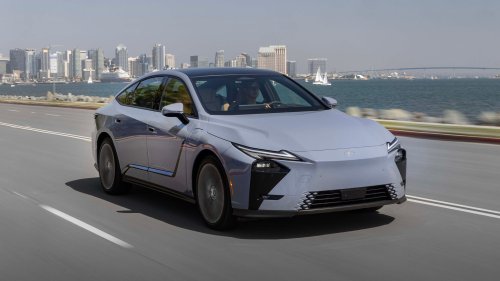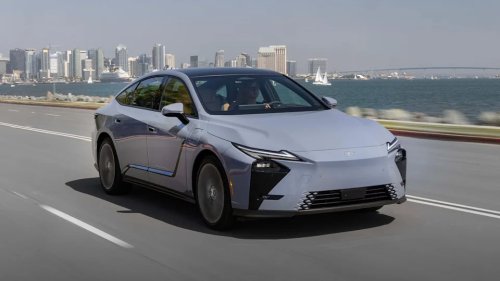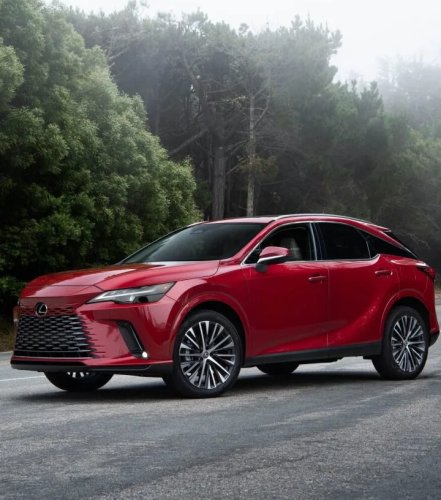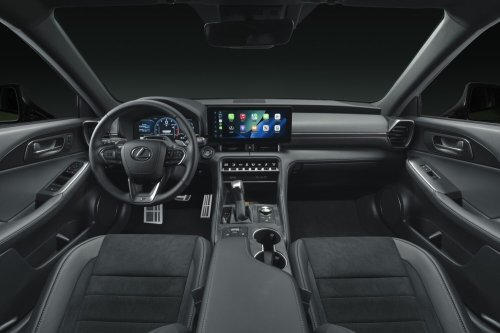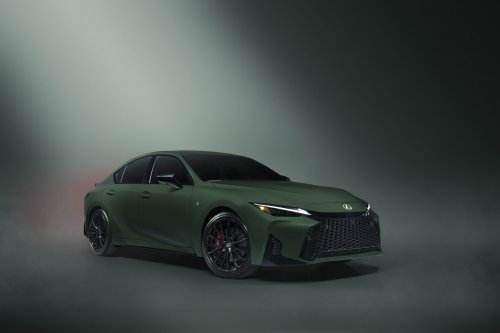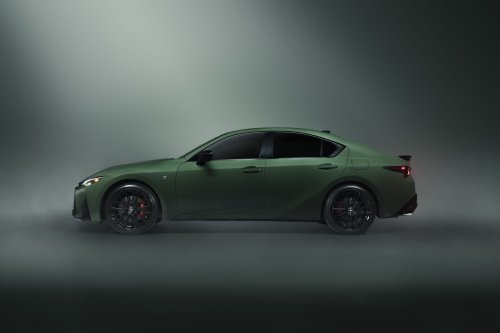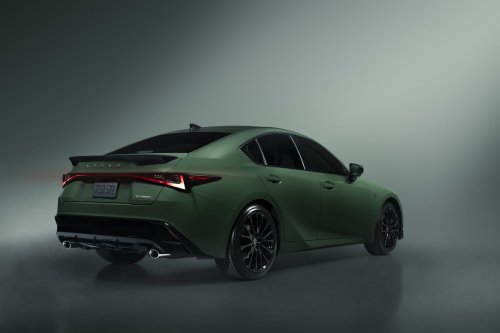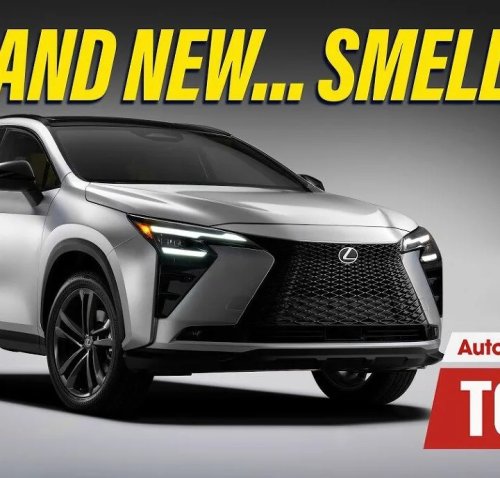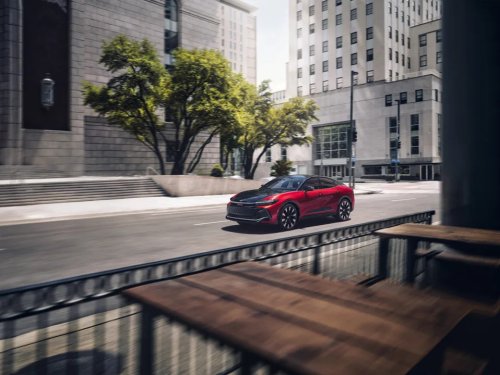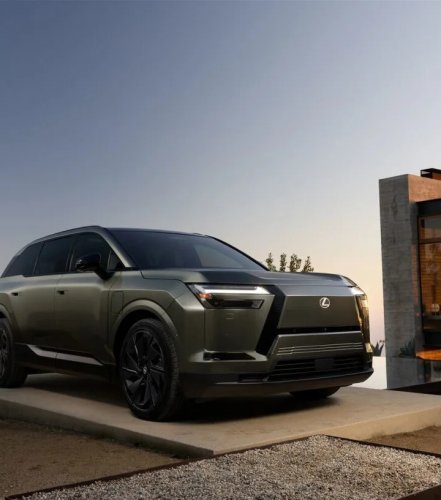
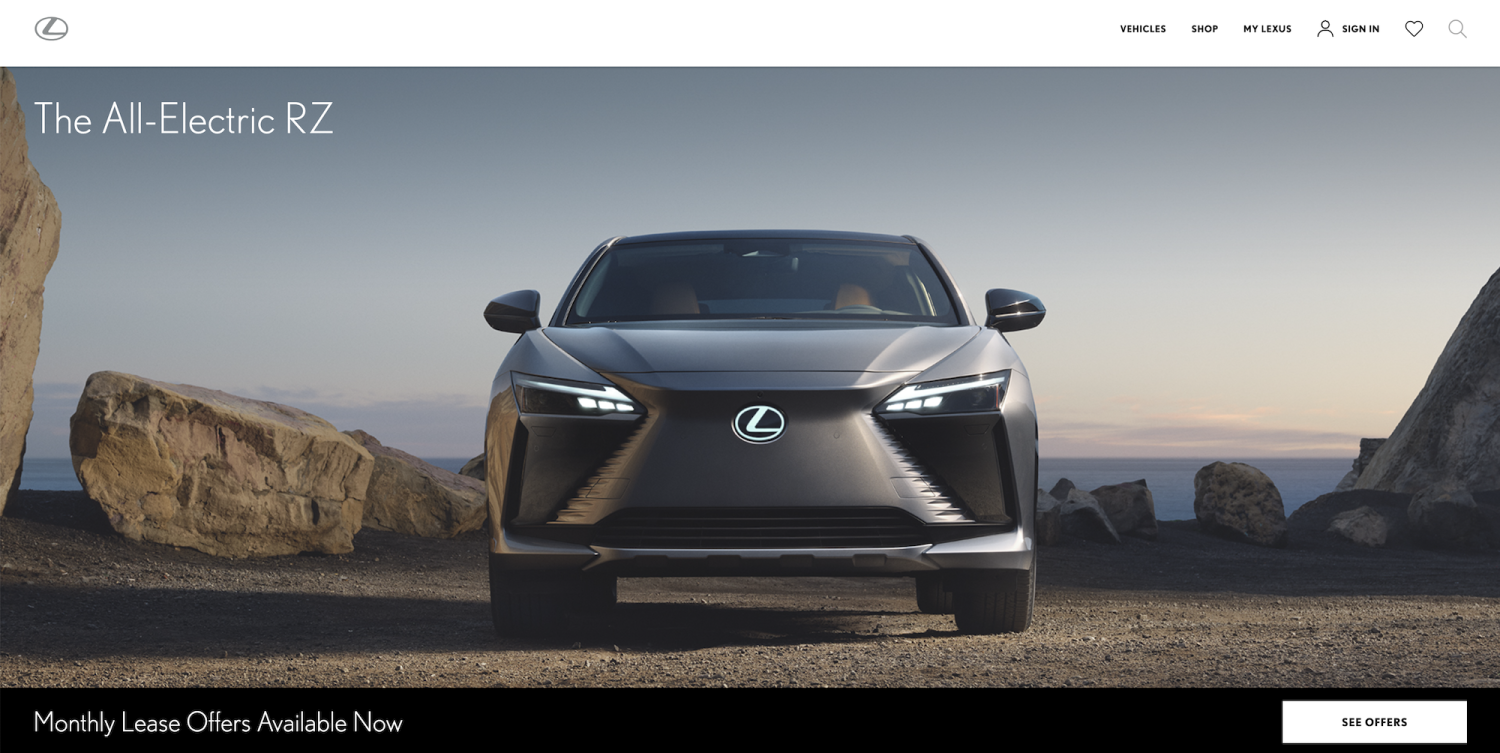



















Electric vehicle sales in the USA were not good in the first quarter of the year, down significantly from the first quarter of last year. That’s what happens when you tell people you’re going to take away a $7,500 tax credit for EVs and then take it away. I’ll get to publishing a full report on the US market later, but wanted to first highlight one interesting — and confusing — positive from the quarter. As Jake Richardson highlighted yesterday, the Toyota bZ had a surge in sales in Q1 2026. It grew from 5,610 sales in Q1 2025, its third best quarter ever in retrospect, to 10,029 sales in Q1 2026. That was a 78.8% improvement while almost every other EV had significant year-over-year sales declines. But this wasn’t the only EV model in the Toyota Motor Corporation family that bucked the negative trend! The Lexus RZ — yes, the Lexus RZ — also had a huge surge in sales. The model had its best quarter ever as well, 4,456 sales. That was 206.7% more than Q1 2025’s 1,454 sales, and a similar surge over the two quarters ending 2025. What is going on here? After years of being criticized as much as any other company — well, probably much more than any other company — for delaying on the BEV transition, Toyota Motor Corporation got its EV sales to surge in the USA when almost everyone else’s were crashing. Why? How? Naturally, one key is that Toyota and Lexus had to have the units available to deliver. Otherwise, dealers could have provided significant consumer incentives to move units. But why would Toyota be polar opposite from all of these other legacy automakers in actually moving a lot more vehicles? When you go to the Lexus website, the first thing you see is a big picture of the “The All-Electric Lexus RZ” and a note that monthly lease offers are available for it. Do Toyota and Lexus just think that now is the time to try to sell EVs to consumers? I guess so. I’m very curious to see, of course, if the Japanese brands keep this up in the second and third quarters.