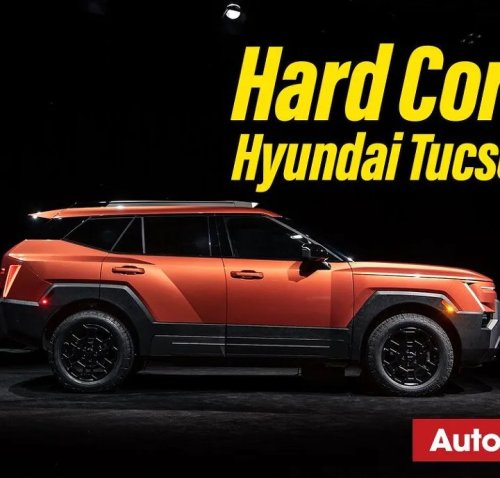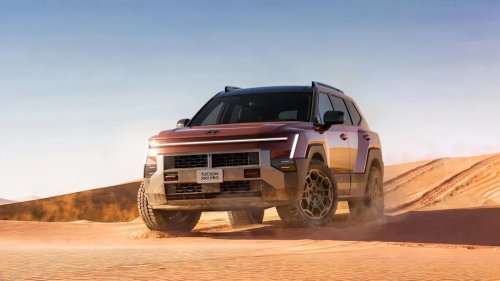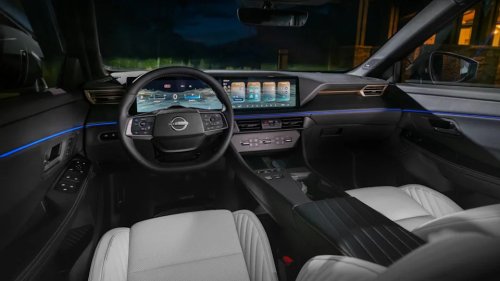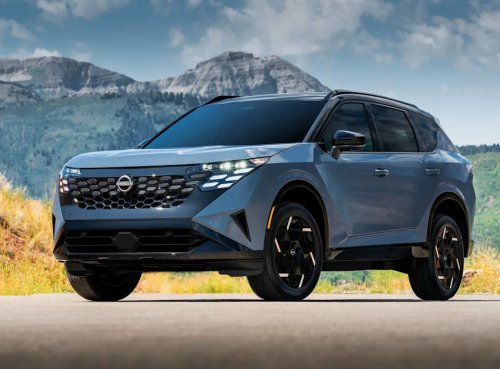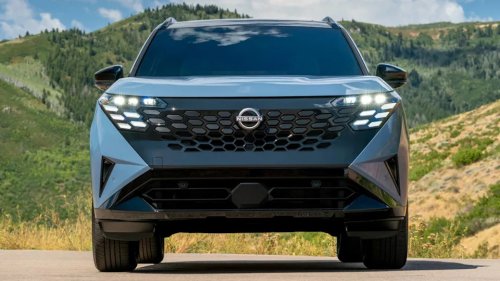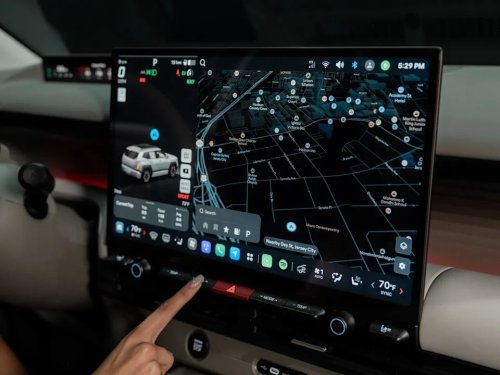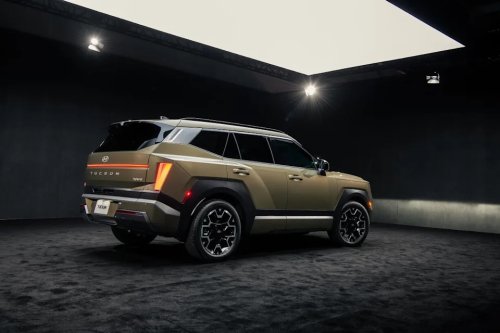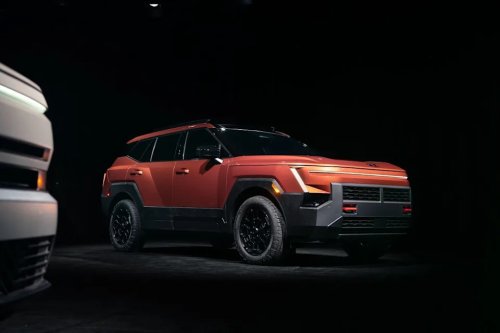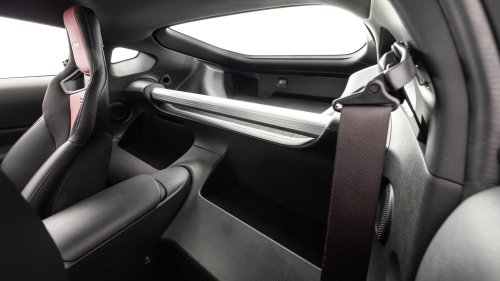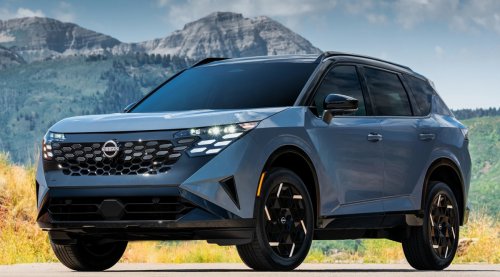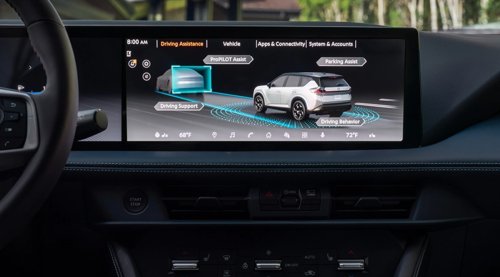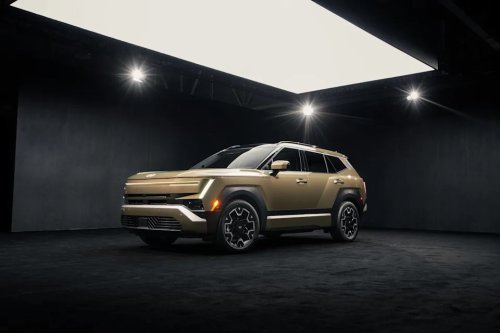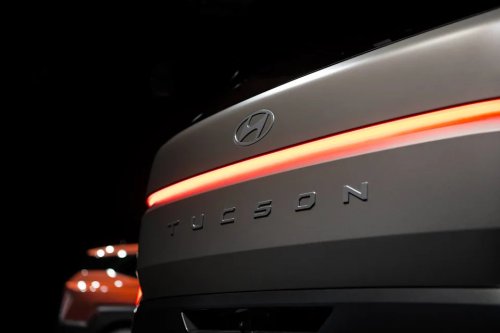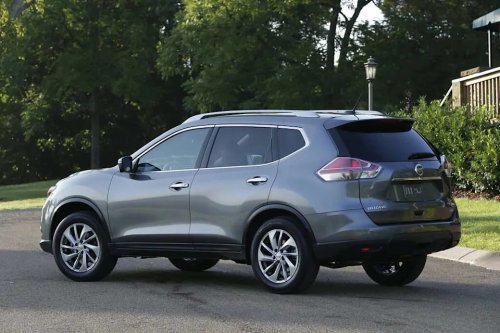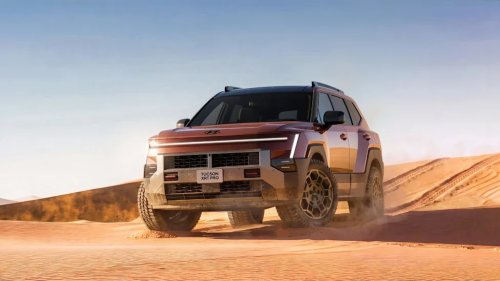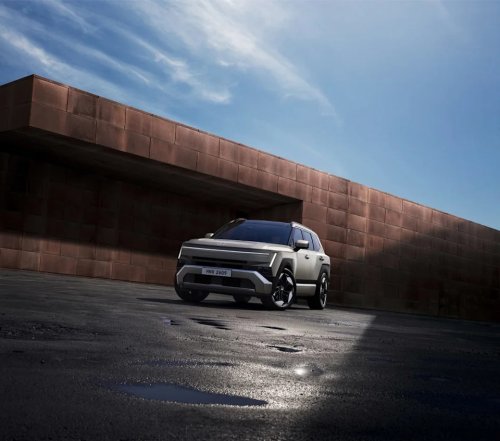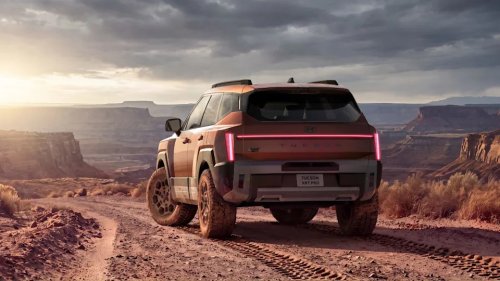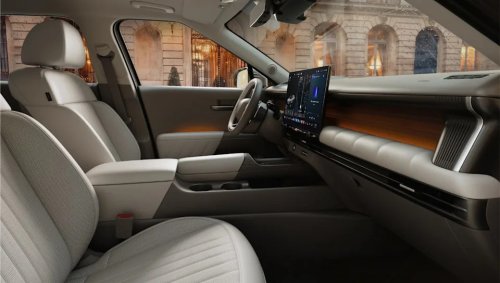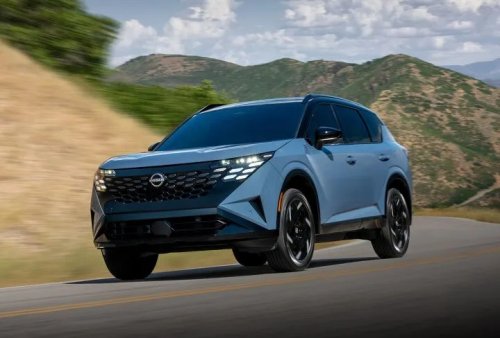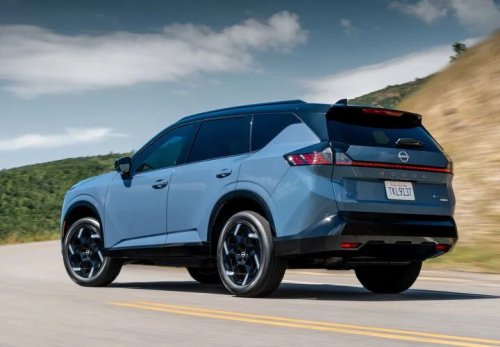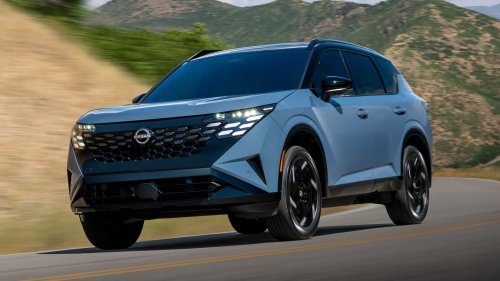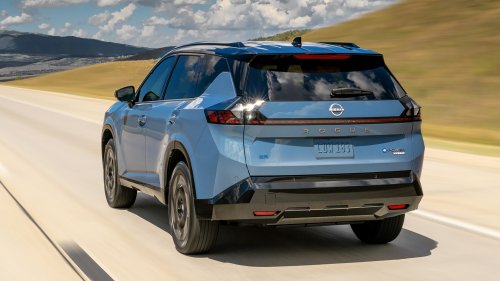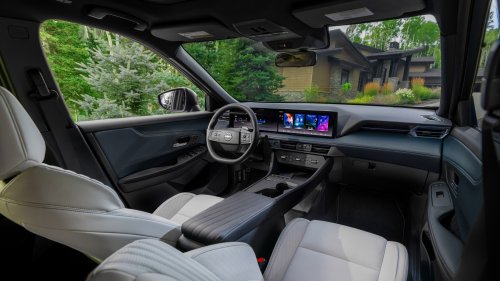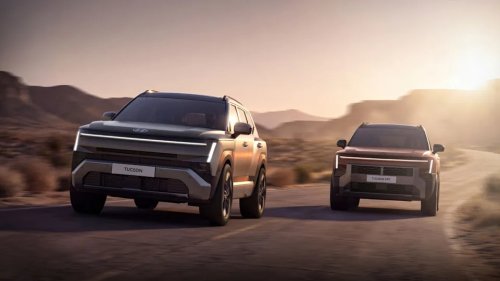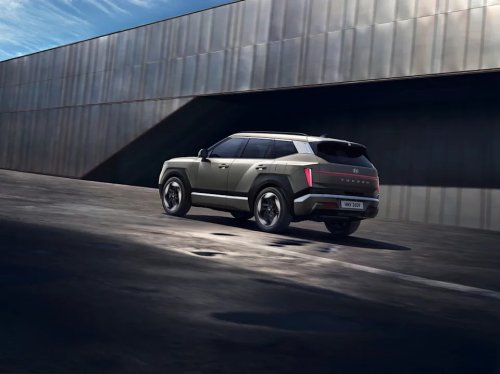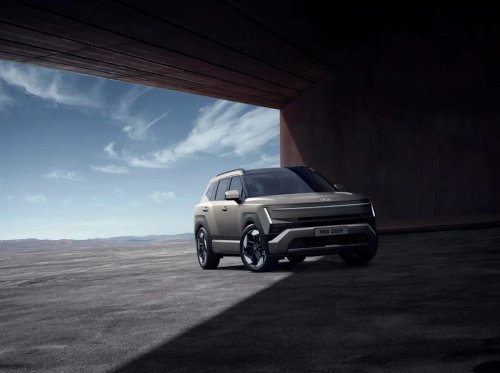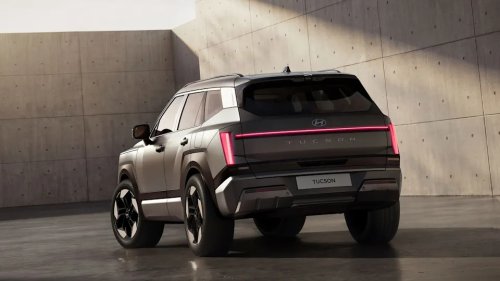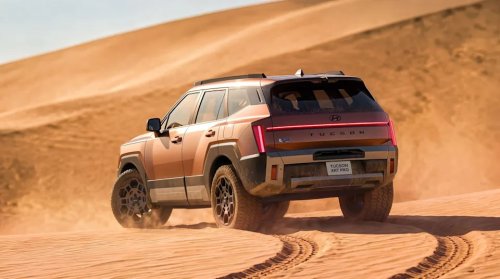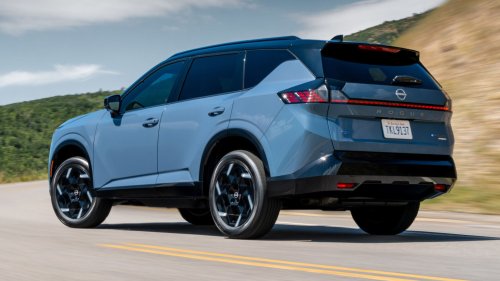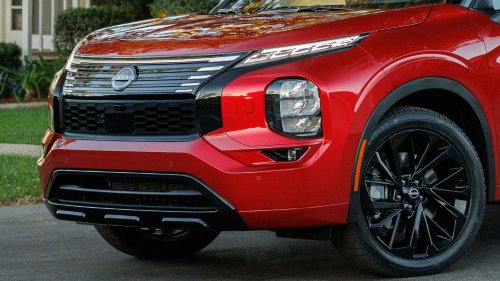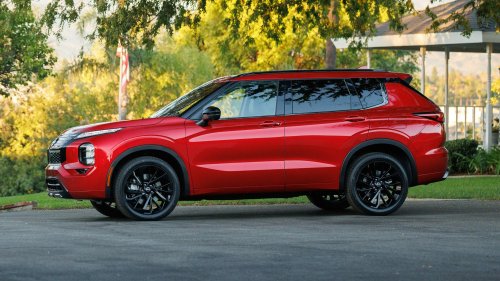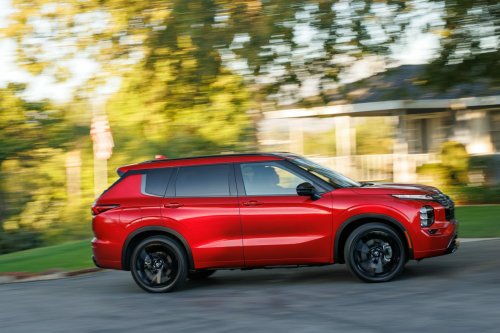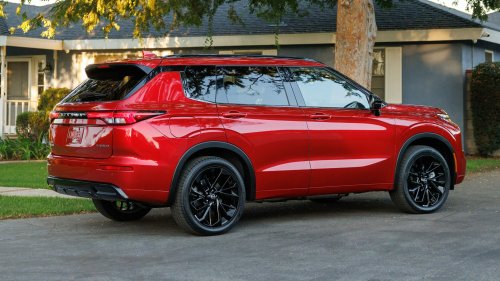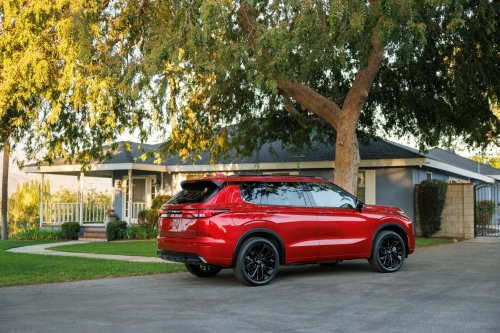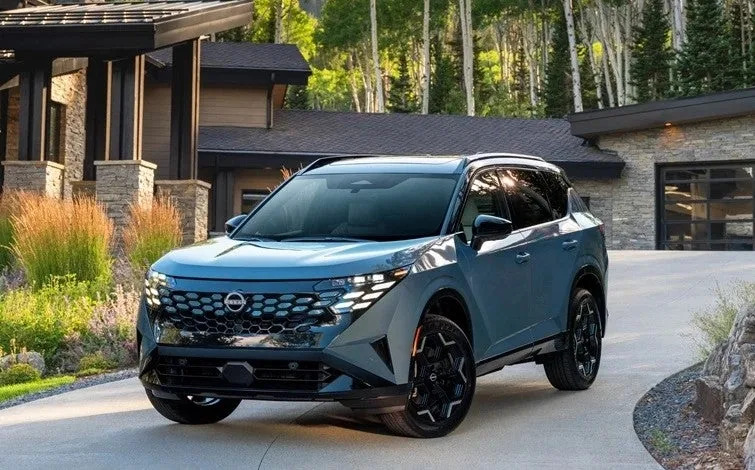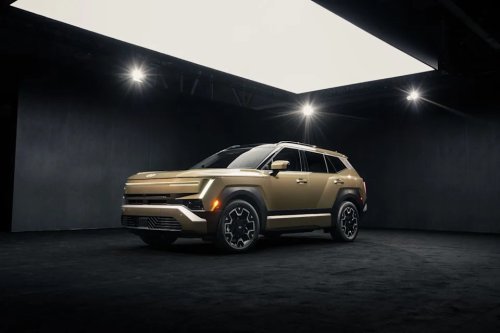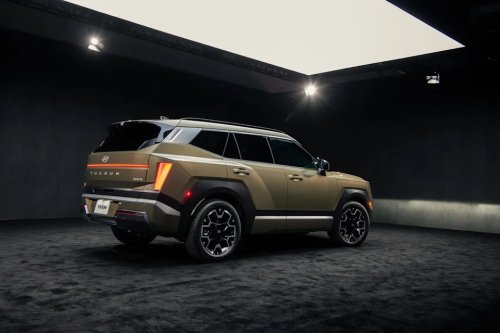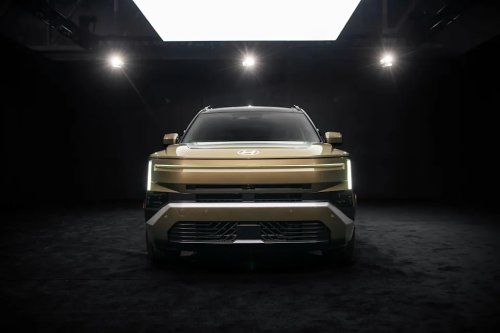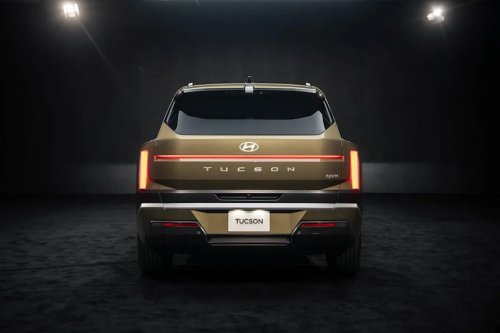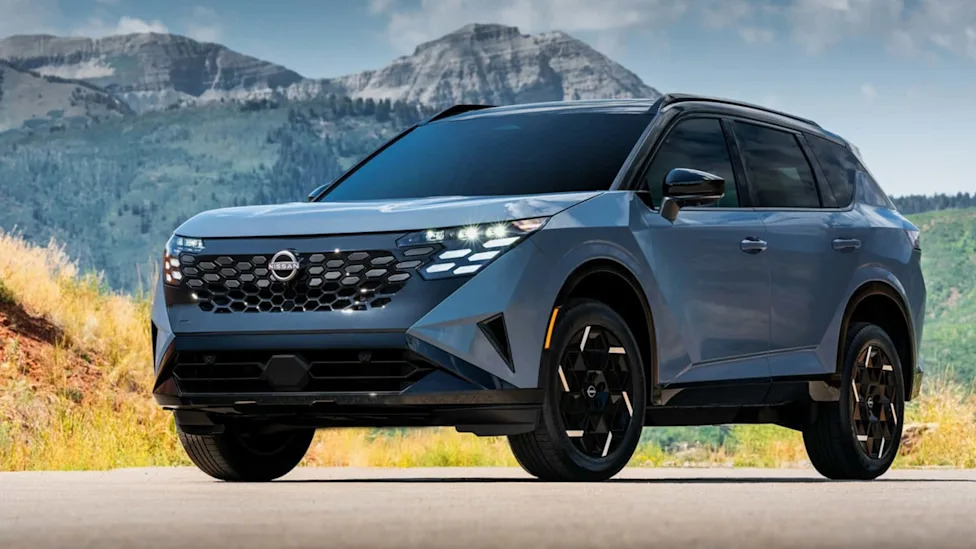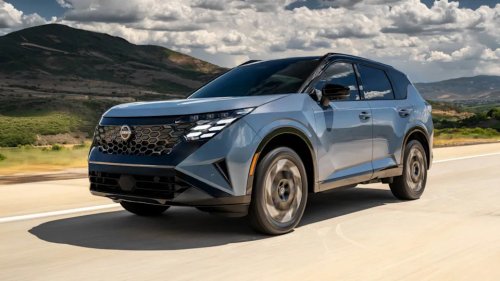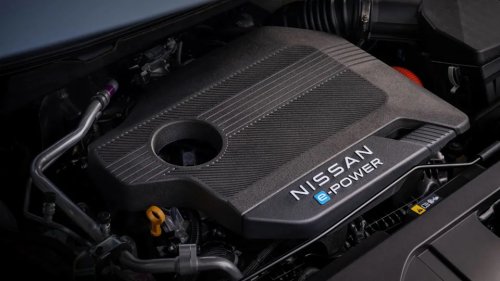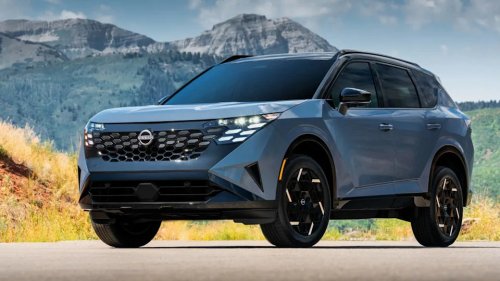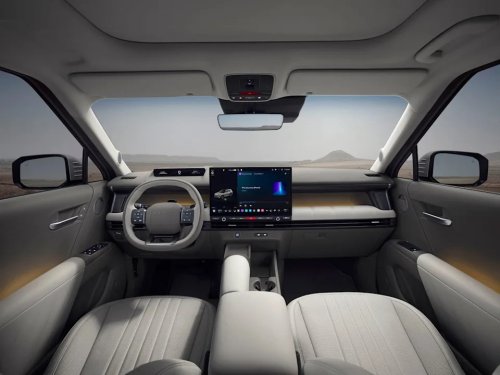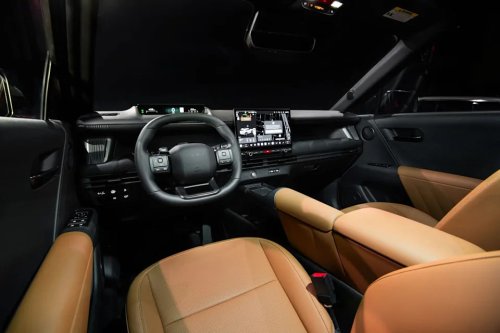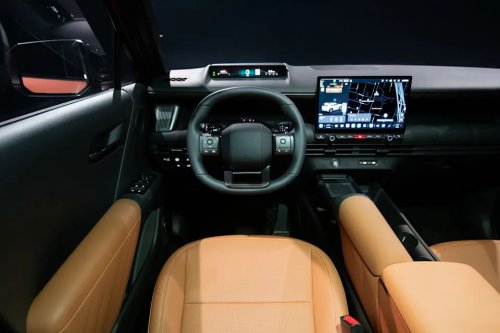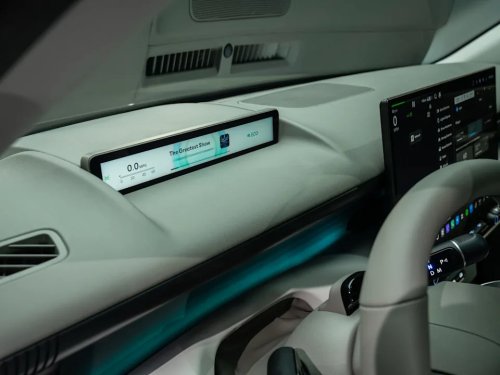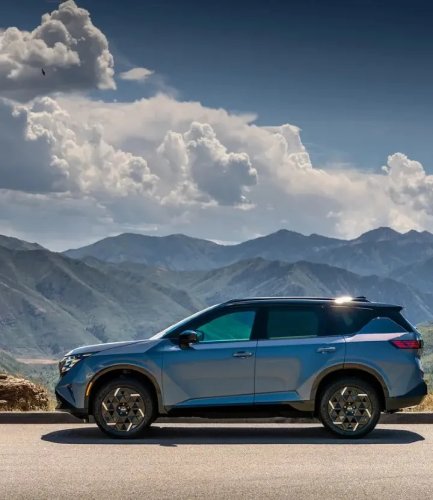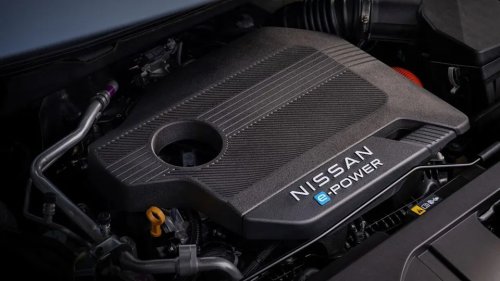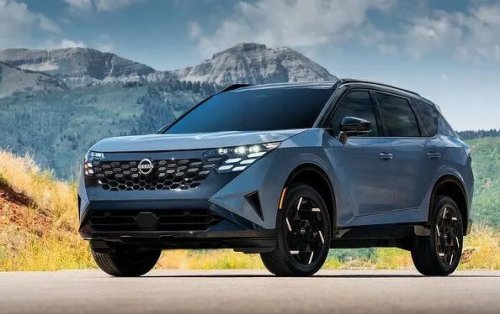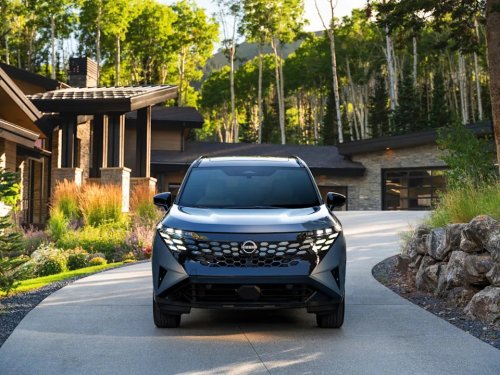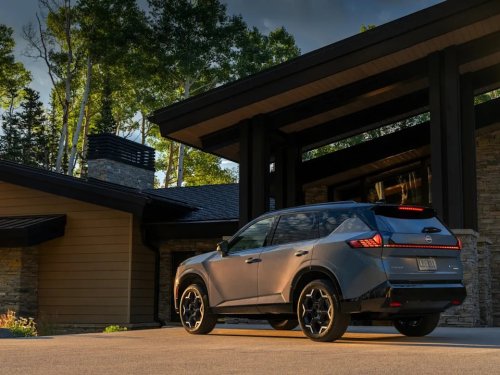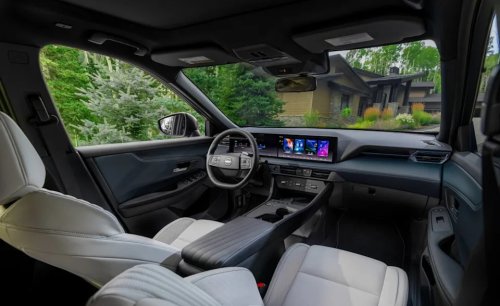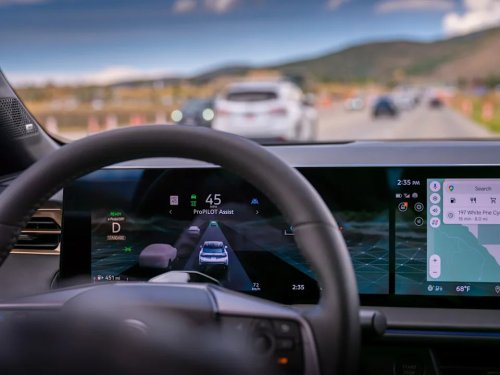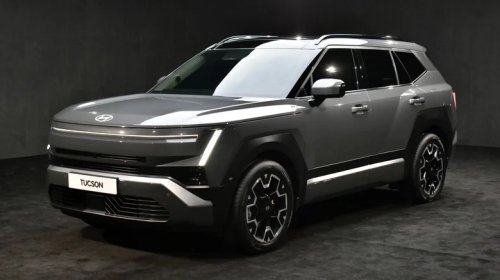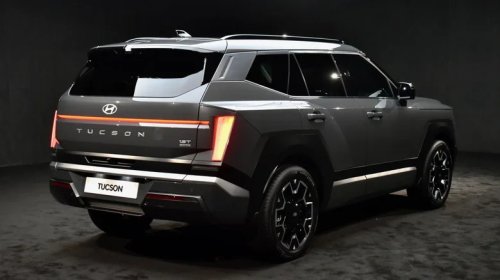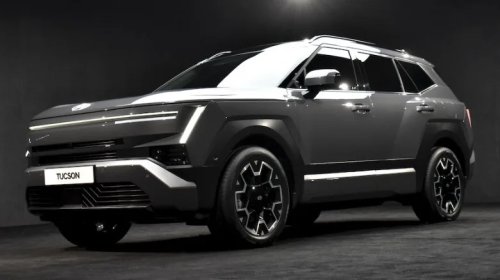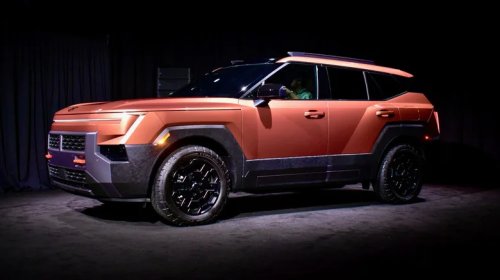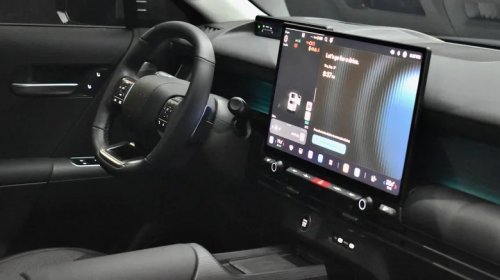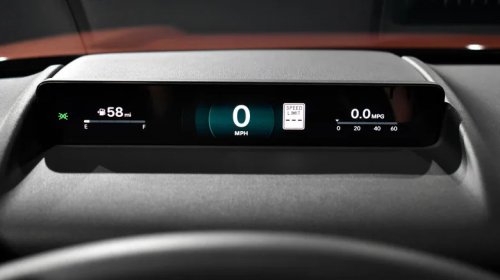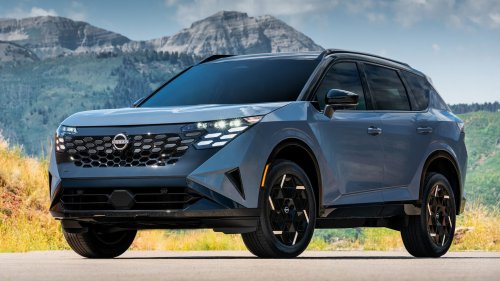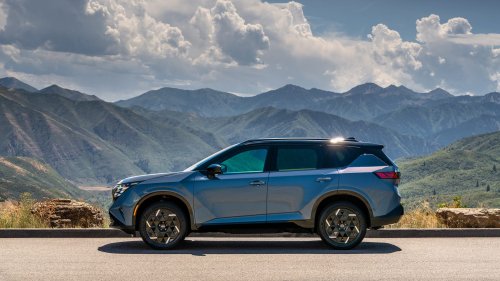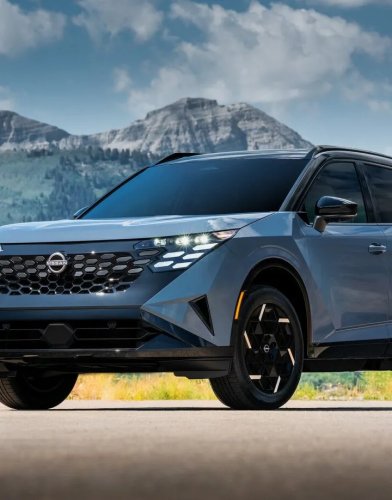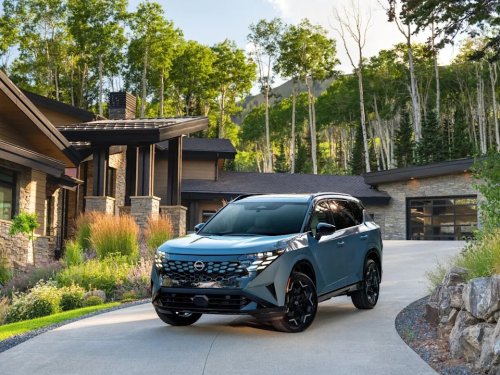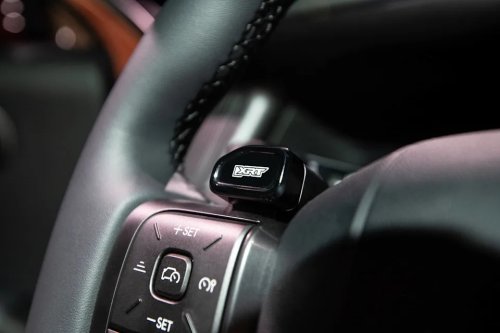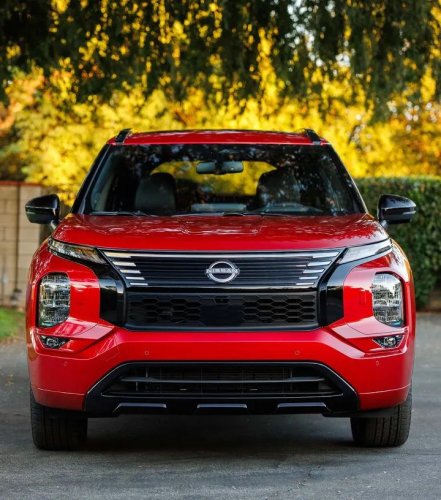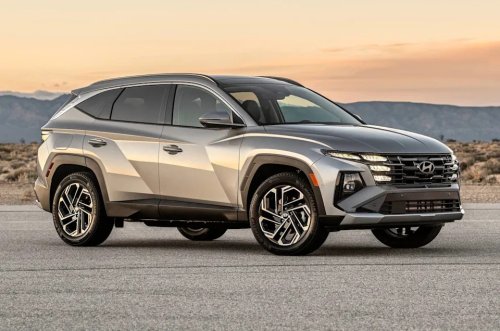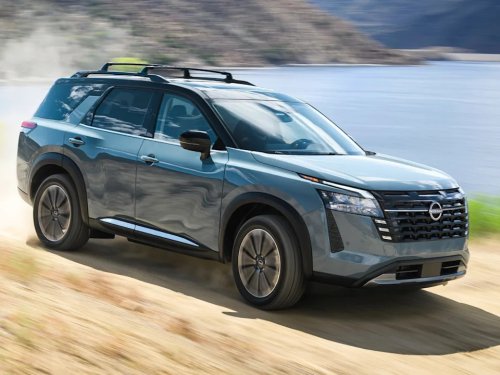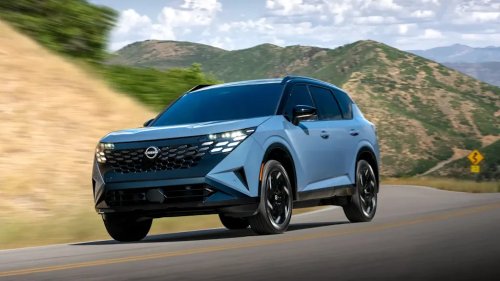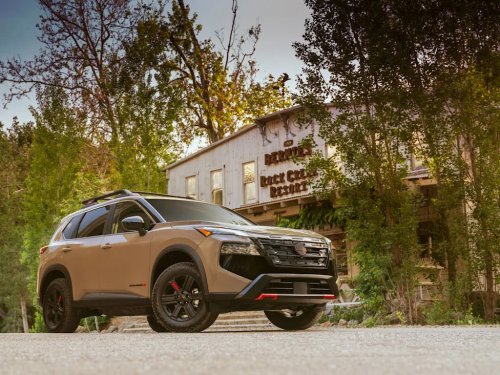
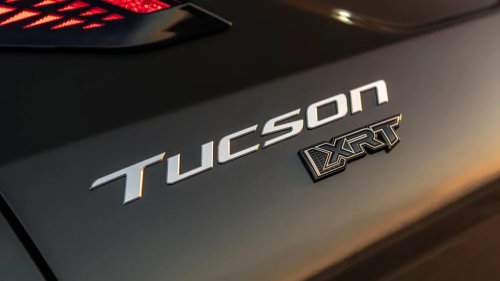
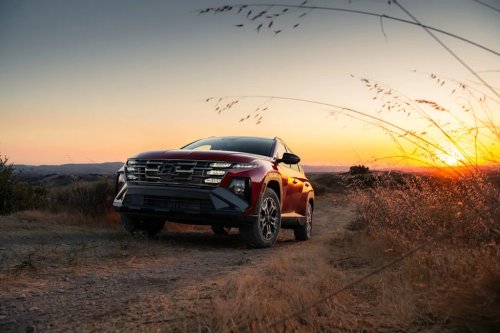
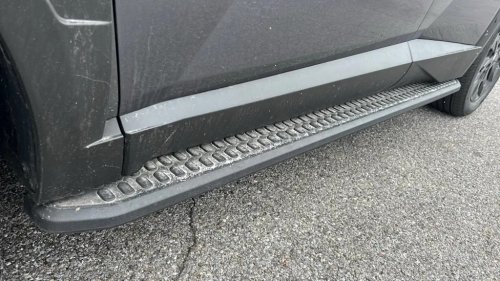
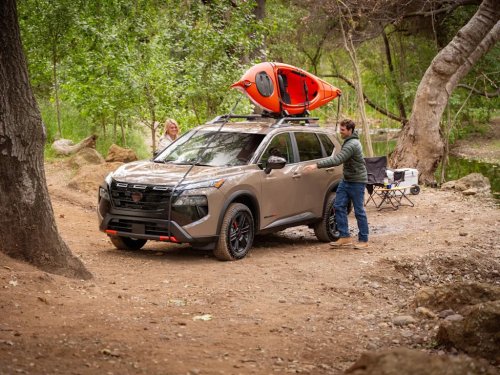
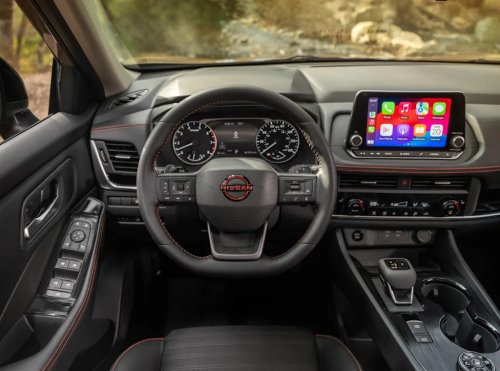
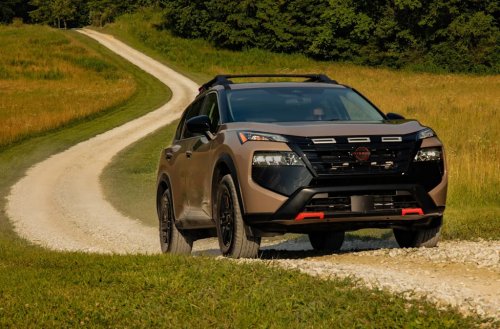
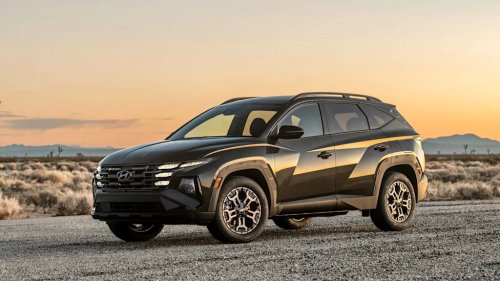
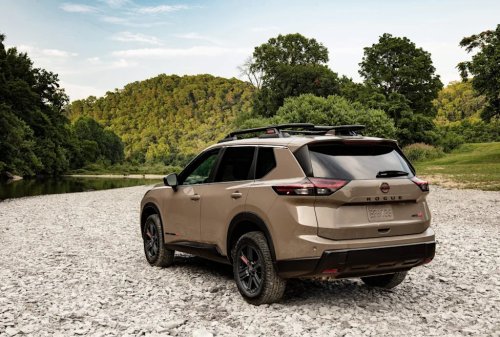
















Autoblog and Yahoo may earn commission from links in this article.There was a time when buying a compact crossover meant accepting the fact that your vehicle would probably never see anything more challenging than a gravel driveway.That has changed.The 2026 Hyundai Tucson XRT and 2026 Nissan Rogue Rock Creek are proof that automakers understand a growing number of buyers want something practical for Monday through Friday, but capable enough to handle a dirt road, snow-covered trail or questionable campground entrance on Saturday.NissanView the 2 images of this gallery on the original articleAdvertisementAdvertisementNeither is a Jeep Wrangler. Neither should be mistaken for a Ford Bronco. And please, for the love of all that is automotive, don't take either one to Moab looking for bragging rights.But both are surprisingly capable.More importantly, they're very close in price, yet they take dramatically different approaches to the soft-roader formula.View the 2 images of this gallery on the original articleThe Basic NumbersThe Tucson XRT AWD starts at roughly $35,225, while the Rogue Rock Creek comes in around $34,390. That's an $835 difference, which is basically pocket change when you're spending more than $30,000 on a vehicle.AdvertisementAdvertisementThe Hyundai uses a 2.5-liter four-cylinder producing 187 horsepower and 178 lb-ft of torque, paired with an eight-speed automatic. The Rogue uses Nissan's 1.5-liter VC-Turbo three-cylinder, producing 201 horsepower and 225 lb-ft, connected to a CVT.The Nissan also has the fuel-economy advantage, with up to 29 mpg combined, while the Tucson is rated around 26 mpg combined.But the Hyundai fights back with more cargo space and considerably more towing capability. The Tucson can tow up to 2,750 pounds, while the Rogue is rated at 1,500 pounds.So right away, we have a problem.They're both wearing hiking boots, but one brought a trailer and the other brought a backpack.HyundaiHyundai Tucson XRT: The Practical AdventurerThe Tucson XRT is essentially Hyundai's way of saying, "You want something rugged? Fine."AdvertisementAdvertisementIt gets unique 18-inch wheels, black exterior cladding, a dark grille, XRT badging, roof rails and a factory tow hitch. It certainly looks more adventurous than a standard Tucson, although it doesn't go completely overboard.Inside, you get black H-Tex synthetic leather seating with XRT embossing, heated front seats and a power driver's seat. The cabin is nicely laid out, and Hyundai deserves credit for making the Tucson easy to live with.There's also a lot of room for stuff. The Tucson provides 38.7 cubic feet behind the rear seats and up to 74.8 cubic feet with them folded.John Beltz SnyderView the 4 images of this gallery on the original articleAdvertisementAdvertisementThat's significant.The rear seat is also reasonably useful, which makes the Tucson a better choice if your definition of adventure includes children, luggage, camping equipment and somebody asking, "Are we there yet?" every 11 minutes.My only complaint is the interior color. Black is durable and easy to clean, but a little more contrast would make the XRT cabin considerably more interesting.NissanNissan Rogue Rock Creek: The More Convincing Soft-RoaderNissan took a slightly different approach with the Rogue Rock Creek.Instead of simply making the Rogue look tougher, Nissan actually gave it some equipment that makes it more convincing when the pavement disappears.AdvertisementAdvertisementThe Rock Creek gets standard all-wheel drive, 17-inch satin-black wheels and Falken Wildpeak all-terrain tires. Those tires alone make a significant difference on loose surfaces.There are also Snow and Off-Road modes, hill-descent control and an available Intelligent Around View Monitor with an off-road camera mode.NissanView the 4 images of this gallery on the original articleAnd then there's the engine.The 1.5-liter turbocharged three-cylinder produces 201 horsepower and 225 lb-ft of torque. That's a surprisingly healthy amount of torque for a little three-cylinder, and you can feel it.The Rock Creek is not fast, exactly, but it has enough low-end punch to make climbing a dirt road or passing slower traffic reasonably effortless.AdvertisementAdvertisementThe exterior is also considerably more theatrical. You get a unique grille, black trim, Lava Red accents, a tubular roof rack and those chunky all-terrain tires.I do have one complaint.Those red rectangular accents on the front look suspiciously like tow hooks.They aren't tow hooks.If you're going to put something in the exact location where a tow hook would normally live, don't make it look like a tow hook unless it can actually tow something.Yes, this bothers me more than it probably should.NissanView the 2 images of this gallery on the original articleWhich one is better off-road?The Rogue Rock Creek gets my vote.Not by a massive margin, but Nissan has done something important: it put actual all-terrain tires on the thing.AdvertisementAdvertisementTires matter. A lot.The Rogue's Falken Wildpeaks give it considerably more confidence on gravel, dirt, mud and loose surfaces than the Tucson's more road-oriented rubber.The Nissan's Off-Road mode and hill-descent control are also useful when things get slippery or steep.Related: Nissan's First U.S. e-Power Hybrid Just Showed Up in CaliforniaThe Tucson isn't helpless, however.Its HTRAC all-wheel-drive system is very capable, and the XRT has slightly more ground clearance at 8.3 inches versus 8.2 inches for the Rogue. The Tucson also has an AWD Lock function that can force a more even distribution of torque between the front and rear axles when conditions get ugly.AdvertisementAdvertisementNeither vehicle has the hardware for serious rock crawling, but both are perfectly capable of dealing with the sort of roads that make you wonder whether Google Maps has made a terrible mistake.View the 2 images of this gallery on the original articleWhich one is better every day?That's where the Tucson pulls ahead.The Hyundai has more cargo space, more towing capacity and a conventional eight-speed automatic. It also feels more like a traditional compact SUV.The Rogue counters with better fuel economy and significantly more torque.For commuting, grocery shopping, family duty and occasional trips into the wilderness, both are excellent choices.AdvertisementAdvertisementThe Tucson simply feels more versatile.NissanView the 2 images of this gallery on the original articleFinal ThoughtsThis is an unusually close comparison because the two vehicles are aimed at slightly different buyers.I'd choose the Tucson XRT if my priorities were practicality, cargo capacity, towing and everyday comfort. It's the better all-around family vehicle and arguably the smarter long-term choice.I'd choose the Rogue Rock Creek if I knew I was going to spend more time on dirt, gravel, snow and muddy roads. The all-terrain tires, Off-Road mode and hill-descent control give it a legitimate advantage when the pavement ends.Related: Subaru Forester Is Crushing the Mazda CX-5 in 2026 SalesAnd there's something refreshing about both vehicles.Neither manufacturer has completely lost its mind with the whole "off-road" thing.They're still compact crossovers. They fit in normal garages. They're comfortable on pavement. They get respectable fuel economy. They can carry people and groceries without making everyone miserable.They're simply willing to get their shoes dirty.They're basically saying, "Yes, I can go camping. No, I don't need to take on Black Bear to prove it."For a lot of buyers, that's exactly what an adventure vehicle should be.One Final Thought…Both vehicles are about to be replaced by all-new versions with new powertrains, tech, and/or styling. That means you might be able to make a good deal on the current models. Dealerships will be anxious to move them off their lots.Related: 2027 KIA Seltos vs 2026 Toyota Corolla Cross: Small Soft-Roader BattleThis story was originally published by Autoblog on Aug 26, 2026, where it first appeared in the Reviews section. Add Autoblog as a Preferred Source by clicking here.