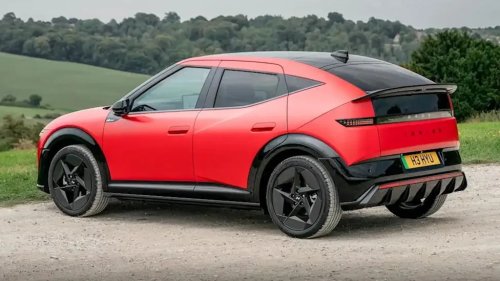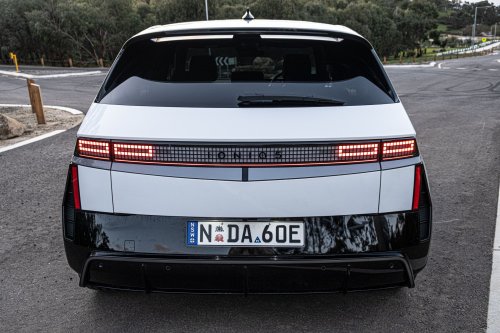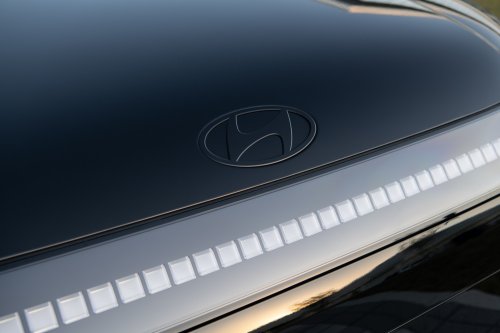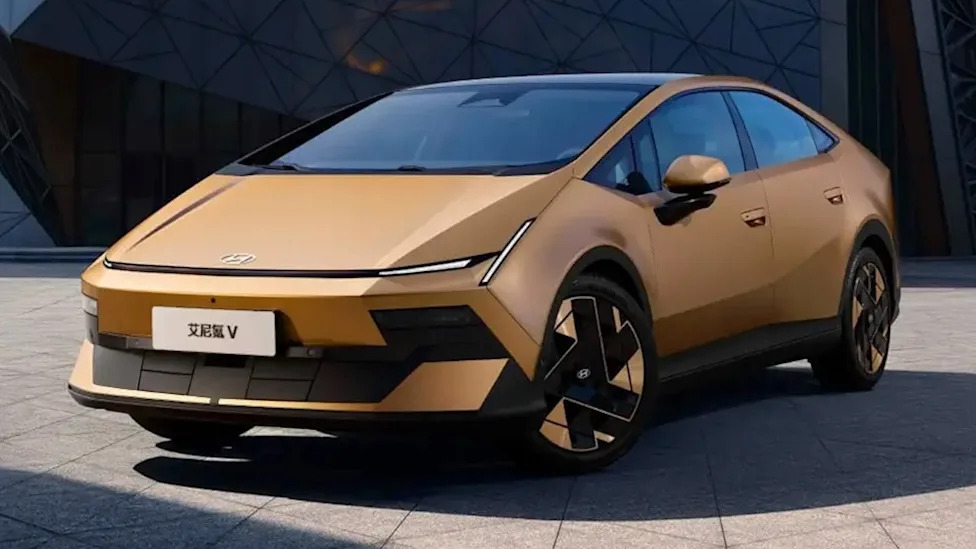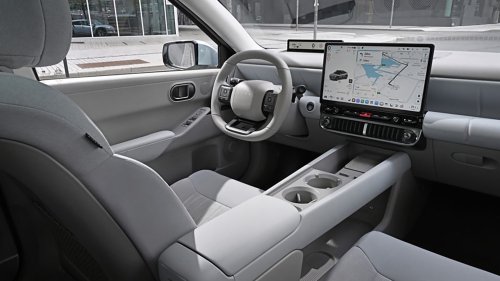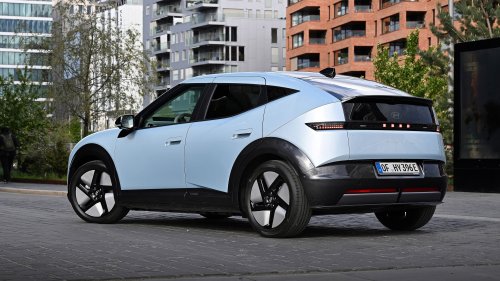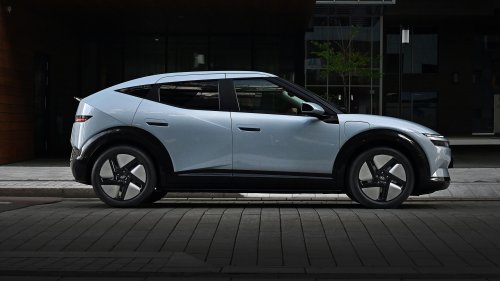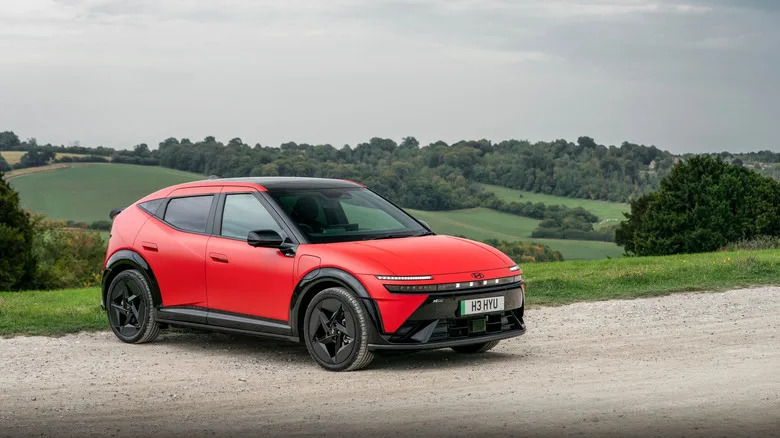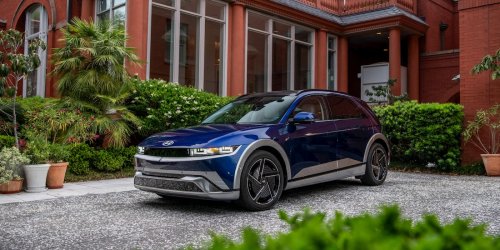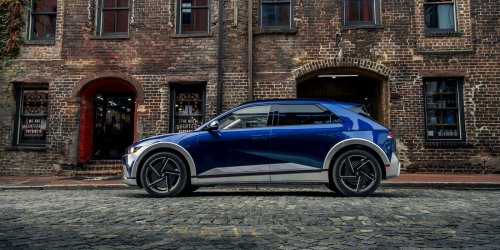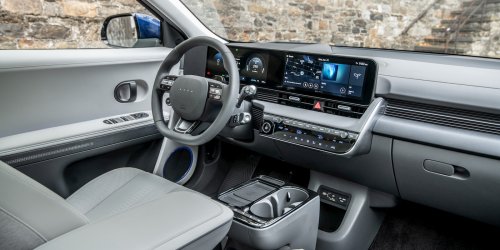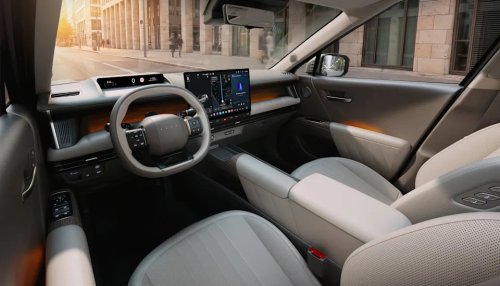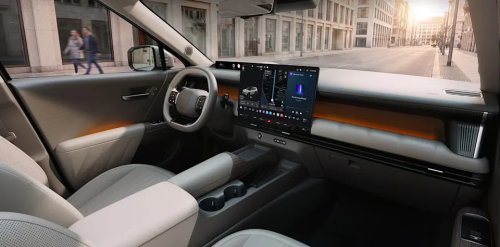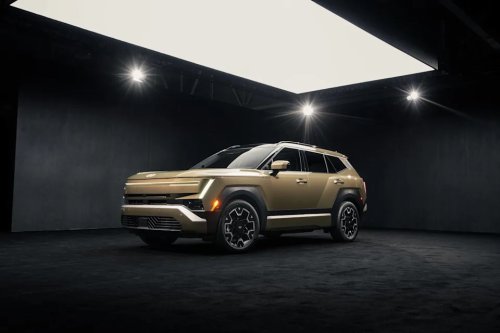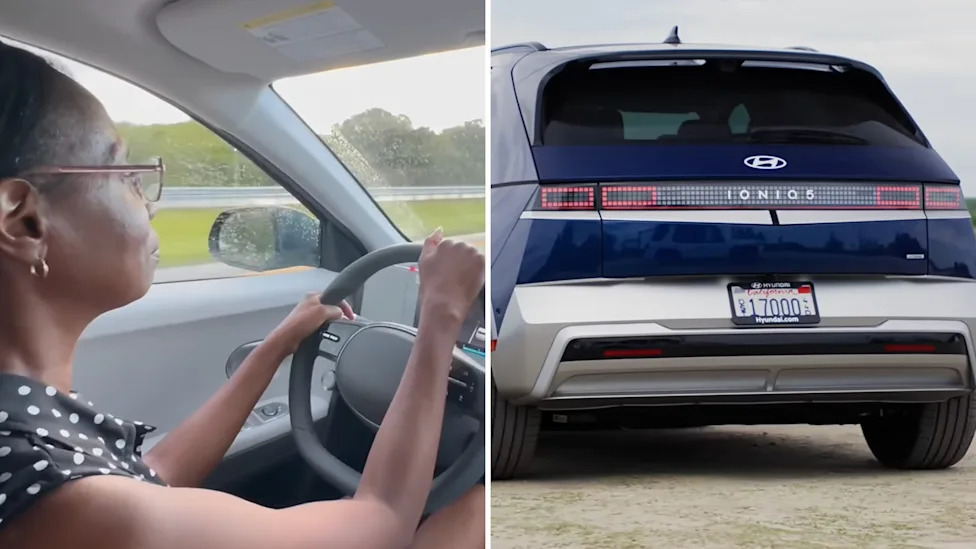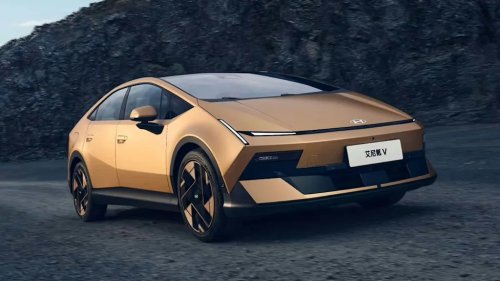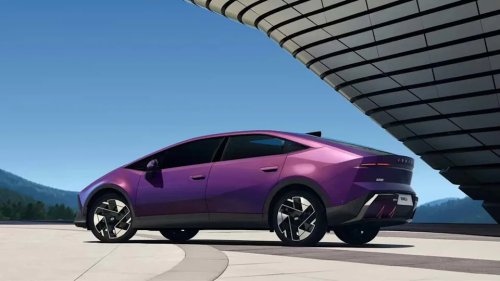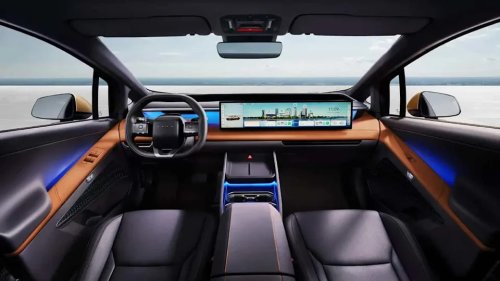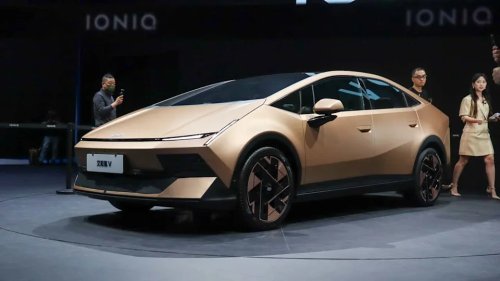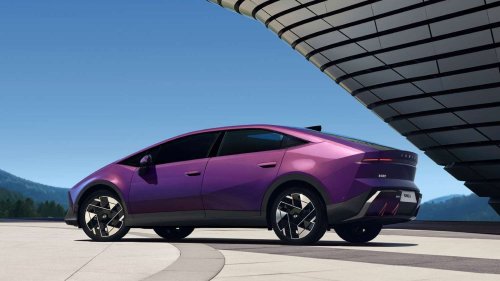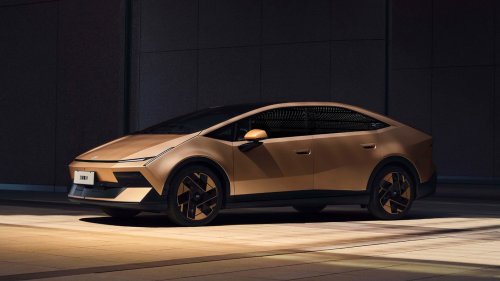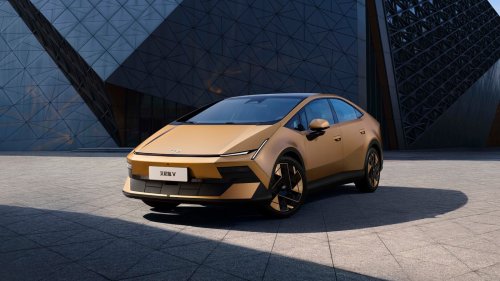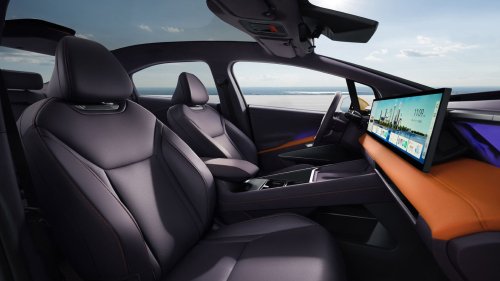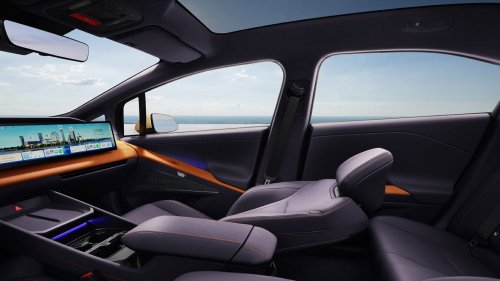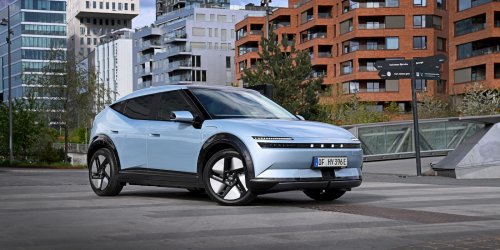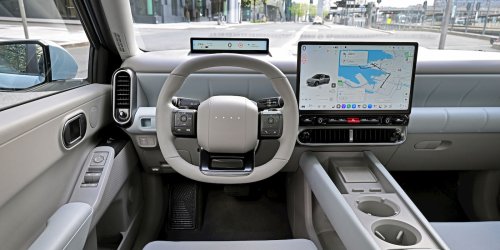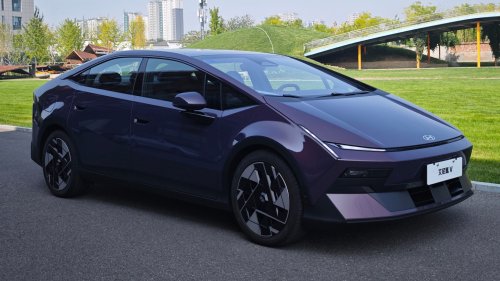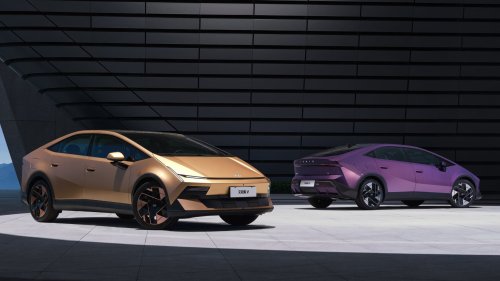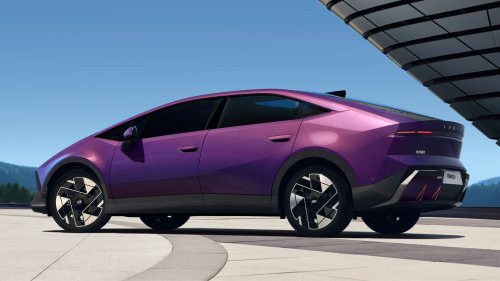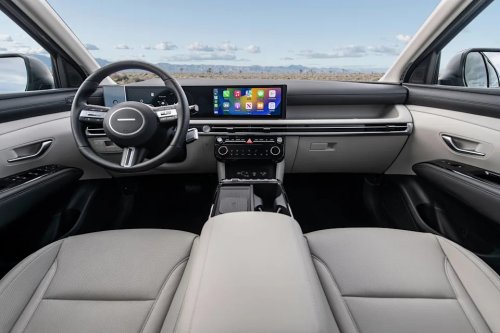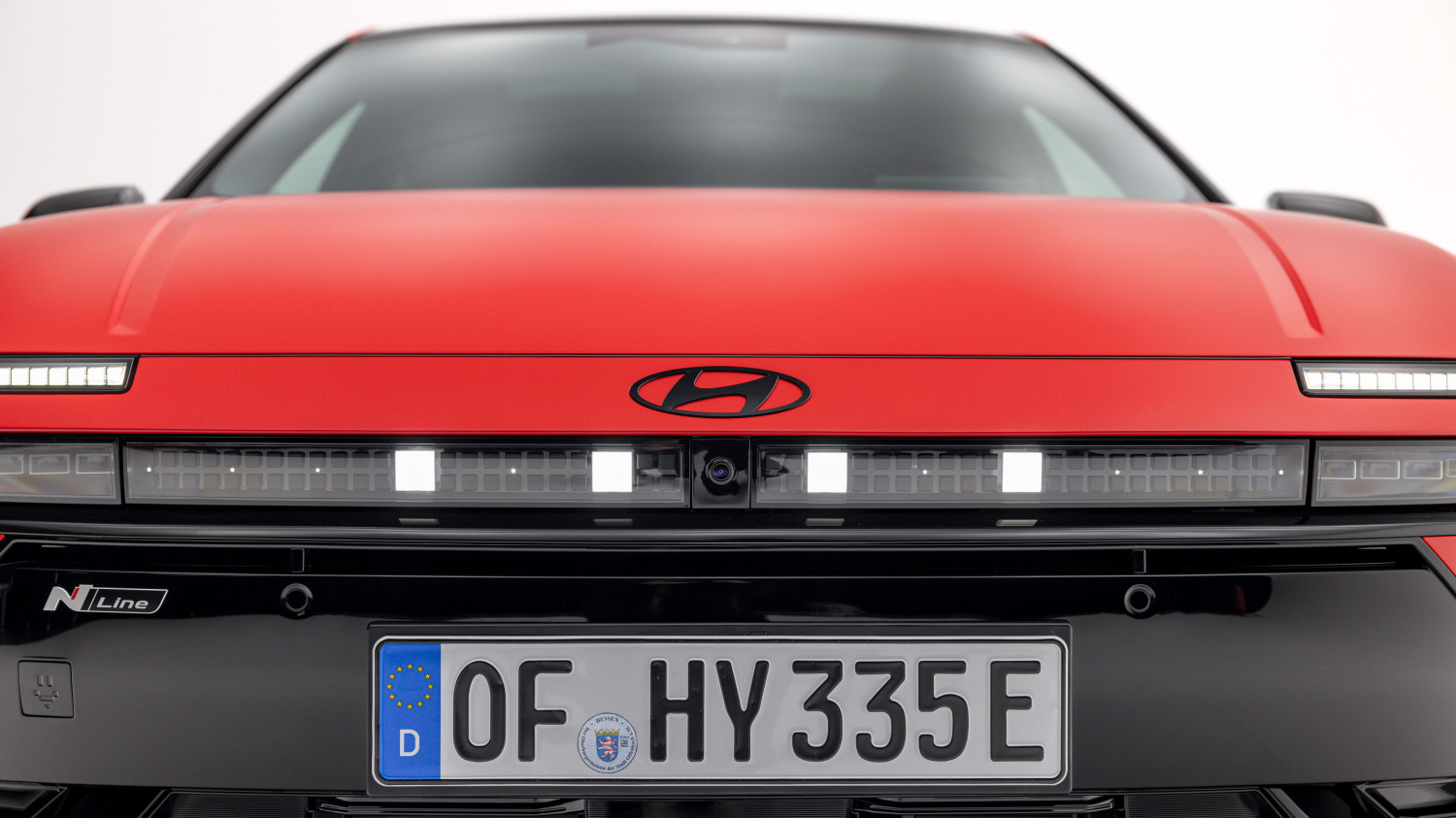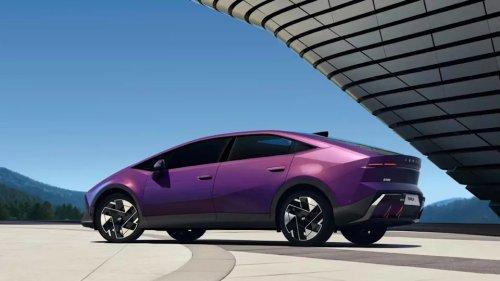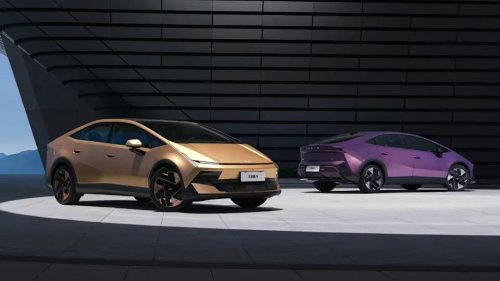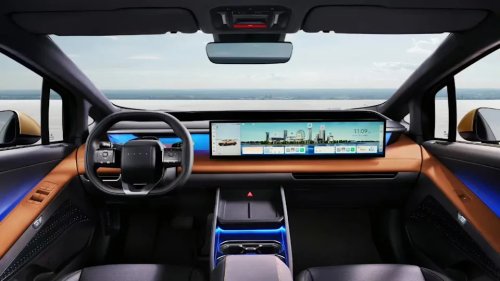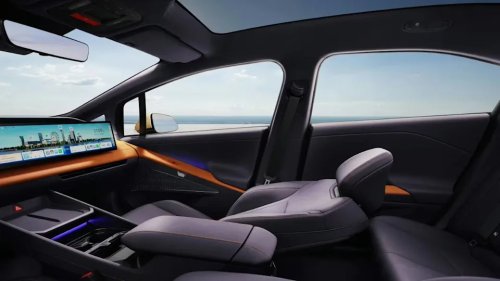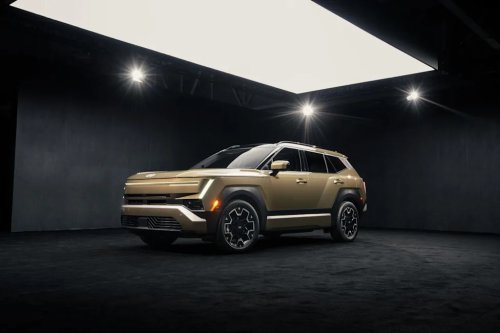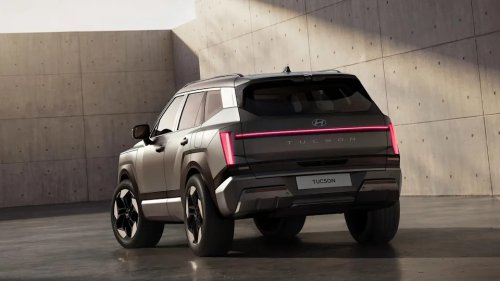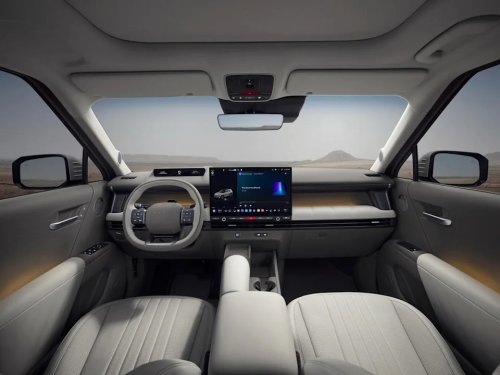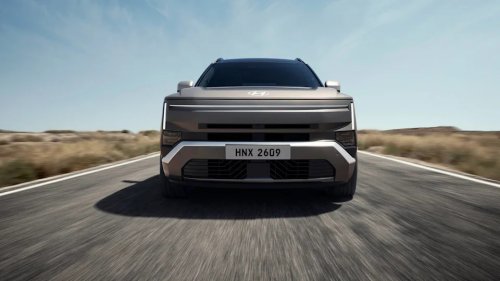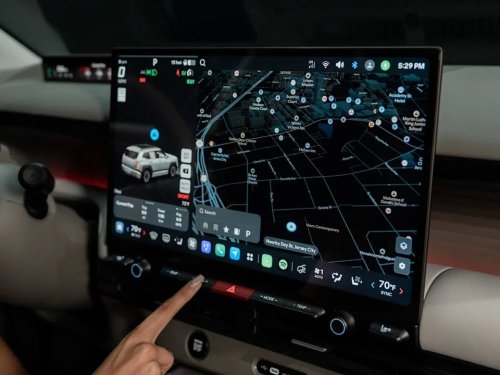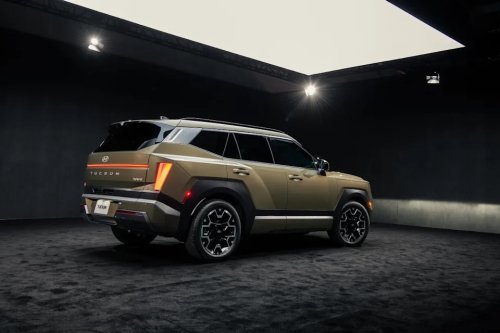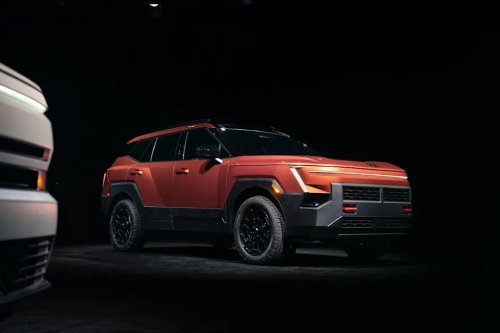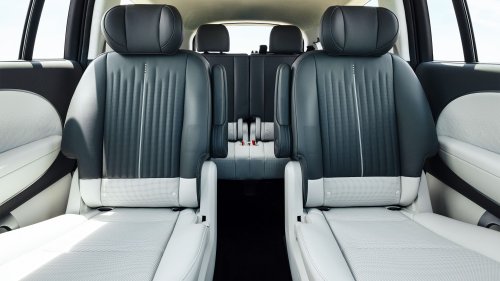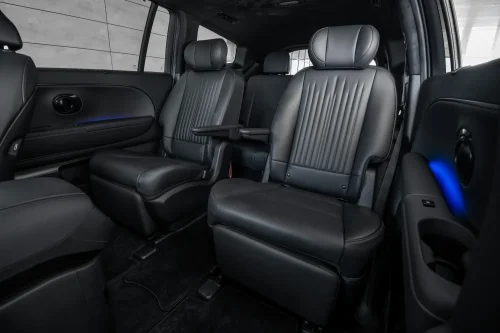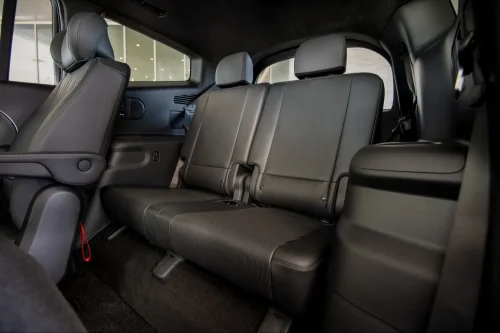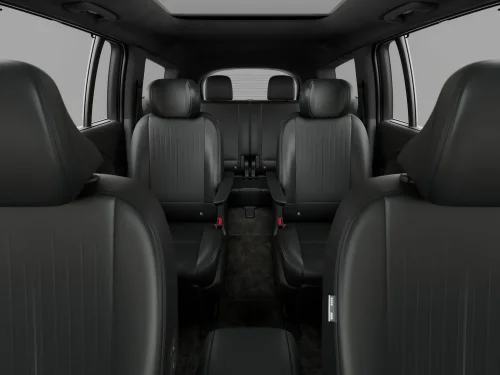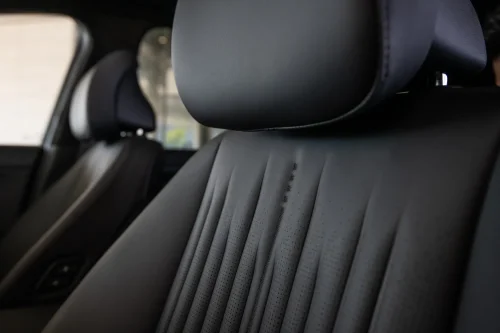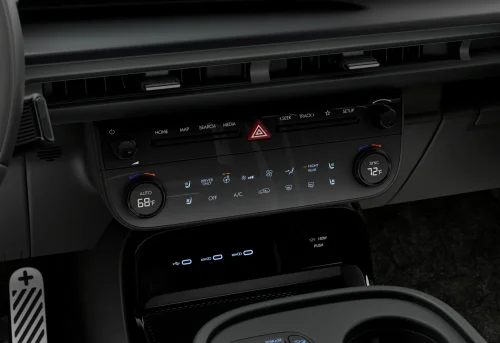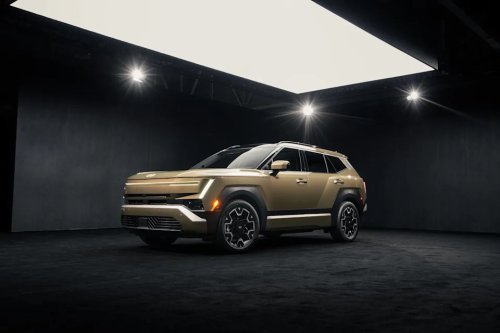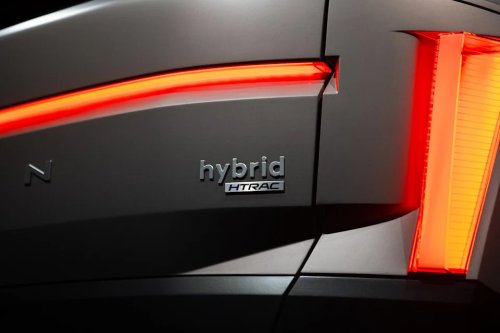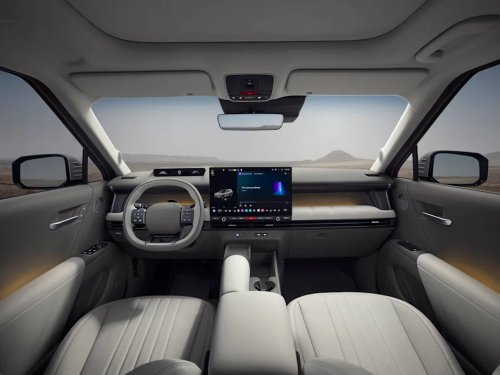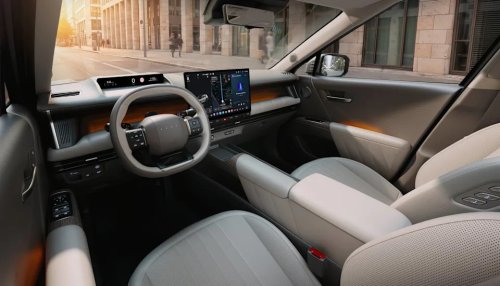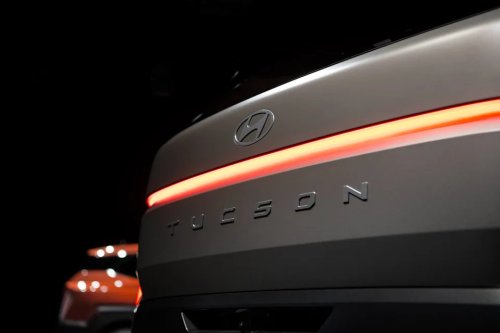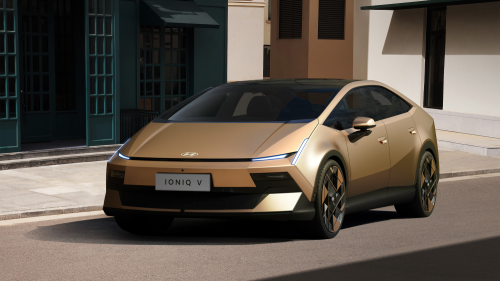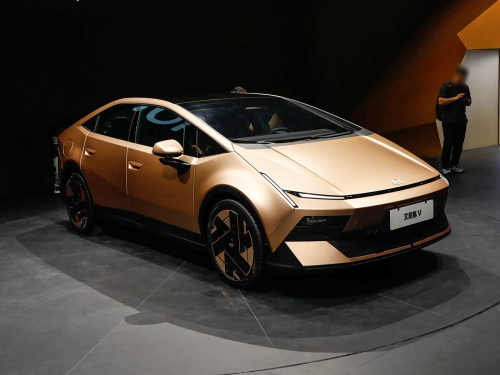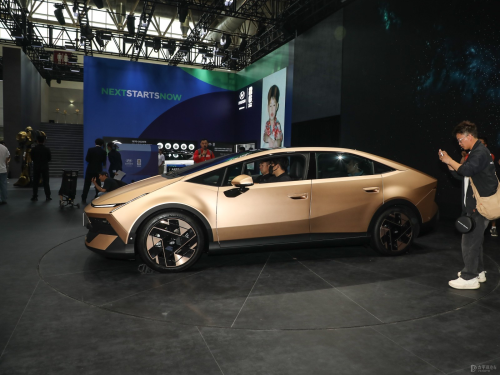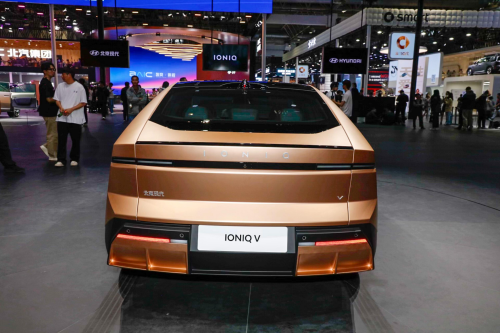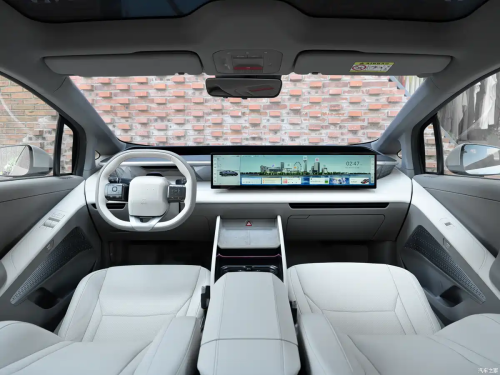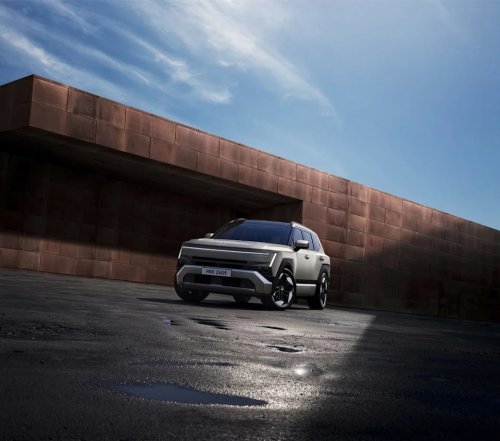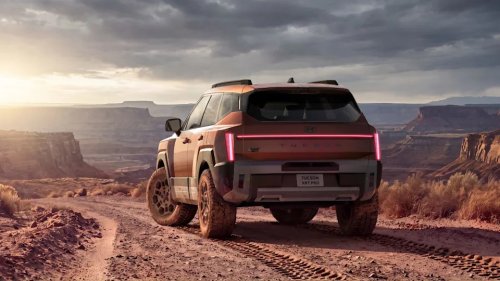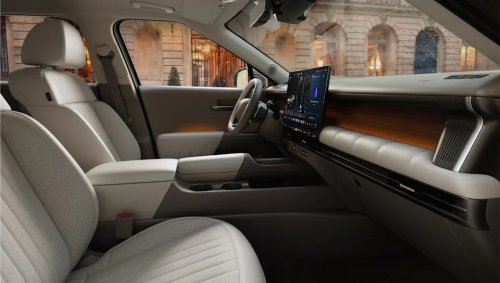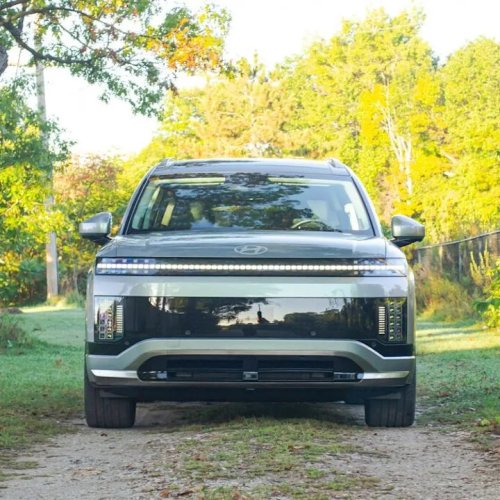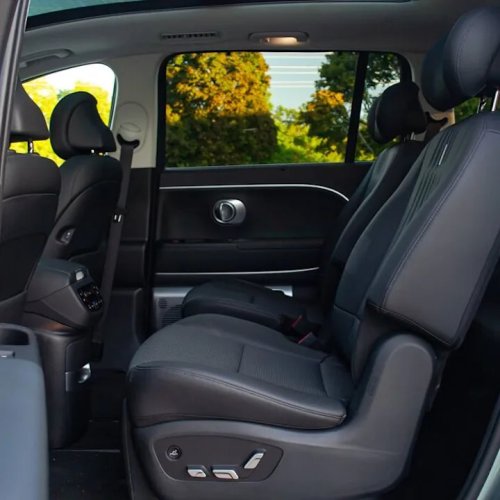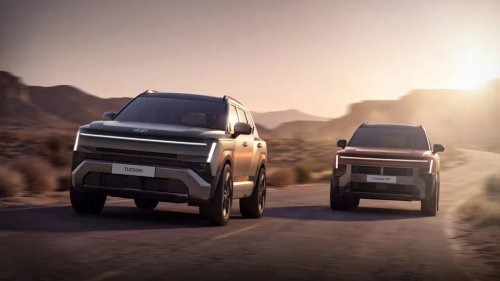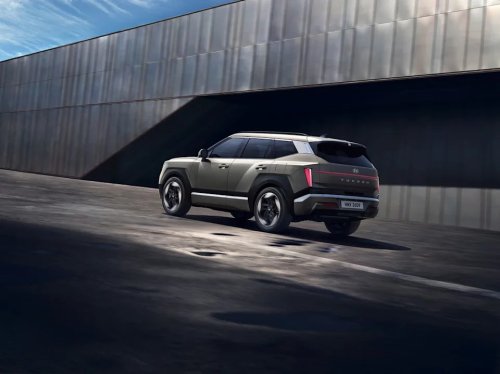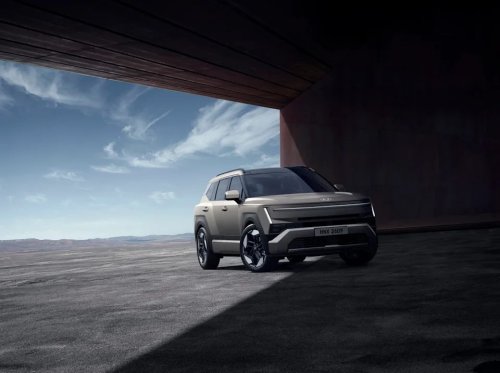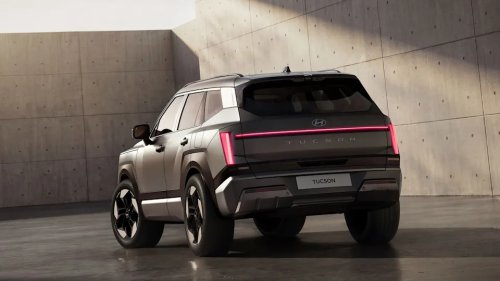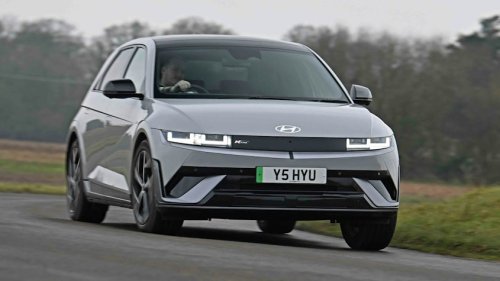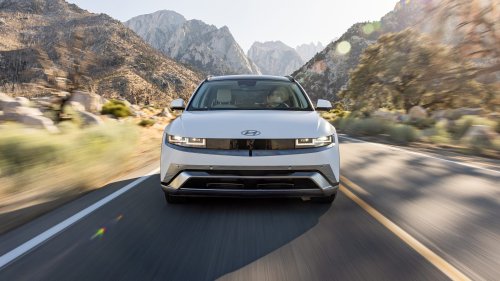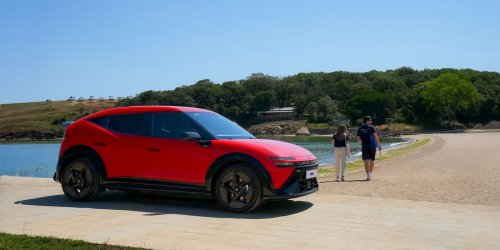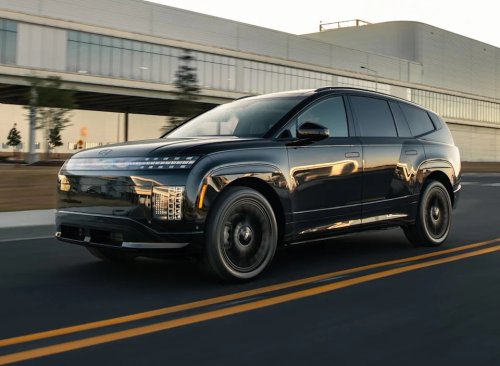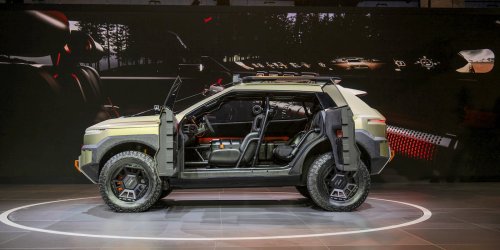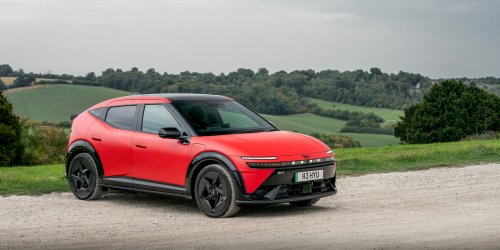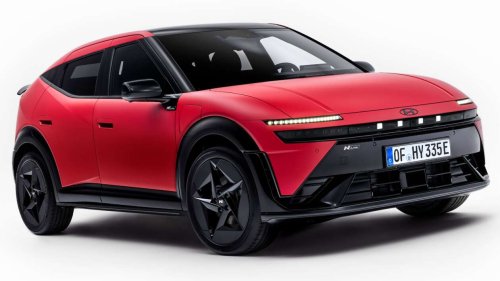
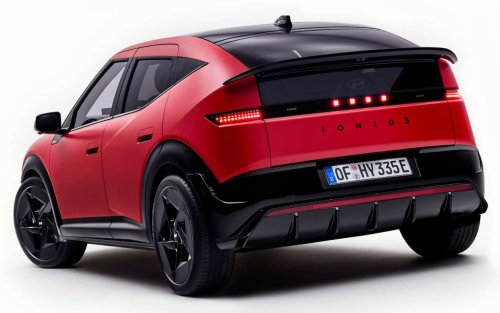
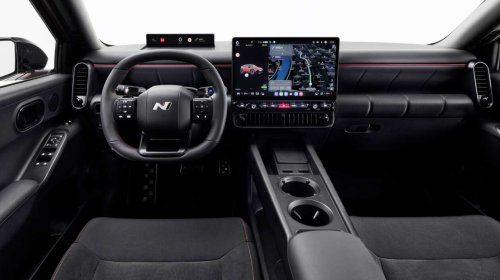
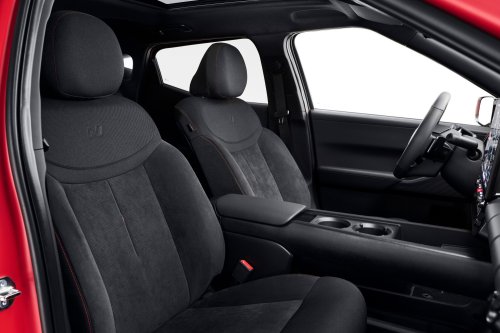
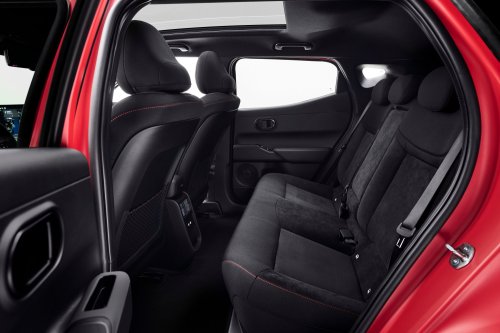
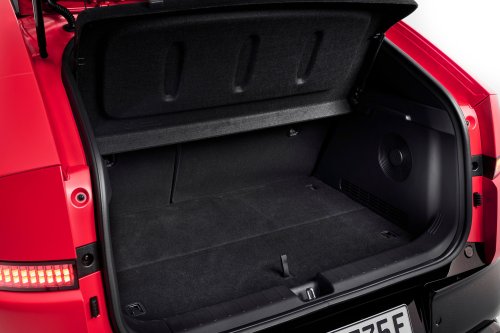
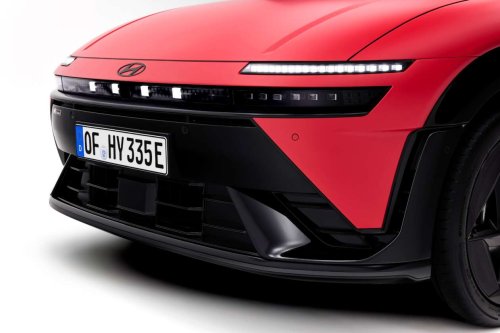
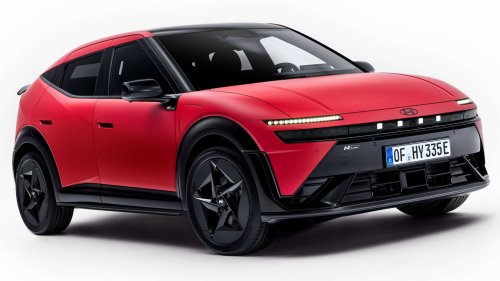
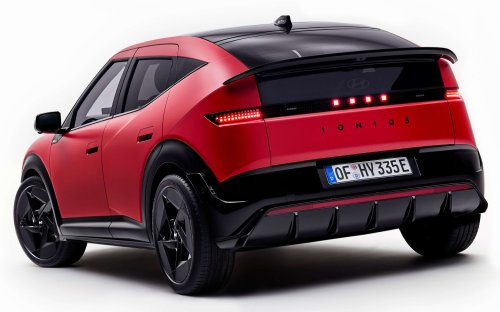
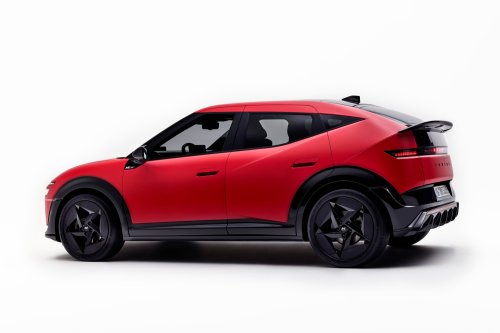
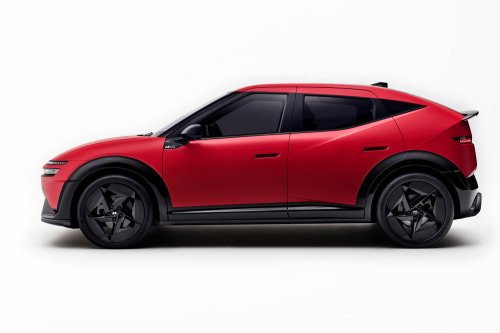
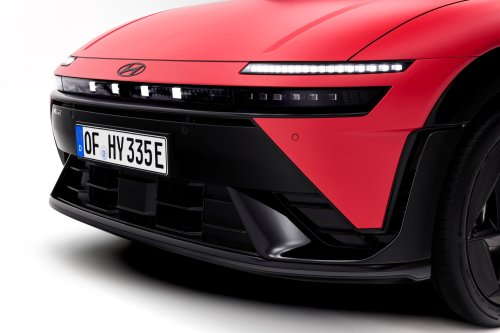
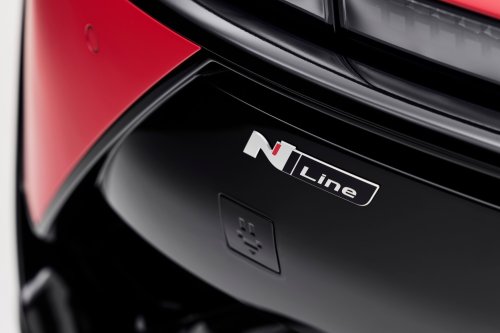
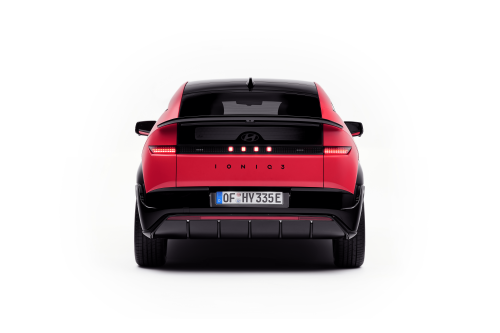
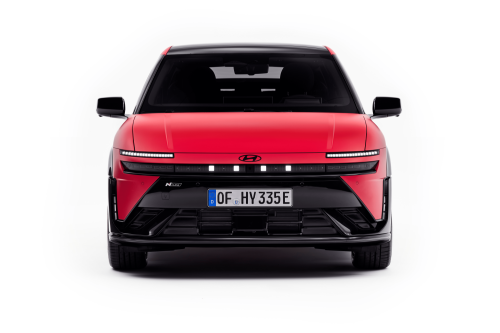
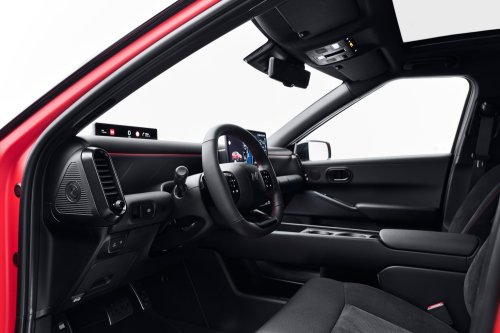
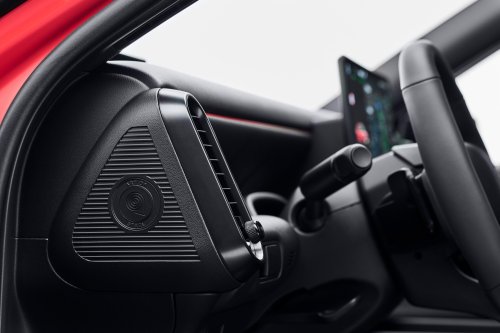
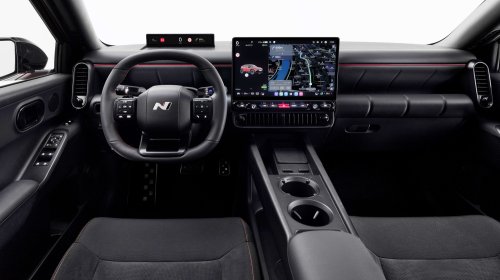



















Mercedes-Benz isn’t the only carmaker that introduced a new EV yesterday – Hyundai has joined in on the action with the latest addition to the Ioniq family, the Ioniq 3. This sits at the opposite end of the spectrum to the Stuttgarter, with less of a focus on out-and-out range and technologies and a greater emphasis on fun and affordability, playing in the nevertheless competitive B-segment market. Eagle-eyed readers will note that this is the production version of last year’s Concept Three. Of course, the finalised model is nowhere near as low and aggressive – although I suppose it does gives some scope for a future high-performance N version to be the widebody hot hatch of our dreams. Even so, there’s plenty of neat touches that the Ioniq 3 has lifted from the show car as part of the shared Art of Steel design language. Billed as an “Aero Hatch” (not to be confused with Proton’s Aeroback), the Ioniq 3 carries over many of the concept’s hallmarks, including the sloping roofline (less rakish here, presumably to increase rear headroom), protruding rear spoiler (too bad it’s no longer transparent), wraparound windscreen design and reverse-rake C-pillar – the latter emphasised by slashes in the voluminous rear section. The front fascia has evolved to fit a dual-tier LED lighting setup similar to the facelifted Ioniq 6, with “pixel” daytime running light strips up top and an array of main projectors with adaptive high beam. In fact, just like on other Ioniq models, the pixel motif is dotted everywhere around the car, including the four dots at the front and rear (symbolising the Morse code for the letter “H”), the door mirror indicators and the taillights. Along the side, the Ioniq 3 loses out on the concept’s suicide doors and gains some door handles, with Hyundai returning to conventional pull-up items as China moves to ban pop-out ones. The company claims a drag coefficient of 0.263, slotting between the Ioniq 9 (0.259) and the Ioniq 5 (0.288). Buyers can choose from 11 colour options and wheel sizes ranging from 16 to 19 inches in diameter. These include variants exclusive to the N Line version, which also adds sportier front and rear bumpers (including a sizeable diffuser at the back), an N-badged steering wheel and seats and a smattering of N Line badges. Inside, the Ioniq 3 is a departure from the sleek, streamlined aesthetic of previous Ioniq models. Instead, you’ll find a more industrial dashboard design with a deep groove cut into it and vertical lozenge-shaped corner air con vents. This is paired with textile materials said to be inspired by 1970s Italian furniture, along with recycled and bio-based materials. This approach pairs well with the use of chunky switchgear, including the air vent control knobs and the welcome return of physical toggles for fan speed and temperature. This is despite the Ioniq 3 being the first Hyundai model in Europe to come with the Android Automotive-based Pleos Connect infotainment system. Operated through either a 12.9-inch or a 14.6-inch touchscreen (there’s also a slimline instrument display sitting above the steering wheel), it replaces the connected car Navigation System (ccNS) and adds features such as the Hyundai Digital Key 2, an integrated EV route planner and Plug & Charge support – the latter being similar to the seamless payments used at Tesla Superchargers. The Ioniq 3 is quite a compact car – measuring 4,155 mm long (4,170 mm with the N Line kit), 1,800 mm wide and 1,505 mm tall, it’s only 20 mm longer than a Proton eMas 5. Despite this, Hyundai claims it offers a “spacious and flexible interior” following a “Furnished Space” approach (whatever that means). The boot measures 322 litres, and while there’s no front boot, you do get a 119 litre “Megabox” under the boot floor. Other features lifted from its Ioniq brethren include Premium Relaxation seats with one-touch recline, a Bose sound system, dual-zone climate control and multi-colour ambient lighting. There are also multiple badges dotted around the car as Easter eggs of sorts, including the returning Mr. Pix from the Concept Three. The Ioniq 3 will be offered in standard and long range forms, both powered by a single front motor. Oddly, it’s the standard range version that is more powerful, producing 147 PS (108 kW) and 250 Nm of torque, getting from zero to 100 km/h in nine seconds flat and possessing a top speed of 170 km/h. By comparison, the long range makes do with 99 kW (135 PS) and takes a yawning 9.6 seconds to complete the century sprint. But the long range model obviously wins out in terms of, well, range. The standard range variant is fitted with a 42.2 kWh battery that delivers an estimated WLTP-rated range of 344 km, while the long range with its 61 kWh pack is tipped to be able to travel up to 495 km on a single charge. Unlike its 800-volt siblings, the Ioniq 3 is built on a 400-volt electrical architecture. Hyundai frustratingly continues to be vague about DC fast charging capabilities, only saying that the car will charge from 10 to 80% in 29 minutes with the smaller battery and 30 minutes with the larger one. As for AC charging, the vehicle comes with either an 11 kW or an optional 22 kW onboard charger, and you also get internal and external vehicle-to-load (V2L) functionality. Safety-wise, the Ioniq 3 features seven airbags as standard, as well as the full suite of SmartSense driver assists. The latter includes Highway Driving Assist 2 (HDA2) Level 2 semi-autonomous driving, remote park assist, a memory-enabled reversing assist and blind spot cameras. Compare prices between different insurer providers to save the most on your car insurance renewal compared to other competing services. Many payment method supported and you can pay with instalment using Atome, Grab PayLater or Shopee SPayLater. Use the promo code 'PAULTAN' when you checkout for 10% discount!