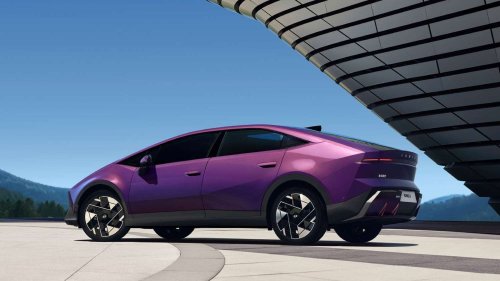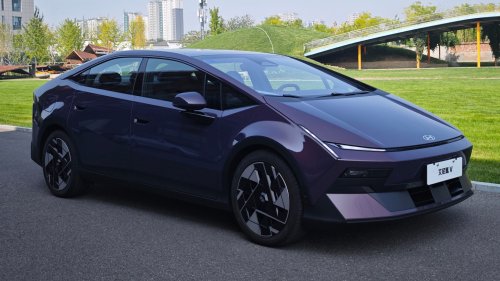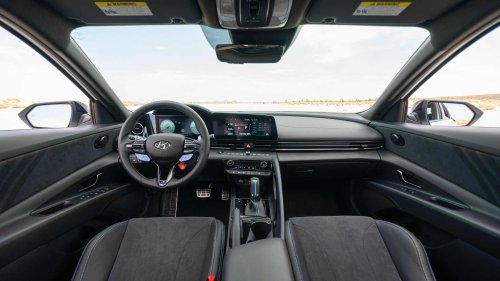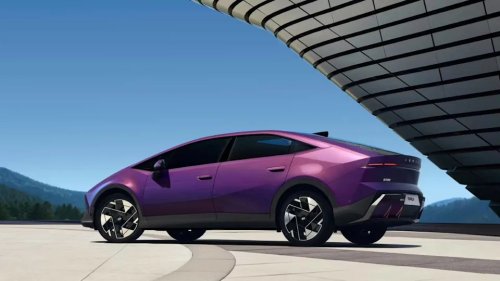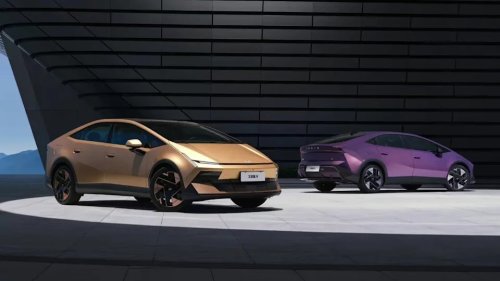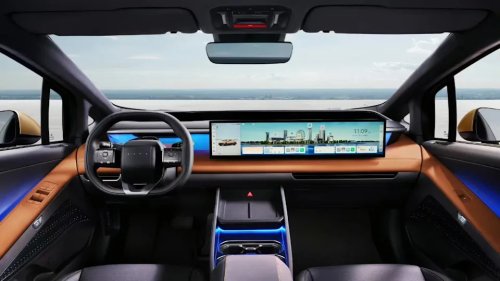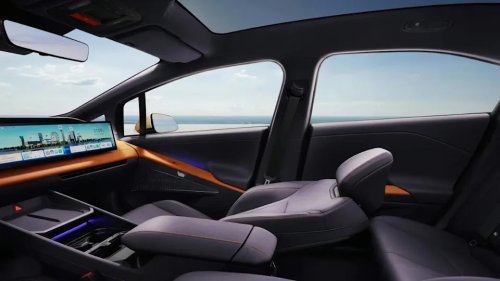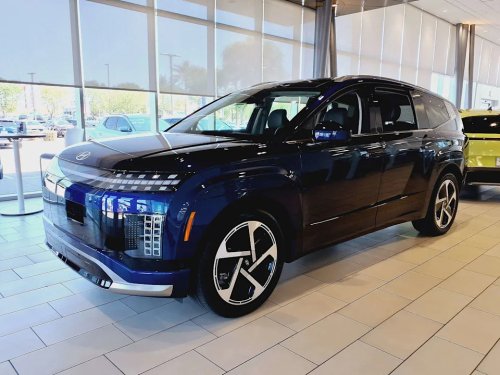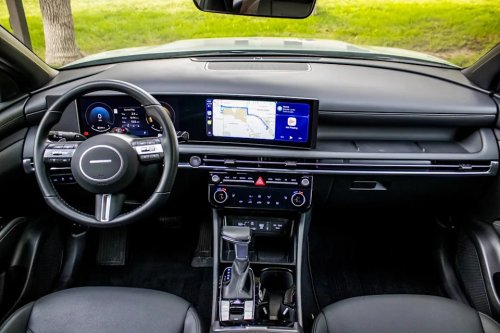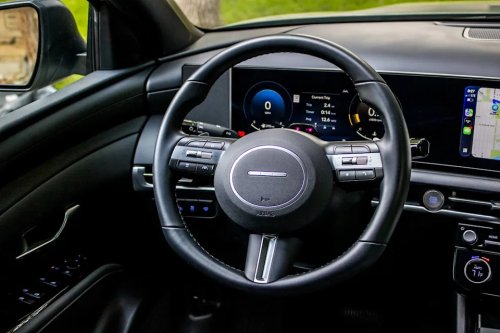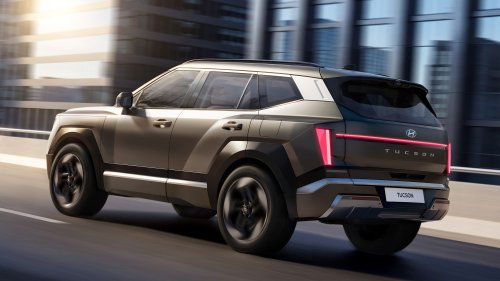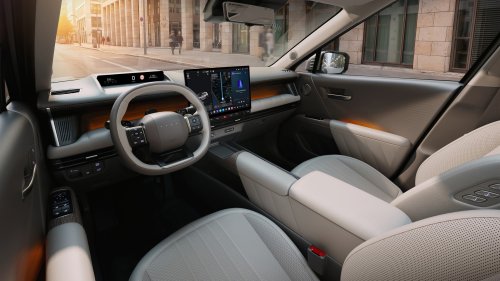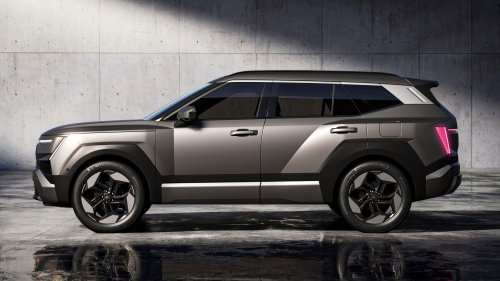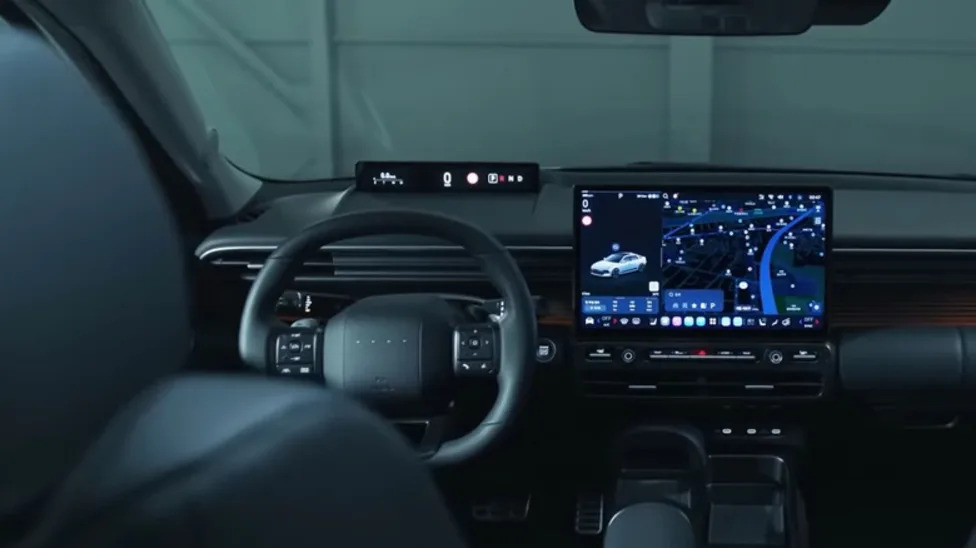
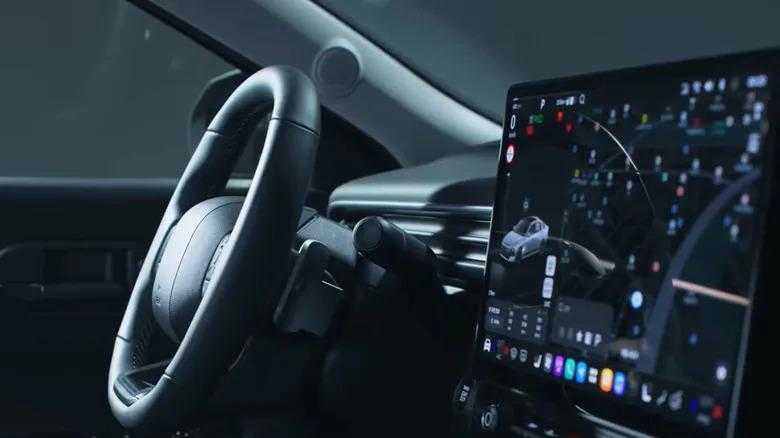



















DPCcars/YouTubeAfter decades of treating the instrument cluster as standard on all vehicles, Hyundai is now making it an extra-cost feature for entry-level versions of two new models. With this move, Hyundai is taking something most people would consider a fundamental piece of equipment and turning it into nothing more than an optional accessory simply because it's digital now.It's happening with two specific models so far: The Elantra, one of the most successful models in Hyundai's history, and the new Ioniq 3. Both can be purchased without the slim 9.9-inch digital display that traditionally sits within the driver's line of sight. If you want an instrument cluster, buyers have to either move to a more expensive trim, or in the Elantra Avante's case, pay an additional 350,000 won (about $255). Worse, in the United Kingdom, the upcoming, potentially pricey Ioniq 3 doesn't get the driver display until its second trim level.Whether in Asia or Europe, opting for the most basic versions of these cars would leave the person behind the wheel without a dedicated place to see their vehicle's speed or other important warnings. Obviously, that's not going to fly (or, rather, drive). For all intents and purposes, Hyundai is seemingly forcing drivers to pay for something that should be standard, as people need to know that info and need to be able to find it where it's always been, not look to the center screen for it.AdvertisementAdvertisementRead more: Why Do So Many Car Brands Have 2.0L Four-Cylinder Engines?The reason may be tied to Hyundai's new infotainment systemDPCcars/YouTubeInterestingly, both models are part of the company's rollout of Pleos Connect, a new infotainment system built around the Apple CarPlay alternative, Android Automotive OS, and paired with large center displays. Depending on the vehicle, the system uses screens measuring 12.9 or 14.6 inches, while the more upscale Grandeur gets a display as large as 17.9 inches.With the addition of those increasingly enormous screens, Hyundai has seemingly decided that the display directly in the driver's sightline should be left off the base vehicle entirely. On versions without the instrument cluster, all that essential information is instead presented through the center display. The result is what we have here: The car has no problem devoting all that extra space to entertainment, navigation, and other digital functions, but they want you to pay extra for one of the simplest interfaces a vehicle has.And sure, a $255 charge may not make or break the purchase of a new car, but it's more about the principle. An instrument cluster serves a fundamentally different role than an infotainment screen does. One could argue it's the most important connection between the vehicle and the person driving it. Treating it like an upgrade sets a concerning precedent: That automakers are starting to view even the most essential hardware as something they can take away and sell back to you.AdvertisementAdvertisementWant the latest in tech and auto trends? Subscribe to our free newsletter for the latest headlines, expert guides, and how-to tips, one email at a time. You can also add us as a preferred search source on Google.Read the original article on SlashGear.