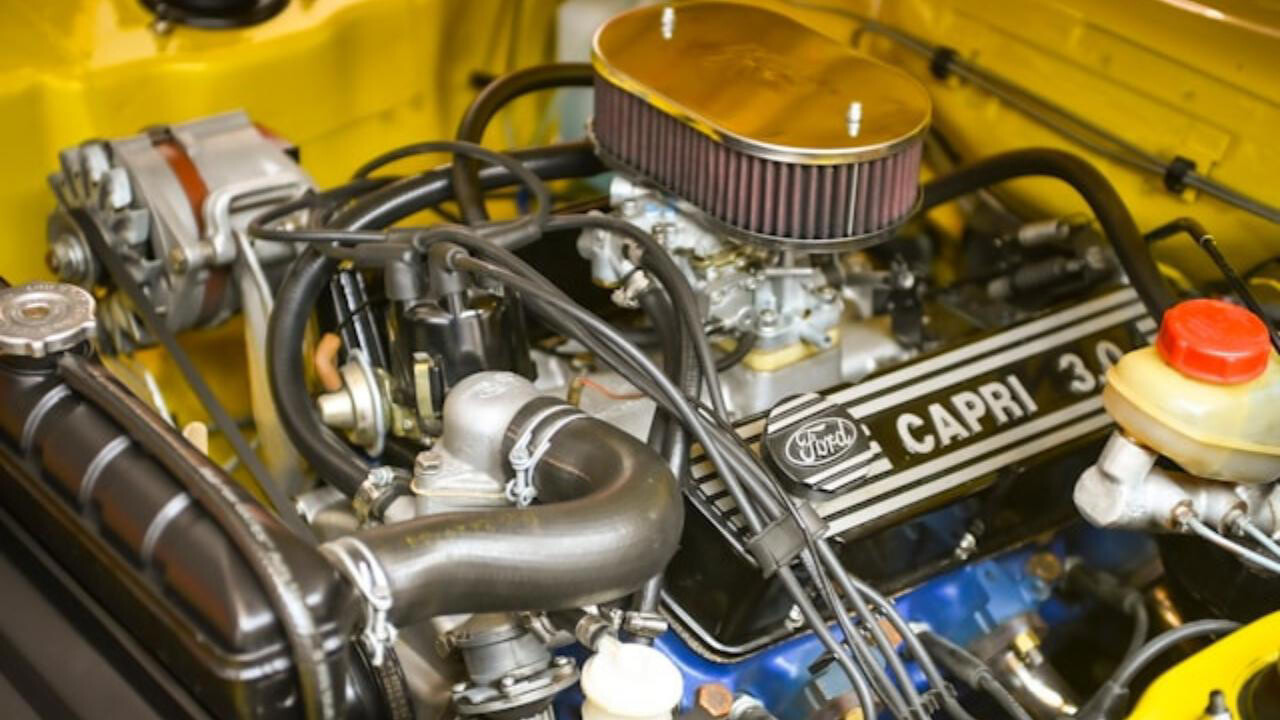
Carburetors are essential components in older automotive engines, requiring regular maintenance to ensure optimal performance and longevity. By keeping your carburetor in good condition, you enhance your vehicle’s efficiency and reliability. Here, I will guide you through essential practices and tips to keep your carburetor running smoothly. Understanding Carburetor Basics The carburetor plays a pivotal role in the performance of an engine by mixing air and fuel in the right proportions before distributing the mixture to the cylinders. A well-functioning carburetor ensures that the engine runs smoothly and efficiently, minimizing fuel consumption while maximizing power output. This delicate balance between air and fuel is crucial for preventing engine knocking and ensuring optimal combustion. There are several types of carburetors, each suited for different applications and performance needs. Single-barrel carburetors, like those found in the 1976 Ford Pinto, are simple and effective for smaller engines. Dual-barrel carburetors, such as those used in the 1969 Chevrolet Camaro, offer better performance and efficiency for mid-sized engines. For high-performance vehicles like the 1970 Dodge Challenger, a four-barrel carburetor is often preferred, providing increased airflow and power. Routine Maintenance Procedures Regular cleaning is essential for maintaining carburetor performance. Over time, dirt and debris can accumulate, obstructing the flow of air and fuel. To clean a carburetor effectively, use a carburetor cleaner spray and a set of brushes designed for automotive use. Begin by removing the air filter and spraying the cleaner into the carburetor throat while the engine is running. This helps dissolve and wash away deposits. For a more thorough cleaning, disassemble the carburetor and soak the parts in a cleaning solution. Inspecting and replacing worn parts is another critical aspect of carburetor maintenance. Look for signs of wear, such as cracked gaskets or hardened seals, which can lead to air leaks and poor performance. The 1985 Toyota Corolla, for example, may exhibit rough idling or stalling if gaskets are not properly sealed. When replacing parts, ensure that you use components compatible with your specific carburetor model to maintain performance and longevity. Image credit: Dragon White Munthe via Unsplash Fine-Tuning for Optimal Performance Adjusting the air-fuel mixture is crucial for achieving optimal engine performance. If the mixture is too rich or too lean, it can lead to symptoms such as black smoke from the exhaust or sluggish acceleration. The 1978 Volkswagen Beetle, for instance, might experience these issues if the mixture is not correctly adjusted. To adjust the mixture, locate the mixture screws on the carburetor and turn them incrementally while monitoring engine performance. A well-tuned engine should run smoothly without hesitation. Idle speed and mixture adjustments are equally important for maintaining a stable engine idle. If the idle speed is too low, the engine may stall, while a high idle can lead to increased fuel consumption. Using a tachometer, set the idle speed according to the manufacturer’s specifications for your vehicle, such as 800 RPM for the 1967 Pontiac GTO. Adjust the idle mixture screw until the engine runs smoothly without fluctuating RPMs. Troubleshooting Common Issues Identifying symptoms of carburetor problems early can save you from costly repairs. Common indicators include rough idling, poor acceleration, and backfiring. For example, a 1982 Honda Civic may experience these symptoms if the carburetor is clogged or improperly adjusted. To diagnose issues, check for vacuum leaks, inspect the fuel lines for blockages, and ensure that the choke mechanism operates correctly. Quick fixes can often resolve minor carburetor problems, but knowing when to seek professional help is crucial. DIY solutions like cleaning the fuel jets or adjusting the float level can address issues in many cases. However, if problems persist, such as persistent stalling or difficulty starting the engine, it’s advisable to consult a mechanic. Vehicles like the 1991 Mazda Miata may require professional tuning to achieve peak performance. Enhancing Longevity and Efficiency Regular inspections are vital for maintaining the longevity and efficiency of your carburetor. Scheduling routine check-ups with a professional can help identify potential issues before they become serious problems. For example, the 1973 Chevrolet Chevelle benefits from periodic inspections to ensure it remains reliable and efficient. Proactive maintenance not only extends the life of the carburetor but also enhances overall vehicle performance. For those looking to enhance performance, exploring upgrades and modifications can be beneficial. Aftermarket parts like performance carburetors or high-flow air filters can increase horsepower and torque. However, it’s essential to balance performance enhancements with fuel efficiency, especially for daily drivers like the 1965 Mustang. Investing in quality parts and ensuring proper installation can lead to significant improvements in both power and efficiency. Like Fast Lane Only’s content? Be sure to follow us. Here’s more from us: Unboxing the WWII Jeep in a Crate The Fastest Farm Truck Ever Built *Created with AI assistance and editor review.