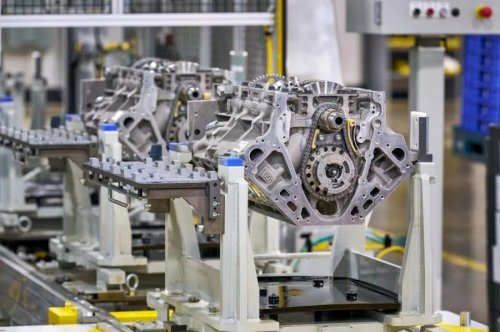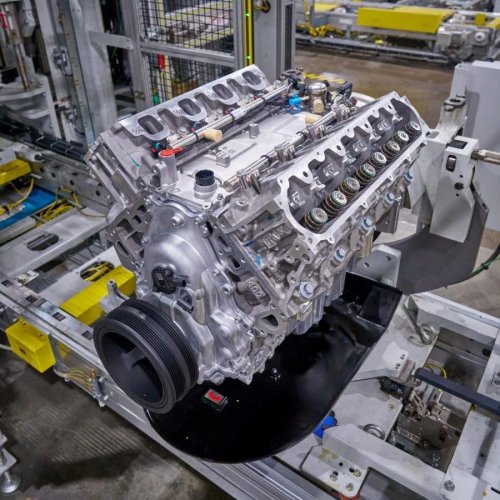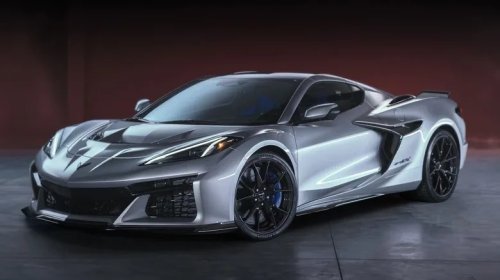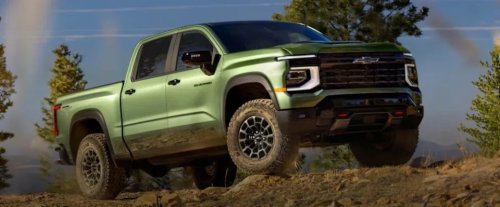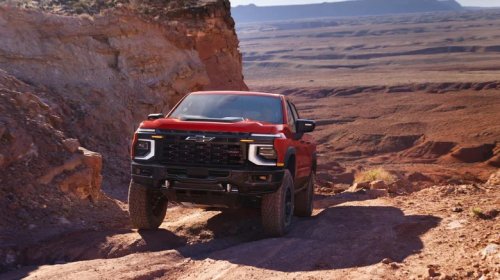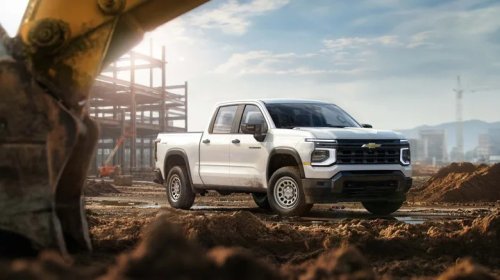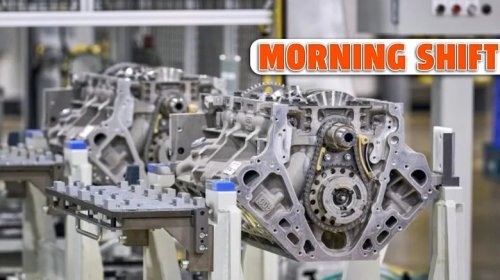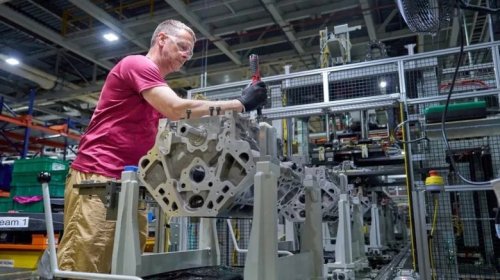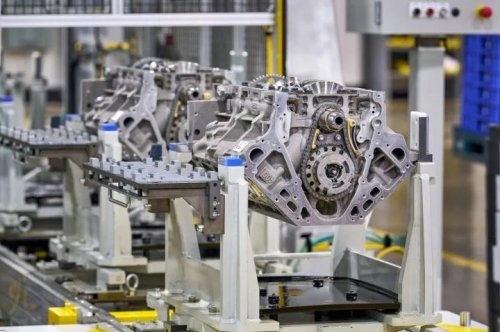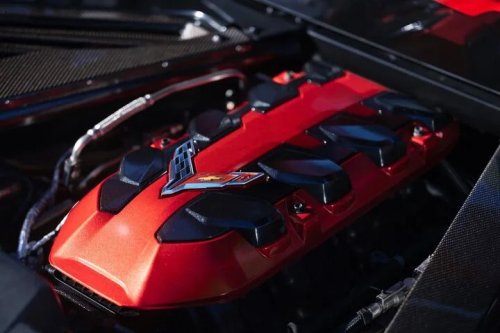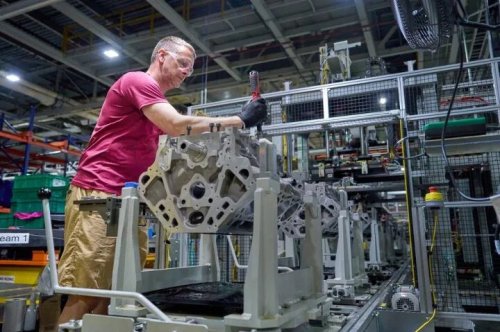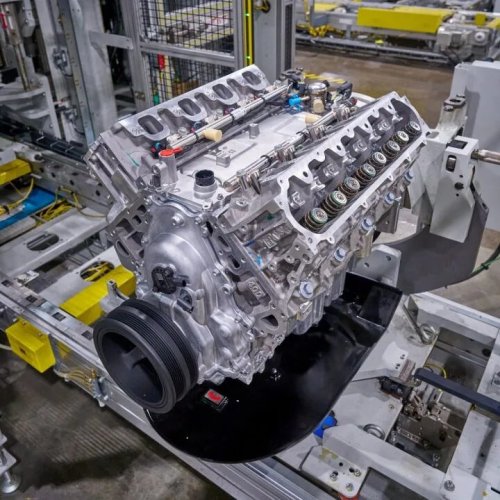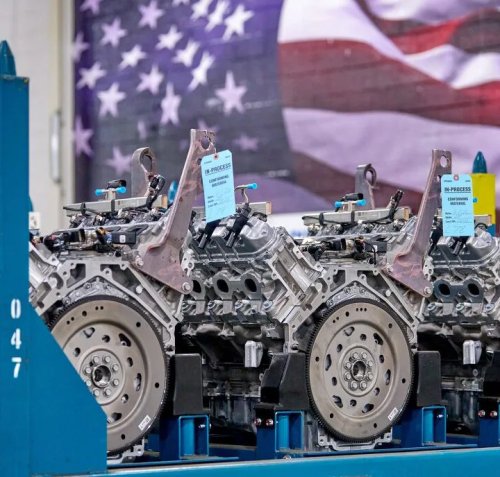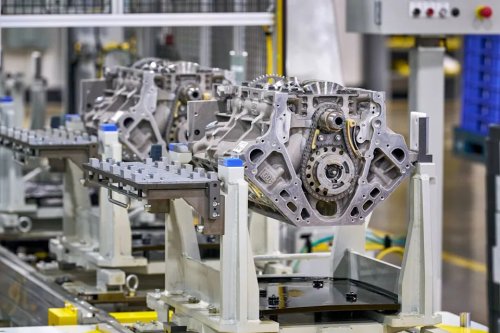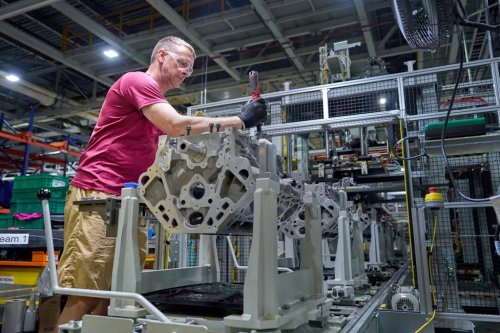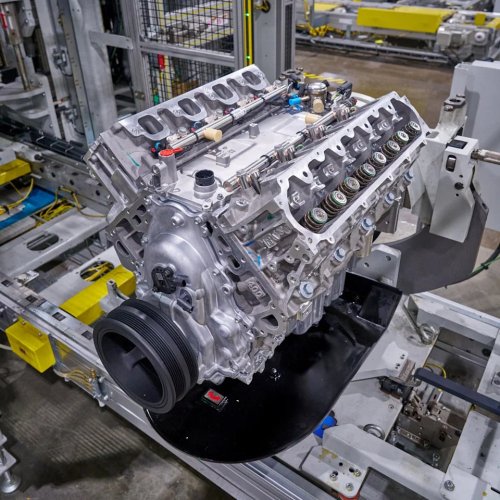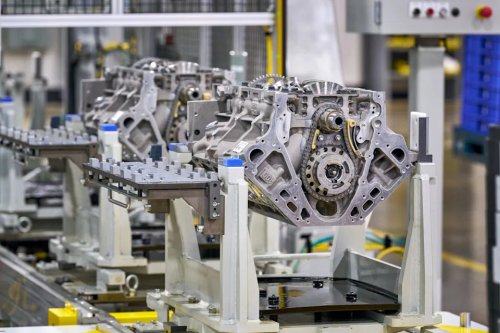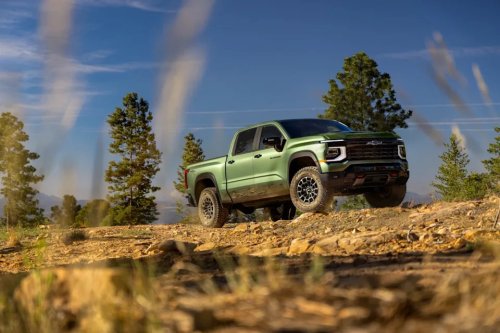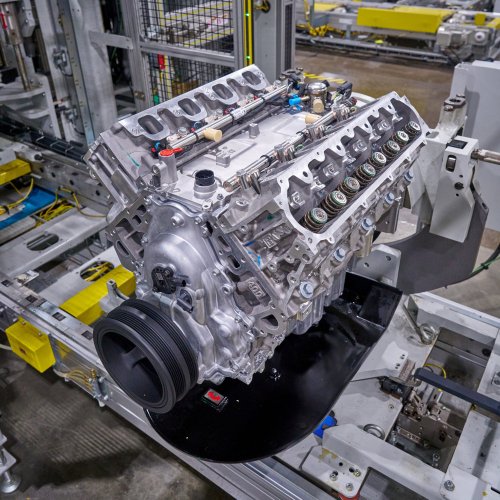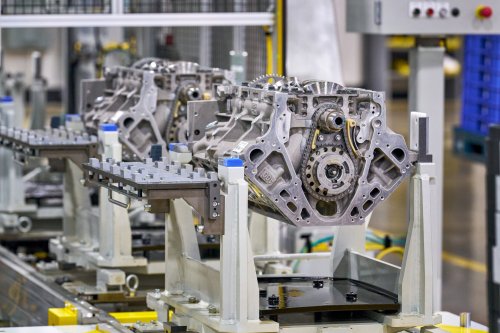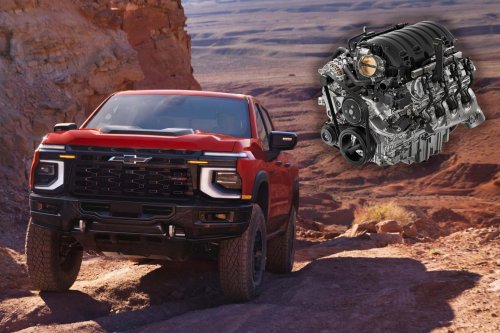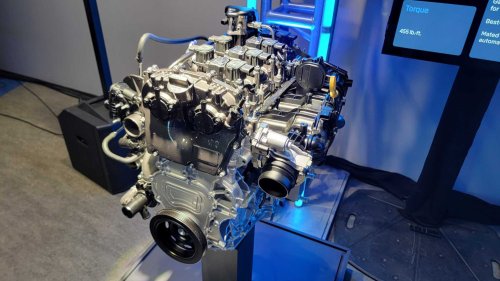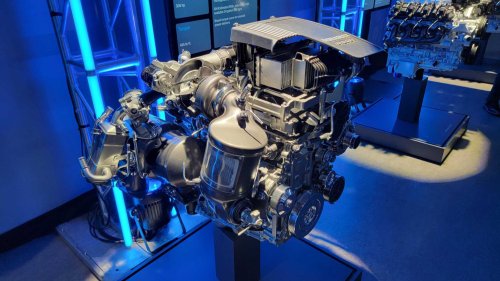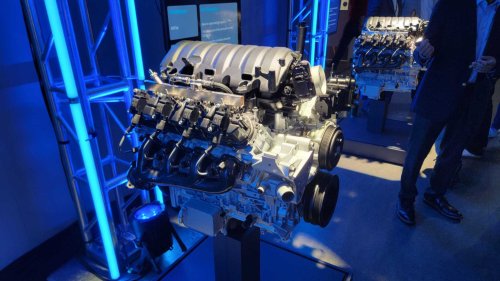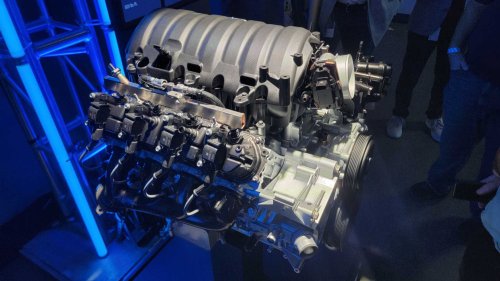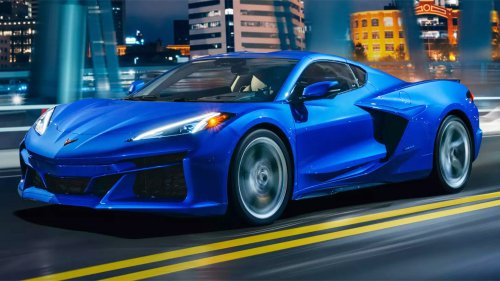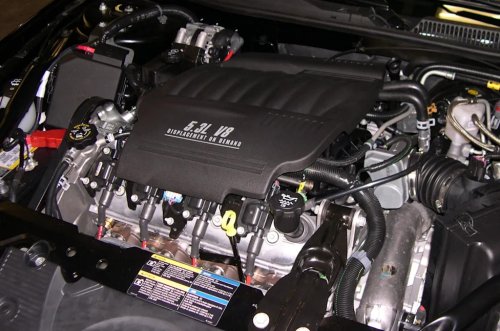
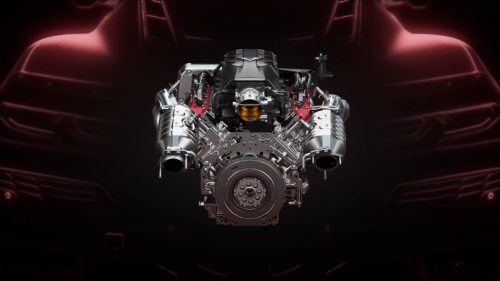
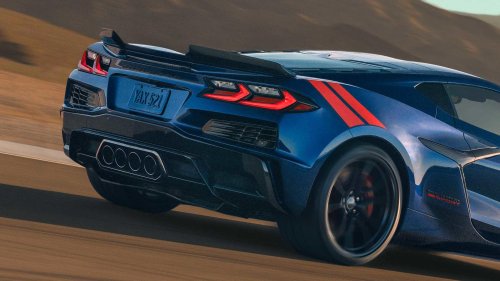
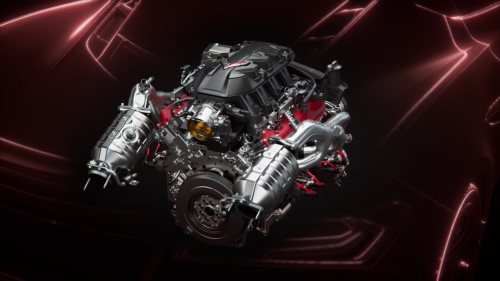
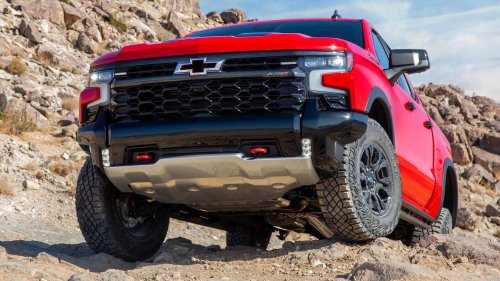
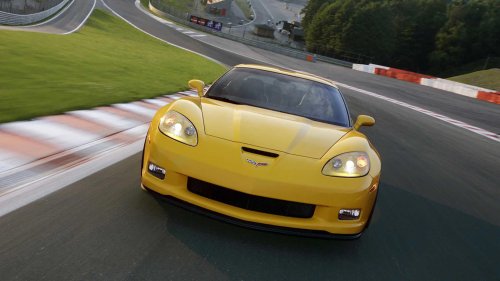
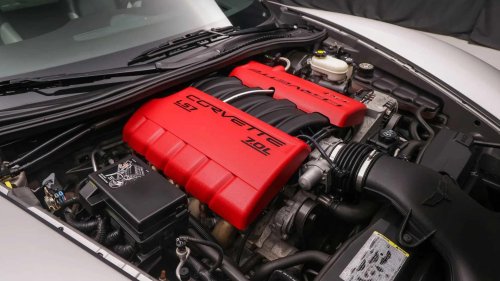
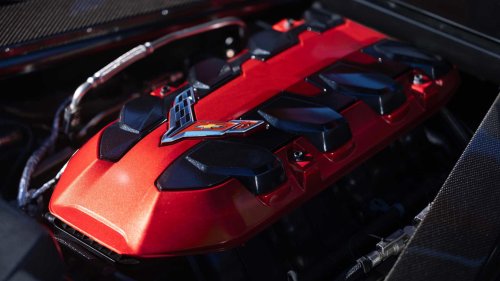
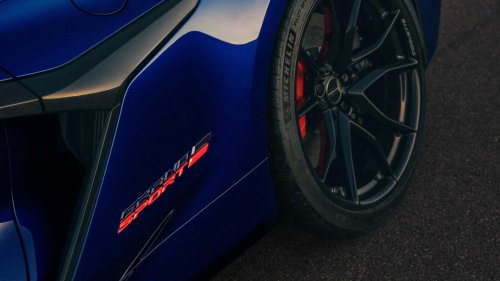
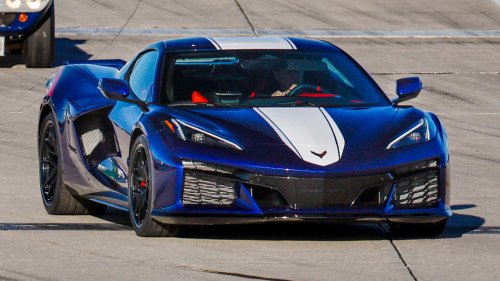



















The small block V8 has a lot of heritage and expertise built in, but its 70‑year evolution hasn’t always been a smooth one. Across seven decades, this engine family has earned a reputation for durability, tunability, and major cultural impact, but it’s also weathered its share of growing pains, supplier missteps, and high‑profile failures: most recently in models like the Chevrolet Silverado and GMC Yukon.GMC That history now matters more than ever, because the small block V8 engine has once again found itself at a bit of a fork in the road: could the engine failures plaguing the current 6.2‑liter V8 carry forward to the incoming sixth‑generation small block V8 waiting in the wings?It’s a fair question, especially with the latest rash of failures potentially affecting hundreds of thousands of units and shaking consumer confidence in one of GM’s most important powerplants.Chevrolet needs a reliability “win” from their next‑generation engine, and the stakes are high. With warranty replacements stacking up, owners reporting catastrophic failures at low mileage, and the brand’s reputation taking hits in online forums and dealer service bays, another misstep could spell catastrophe for the small block name. Thankfully, early signs suggest that the sixth-generation small block will represent a switch away from the supplier-heavy production of the previous engine, and mark a new era of quality control. A New Small Block Is Coming With Better Quality Control Chevrolet A new-generation small block V8 engine is on the immediate horizon, with its first variation set to launch in a Corvette, as the hottest new small blocks often do. The Corvette‑first rollout isn’t just tradition, either. The Corvette V8 undergoes some of the most rigorous validation testing in GM’s lineup. If the LS6 can stand up to Corvette duty, the idea is it’ll enter the pickup market with a proven stress margin.Given the public scrutiny surrounding the current 6.2‑liter V8, GM needs a high‑visibility reliability win. Look for the 6th-generation LS6 first in the upcoming 2027 Corvette Grand Sport. This very latest version of the small block V8 will be one of several variations available; think of it as the technological gene pool from which future sixth-generation small block engines will draw. A variation of this engine will replace the problematic 6.2-liter V8 in GM’s trucks and SUVs, too.It’s a clean-sheet redesign of the longest-running engine family in the industry, of course keeping the original cylinder bore spacing and compact pushrod valvetrain of the original small block intact, seven decades on. More details are forthcoming, but we know that the new LS6 intends to raise the bar thanks to engine architecture upgrades that will “soon benefit other V8-powered Chevrolets” according to the automaker, signaling the phase-out of the current and problematic engine.Chevrolet Could the problem carry over? It’s unlikely. This is a generational leap for the small block V8. While this engine has deep connections to the past and has maintained some key layout and geometric attributes since the original, virtually nothing from the previous-generation engine will carry forward, allowing the problem to be engineered out of the mix.Engine oil formulations, bearing surfaces, manufacturing processes, and quality control procedures are all updated when an engine switches from one generation to the next, and parts and processes behind the problems are (usually) debugged from the equation.Chevrolet As reported by GMAuthority, the automaker is adopting tighter quality control procedures for several key components used in the new engine, and moving critical parts production and processes in-house, where they can be more closely supervised. Some Current Small Blocks Are Self-Destructing Chevrolet For the past several years, GM pickups and SUVs powered by the up-level 6.2-liter V8 engine have been experiencing an alarming rate of failures, sometimes, more than once in a single vehicle. Dealers could pop a new engine in under warranty, but some of those replacements failed, too.There has been no shortage of headaches for owners, with highly publicized defects causing widespread recalls and failures stemming from engines that could turn themselves into scrap metal at low mileage on a moment’s notice.Note that we’re talking about the truck and SUV version of the 6.2-liter V8. The Corvette Stingray uses a different configuration and isn’t affected.Engines that are, tend to wipe themselves out at low mileage within the warranty period. We’re simplifying, but a combination of culprits, including out-of-spec engine internals and manufacturing debris, could suddenly choke the oil supply from sensitive engine internals. Without oil flow, these parts have mere seconds to live before they’re destroyed by heat and friction, taking the engine with them.Many affected drivers say that the engine runs fine until it doesn’t, at which point the engine suddenly (and loudly) ceases to be alive with little notice. This is a major safety concern, especially given the high rate of owners who use this engine to tow big, heavy things. A blown-up 6.2-liter V8 could leave your vehicle crippled or stranded on a busy highway, with minimal time to drive off the roadway. Class action lawsuits and recalls are mounting. This Isn’t The Small Block V8’s First Supplier Reliability Problem, Either ChevroletCar engines are machines made out of hundreds of individual components that may have been built to specification by a wide range of different suppliers, or built in-house by the automaker itself. It’s ultimately the manufacturer’s job to ensure the parts making it into their engines are sound, which is why both suppliers and manufacturers test the parts as part of quality control measures to make sure everything is up to spec.To simplify, the issue affecting the current 6.2-liter V8 stems in part from engine crankshafts that weren’t within acceptable specifications when they left the supplier, and somehow found their way into the engines anyway.Chevrolet Clean Sheet Redesigns Are (Historically) Good For Reliability ChevroletThe clean-sheet redesign of the small block V8 for its sixth-generation seems promising. Looking back through history for examples, we can see the 3.6-liter V6 engine family from GM go through various iterations and generations, each addressing problems of the past while pushing technology forward. Specifically, early versions suffered from timing‑chain stretch and oil‑consumption issues.After two generations of valvetrain problems, the second two generations of this popular V6 engine became solid, proven, and reliable stalwarts. Of course, a clean-sheet engine is no guarantee of a trouble-free experience, and reliability for the next-generation small block is yet to be seen.Still, don’t fall into the trap of assuming a reliability flaw can “carry over” simply because two engines share a nameplate or lineage. That’s what happened to Subaru when they earned a reputation for blowing head gaskets and ringlands: without the full story, many shoppers just lumped all Subaru engines together as problematic, which wasn’t the case.Chevrolet In reality, supplier-related failures like these are tracked down to specific sources that are easily addressed when it’s time for a new engine to come along. The new sixth-generation small block is exactly that type of reset. With a new block architecture, rotating assembly, fueling strategy, and machining workflow, the failure points from the current 6.2-liter engine are easy to work out of the equation.Chevrolet The new sixth‑generation small block is arriving at an important moment for GM. With current engine failures eroding customer confidence in some of GM’s top-selling models, there’s a chance to bend reliability and reputation back in the right direction with the new LS6.Sources: GMAuthority, CorvetteActionCenter, Chevrolet