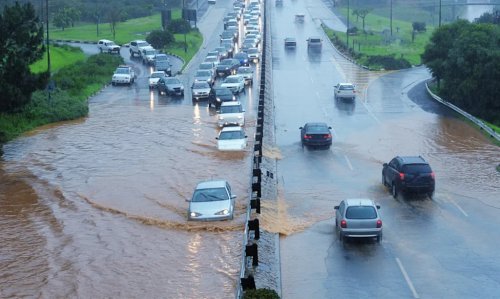
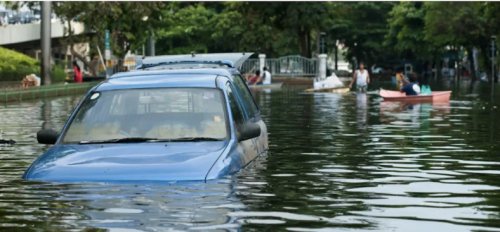
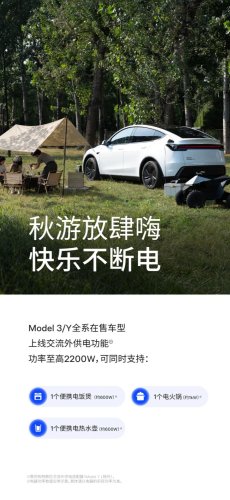
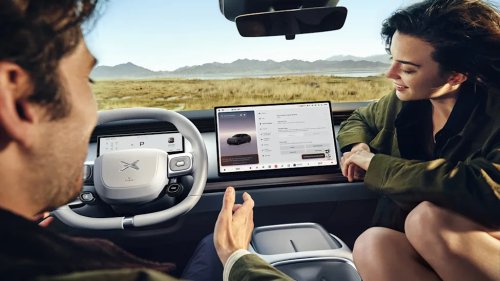
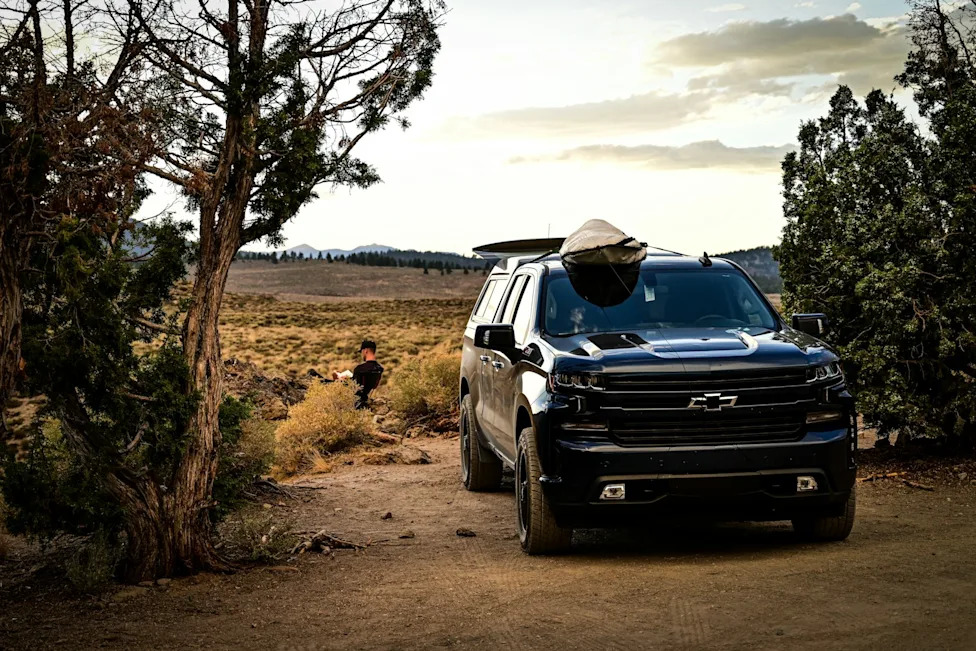
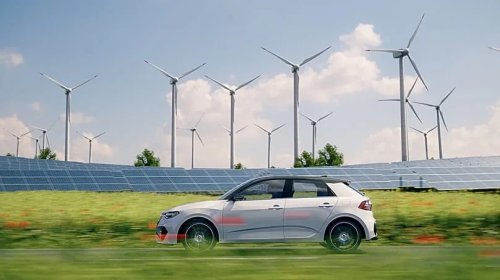
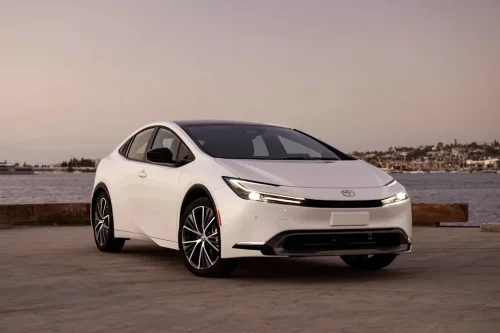
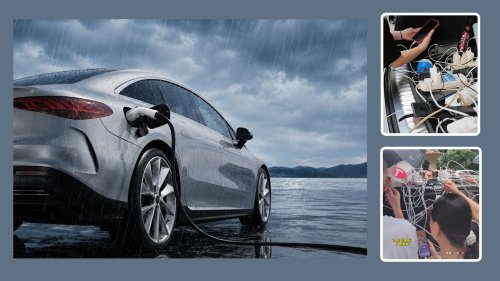
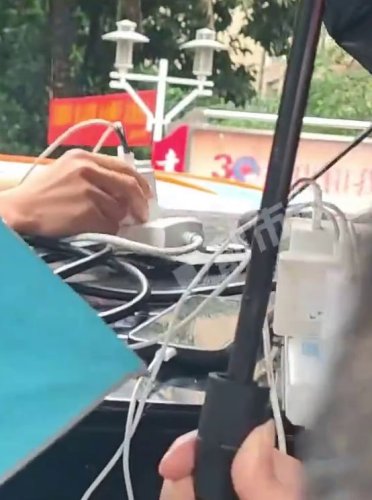
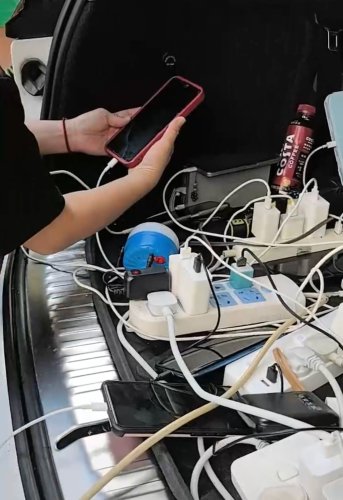
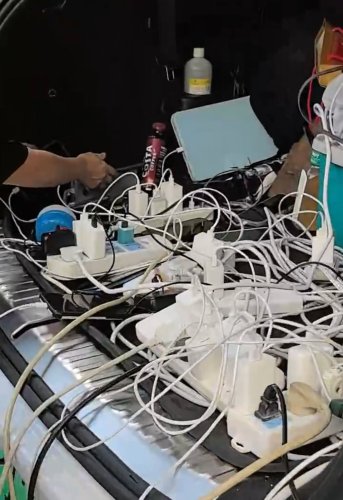
China's flood victims are using NEVs as a source of emergency power. Image modified by CarNewsChina. Understand China EV’s Market Real-time notifications when critical EV data is released All important data in one place 2,000,000+ data points Become a member China’s Guangxi region is suffering from severe flooding after historic rainfall from Typhoon Mesaak. State media reports that amid power outages, Chinese new-energy vehicle (NEV) owners are turning to their cars for electricity and using vehicle-to-load (V2L) tech to power their communities. While some BYD owners have formed volunteer convoys to deliver supplies, Southern Metropolis Daily reports that NEV owners in Guangxi have turned their cars into makeshift power stations, providing AC power to residents who need to charge their phones. Residents surround an NEV in V2L mode. Credit: Southern Metropolis Daily The sustained rainfall and resulting floods have led to widespread power outages across the region, disrupting communications and hampering rescue efforts. NEVs now serve as a lifeline for those affected, with one video showing power-hungry residents crowding around a Geely EX2 (also known as the Xingyuan in China). Using NEVs as a source of emergency power is not unprecedented. Similar scenes occurred when Henan province in China experienced heavy flooding in 2021. Footage shows that by daisy-chaining several extension cords, a single NEV can charge phones for 20 to 30 people, albeit with some risk. Scenes from the 2021 Henan floods. Credit: Shi Xiong Ping Ce China EV DataTracker shows that in June 2026, 62.9% of all new cars sold in China were NEVs. As the market share of NEVs expands, more people will have access to V2L tech, providing crucial lifelines in times of need. V2L – How do NEVs provide AC power? Modern EVs, plug-in hybrids (PHEVs), and extended-range EVs (EREVs) typically employ bi-directional on-board chargers (OBC). In this context, the term “bi-directional” refers to the ability of the charger to convert alternating current (AC) from the power grid to direct current (DC) for the battery, and to convert DC to AC in the other direction. This also means that the NEV can act as an inverter, using energy from the battery to provide AC plug power at the charge port. This is known as vehicle-to-load (V2L). Certain PHEVs and EREVs offer a “camping mode” that allows owners to generate electricity for V2L while parked. Three-phase AC charging is uncommon in China, with most NEVs limited to 6.6 kW of AC charging and V2L power. However, some entry-level NEVs, like the Geely EX2 and BYD’s cheaper DM-i models, are limited to 3.3 kW of V2L power. Geely’s Riddara RD6, capable of three-phase 36 kW AC V2L. Credit: Geely A notable V2L-capable NEV is Geely‘s Riddara RD6 pickup truck. Specialising in China’s drone-based “low-altitude economy”, Geely says the RD6 offers up to 36 kW of three-phase AC V2L “VTOL” power, likely referring to its intended use of recharging drones. Source: Southern Metropolis Daily, 163.com, Geely, Weibo – Shi Xiong Ping Ce























 +56 others