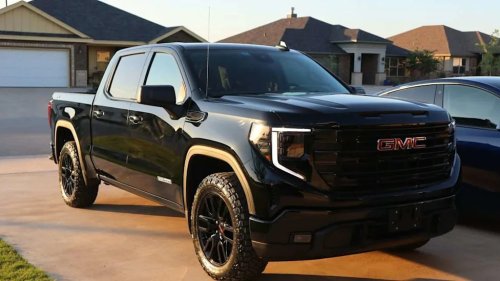
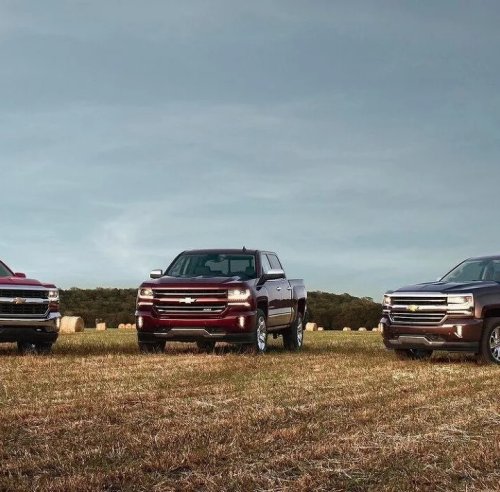
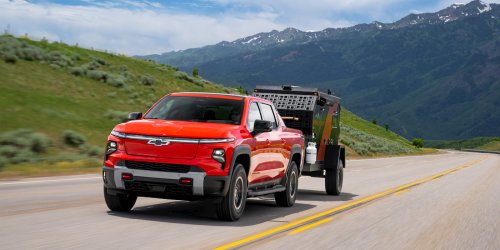
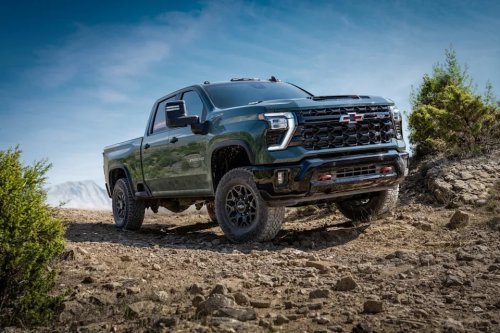
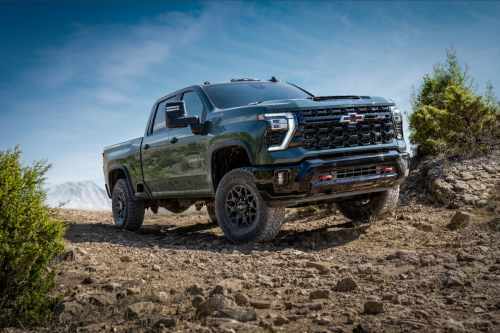
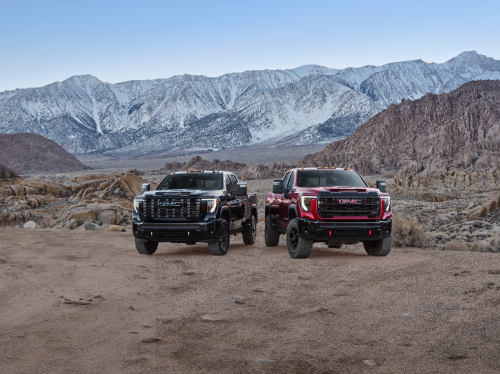
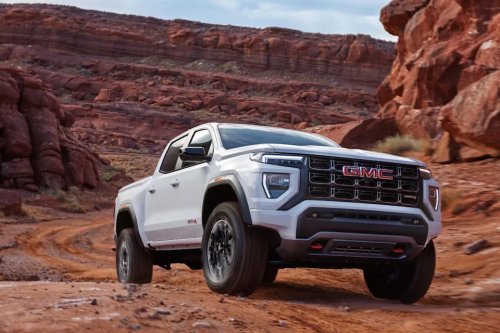
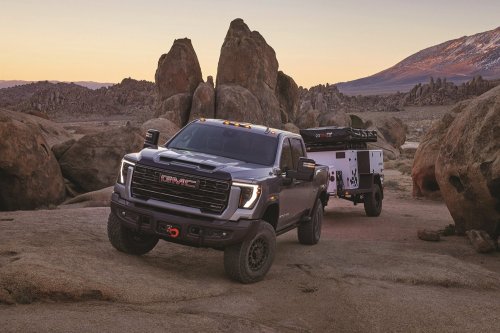
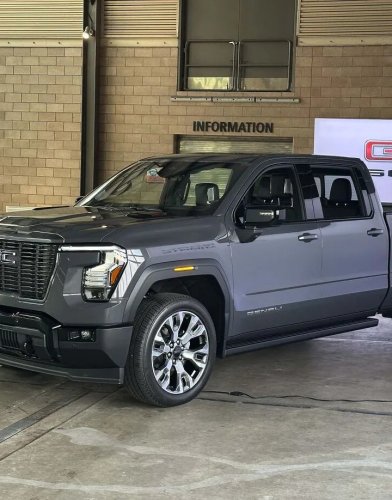
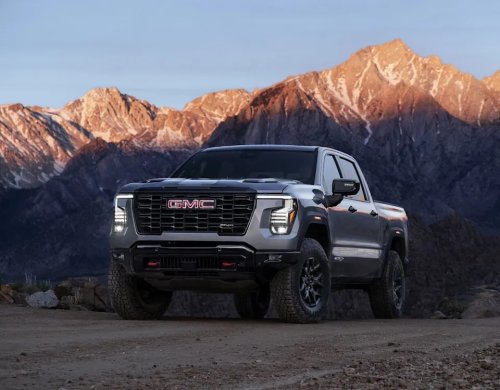
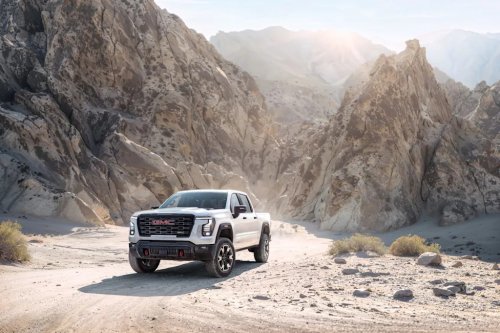
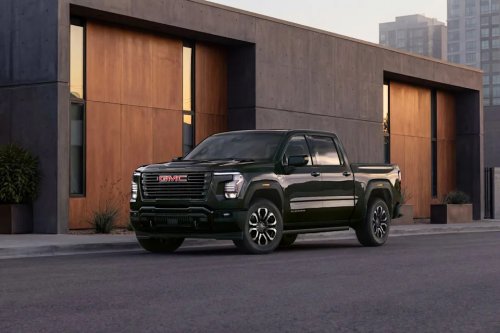
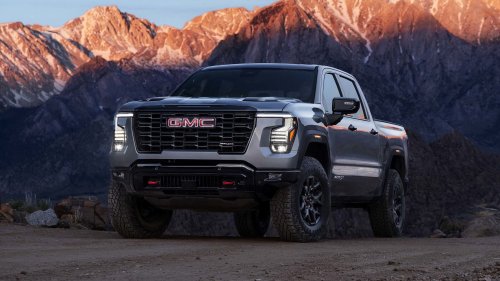
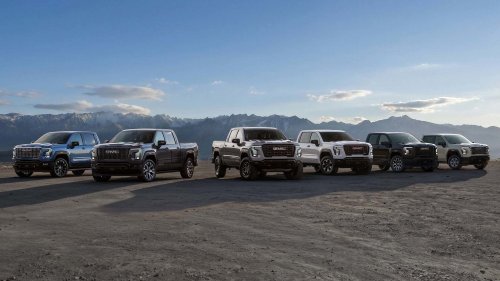
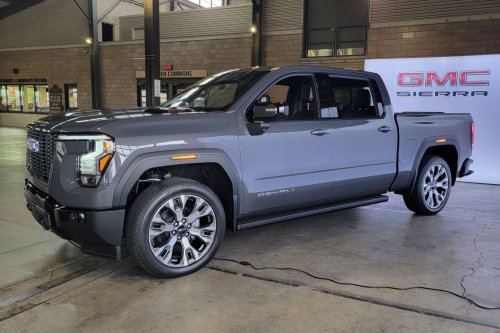
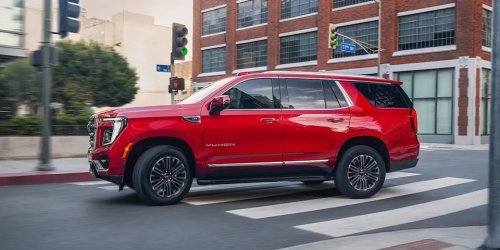
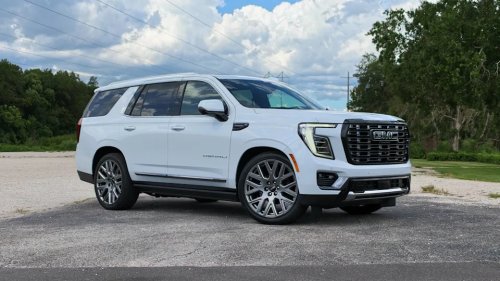
2026 GMC Canyon Fuel Economy vs Mid-Size 4WD Truck Competition: What the Numbers ShowThe 2026 GMC Canyon competes in a mid-size truck segment where fuel economy separates practical work vehicles from gas station visits every other day. This analysis compares official EPA ratings and real-world driving data across four-wheel-drive configurations to identify which trucks deliver measurable efficiency when you need 4WD capability.What Official EPA Numbers Tell YouWithout access to verified 2026 GMC Canyon EPA ratings, current documented figures show the segment benchmark. The 2025 Canyon 4WD with the 2.7-liter turbo engine achieves 18 city / 20 highway / 19 combined MPG according to EPA testing. That baseline matters because it sets the competitive floor for comparison. The Toyota Tacoma 4WD with the 2.4-liter turbo posts 19 city / 24 highway / 21 combined MPG per EPA documentation. The Chevrolet Colorado shares the Canyon's powertrain and returns identical ratings. Nissan Frontier 4WD records 17 city / 22 highway / 19 combined with its 3.8-liter V6. The Jeep Gladiator 4WD manages 16 city / 23 highway / 19 combined MPG with the 3.6-liter V6. These are test-cycle numbers. Real roads produce different results.Highway vs Off-Road: Where Efficiency ChangesHighway driving rewards aerodynamics and gearing. Off-road driving punishes both. Four-wheel-drive trucks lose 1 to 3 MPG compared to two-wheel-drive configurations because transfer cases, front differentials, and driveshafts add rotating mass and friction losses. The Tacoma has an aerodynamic advantage due to its lower hood height and smaller frontal area. That translates to sustained 23-24 MPG on the highway, according to user reports on the TacomaWorld forums. The Canyon and Colorado share GM's larger grille opening, which creates measurable drag at sustained speeds of 70 mph. Off-pavement scenarios change the equation. Crawling over rock sections or navigating mud at 5-15 mph drops fuel economy below 10 MPG for all tested trucks. Engine load increases. Tire slip wastes torque. The advantage shifts to torque curve and gear spacing rather than aerodynamics.Real-World Owner Data: What Forums ReportCanyon owners on GMCCanyon.com report 17-19 MPG combined in mixed driving, roughly matching EPA estimates. Highway-only trips yield 21-22 MPG at a 65-mph cruise speed. City driving in stop-and-go traffic drops to 15-16 MPG. Tacoma owners consistently report 20-22 MPG combined, with highway runs reaching 25-26 MPG. The Tacoma's lighter curb weight (4,200 pounds versus the Canyon's 4,500) and eight-speed transmission contribute to those gains. Frontier owners note 18-20 MPG combined driving. The Frontier's V6 delivers strong low-end torque but lacks the efficiency of smaller turbocharged engines at steady cruise speeds. Gladiator drivers accept 17-18 MPG as the cost of removable doors and a fold-down windshield. Aerodynamic compromises extract a measurable penalty.Engine Configuration Impact on MPGThe Canyon's 2.7-liter turbocharged four-cylinder produces 310 horsepower and 430 pound-feet of torque. Turbo lag exists below 2,000 rpm, which affects city driving efficiency. The eight-speed automatic transmission hunts for gears in urban traffic patterns. The Tacoma's 2.4-liter turbo-four generates 278 horsepower and 317 pound-feet. Less power means the engine works harder under load, but the transmission calibration prioritizes efficiency over quick shifts. The Frontier's naturally aspirated 3.8-liter V6 avoids the complexity of a turbocharger. It returns consistent fuel economy across elevation changes and temperature ranges. No turbo means no boost threshold to manage.4WD vs 2WD: Quantifying the PenaltySwitching from two-wheel drive to four-wheel drive costs 1-2 MPG in EPA testing. The Canyon 2WD posts 19 city / 22 highway versus 18 city / 20 highway for the 4WD model. That 2-MPG highway difference amounts to 40 miles of range on a 20-gallon tank. The Tacoma shows a similar pattern: 20 city / 24 highway in 2WD versus 19 city / 24 highway in 4WD. The Colorado mirrors Canyon numbers exactly due to shared architecture. If your driving rarely requires four-wheel drive, those 2 MPG matter over 100,000 miles. At $3.50 per gallon, the difference amounts to approximately $875 in fuel costs, based on EPA combined ratings.Cost Per Mile AnalysisThe Canyon achieves 19 MPG combined in 4WD configuration. At $3.50 per gallon, that equals $0.184 per mile. Over 15,000 annual miles, fuel costs reach $2,763. The Tacoma at 21 MPG combined costs $0.167 per mile, totaling $2,500 annually. That $263 yearly difference compounds over ownership periods. The Frontier matches the Canyon at $0.184 per mile. The Gladiator's 18 MPG combined raises costs to $0.194 per mile, or $2,917 annually.Tips for Maximizing 4WD Truck EfficiencyRun two-wheel drive on pavement. Engage four-wheel drive only when traction demands it. The transfer case adds parasitic drag you do not need on dry roads. Reduce highway speed from 75 mph to 65 mph. Aerodynamic drag increases exponentially. That 10-mph reduction yields 2-3 MPG on most mid-size trucks. Check tire pressure weekly. Under-inflated tires increase rolling resistance. The Canyon's recommended 35 psi drops to 32 psi after temperature changes, costing 1 MPG. Remove roof racks and tonneau covers when not hauling gear. A roof-mounted tent platform costs 2-4 MPG at highway speeds.What the Numbers Mean for BuyersThe Tacoma delivers measurable fuel economy advantages on the highway. If your use case prioritizes commuting with occasional off-road capability, it returns the lowest operating costs. The Canyon and Colorado offer more power and payload capacity at the cost of 1-2 MPG. That trade-off makes sense for towing or hauling heavy loads regularly. The Frontier provides middle-ground performance with proven V6 reliability. The Gladiator accepts efficiency penalties for unique capability. Current mid-size 4WD truck options cluster within 2 MPG combined. Real operating costs depend on your specific driving patterns, not EPA test cycles.



















 +15 others