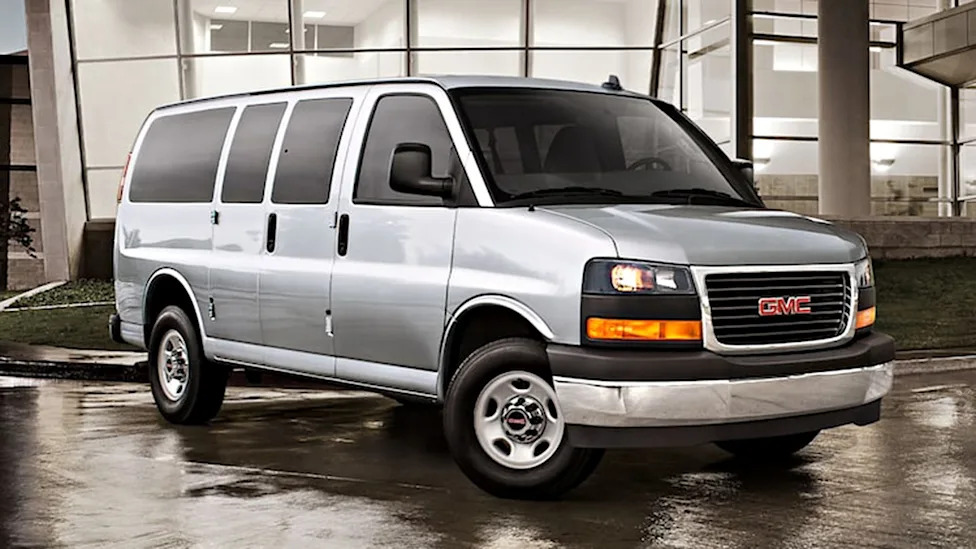
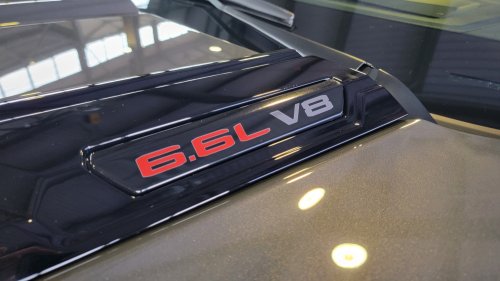
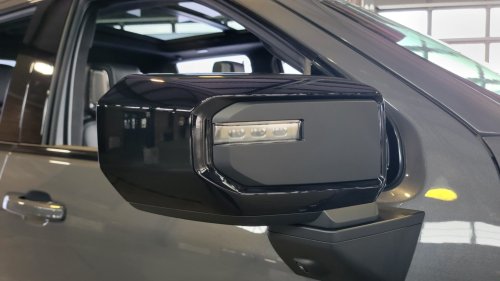
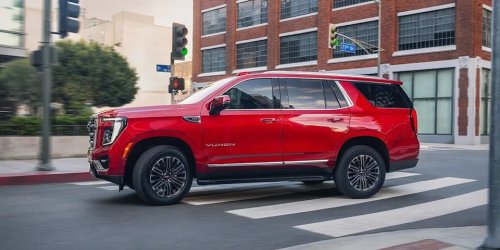
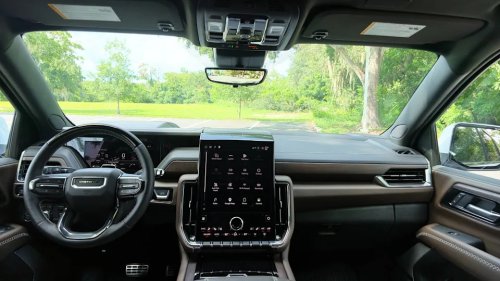
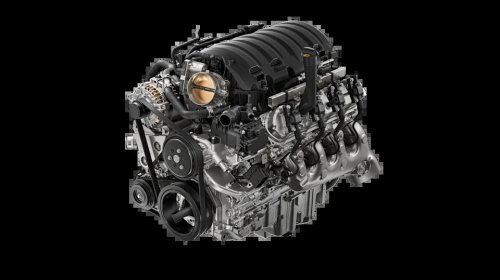
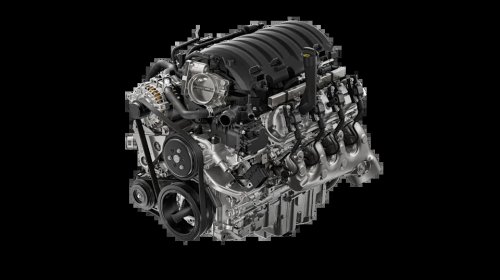
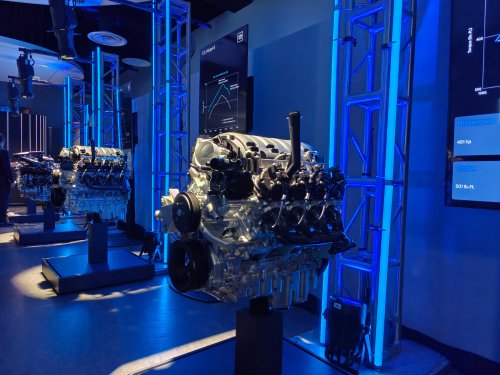
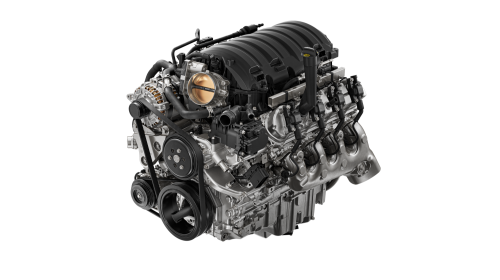
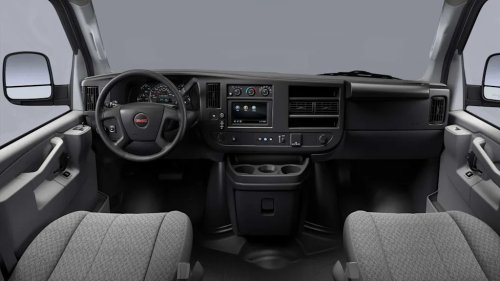
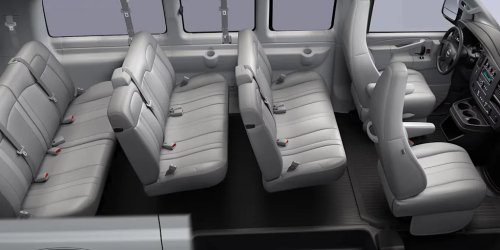
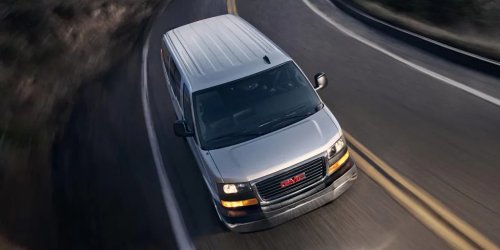
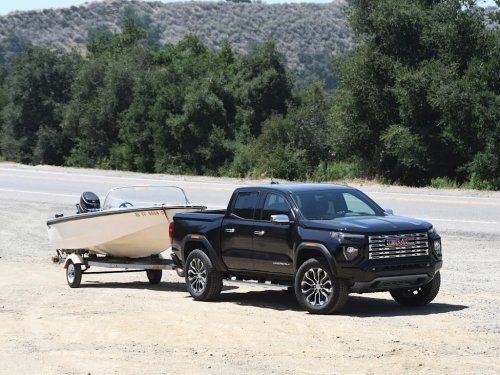
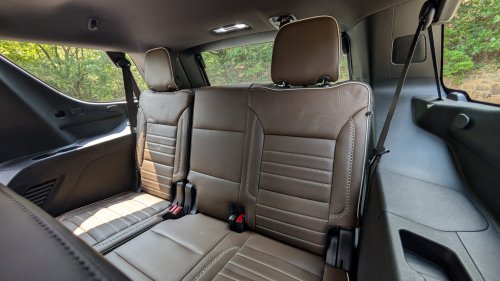
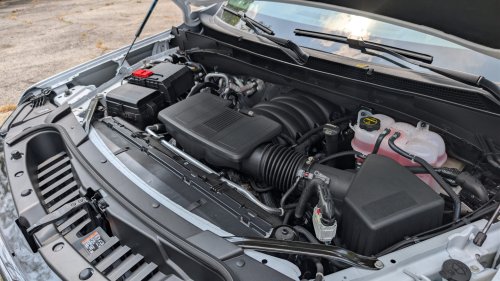
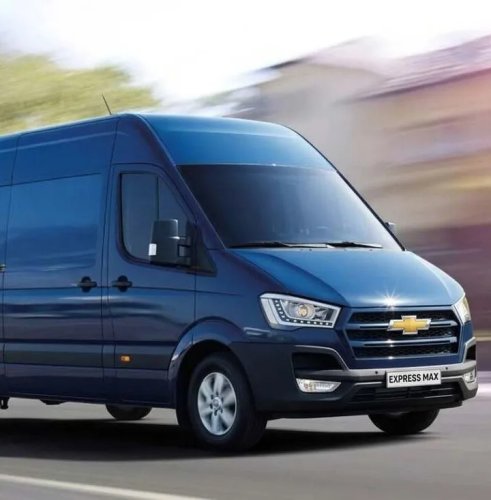
2027 GMC SavanaMotorTrendExcellent V-8 towingProven, fleet-friendly platformFlexible upfit configurationsVery dated cabinNo high-roof optionLimited standard safety techThe 2027 GMC Savana carries over unchanged, which tells you almost everything about its mission. This is a full-size commercial van built around familiar hardware, long-running fleet appeal, and serious work capability rather than modern design.Available as a cargo van, passenger van, or cutaway, the Savana remains a durable tool for buyers who value simplicity and upfit flexibility. Work van rivals include the Ford Transit, Mercedes-Benz Sprinter, and Ram ProMaster.What We ThinkThe Savana is proof that a commercial van doesn't need to feel new to remain useful. Its basic formula has been in use for decades, but that also means fleets, upfitters, and service departments know exactly what they're getting: rear-wheel drive, simple controls, V-6 or V-8 power, and cargo, passenger, or cutaway configurations built around work.AdvertisementAdvertisementThere are still good reasons to consider one. The Savana offers strong payload ratings, excellent V-8 towing capacity, and a familiar, straightforward layout that favors durability over flash. For buyers who need a shuttle, cargo hauler, service van, or upfit-ready cutaway, the GMC can still make sense as a practical tool.The harder sell is, well, everything else. Newer rivals such as the Ford Transit, Ram ProMaster, and Mercedes-Benz Sprinter offer more modern interiors, better available tech and safety features, high-roof body styles, and more forward-looking powertrain options.The Savana remains capable, but unless its towing strength, V-8 engine, or fleet familiarity are must-haves, most shoppers will find more well-rounded choices elsewhere.Top-Ranked Competitors:Ram ProMasterFord TransitMercedes-Benz SprinterChevrolet ExpressPerformanceThe 2027 Savana starts with a 4.3-liter V-6 that makes a respectable 276 horsepower and 298 lb-ft of torque. Buyers who need more muscle can step up to the 6.6-liter V-8, which raises output to 401 hp and 464 lb-ft. Every Savana uses an eight-speed automatic transmission and rear-wheel drive.AdvertisementAdvertisementThose numbers are competitive for the class. The base Ford Transit's smaller V-6 makes slightly less power at 275 hp and 260 lb-ft, while the Ram ProMaster's sole 3.6-liter V-6 matches the Savana's horsepower but trails well behind with 250 lb-ft of torque.Payload and TowingThe Savana is strongest when the job involves towing. Properly equipped V-8 models can pull up to 10,000 pounds, giving the Savana a clear advantage over the Ford Transit and Ram ProMaster, which top out at 6,900 and 7,130 pounds, respectively.Payload is more competitive than class leading. The Savana can carry up to 4,280 pounds with the regular-wheelbase body or 4,090 pounds with the long-wheelbase model. That edges close to the Ram ProMaster's 4,820-pound maximum, but it falls short of the Ford Transit's 6,542-pound rating.Safety FeaturesEvery 2027 GMC Savana includes hill start assist, a tire pressure monitoring system, and StabiliTrak, GMC's electronic stability control system. Other driver assist features remain optional and include a lane departure warning and Safety package that adds rear parking sensors and blind-spot monitoring.Cargo Space and Interior RoomThe Savana offers plenty of space, but its packaging depends heavily on configuration. Cargo Van models provide 239.4 cubic feet of room behind the first row with the short wheelbase or 283.6 cubic feet with the long wheelbase, and they can be ordered with a second row to seat up to five passengers.AdvertisementAdvertisementPassenger van models come standard with four rows and seating for 12. With the seats in place, cargo space behind the first row measures 218.5 cubic feet in short-wheelbase form and 255.5 cubic feet with the long wheelbase. The Savana Cutaway is much more specialized, seating just two before being upfitted for jobs such as ambulance or shuttle service.Front-seat space is competitive. Every Savana provides 41.4 inches of front legroom, narrowly beating the Ford Transit's 41.3 inches and comfortably topping the Ram ProMaster's 38.8 inches.TechnologyInfotainmentThe Savana's in-cabin tech is overdue for an update. Every 2027 model comes with a 7.0-inch touchscreen, AM/FM stereo, Bluetooth audio streaming, and 5G Wi-Fi capability.Sound SystemMost Savana models come with a basic two-speaker setup, with one speaker in each front door. Passenger Van models get four speakers standard, and the four-speaker system is optional on other configurations.Available UpgradesGMC offers several practical upgrades aimed at commercial and fleet users. Depending on configuration, the 2027 Savana can be equipped with keyless entry, remote start, cruise control, rear air conditioning, a power driver's seat, a chrome appearance package, a sliding passenger-side door, bumpers with step pads, and a full-body window package.AdvertisementAdvertisementWork-focused options include a heavy-duty alternator, heavy-duty battery, heavy-duty locking rear differential, and the ability to delete the standard floor covering for easier customization. The Cargo van is also available with Ambulance and Hotel Shuttle packages, while the Savana Cutaway can be ordered with School Bus and Shuttle Bus packages for specialized upfitting needs.ValueThe full-size commercial van class is small, but the Savana faces rivals that feel much more current. The Ford Transit, Ram ProMaster, and Mercedes-Benz Sprinter all offer newer interiors, broader configuration choices, and technology that better reflects what many drivers now expect.Powertrain variety is another advantage for the competition. Ford, Ram, and Mercedes-Benz all offer electric van options, giving fleet buyers a path toward lower fuel use. Those same rivals also include Apple CarPlay and Android Auto compatibility, features the Savana still lacks despite their everyday usefulness for routing, navigation, and driver connectivity.Still, the Savana's old-school approach has its own appeal. Its naturally aspirated V-6 and V-8 engines are familiar, proven, and well-suited to heavy-duty use, especially for buyers focused on towing and hauling. Add in a relatively low starting price, and the Savana can still make sense for fleets that value simplicity and capability over modern features.