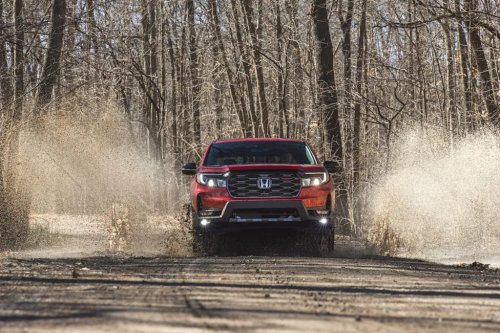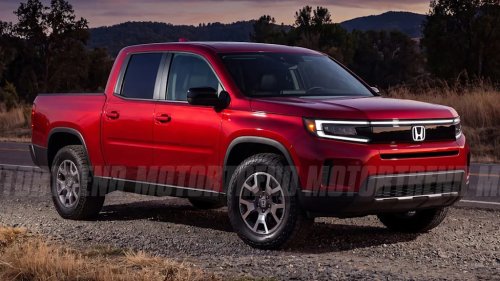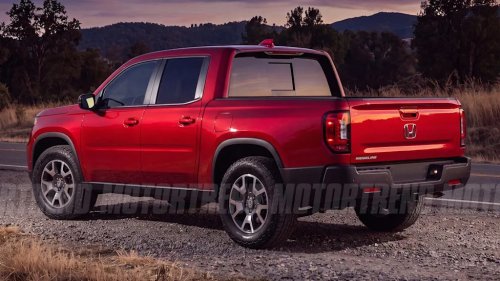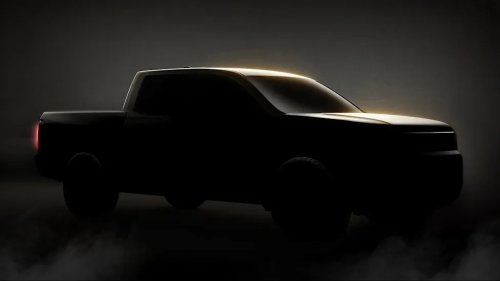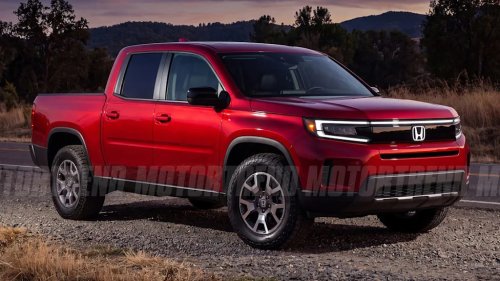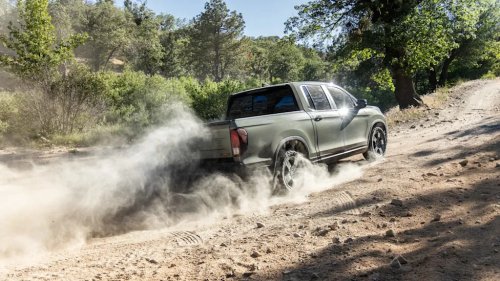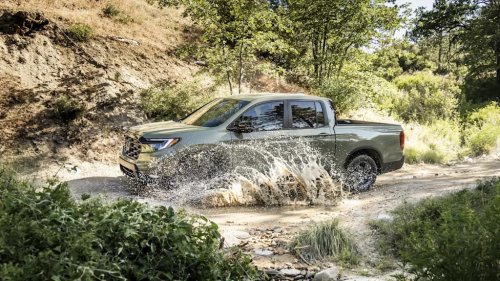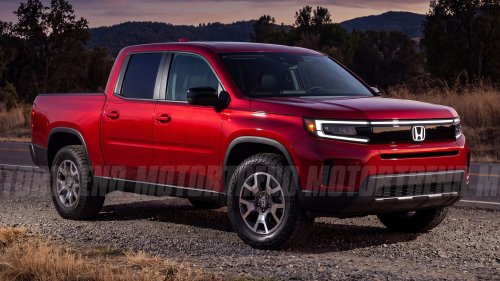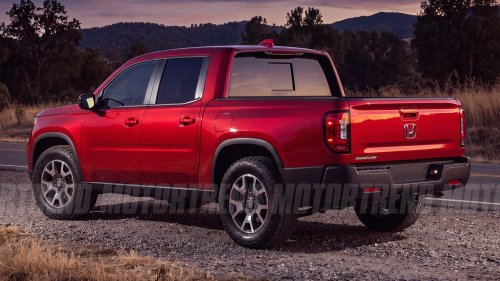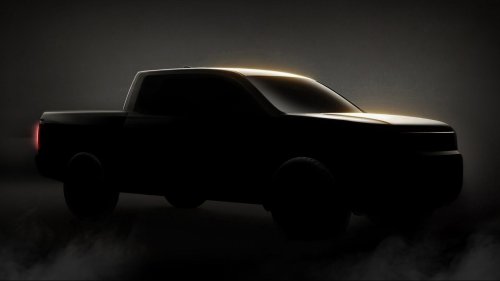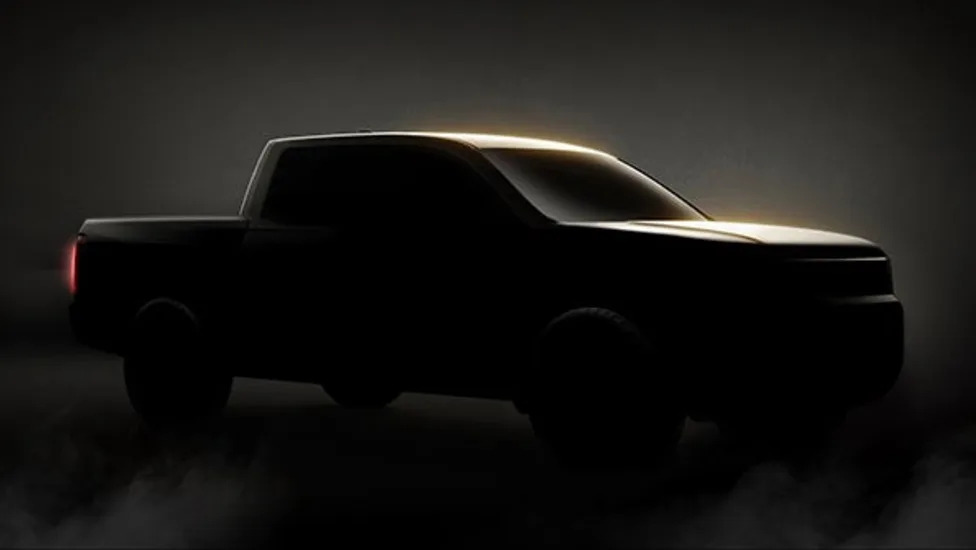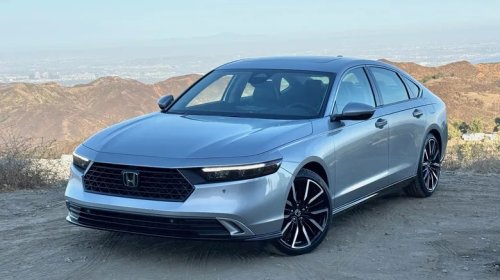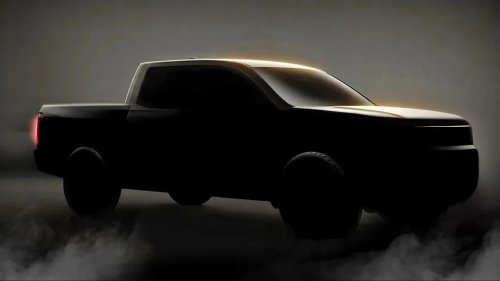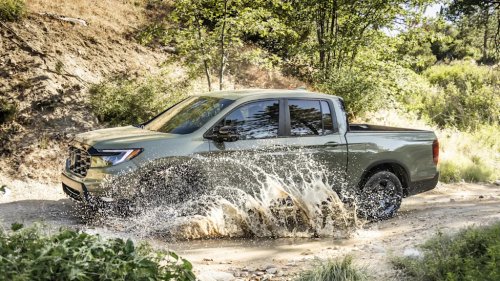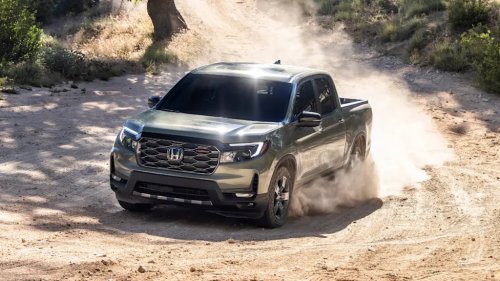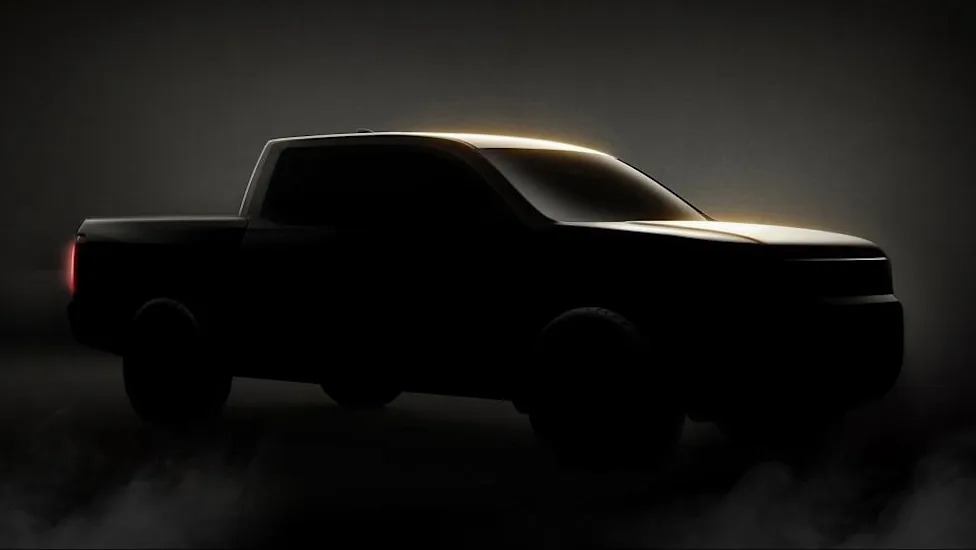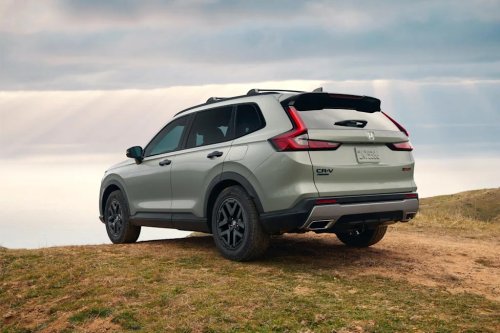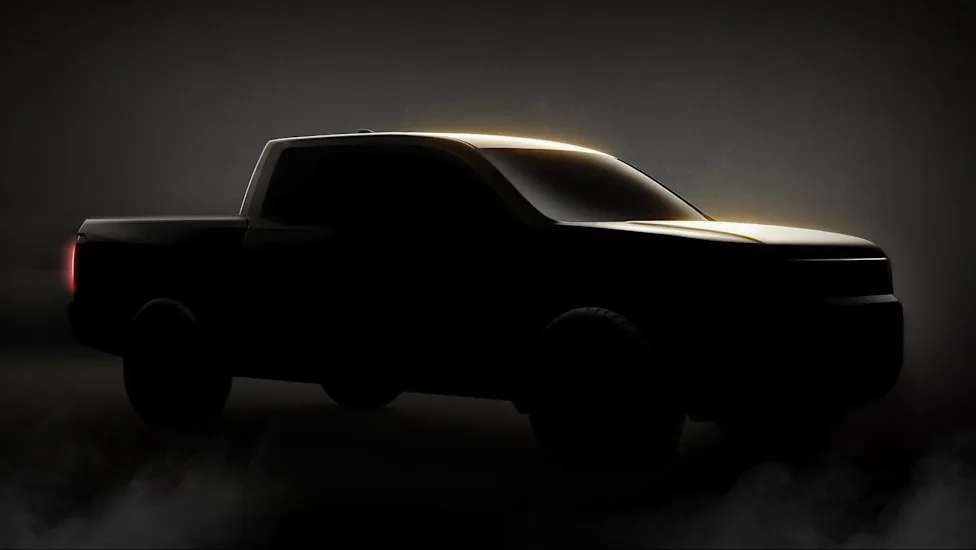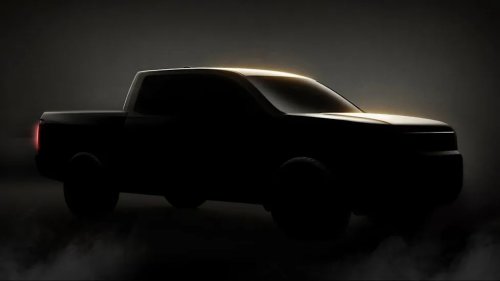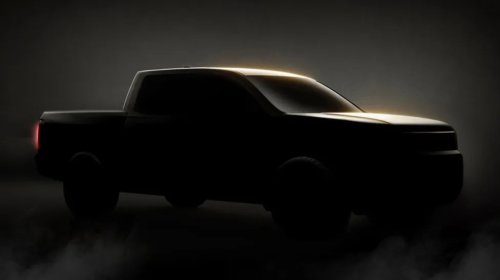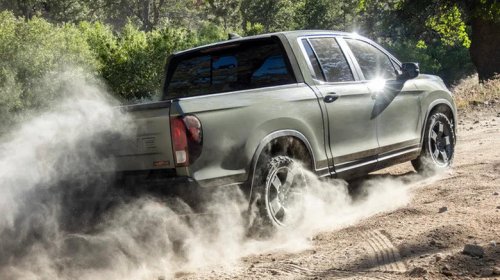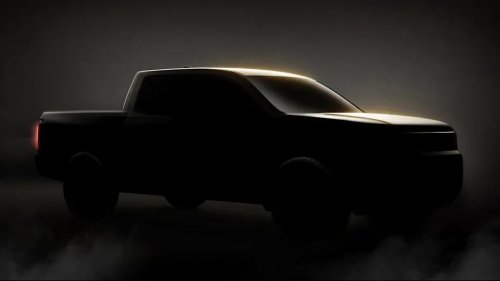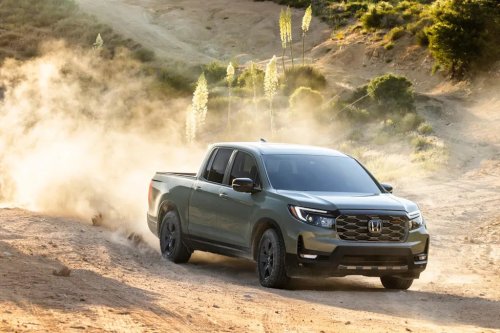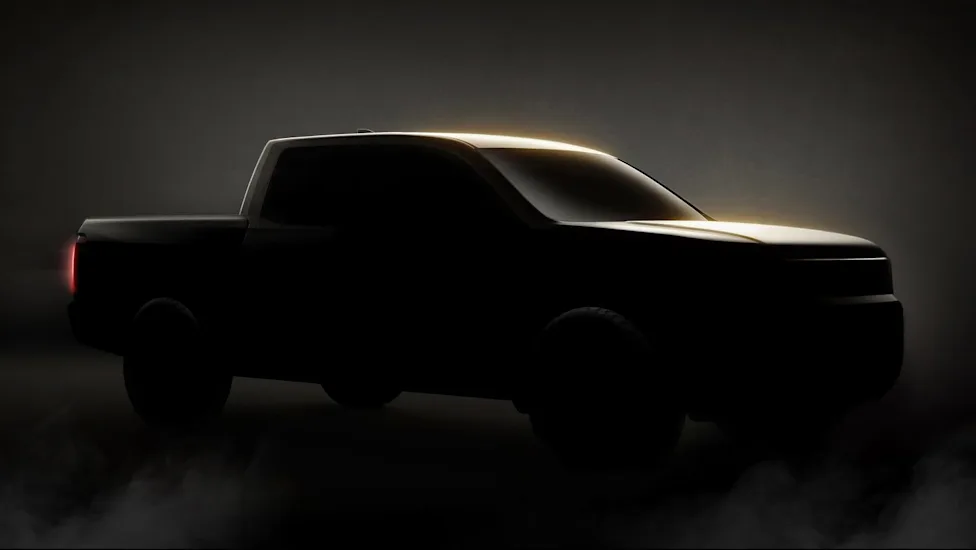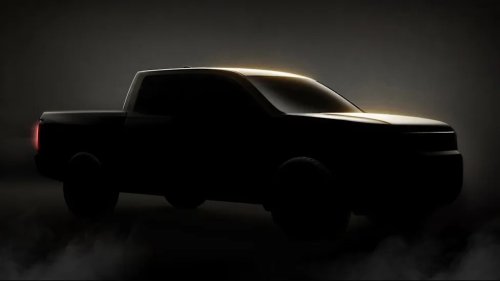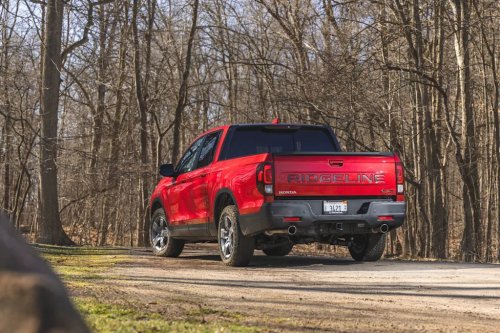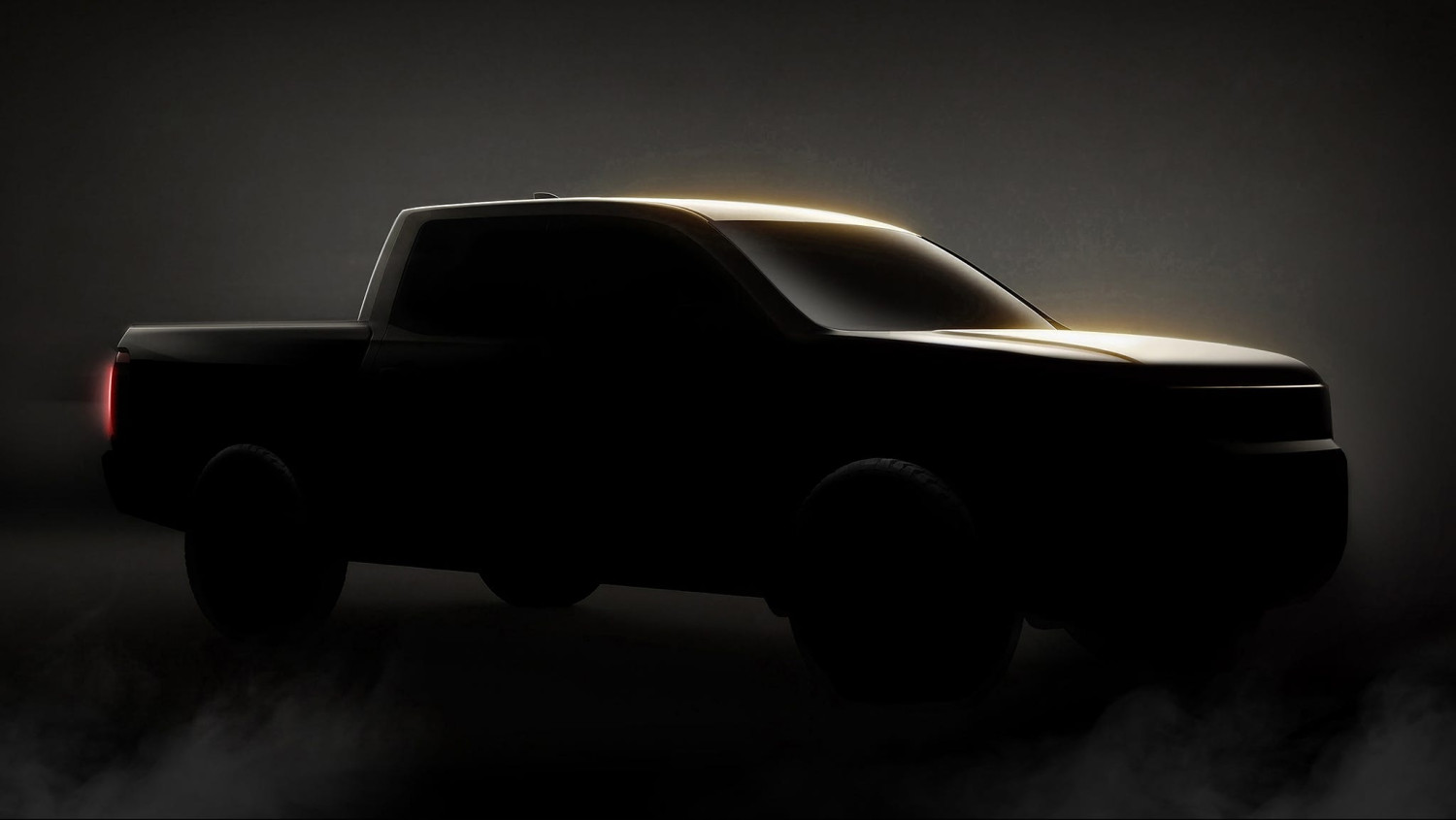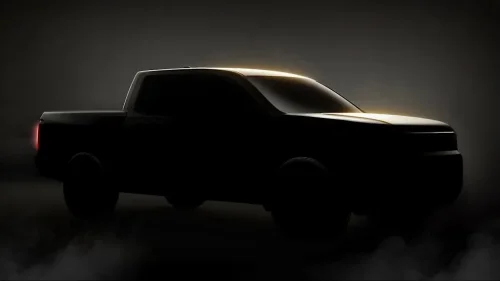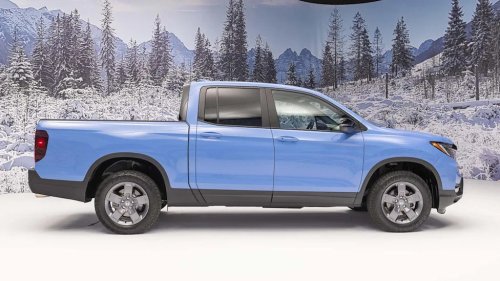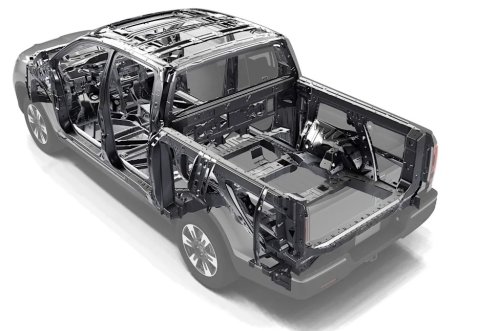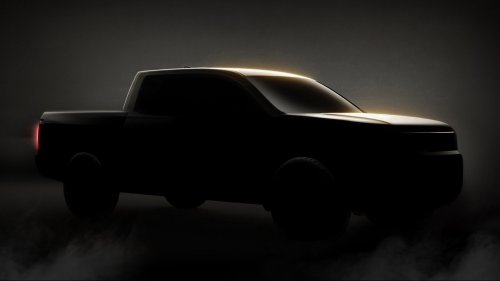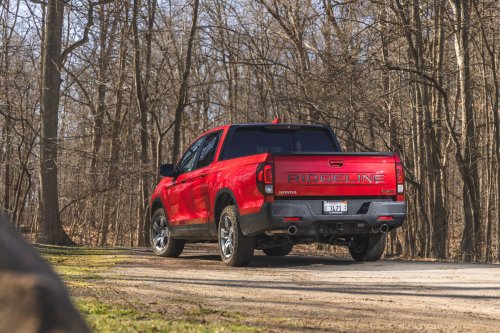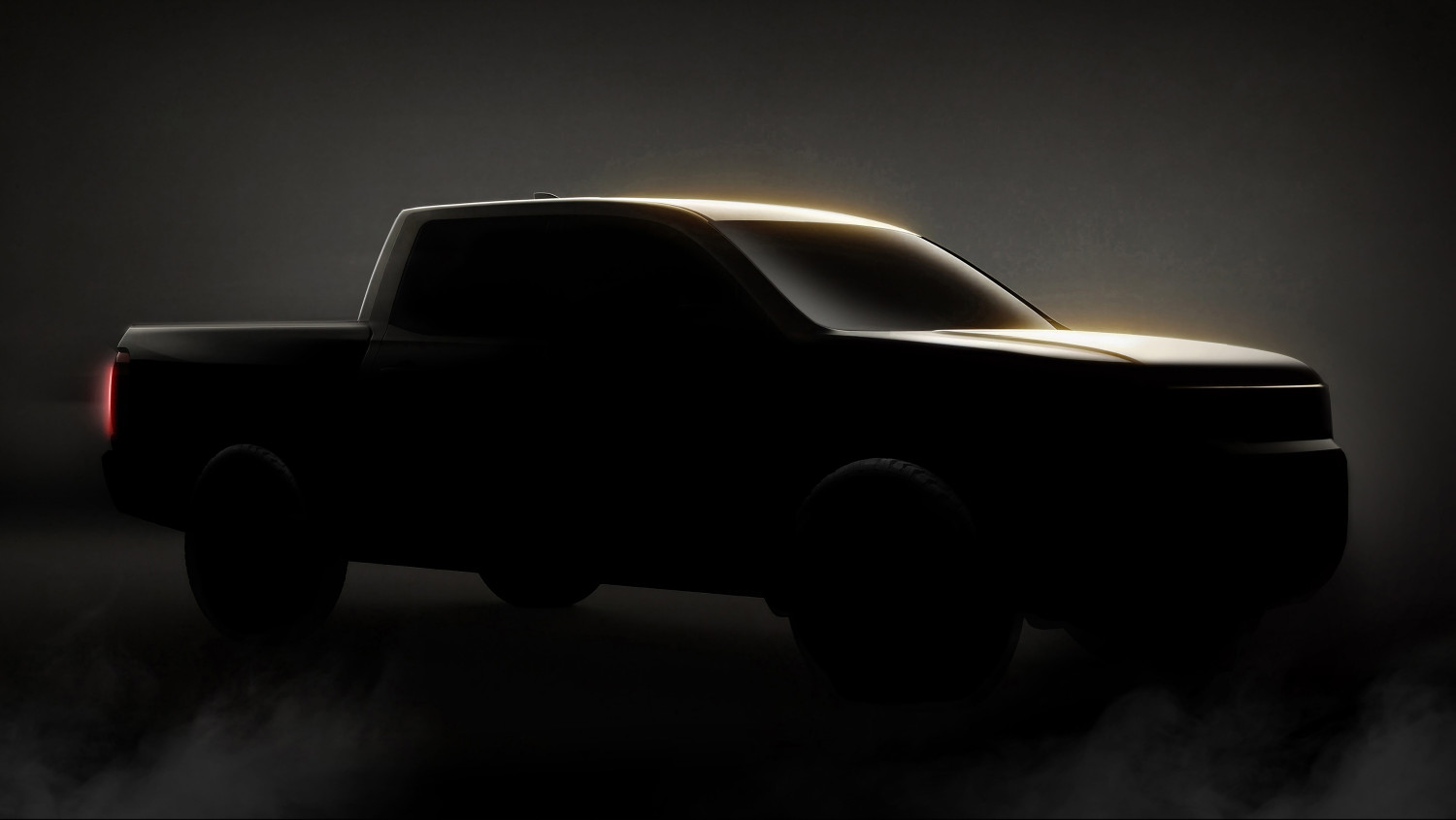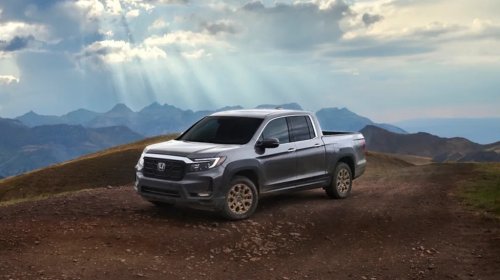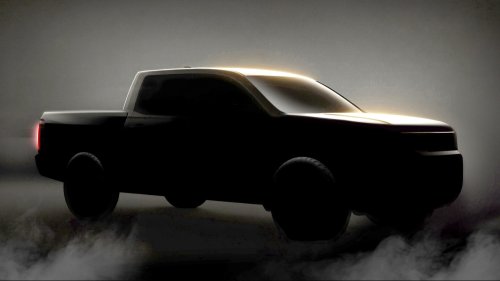
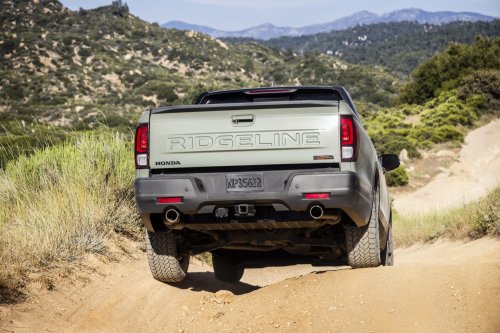
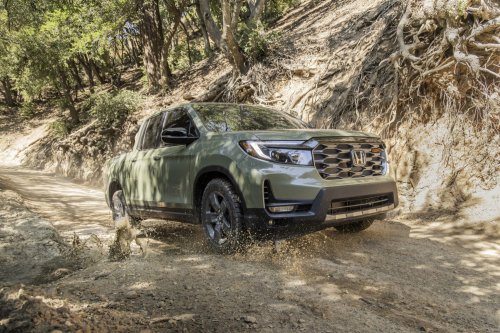
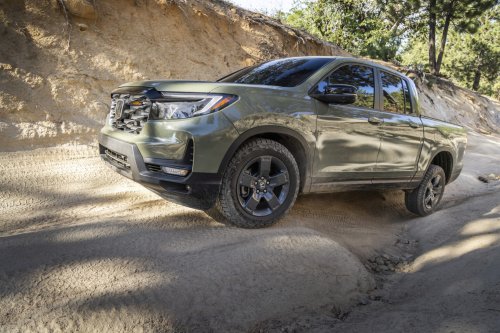
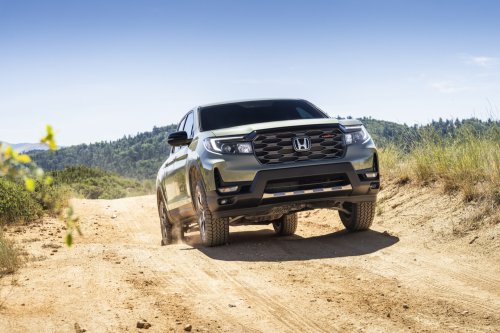
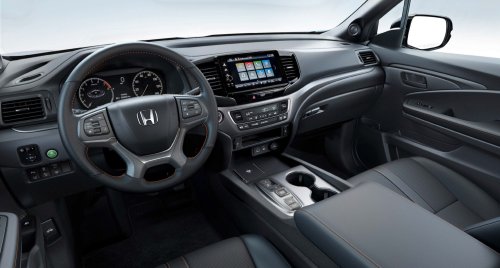



















Honda repeatedly emphasizes ruggedness instead of comfort or convenience. Teaser suggests styling will be a major focus for the next-generation truck. Honda appears determined to reshape the Ridgeline’s longstanding reputation. For more than two decades, the Honda Ridgeline has been one of the most capable pickups that many truck buyers refused to call a “real truck.” It earned praise for its clever packaging, car-like ride, and innovative features. It’s more truck than most truck drivers ever need, yet critics never stopped pointing to its unibody construction and SUV roots. Now, Honda has finally offered the first glimpse of its successor, and the message couldn’t be much clearer. The new, third-generation Ridgeline is going to look and likely feel a lot tougher. More: Honda Ridgeline Keeps Getting Pricier While Getting No Younger We’ve known for a little while that a third-generation Ridgeline was coming. Honda went as far as to halt production of the current pickup to focus on it. This week the company confirmed the truck will arrive within the next two years. While the automaker stopped well short of discussing engines, platforms, or technology, it repeatedly returned to ruggedness as an overarching theme. The current second-gen 2026 Honda Ridgeline The company says the new truck is being designed at its Southern California styling studio and engineered in Ohio before production begins in Alabama. More importantly, Honda says the next Ridgeline will feature “an even more rugged design,” while vice president of Auto Sales Lance Woelfer added that it will build on the current truck’s legacy by gaining “even more rugged design and capabilities.” That wording stands out because of everything Honda didn’t mention. There’s no discussion of the Ridgeline’s signature in-bed trunk, dual-action tailgate, comfortable ride, or everyday practicality. These are the features that have defined the model since it debuted. Instead, nearly every meaningful detail centers on making the truck appear and perform in a more rugged fashion. The teaser image reinforces that message. Although it’s heavily shadowed, the silhouette reveals a boxier front end, a flatter hood, a more upright windshield, and proportions that look noticeably more traditional than the outgoing truck. Honda stopped short of discussing platforms, but a switch to body-on-frame would mean an entirely new architecture for a model that has been unibody since 2005. The far likelier outcome is that the next Ridgeline keeps its unibody structure and simply wears a tougher-looking body over it, which is exactly what the teaser silhouette suggests. What that means for hardware is still unknown, but Honda clearly wants the first impression to be toughness, not versatility. Again, the Ridgeline has never been a bad truck. In fact, roads might be safer if other brands followed a similar design ethos. But perception and emotion often have a gigantic role to play in the industry. The next Ridgeline doesn’t just need to be capable; it needs to look the part from the moment buyers first see it. 2026 Honda Ridgeline