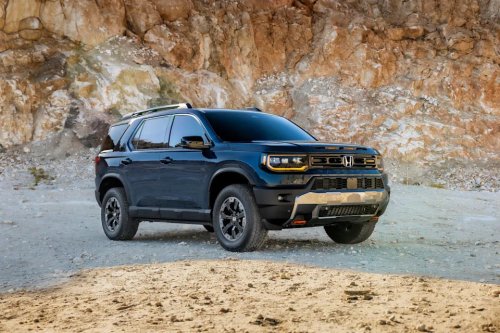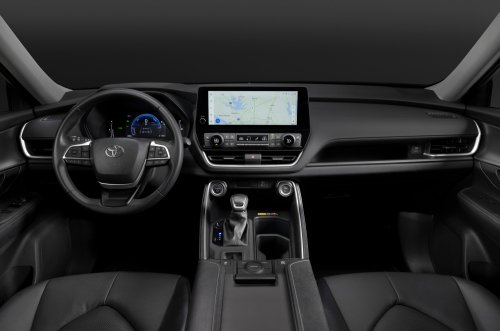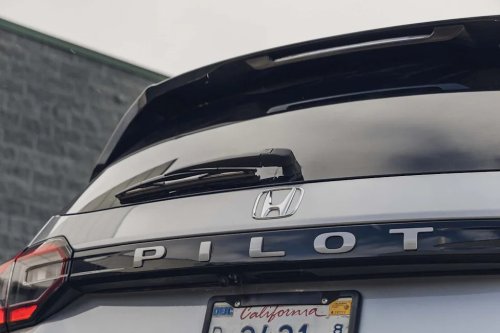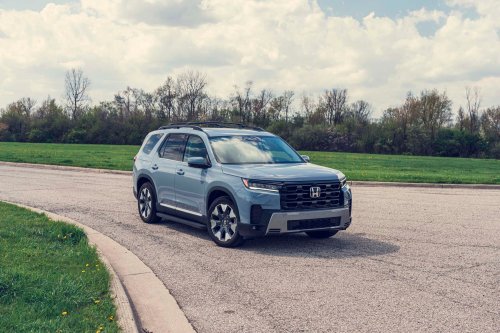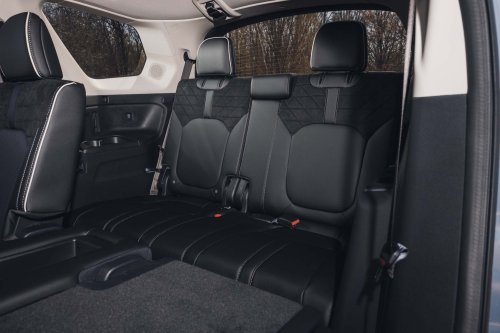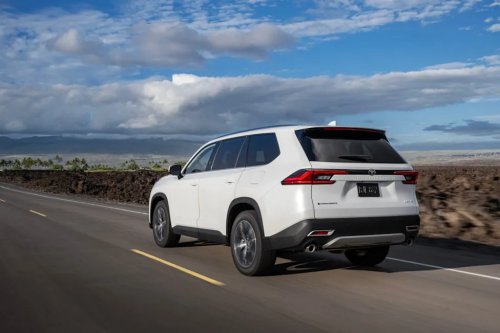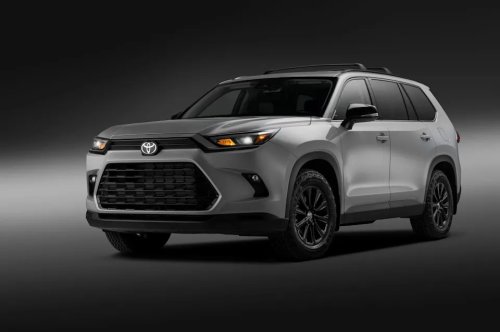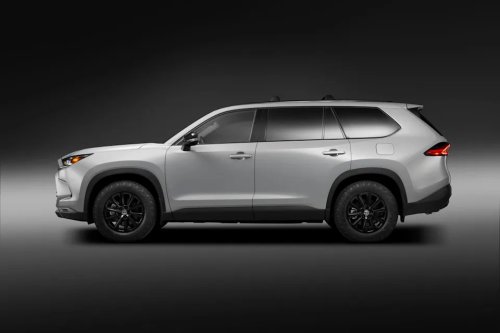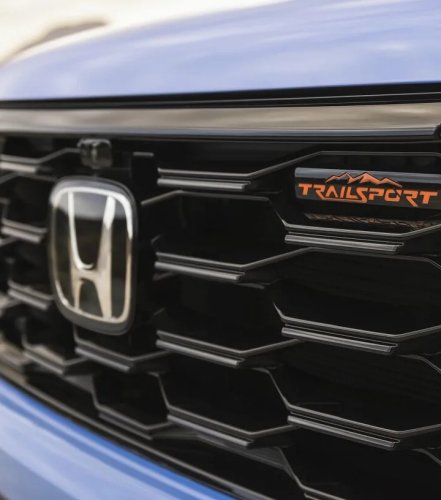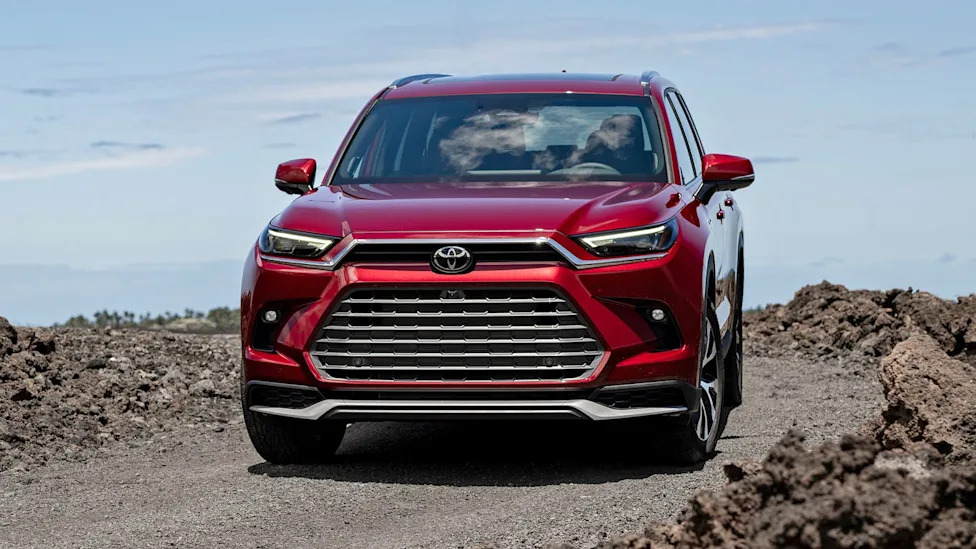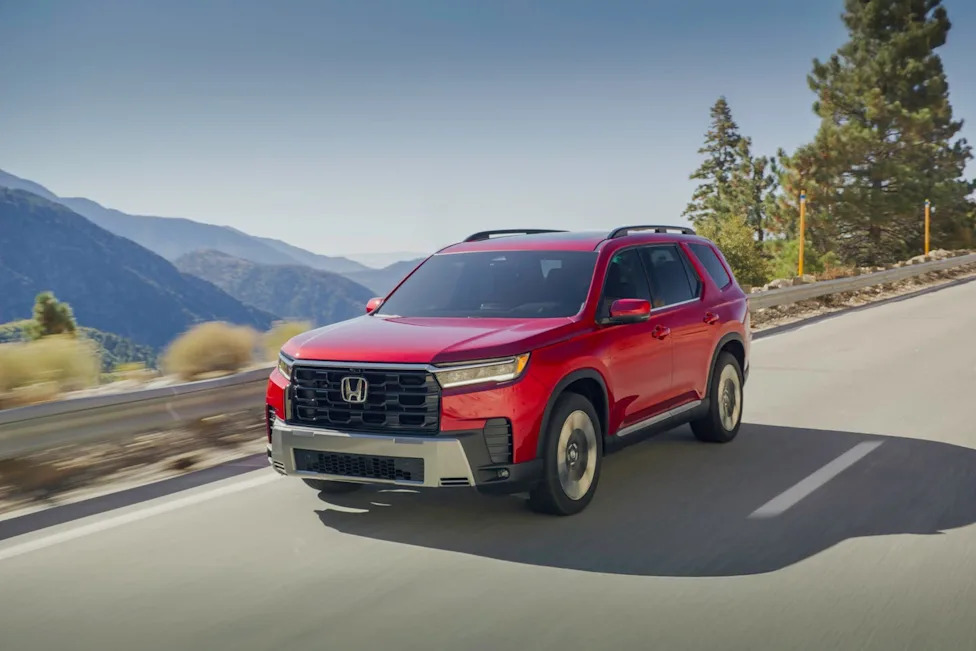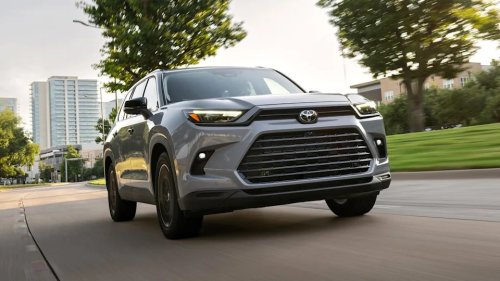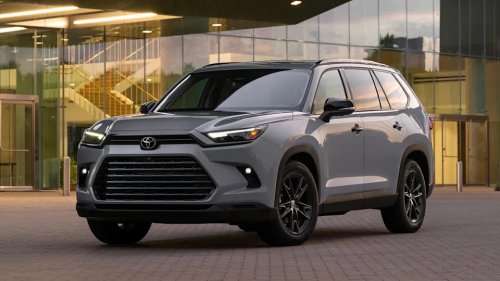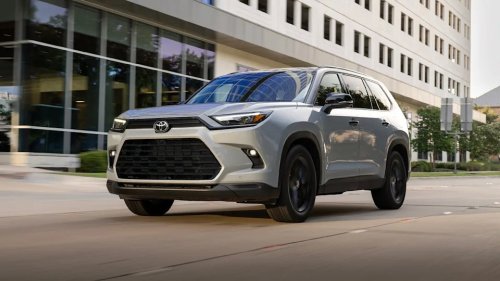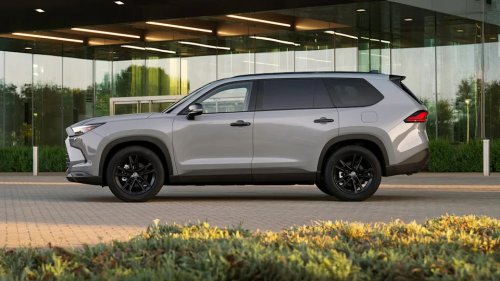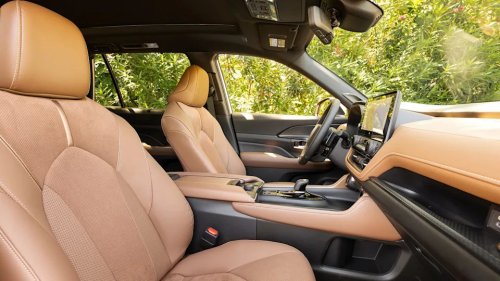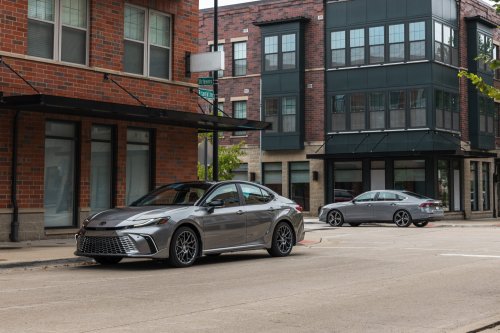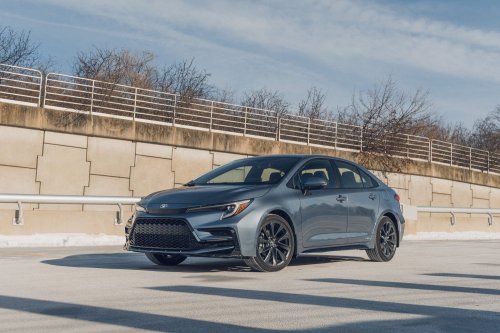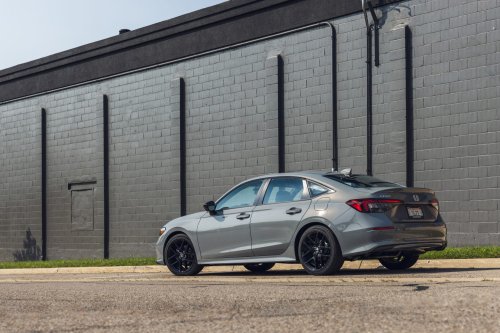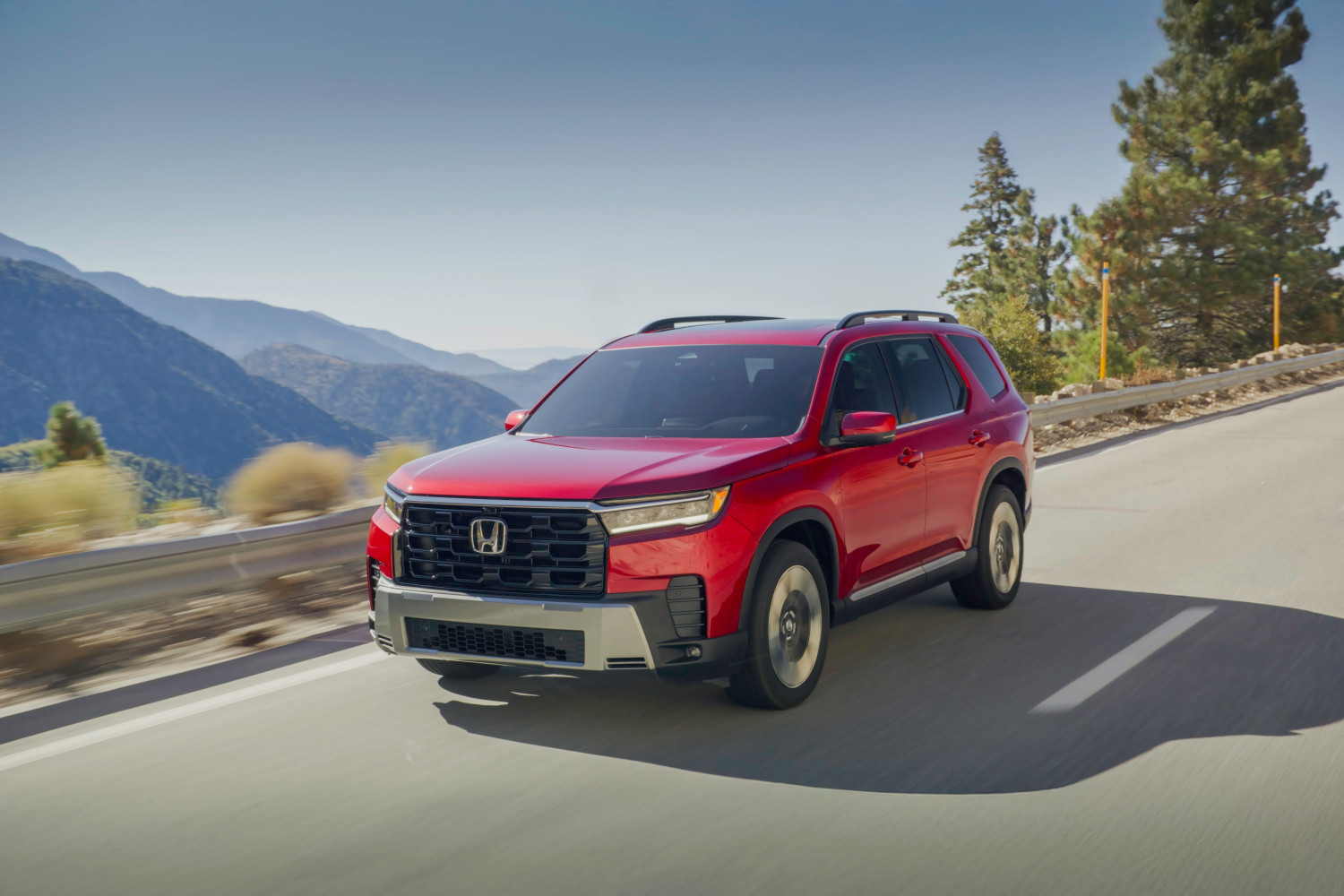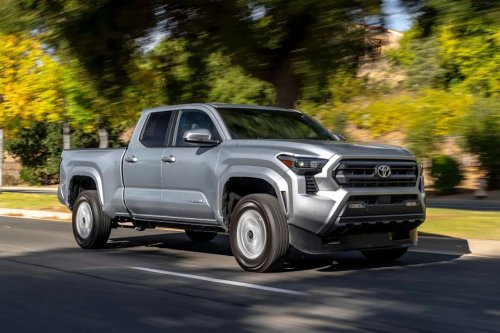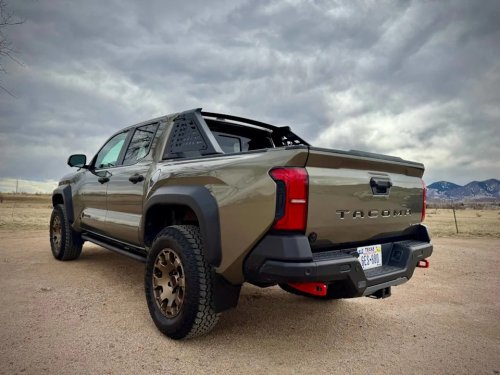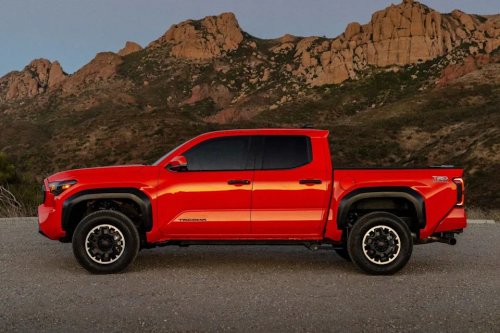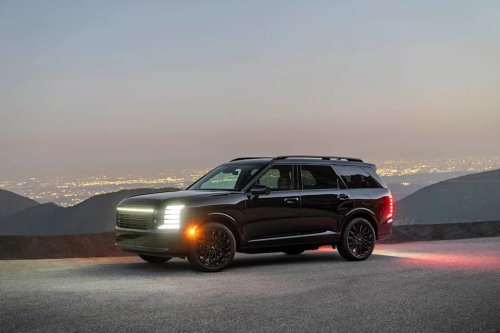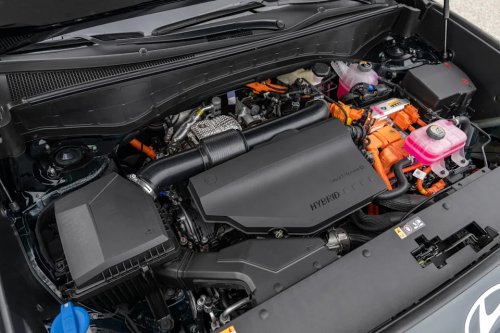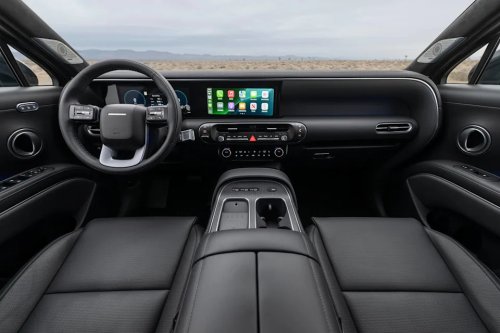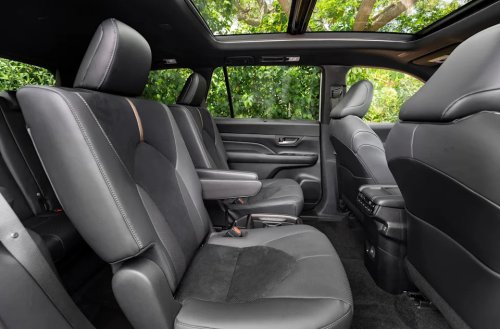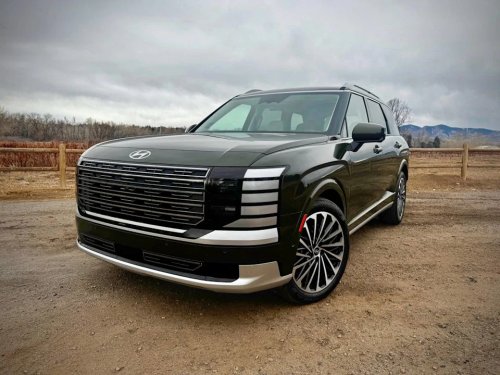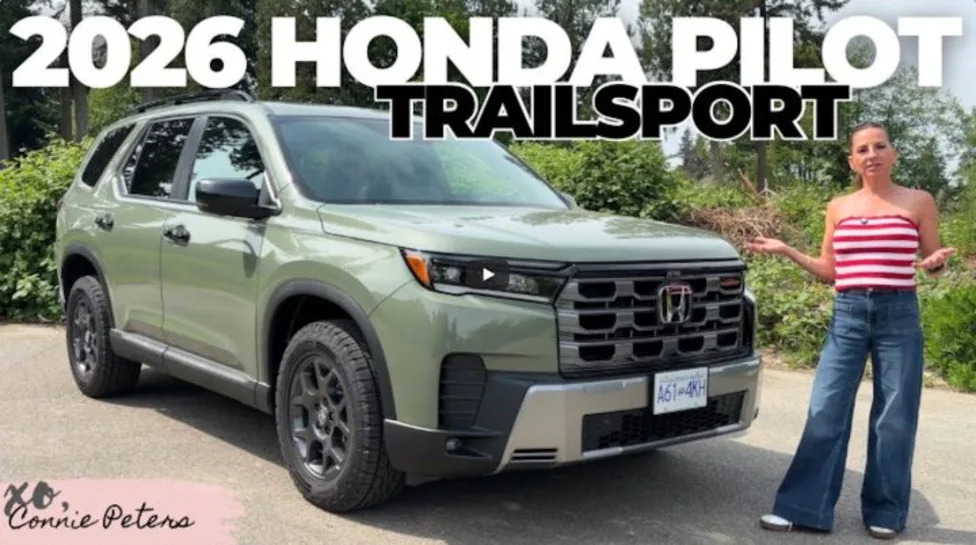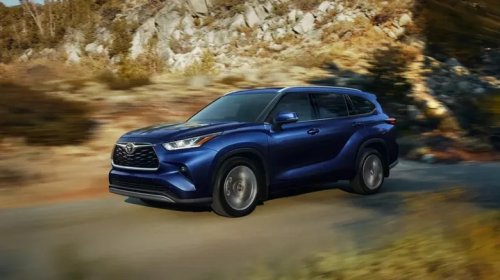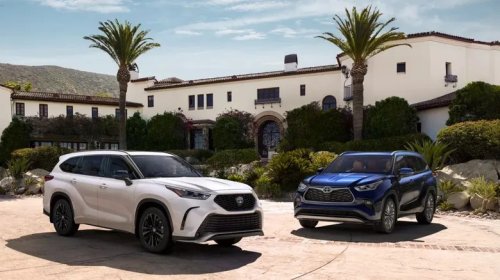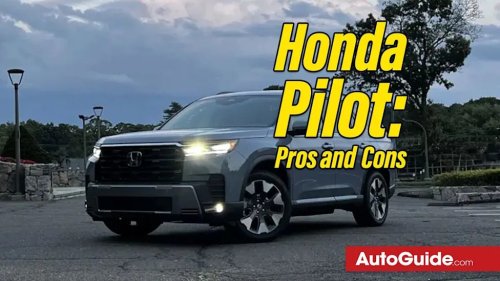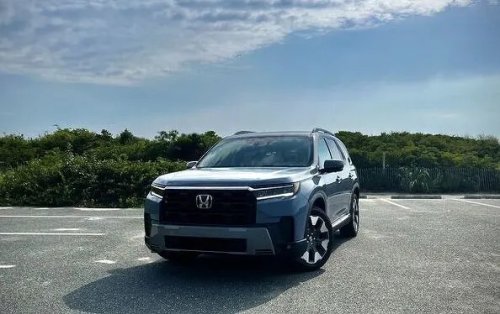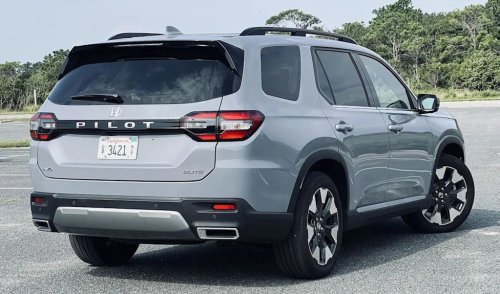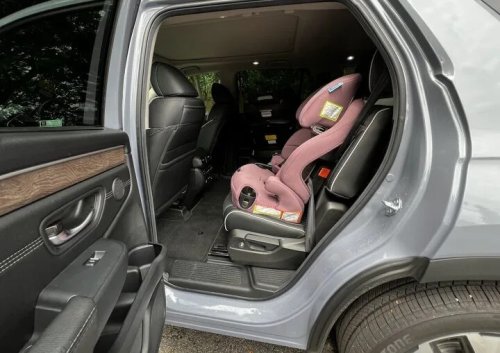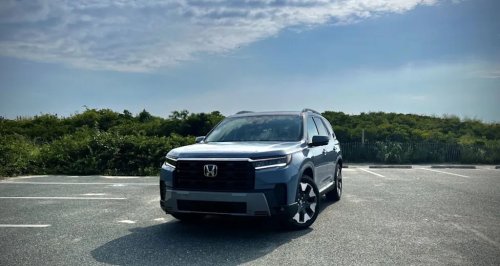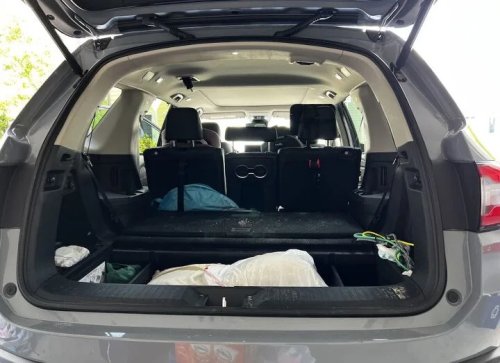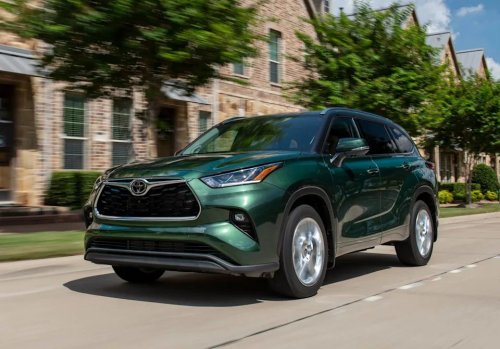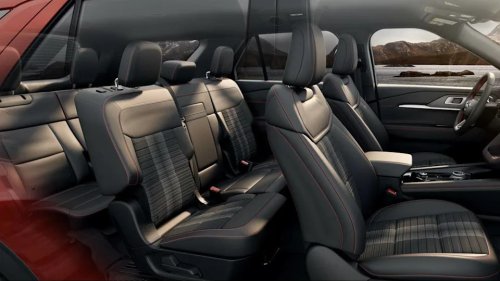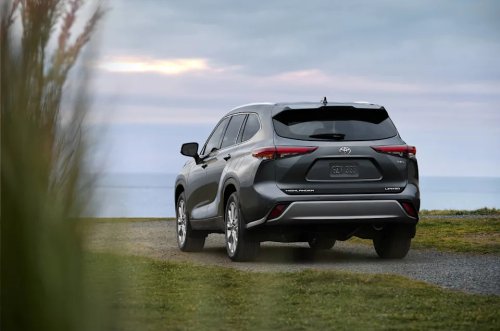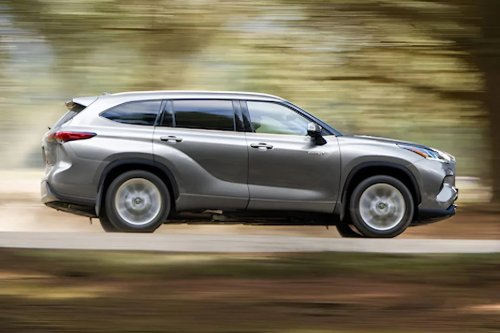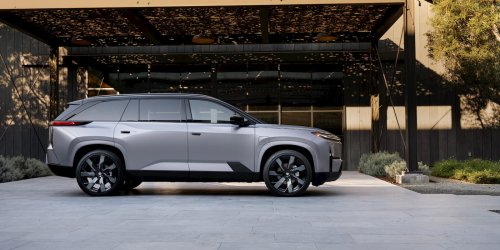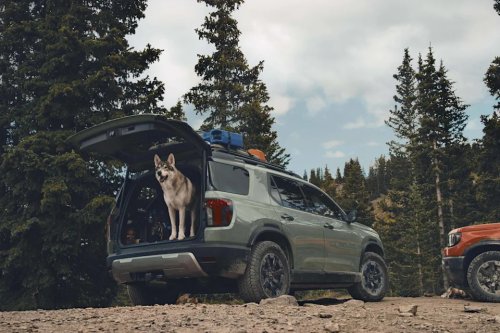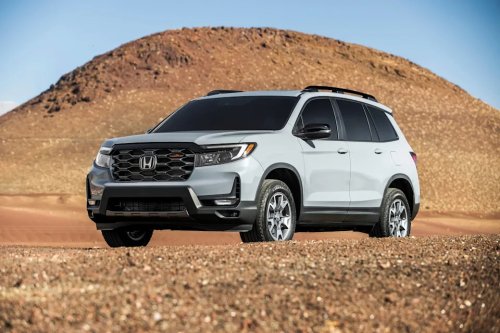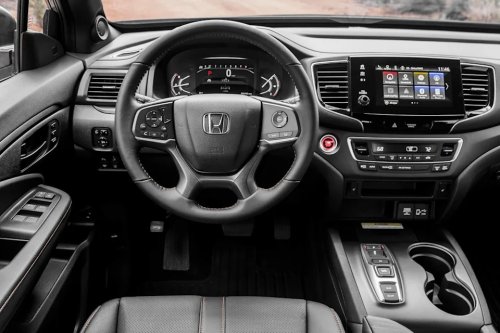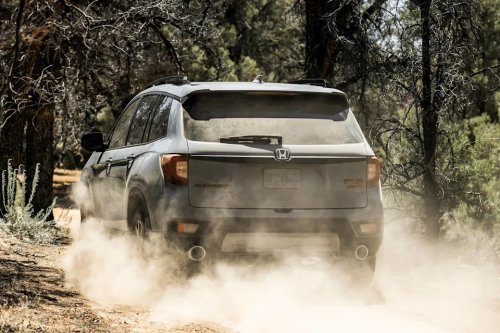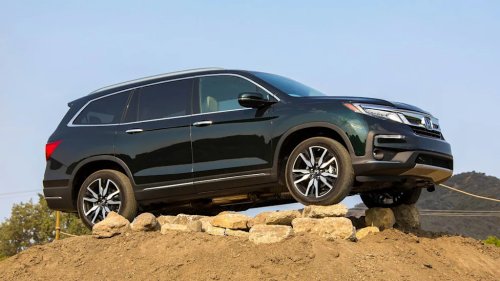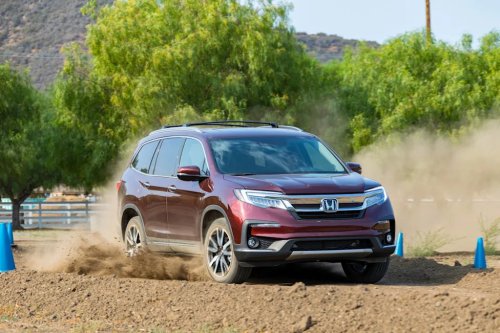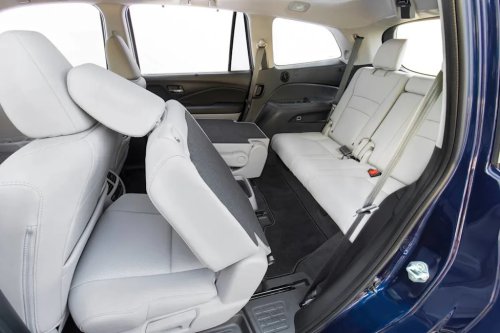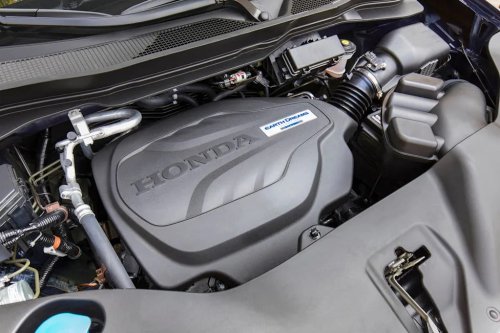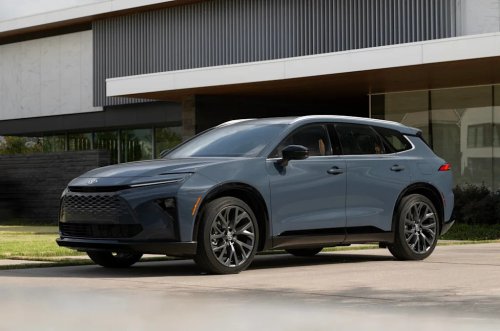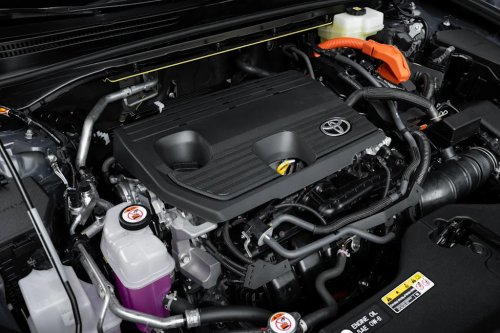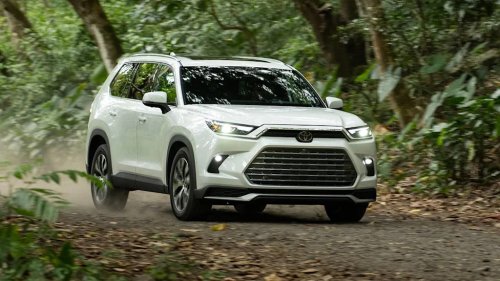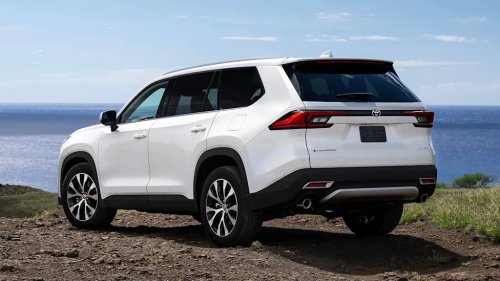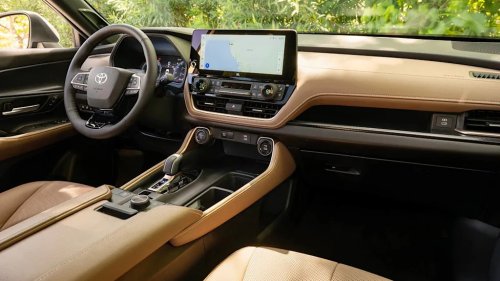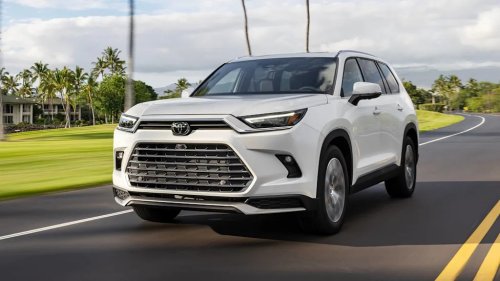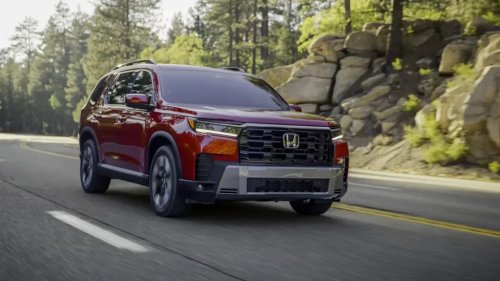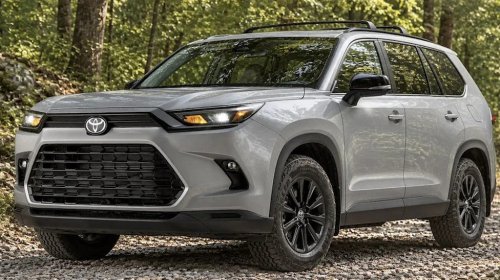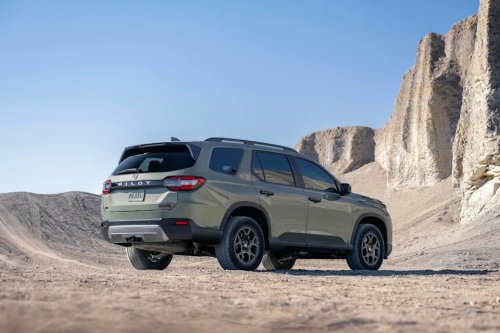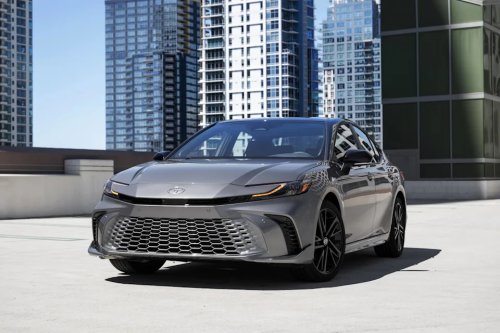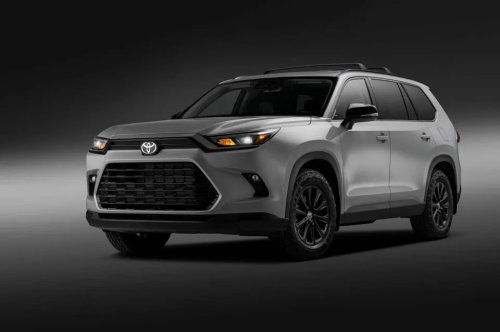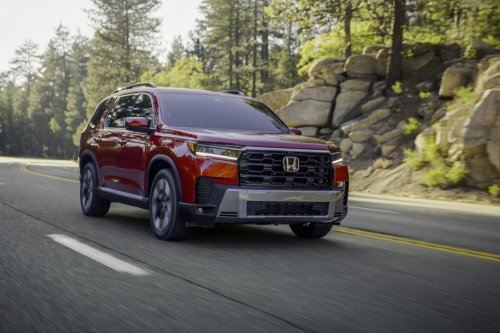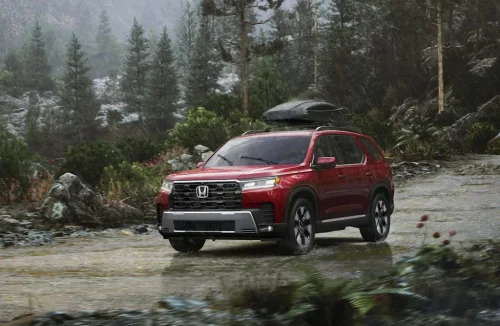
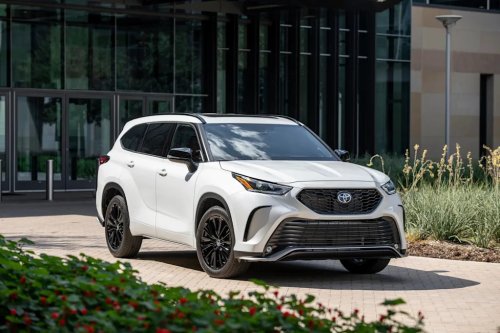
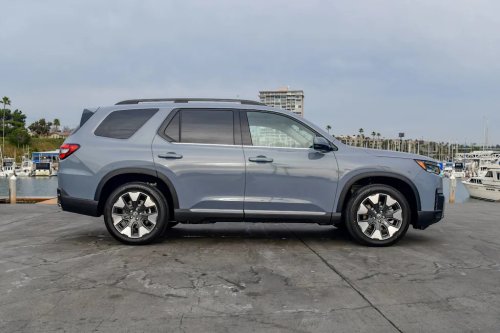
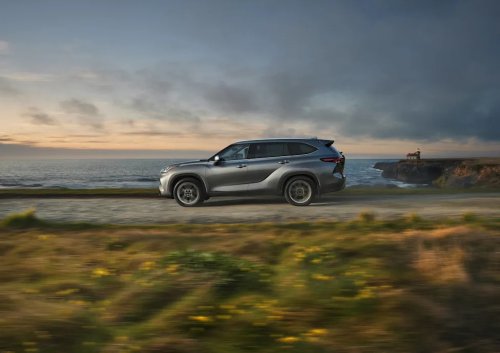
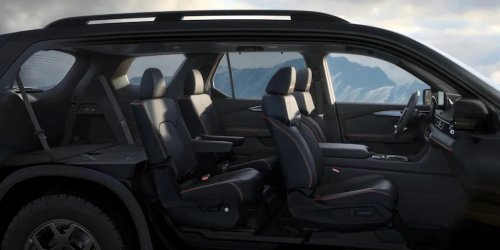
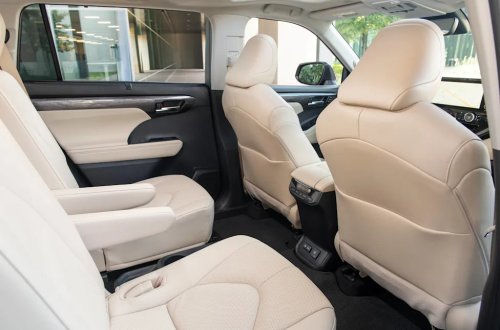
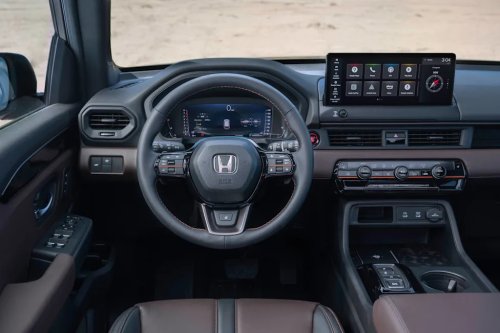
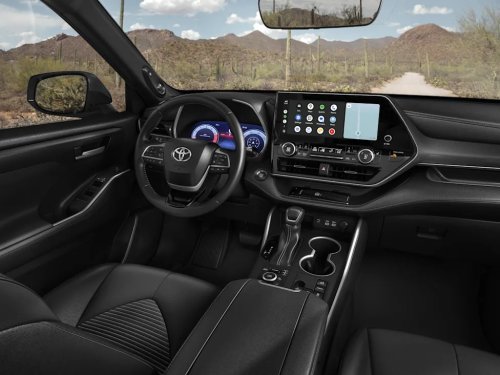



















Autoblog and Yahoo may earn commission from links in this article.These two three-row family SUVs have battled for years, but for 2026, they have drifted meaningfully apart. Honda's Pilot holds onto a V6, roomy packaging, and a current safety award, betting that families still want space and smooth power. Toyota's Highlander leans the other way, relying on a turbocharged four and a strong hybrid to prioritize efficiency in a slightly smaller body. Both are sensible, reliable, and popular, so an honest comparison means weighing space and power against fuel economy and footprint.2026 Honda Pilot EliteHondaNeither will let a family down, and both carry strong reputations. What separates them is philosophy: the Pilot is the bigger, more traditional hauler, while the Highlander is the more efficient, more urban-friendly choice. Here is how they compare across what matters most to three-row shoppers.2026 Toyota HighlanderToyotaSpecs and pricingSpecificationHonda PilotToyota HighlanderStarting priceAbout $40,200About $40,000Engine3.5L V62.4L turbo I4; hybridPower285 hp265 hp (gas); about 245 hp (hybrid)Torque262 lb.ft310 lb.ft (gas turbo)Fuel economyUp to about 22 mpg combinedUp to about 36 mpg (hybrid)Max cargoAbout 87 cu ftAbout 84 cu ftSeatingUp to 8Up to 8SafetyIIHS Top Safety PickNo 2026 IIHS awardPricing lands nearly even, with a base Honda Pilot around $40,200 and a Toyota Highlander near $40,000, and both climb into the high $50,000s in top trims. The interesting divergence is what each dollar buys: the Pilot spends its budget on size and V6 smoothness, while the Highlander channels its into efficiency, especially in Hybrid form. That difference in priorities defines the rest of the comparison.Powertrains and performanceHonda gives the Pilot a 3.5-liter V6 making 285 horsepower, paired with a nine- or ten-speed automatic. It is smooth, refined, and well-suited to hauling a full load of passengers and gear, avoiding the busier, harder-working feel of a small turbocharged engine under strain. A rugged TrailSport trim adds genuine light off-road ability for families who venture off pavement.2026 Honda Pilot Elite Kristen BrownToyota retired the Highlander's V6, moving to a 2.4-liter turbocharged four, making 265 horsepower with a strong 310 lb.ft of torque. It is adequate and returns decent economy, but the real story is the Highlander Hybrid, which delivers excellent mileage around 36 mpg combined and remains one of the most efficient three-row options available. Buyers who prize fuel savings over outright refinement will find the Highlander Hybrid genuinely compelling, while those who want effortless power will prefer the Pilot's V6.2026 Toyota HighlanderToyotaAdvertisementAdvertisementHow they driveOn the road, the Pilot feels substantial and composed, its V6 providing relaxed, quiet acceleration and its larger body riding comfortably. It is easy to drive for its size, though that size is noticeable in tight parking lots and narrow streets, where its footprint asks for more room.The Highlander is the more manageable of the two day to day. Its smaller dimensions make it easier to park and thread through traffic, and the Hybrid's smooth, torquey low-speed response suits city driving well. It gives up some of the Pilot's big-SUV solidity, but for buyers who spend most of their time in town, the Highlander's easier footprint is a real everyday advantage.Interior, technology, and spaceSpace favors Honda. The Pilot offers more cargo room behind the third row and greater maximum volume, and its third row is genuinely more usable for adults, making it the better choice for families who regularly fill all three rows. Its boxy, upright body also makes loading easy, and clever touches like a removable second-row middle seat add flexibility.2026 Honda PilotHondaToyota's Highlander is the more compact package, which sacrifices third-row space and cargo capacity, though it remains practical for smaller families or those who rarely use the way-back. Both cabins are well-built with generous standard technology and modern touchscreens. If maximum room is the priority, the Pilot wins clearly; if a tidier footprint suffices, the Highlander holds its own.2026 Toyota HighlanderToyotaValue, safety, and ownershipSafety favors Honda here in a concrete way. The Pilot is a current IIHS Top Safety Pick honoree with good crash-test results, while the Highlander earns no 2026 award after a marginal result in the updated moderate-overlap front test that emphasizes rear-seat protection. For a family SUV, that credential is a meaningful advantage for the Pilot.2026 Honda Pilot TrailSportHondaBoth brands offer strong reliability and resale, so ownership is reassuring either way. Toyota's counter is running costs, as the Highlander Hybrid's efficiency can save real money over years of high-mileage family driving, offsetting its smaller size for budget-conscious buyers. Pricing between the two stays competitive across the range.2026 Toyota HighlanderToyotaAdvertisementAdvertisementThe verdictHonestly, the Honda Pilot is the stronger all-around family SUV. Its V6 power, roomier cabin and third row, greater cargo space, and current Top Safety Pick award make it the more capable and more reassuring hauler for families who need genuine three-row space and want the peace of mind of a current safety credential.Toyota's Highlander earns its keep for a specific buyer: one who prioritizes fuel economy, especially in Hybrid form, or who prefers a smaller, easier-to-park footprint and Toyota's efficiency reputation. It gives up space and a safety award to the Pilot, but its hybrid mileage is hard to ignore for high-mileage families. Our honest advice: if space and safety top your list, the Pilot is the pick; if efficiency and maneuverability matter most, the Highlander Hybrid makes the better case.This story was originally published by Autoblog on Jul 17, 2026, where it first appeared in the Car Buying section. Add Autoblog as a Preferred Source by clicking here.