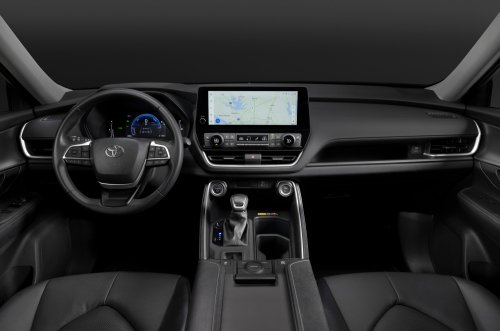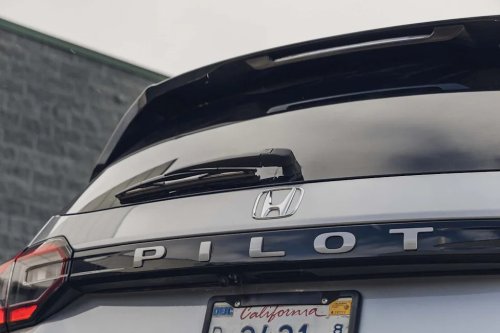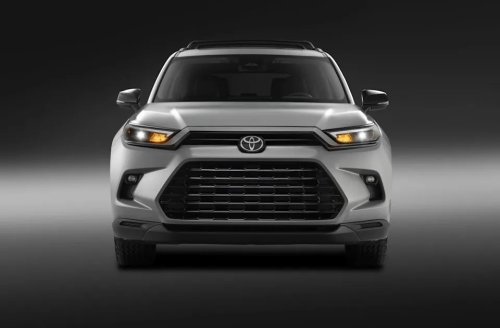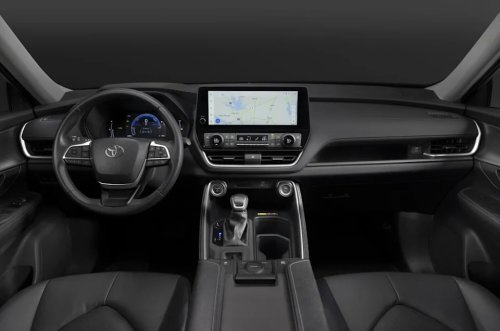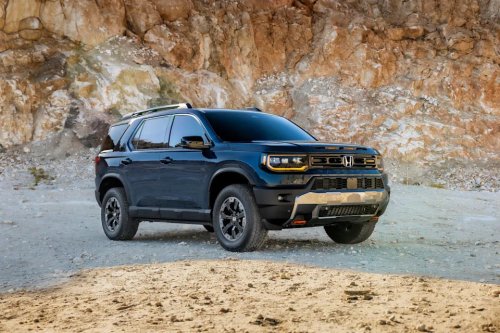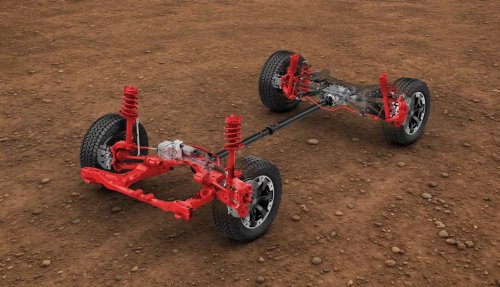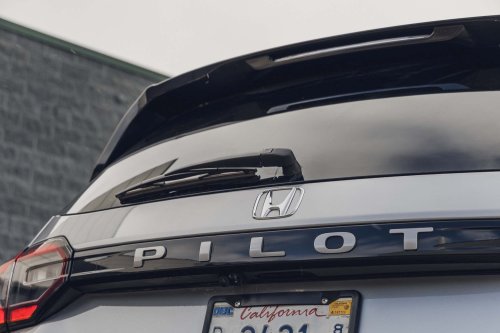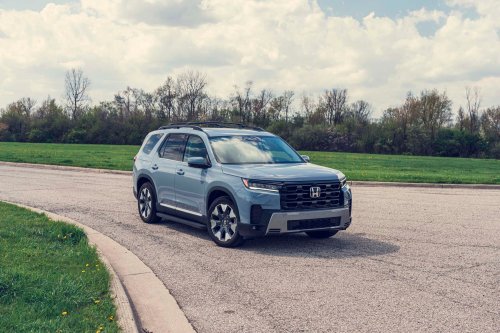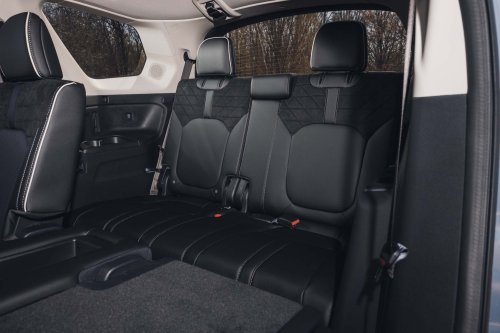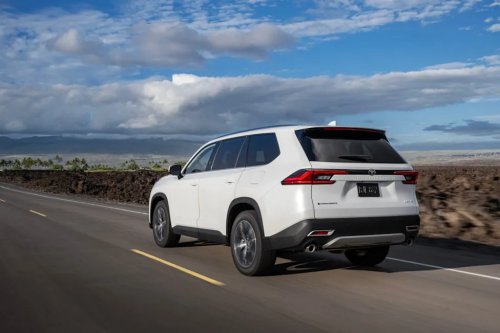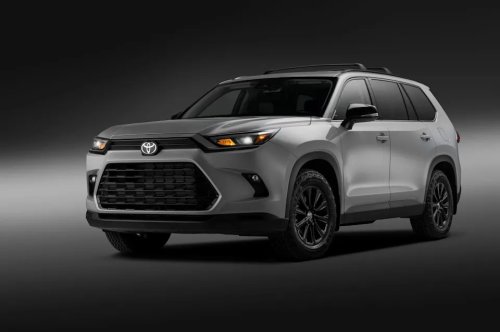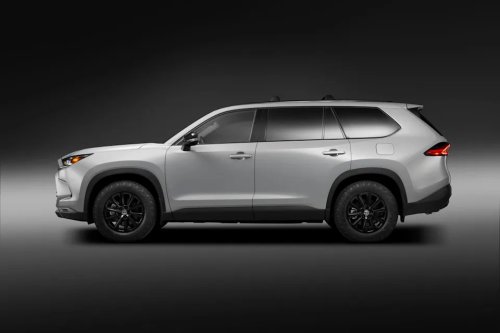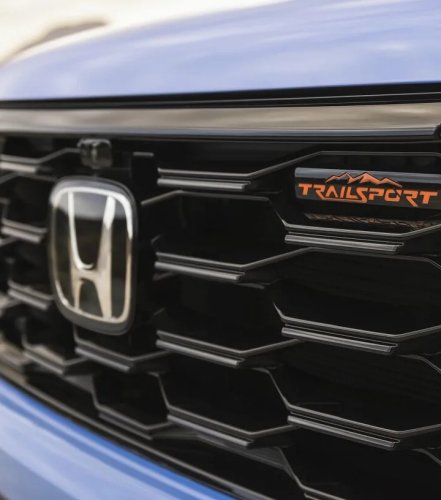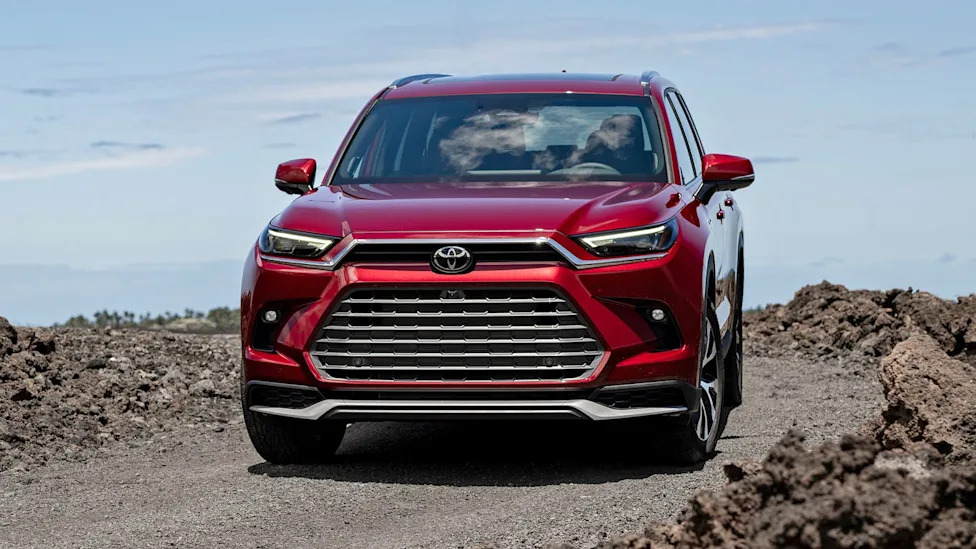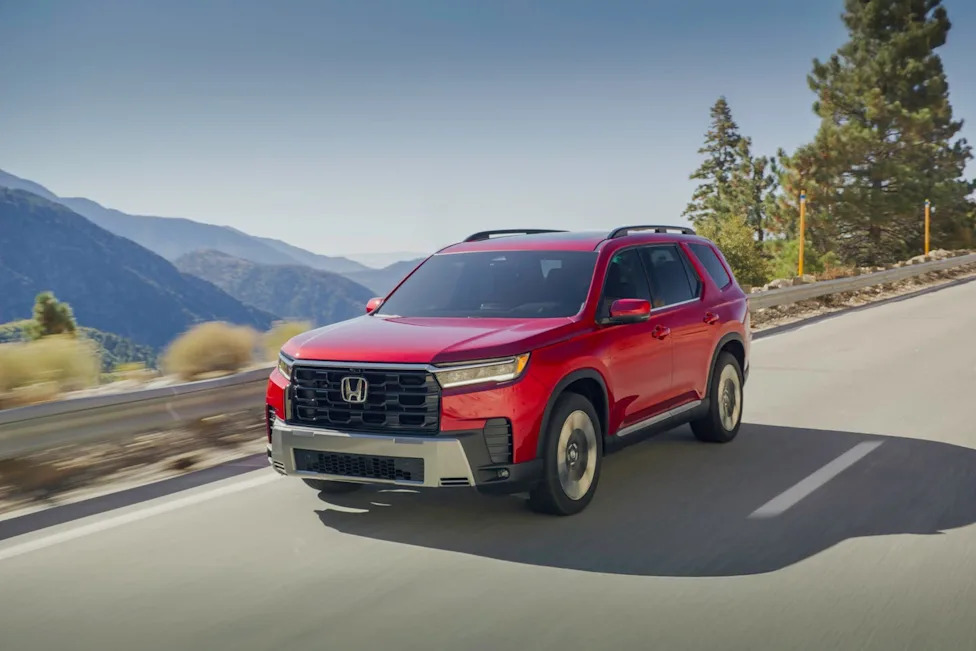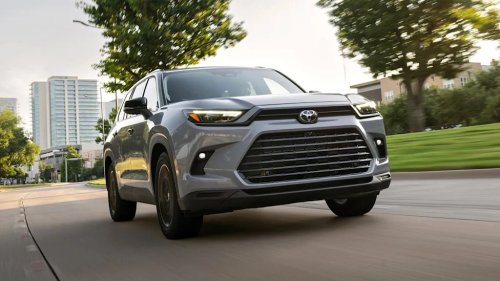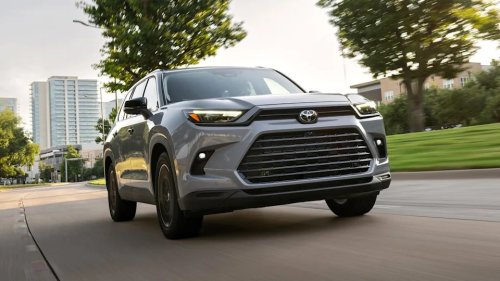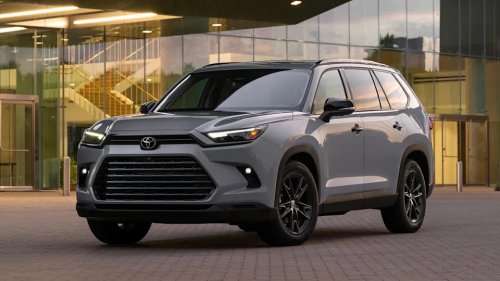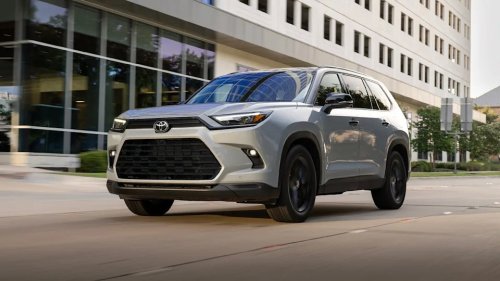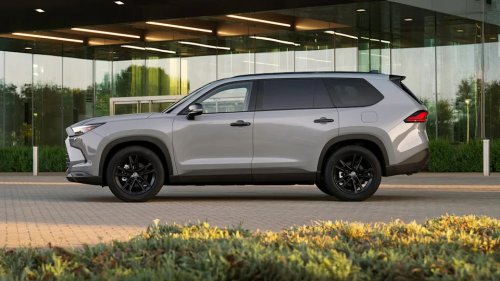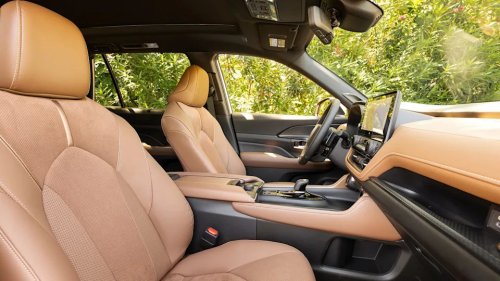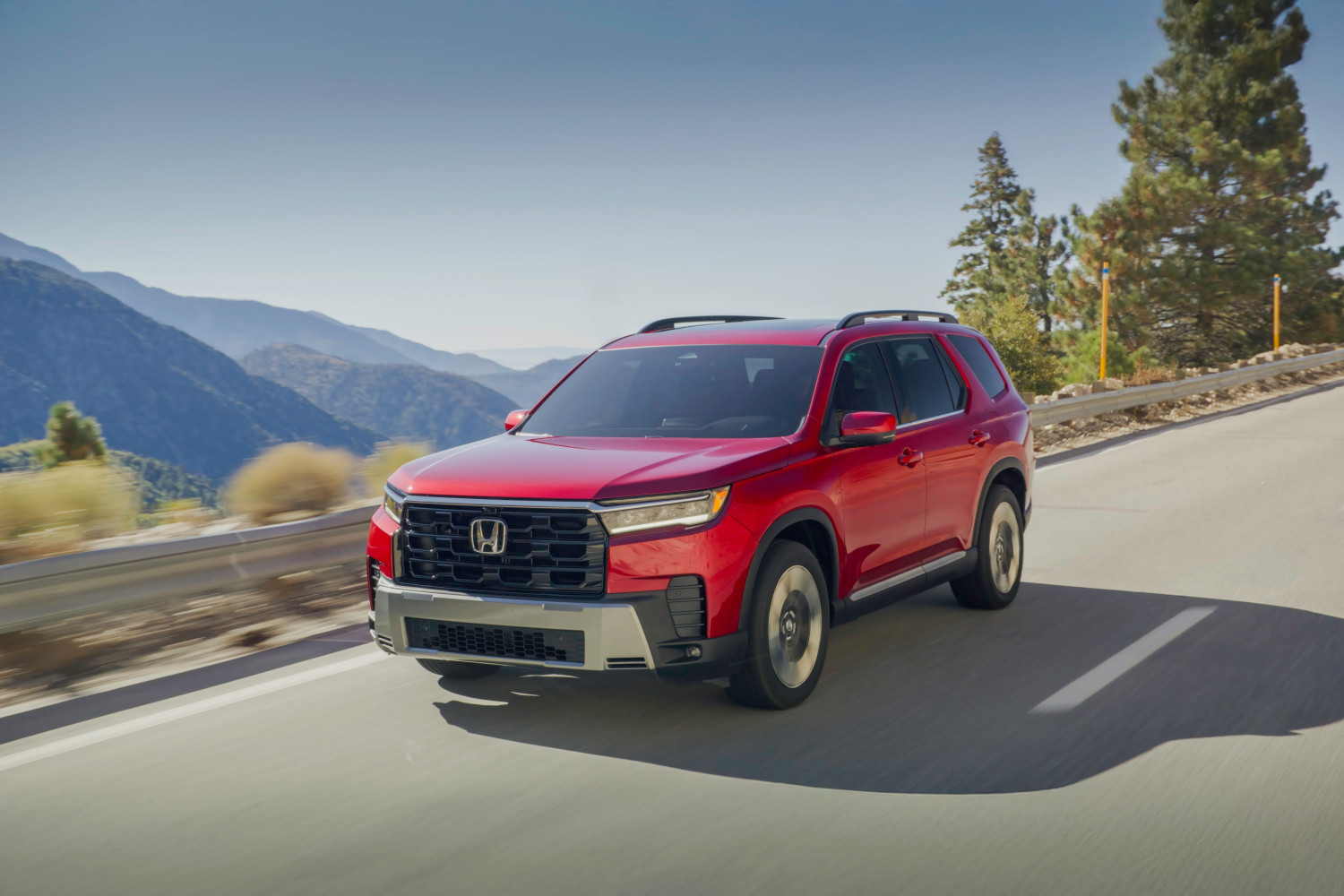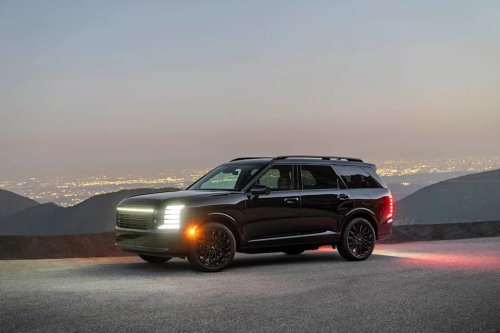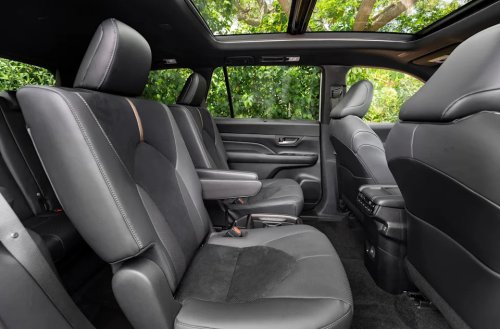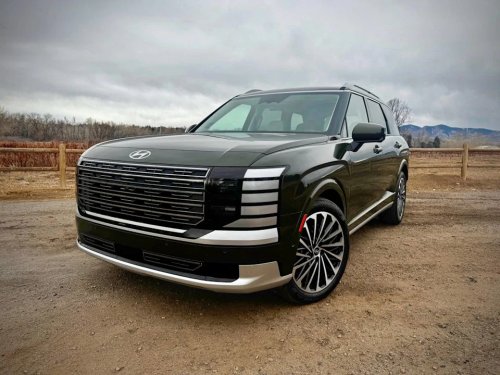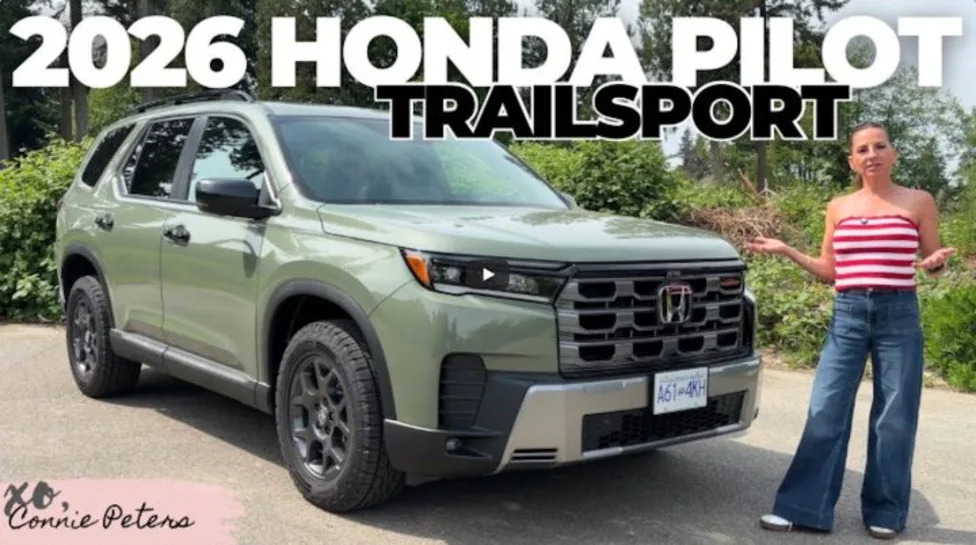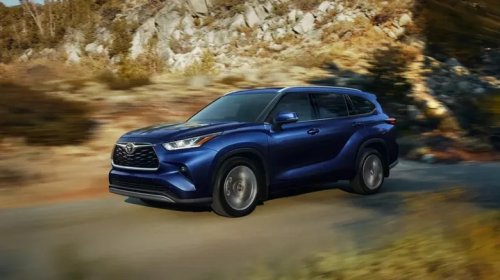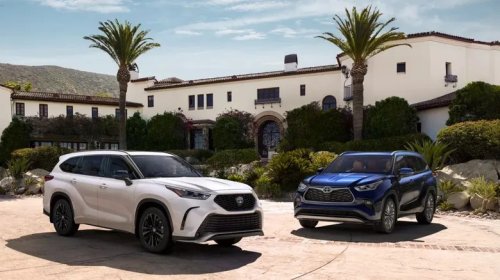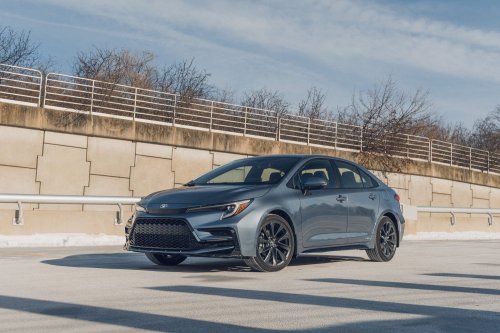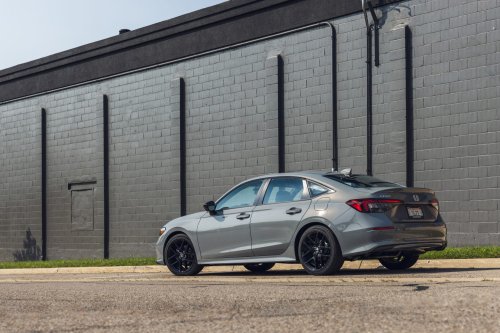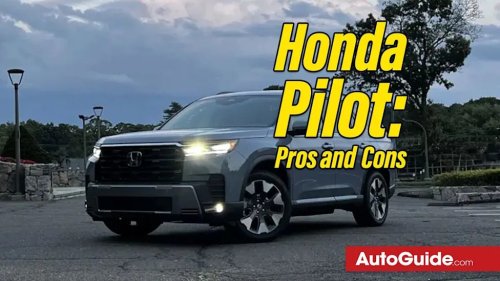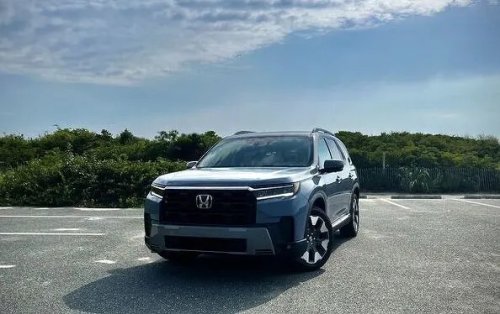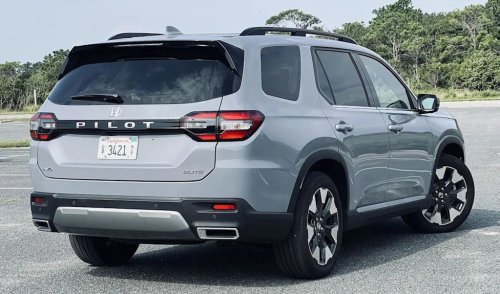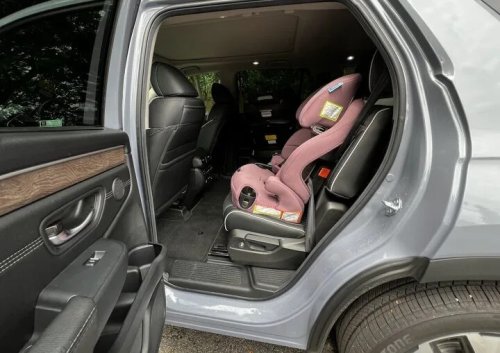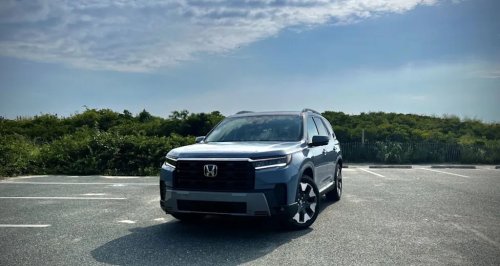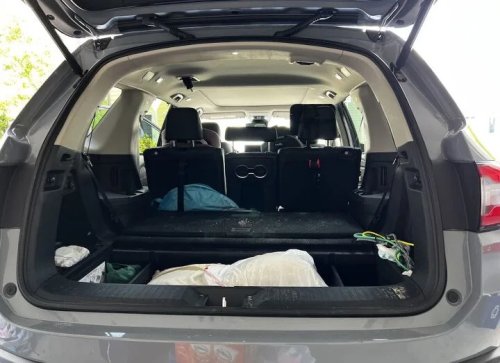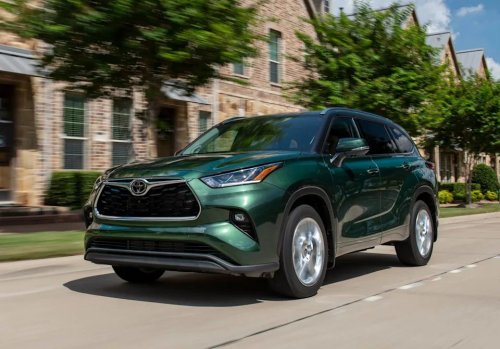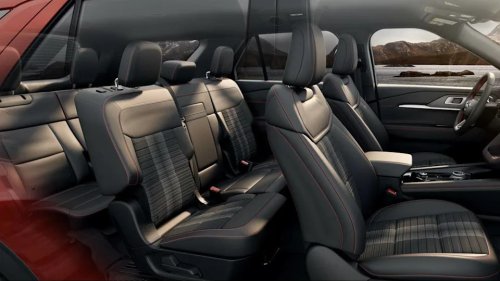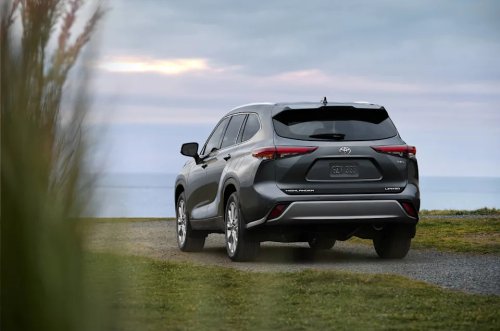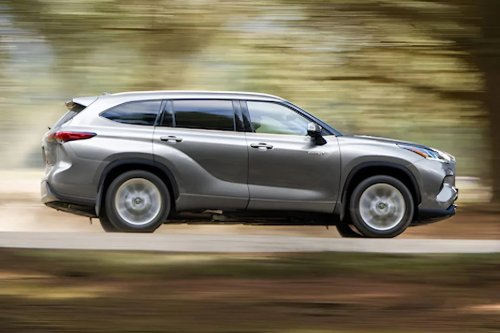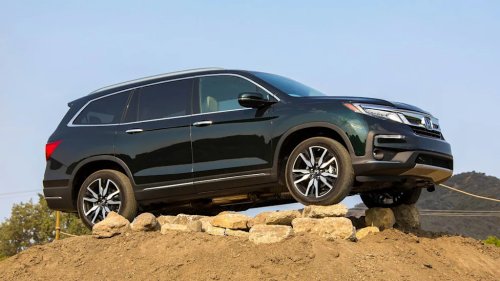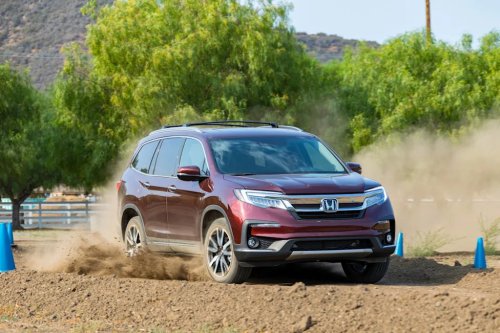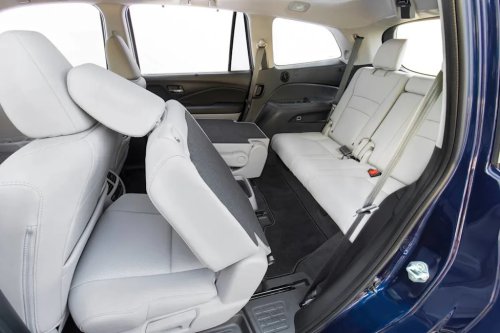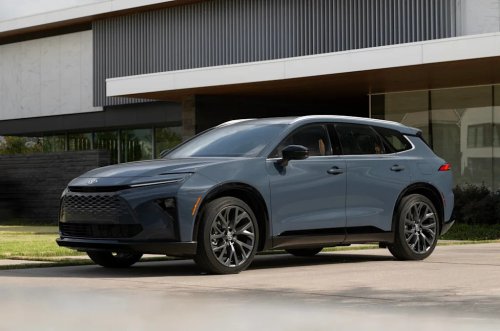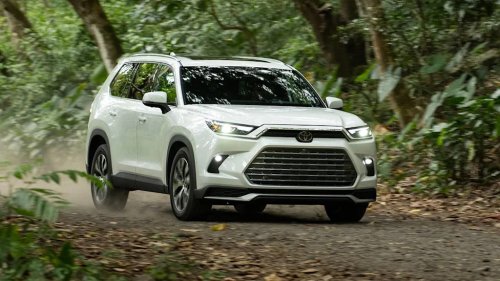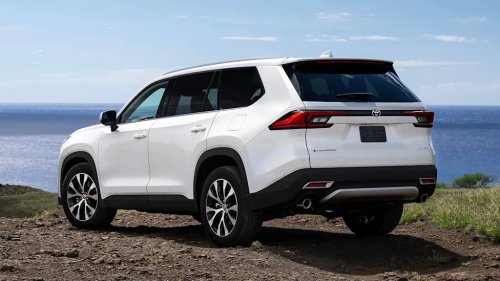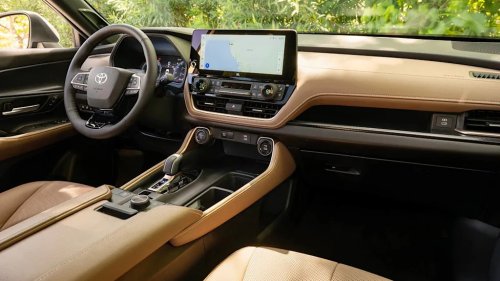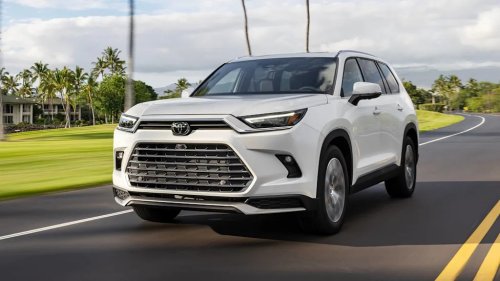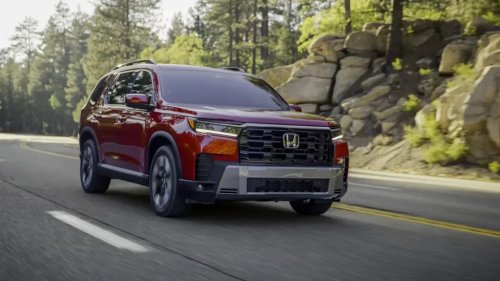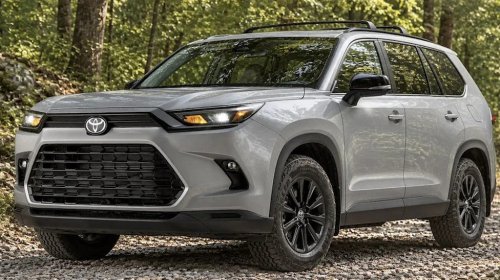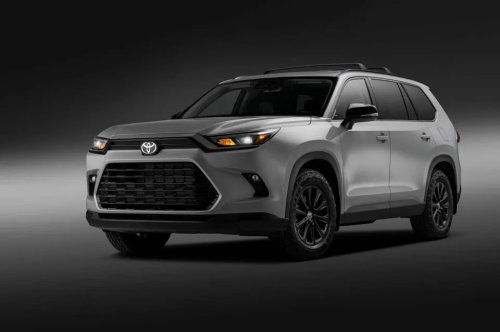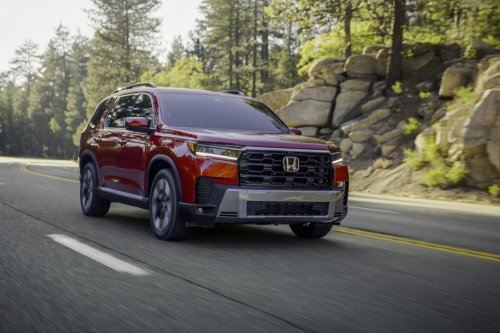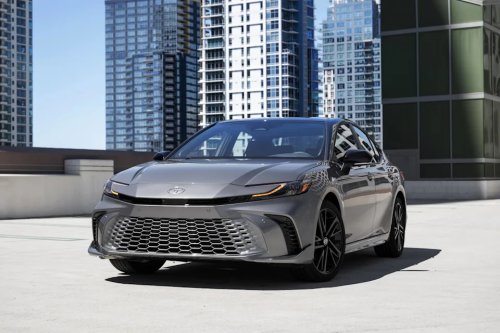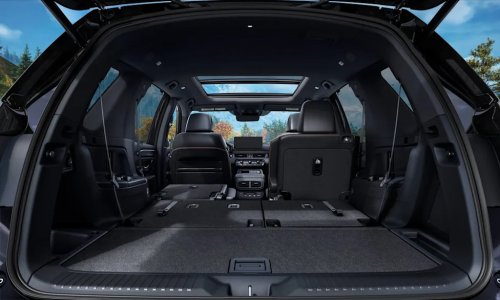
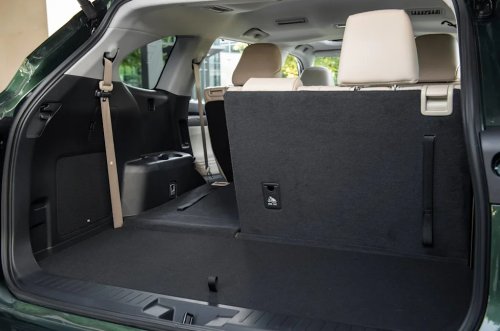
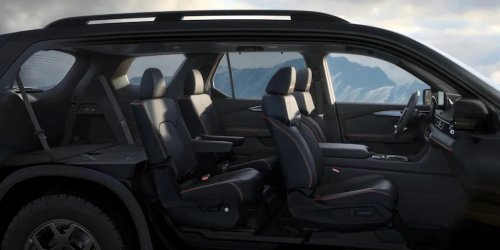
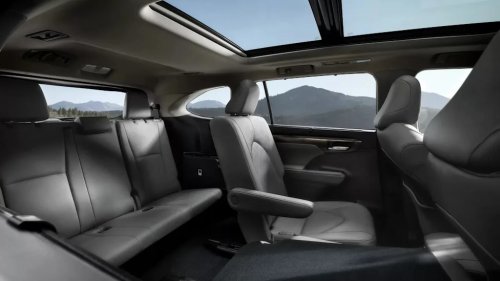
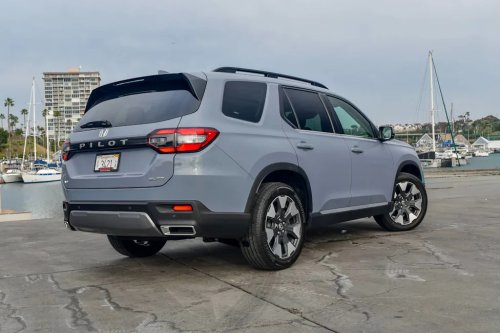
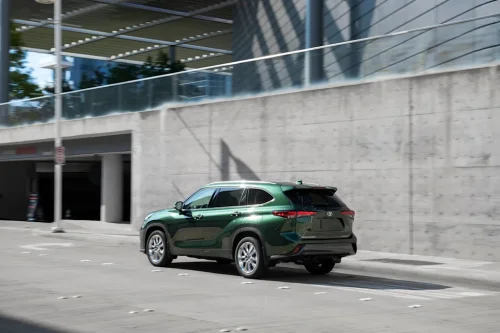



















Autoblog and Yahoo may earn commission from links in this article.Shopping the Pilot against the Highlander usually comes down to fine margins, since both are roomy, reliable, and easy to live with. Cargo space is one category where a real separation shows up, because it rests on published measurements rather than preference. Both were updated recently, with the Pilot leaning into a boxier, upright shape and the Highlander adopting a turbocharged four-cylinder, and both offer flexible three-row seating. Here is how they compare when the priority is fitting strollers, luggage, and grocery hauls.2026 Honda Pilot TrailSportHondaBehind the third rowWith all three rows in use, which is how a full family rides, the Pilot leads. It provides 18.6 cubic feet behind the third row, enough for a stroller plus a decent grocery run, while the Highlander offers 16 cubic feet in the same spot. That 2.6-cubic-foot difference sounds small on paper, but it is the space that most often decides whether the week's cargo fits without folding a seat.2026 Toyota HighlanderToyotaThe Pilot's cargo well is also usefully deep, with an underfloor area that swallows smaller items and keeps them from sliding around. For families who routinely travel with all seats occupied, that extra usable room behind the last row is the most meaningful measurement of the three.With the seats foldedFold the seats and the Pilot keeps its advantage, though the margin tightens. Behind the second row, the two are nearly identical, with the Pilot at 48.5 cubic feet and the Highlander at 48.4, a difference too small to notice. Load either to the roof behind the front seats, and the Pilot maxes out at 87 cubic feet against the Highlander's 84.3.2026 Honda PilotHondaThe takeaway is that the Pilot is the bigger hauler at every configuration, but the gap is widest where families use it most, behind the third row, and narrowest at maximum capacity. Neither will struggle with a big-box run or a road-trip load, but the Pilot consistently has a little more room to give.2026 Toyota HighlanderToyotaAdvertisementAdvertisementBeyond the numbersCargo capacity is not only about volume, and the Pilot adds practical flexibility that the Highlander lacks. Certain trims include a removable middle seat that stows in the cargo well, letting owners switch between seven- and eight-passenger layouts without leaving a seat at home. That kind of versatility matters when you are juggling passengers and gear on the same trip.2026 Honda Pilot Elite AWDKristen BrownThe Highlander answers with its own strengths elsewhere, including a standard hybrid-friendly powertrain lineup and Toyota's reputation for resale, but on interior packaging, the Pilot's boxier body pays off. Its more upright roofline and squared-off cargo area make it easier to stack boxes and slide in bulky items than the Highlander's slightly more tapered shape.2026 Toyota HighlanderToyotaSo which one has more cargo space?The Honda Pilot has more cargo space. It leads the Highlander behind the third row at 18.6 cubic feet to 16, matches or beats it behind the second row, and tops out at 87 cubic feet against 84.3, so it is the roomier hauler in every configuration. Add its removable middle seat and boxier cargo area, and it is the more versatile choice for families who prioritize space. The Toyota Highlander stays close and remains an excellent all-rounder, particularly for buyers drawn to its efficiency and resale strength, and the difference behind the second row is negligible.This story was originally published by Autoblog on Jul 13, 2026, where it first appeared in the Car Buying section. Add Autoblog as a Preferred Source by clicking here.