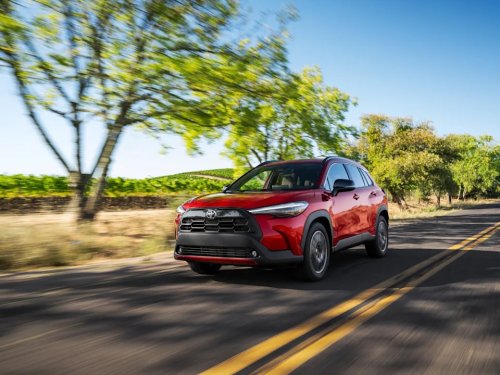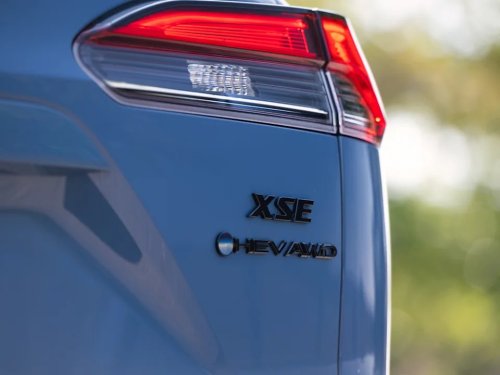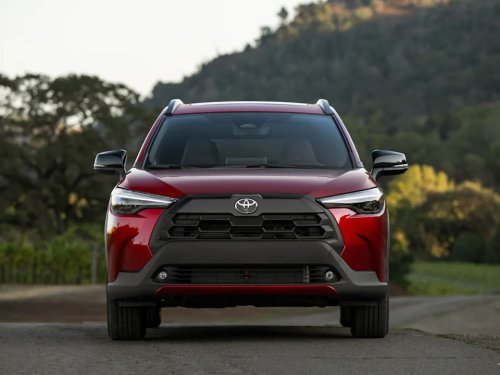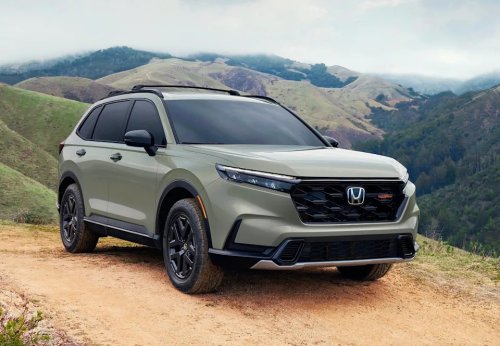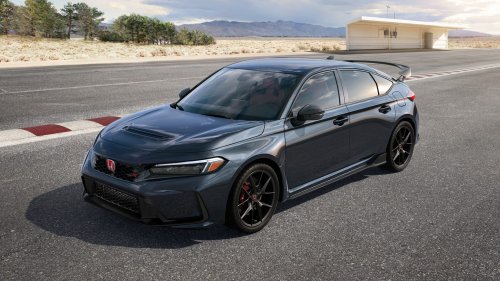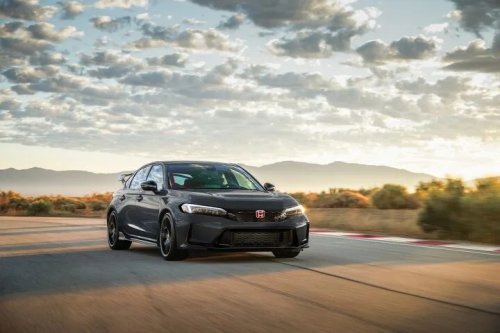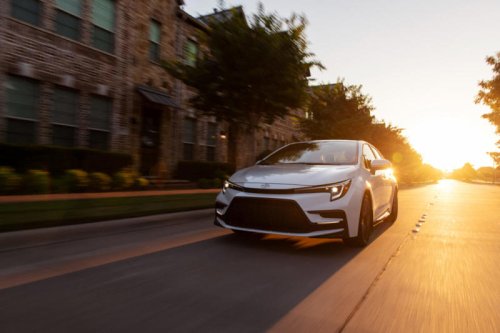



















The two best-selling compact sedans in American history share a peculiar trait: most of their owners couldn't tell you what their warranty actually covers without Googling it first. They buy the car, trust the badge, and figure the paperwork will sort itself out if something goes wrong. This article is for the moment right before something goes wrong, when knowing the difference between 36,000 miles and 150,000 miles of coverage suddenly matters a great deal. The baseline: what both cover off the lotBoth the 2026 Toyota Corolla and 2026 Honda Civic come with a bumper-to-bumper warranty of 36 months/36,000 miles. This covers essentially every component of the vehicle, except routine wear items such as brake pads, wiper blades, and tires. Neither manufacturer covers tires; both defer to the tire manufacturer's own warranty. Toyota does carve out a few items with shorter coverage windows within that basic warranty. Wheel alignment, wheel balance, and A/C refrigerant recharge are only covered for 12 months/12,000 miles. If your alignment drifts at month 13, that repair comes out of your pocket. The split between these two shows up early in complimentary maintenance. Toyota bundles ToyotaCare with every new Corolla, covering factory-scheduled maintenance for 2 years/25,000 miles plus 2 years of unlimited-mileage roadside assistance. Honda's Service Pass covers new 2026 Civic models for 1 year/12,000 miles of factory-scheduled maintenance, with roadside assistance lasting 3 years/36,000 miles. Toyota gives you an extra year of free oil changes and tire rotations. Honda gives you an extra year of roadside assistance.Powertrain and the real protection windowBoth sedans carry powertrain coverage for 60 months/60,000 miles. Toyota covers the engine, transmission, transaxle, front-wheel-drive system, rear-wheel drive, CV joints, axle shafts, the ECM, and seals. Honda covers the engine, transmission, drivetrain, and transaxle under the same 60 months/60,000 miles umbrella. Toyota's warranty language tends to be more granular, naming individual components in the booklet. Honda's language is broader. Neither approach is inherently better, but Toyota's specificity can reduce ambiguity if you ever end up debating a service advisor about whether a particular part qualifies. Where Toyota pulls ahead: hybrid battery coverageThe 2026 Corolla is available as a hybrid, and if you buy one, Toyota hands you the same generous hybrid warranty it applies across its lineup. The hybrid battery carries a 10-year/150,000-mile warranty, fully transferable to the next owner. The Hybrid Control Module, Battery Control Module, and Inverter with Converter are covered for 8 years/100,000 miles. The 2026 Civic is also available as a hybrid, but Honda covers its hybrid powertrain components under standard terms, unlike Toyota's dedicated hybrid battery warranty. If you're buying either sedan specifically as a hybrid because you plan to own it for a long time, Toyota's 10-year/150,000-mile battery coverage is the single strongest warranty line in this comparison. It's not close.Where Honda surprises you: seat belts, mufflers, and the small stuffHonda tucks several warranty provisions into the Civic that Toyota doesn't match with the Corolla. The seat belt warranty runs for 15 years/150,000 miles and covers any failure in proper function. Toyota covers its safety restraint system, including airbags and related components, for 60 months/100,000 miles. Honda's seat belt protection outlasts Toyota's by a full decade. Honda also provides a lifetime limited warranty on replacement mufflers for the original purchaser. Toyota offers no equivalent. You'll probably never need it. But exhaust work isn't cheap, and if a muffler fails prematurely, Honda covers it for life. Honda warranties all genuine replacement parts against defects in materials and workmanship and offers prorated coverage on replacement 12V batteries purchased from a dealer. Honda genuine accessories installed at the time of purchase carry a 3-year/36,000-mile warranty. These aren't the kind of features that make headlines, but they add up to a manufacturer that pays attention to the parts you replace after the sale. Rust and corrosion: same protection, different languageBoth vehicles carry rust perforation coverage for 60 months/unlimited miles. Toyota covers original body sheet metal. Honda covers all exterior body panels from the inside out but excludes powertrain, steering, suspension, brake, cooling, and exhaust system components, plus trim. The practical difference for most sedan buyers is minimal unless you live in a heavy-salt state and your car sees a lot of winter road spray, in which case the exact exclusion list matters more than the headline number. Toyota offers a 36-month/60,000 km paint defect warranty, covering manufacturing defects only. Stone chips, bird droppings, and environmental damage don't qualify. Honda doesn't offer a standalone paint warranty on the Civic. Extended warranty head-to-head: Toyota Extra Care vs Honda CareToyota's Extra Care Protection (ECP) extends coverage up to 10 years/125,000 miles depending on the plan selected. It offers three tiers: a Basic Agreement, Powertrain Protection VSA, and a comprehensive plan. Coverage includes vehicle rental assistance, tire road hazard protection, and trip interruption assistance. The restriction: you must buy ECP from an authorized Toyota dealer, and all repairs must happen at authorized Toyota dealerships. If your nearest Toyota dealer is an hour away, that's an hour drive every time something breaks. Honda Care extends coverage up to 8 years/120,000 miles from the original purchase date. To qualify for the full 8-year/120,000-mile plan, your vehicle must be a 2019 model year or newer with under 36,000 miles at purchase. Vehicles with over 6,000 miles at purchase are eligible for reduced term options. Honda Care operates on an exclusionary basis, meaning everything is covered unless specifically listed as excluded. That's a structural advantage most buyers underestimate. Instead of hoping your failed part appears on a covered list, you check whether it appears on a much shorter excluded list. It almost always works in your favor.Honda Care also includes 24/7 roadside assistance, towing, lockout service, battery jump-start, tire change, fuel delivery, rental car reimbursement, and emergency concierge services. The Family Plan covers up to 5 Honda or Acura vehicles registered to the same household. The warranty transfers to subsequent owners, adding tangible resale value. Repairs can happen at any Honda dealership nationwide using genuine Honda parts.The fine print that matters Both warranties can be voided by the usual suspects: unauthorized modifications, missed maintenance intervals, non-approved fluids, or neglect. Toyota is explicit about documenting service at recommended intervals. Honda expects the same. Neither covers damage from accidents, environmental hazards, or what both booklets call acts of nature. Neither manufacturer covers tires. Both defer to the tire manufacturer's own warranty. And neither covers routine wear items, which is standard across the industry but still surprises owners who assume "bumper-to-bumper" means everything between the bumpers.The VerdictFor hybrid buyers, Toyota wins decisively. A 10-year/150,000-mile transferable hybrid battery warranty is the most valuable single line item in either warranty booklet, and Honda doesn't match it. The practical answer: Toyota protects the expensive hybrid hardware better than anyone in the segment. Honda protects everything else with more flexibility and fewer asterisks. Buy accordingly.