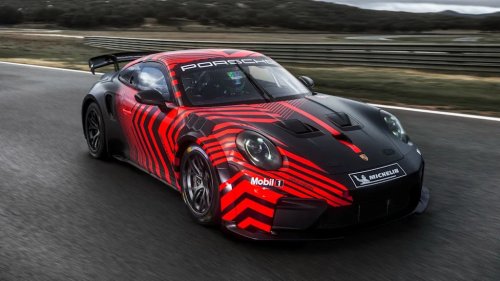
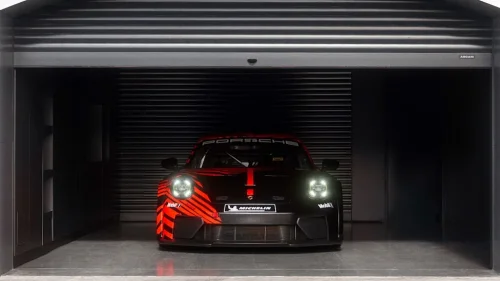
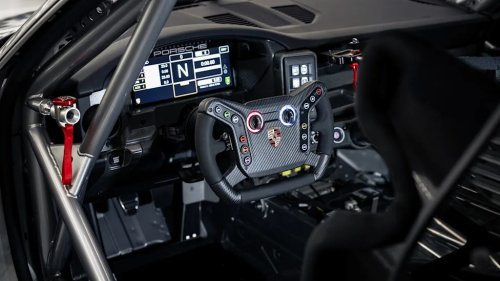
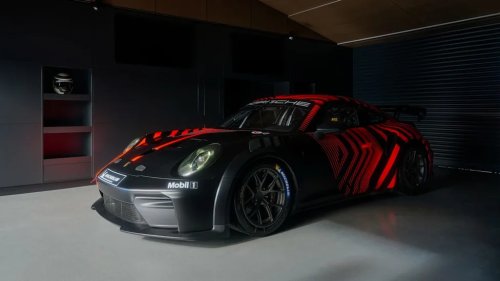
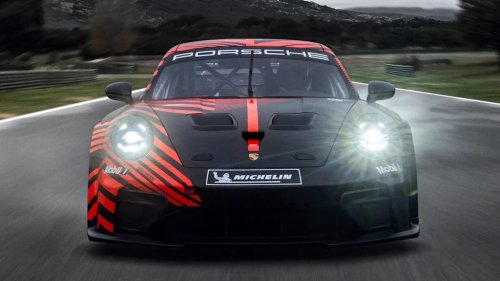
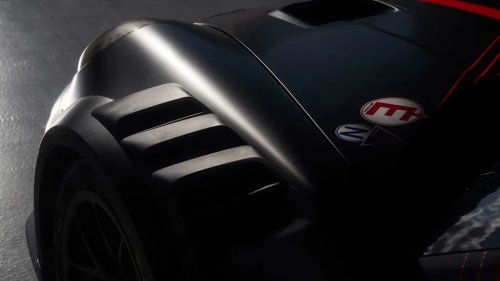
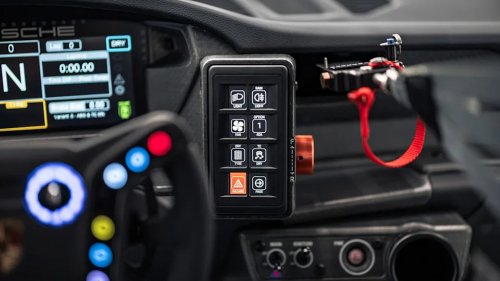
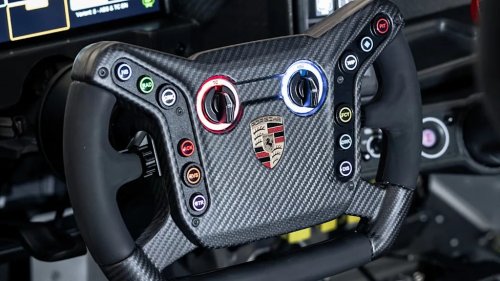
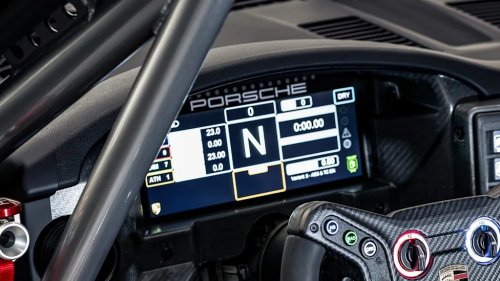
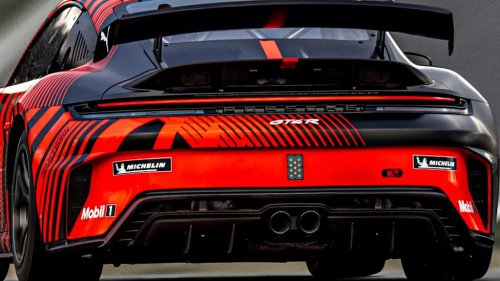
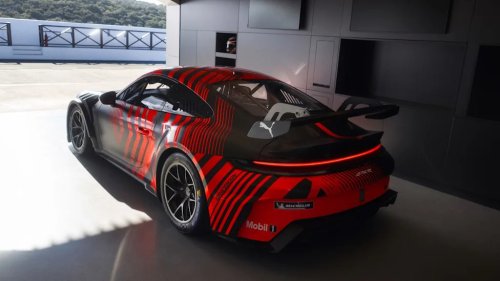
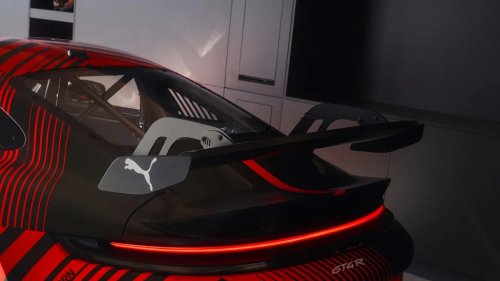
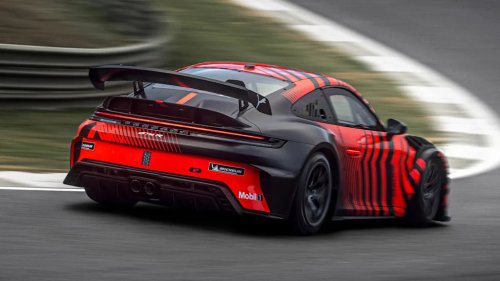
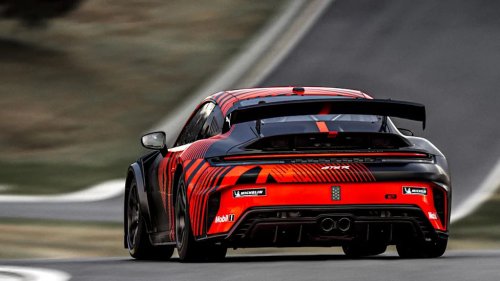
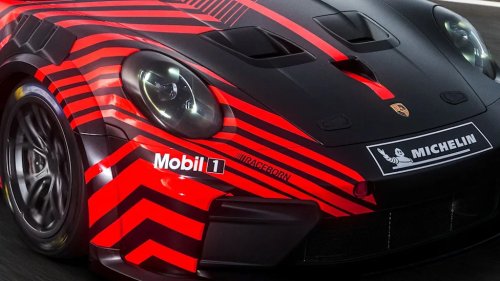
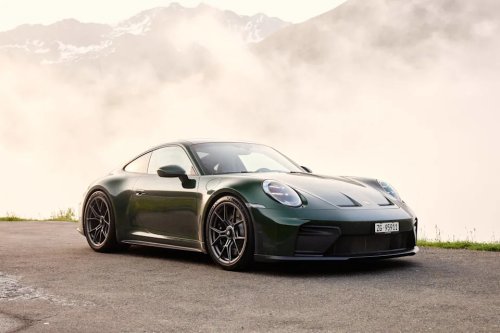
First Look: New 2027 Porsche 911 GT4 R Race CarPorscheWith the end of the Porsche 718 as a gas-powered sports car, the GT4 RS Clubsport, its race car counterpart, was logically also on the way out. As the car aimed at up-and-coming drivers racing in feeder series around the world that use the GT4 formula, the mid-engine 718 served as a steppingstone to a ride in the 911 GT3 R in IMSA, GT America, and other professional sports car series. Now, the leap from GT4 to GT3 should feel a bit more familiar as Porsche introduces the 2027 911 GT4 R, the 992.2-based replacement for the 718 GT4 RS Clubsport.Why Does Porsche Need a GT4-Spec 911?Although it is a new race car from Porsche, the 2027 911 GT4 R is based on the existing 992.2 911 Cup car. The latter model already competes in Porsche-sanctioned one-make series such as Porsche Carrera Cup North America and Porsche Sprint Challenge North America. This also means support and setup knowledge for the new 992.2 GT4 race car will already be largely established, and drivers in IMSA's Michelin Pilot Challenge Grand Sport class and SRO GT4 America should be able to get up to speed, no pun intended, rather quickly.The other advantage is that drivers who want to stay in a Porsche while moving from GT4 to GT3 might find it to be a more natural transition. The driving style between a mid-engine 718 GT4 and a rear-engine 911 GT3 is quite different because of the difference in the cars' weight balance. That should make the jump from the Grand Sport feeder class to the professional GTD class in the IMSA WeatherTech SportsCar Championship a little less daunting, aside from the increase in power and grip.Same Engine, More PowerIndeed, power and grip separate all the cars mentioned in this story, aside from engine placement. Although all the Porsche race cars mentioned here use the legendary six-cylinder flat-six, the outgoing 718 GT4 produced around 500 horsepower when its 4.0-liter engine was unrestricted. The 992.2 911 GT4 R bumps that to 520 hp from the same 4.0-liter displacement; this might make the jump to the GT3 R's 565-hp, 4.2-liter engine just a tiny bit easier.AdvertisementAdvertisementAgain, those are unrestricted numbers, and most series require some sort of restrictor as part of balance of performance parity among the different makes in each class. The supplied 2.11-inch (53.7mm) restrictor from Porsche, for example, chokes the peak output to 430 hp. Even so, that is still a 5-hp bump over the 718 GT4 with a similar restriction.Meaty TiresRoadholding comes from a combination of aerodynamics and the mechanical grip the chassis provides. It all begins with the tires, and even though each series will specify its own tire manufacturer, the 911 GT4 arrives with an advantage over the outgoing 718 GT4.The mid-engine Porsche race car made do with 18x9-inch front wheels and 18x10.35-inch rears. Those might sound like great sizes for a street car, but they are narrow for a race car. The new 992.2 911 GT4 R comes with 18x11 front and 18x12 rear wheels. Of course, both GT4s pale in comparison to the monsters fitted to the 911 GT3 R, which uses 18x12.5 front tires and 18x13 rears.The GT3 also has an advantage when it comes to wheel and tire changes, as it uses center-lock forged aluminum wheels, while the GT4 version remains saddled with five-lug forged aluminum units.AdvertisementAdvertisementJust behind those five-lug wheels, the 911 GT4 R features six-piston front and four-piston rear monobloc aluminum calipers clamping two-piece rotors. Both axles use 15-inch (380mm) steel discs mounted to aluminum hats, but the fronts are 1.38 inches (35mm) thick and the rears are 1.26 inches (32mm). Although both street and race cars use ABS to modulate braking pressure, the GT4 gets the latest Bosch motorsports system, which can be adjusted to the driver's preference for lockup.PorscheThe Bodywork Is a Mix of Street and Race 911 GT3Aerodynamically, the new 911 GT4 R is limited by racing rules in terms of how much downforce it can produce and wears simpler, more street-like styling than the 911 GT3 R race car. But that doesn't mean the GT4 R lacks tricks to help it slice through the air and stick to the pavement. The car's nose is not too far removed from the street GT3's design, but it adds more openings to cool components such as the brakes and radiator while keeping a similar overall shape.Past that point, however, the differences between street and race car become much more noticeable. The fenders feature extensions to fit the larger front wheel-and-tire package and include vents to extract air trapped in the wheel wells. The extended wheel arches also required changes to the way they blend into the splitter and nose. Sorry for the bad news, but the GT4 bumper will not be a direct fit on your 911 GT3 road car.The hood is also a major departure from both the road car and the previous GT4 racer. The front vents are replaced by a set mounted farther back, and they aren't integrated into the panel like they are on the road-legal 911 GT3. There is also a built-in NACA duct that feeds air to the required cabin-ventilation system. You will also notice there is only a single centrally mounted wiper to clear the windshield when rain falls on your parade at the track. The LED headlights are very similar to those on street-legal 911s and include daytime running-light functionality, but corner lighting is optional on the GT4 version.AdvertisementAdvertisementContinuing along the side, you find side-skirt splitters, but the GT4 uses a redesign that improves underbody aero performance and features widened rear bodywork. Although the doors look like the same parts used on the 911 GT3 road car, the 911 GT4's are made from natural fiber-reinforced plastic, or NFRP. Additionally, the driver-side door does not feature the same crash structure as the road-legal 911, but safety foam works in conjunction with the roll cage to protect the driver in side impacts, and the window has a quick-release system for emergency driver extraction.Another FIA safety requirement is a roof hatch above the driver's seat, which explains the unusual cut lines in that area. It is there in case the driver cannot escape, or rescue crews cannot extract him or her, through the door or window because of damage or obstruction. It also allows for vertical extraction if exiting through the side could worsen an injury.The side windows, along with the windshield and rear window, are replaced by polycarbonate reproductions, while the rear quarter windows include provisions for the integrated air-jack system and cabin ventilation on both sides. You also notice the rear fenders have a vent the roadgoing 911 GT3 does not, designed to feed air into the rear for additional cooling.Now we get to the business end of the 911 GT4, starting with the engine cover. Like the street GT3, it features openings to feed the air intakes. But rather than risk restricting airflow, the openings in the NFRP lid are wide and smooth. You also see a similar-looking and equally functional swan-neck-mounted rear wing on the GT4, but the racing 911's wing has 11 positions of adjustability and is made from NFRP, whereas the street-legal GT3's is fixed and made from carbon fiber. The GT4 also uses a ducktail spoiler on the rear bodywork to improve airflow to the underwing, further boosting aerodynamic performance while also helping cool the engine.AdvertisementAdvertisementJust like the front fascia, the rear bumper looks very close to the street-legal 911 GT3's, though there are plenty of changes here, too. It is wider than the production version, and there are new openings to improve rear underbody aero, cooling, and rear wheel well ventilation. What remains the same is the recognizable Porsche wordmark and integrated brake light, though this light also features a strobing function to signal that the engine has stalled. Just below that is the required FIA rain light, which strobes through the rooster tail of water kicked up by the rear aero and tire wake.PorscheAll Business, All the TimeIf you hoped you could street-drive a 911 GT4 R, think again, and not just because of emissions rules or the lack of airbags. The cockpit is built for one thing: keeping the driver safe and secure. And although the FIA mandates that the cabin maintain a certain temperature, that does not mean a crisp 70 degrees from a high-powered air-conditioning system. Usually, it is outside air channeled into the cockpit that keeps the driver cool, though there are provisions for seat cooling, and the driver can use a cool suit that circulates water through the core of the suit.However, much like the modern 911 GT3, the 911 GT4 R uses a digital instrument cluster to relay critical information. Unlike the road car, the race car of course uses a competition steering wheel that manipulates a quicker steering rack that works with the minimal steering input this wheel design allows. It also features buttons and dials, again much like the road car, but here they control things like pit-lane and yellow-flag speed limits, and there is a button to press when you want to talk to your pit-wall crew. Other functions include dials and buttons to adjust traction control and ABS limits, flash the high beams, deliver a drink to the driver, and engage reverse.Yes, a reverse button. Because the 2027 Porsche 911 GT4 R is a modern race car, it does not use a stick shift. The driver uses paddles behind the wheel to shift the six-speed transaxle mounted to the 4.0-liter flat-six. The gearbox also uses dog-ring engagement for strength and quick shifts. Although this may sound like the optional PDK found in many Porsche road cars, including the outgoing 718 GT4 RS Clubsport race car, there are still three pedals under the NFRP dashboard. The clutch is not used for upshifts and downshifts, but it is there for starts, pulling out of the pit box, and, hopefully, preventing a stall if you spin to a stop. If the engine does stall, the Bosch motorsports ECU and Porsche electronics will attempt an automatic restart. If that fails, the driver can engage the starter with a button on the steering wheel.AdvertisementAdvertisementFinally, also helping to keep the driver safe is the integrated roll cage welded to the 911 GT4 R's steel body. The bare steel cage uses padding in areas where the driver's hands, legs, feet, and head could make contact with it during an impact, and protection is enhanced further by window and center netting to limit movement. Also helping restrict movement are the FIA-legal seat and six-point harness. Since these cars are often shared by multiple drivers in a single race, the seat offers two positions for height and inclination, though fore-aft adjustment is handled manually. Teams can add additional foam padding to fit different body types, and the steering wheel's height and reach are adjustable.You might also notice a baseplate on the cockpit floor; it's there for weight-balancing ballast to be installed and as an additional mounting point for optional equipment such as the cool-suit system, air-conditioning system, and any other gear the team deems necessary within the rules of the series it competes in.Photo credit: PorschePhoto credit: PorschePhoto credit: PorschePhoto credit: PorscheAdvertisementAdvertisementPhoto credit: PorschePhoto credit: PorschePhoto credit: PorschePhoto credit: PorscheAdvertisementAdvertisementPhoto credit: PorschePhoto credit: PorschePhoto credit: PorschePhoto credit: PorscheAdvertisementAdvertisementIt's Not as Expensive as You'd ExpectNow that you know the details of the 2027 Porsche 911 GT4 R, you probably wonder how much teams need to shell out to get one. The base price of a 2027 911 GT3 road car is $238,150, but the GT4 R adds another $137,350 to the MSRP. At least the $375,500 starting price includes delivery to your race shop in the U.S.The 718 GT4 was much cheaper at around $229,000 when it first arrived, but the new 911 GT4 R is a far more advanced machine by comparison. As for transporting it while you campaign it in the 2027 IMSA Michelin Pilot Challenge and SRO GT4 America series, well, that part is on you.