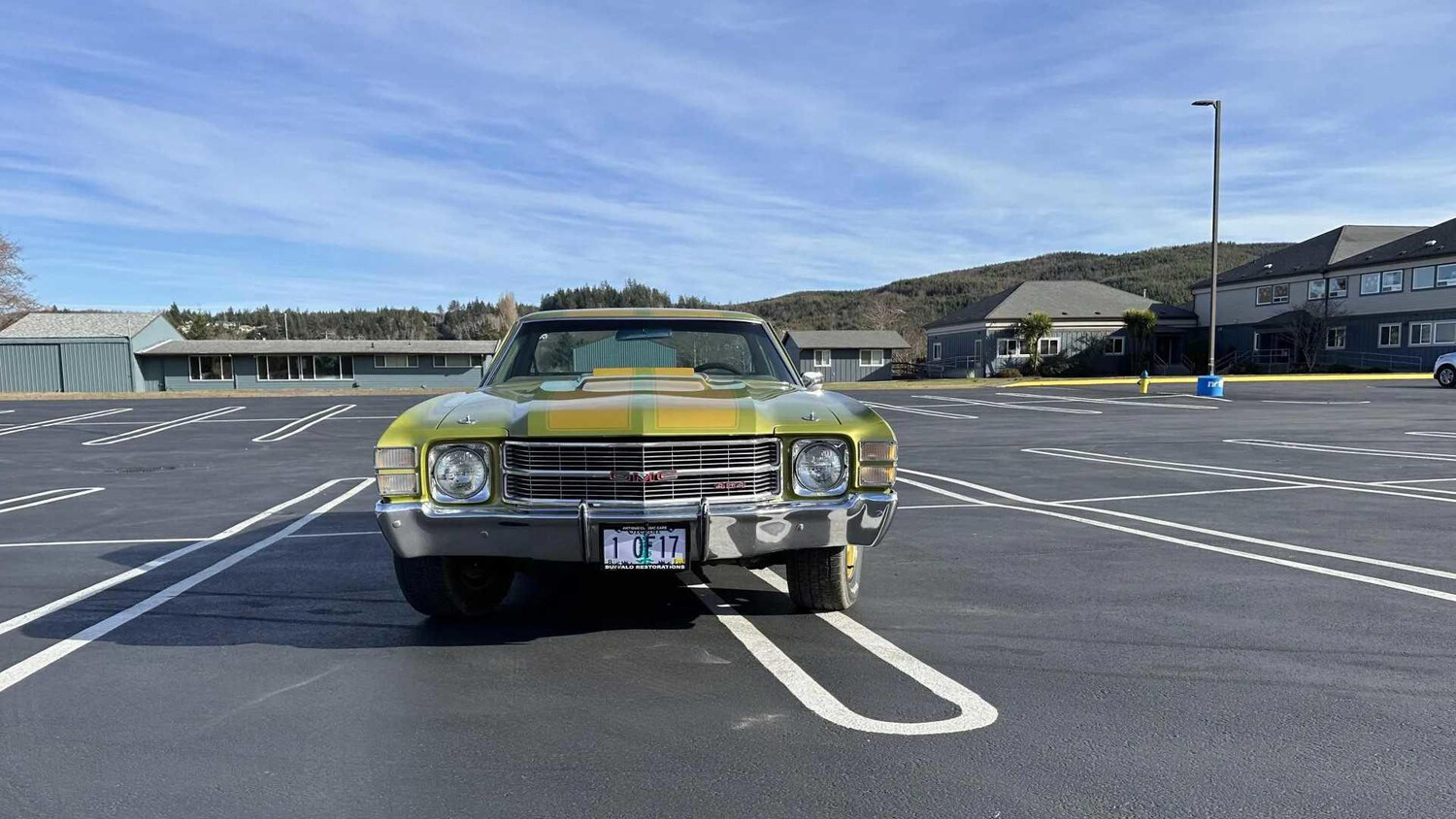
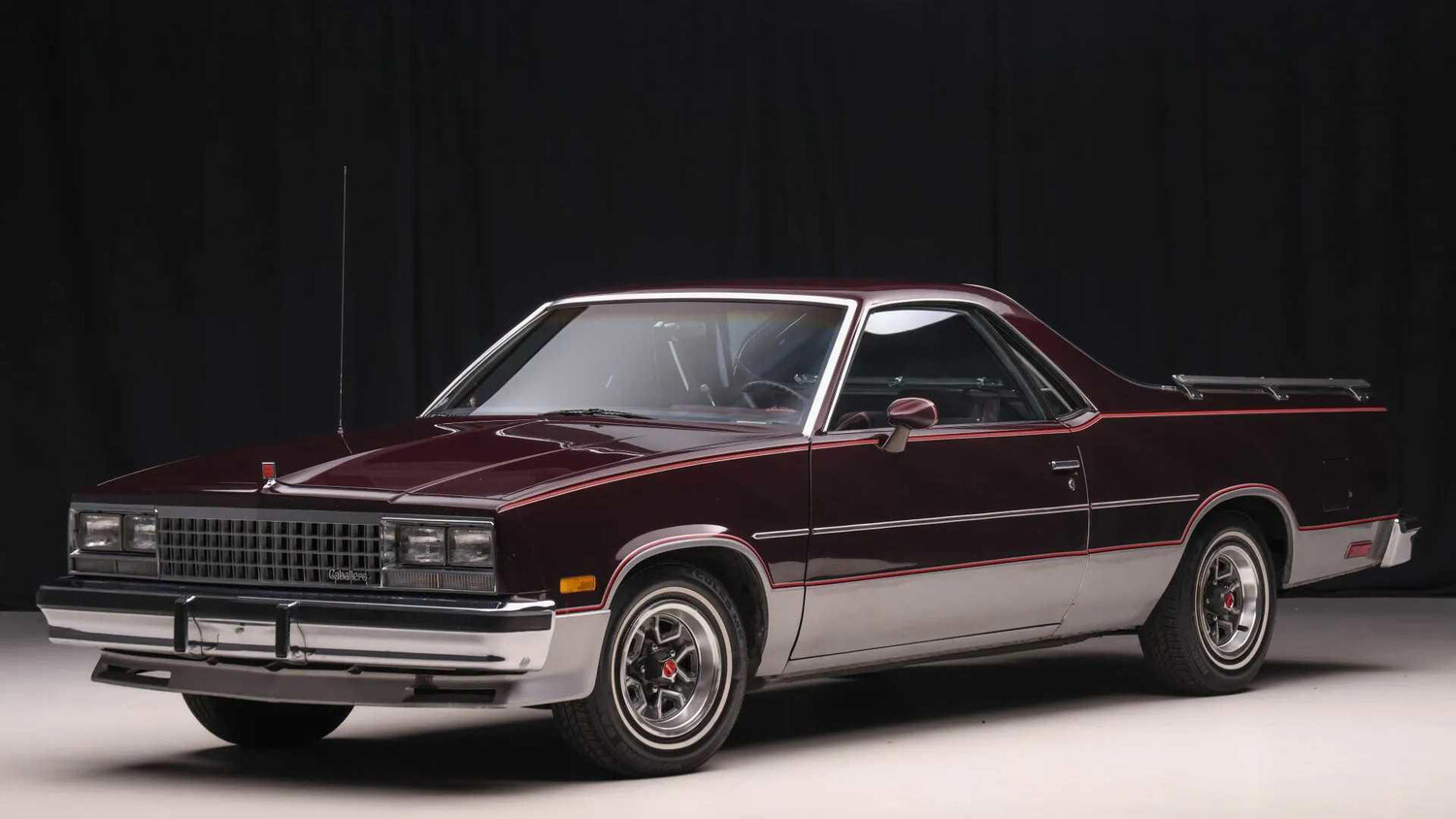
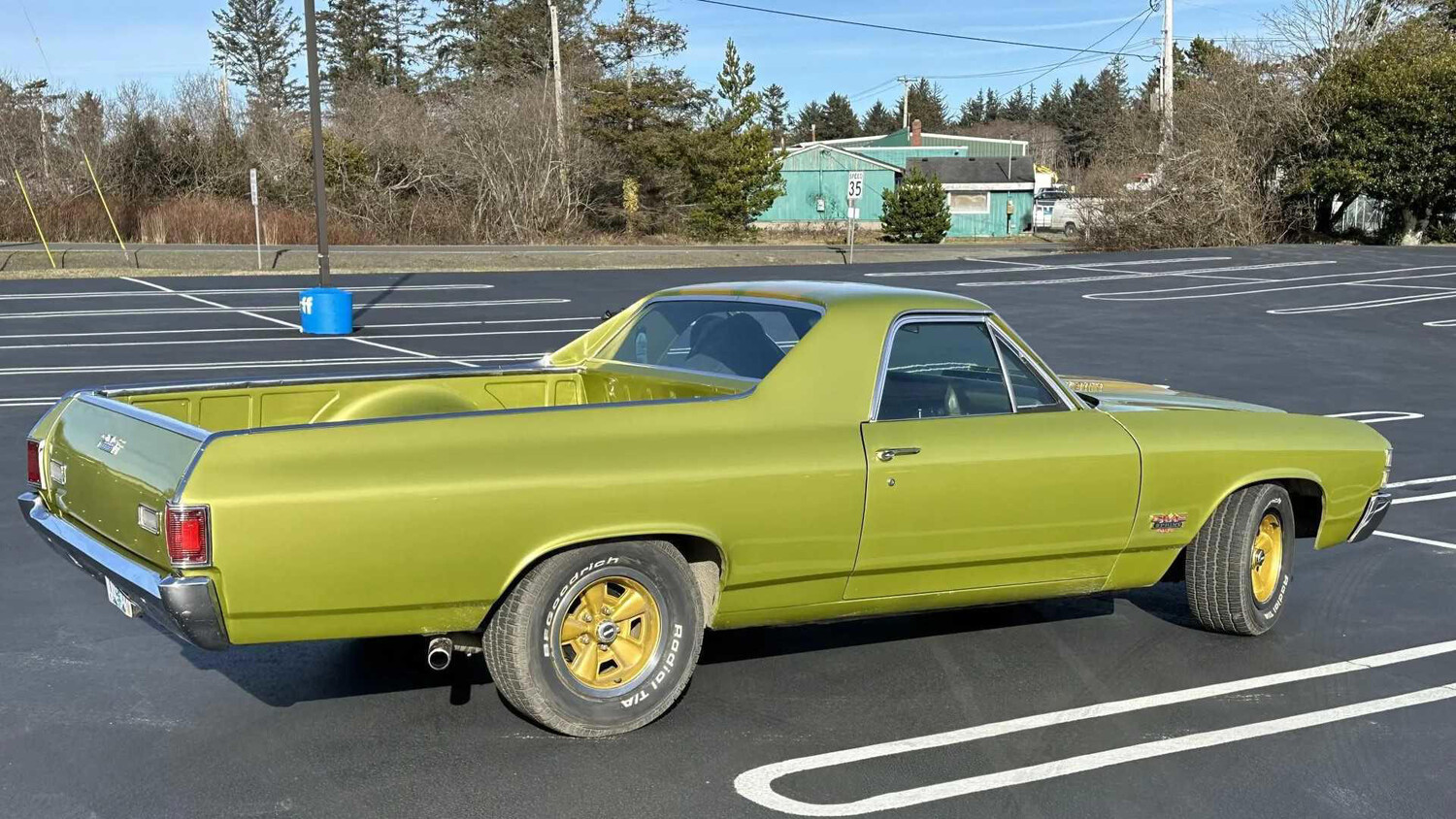
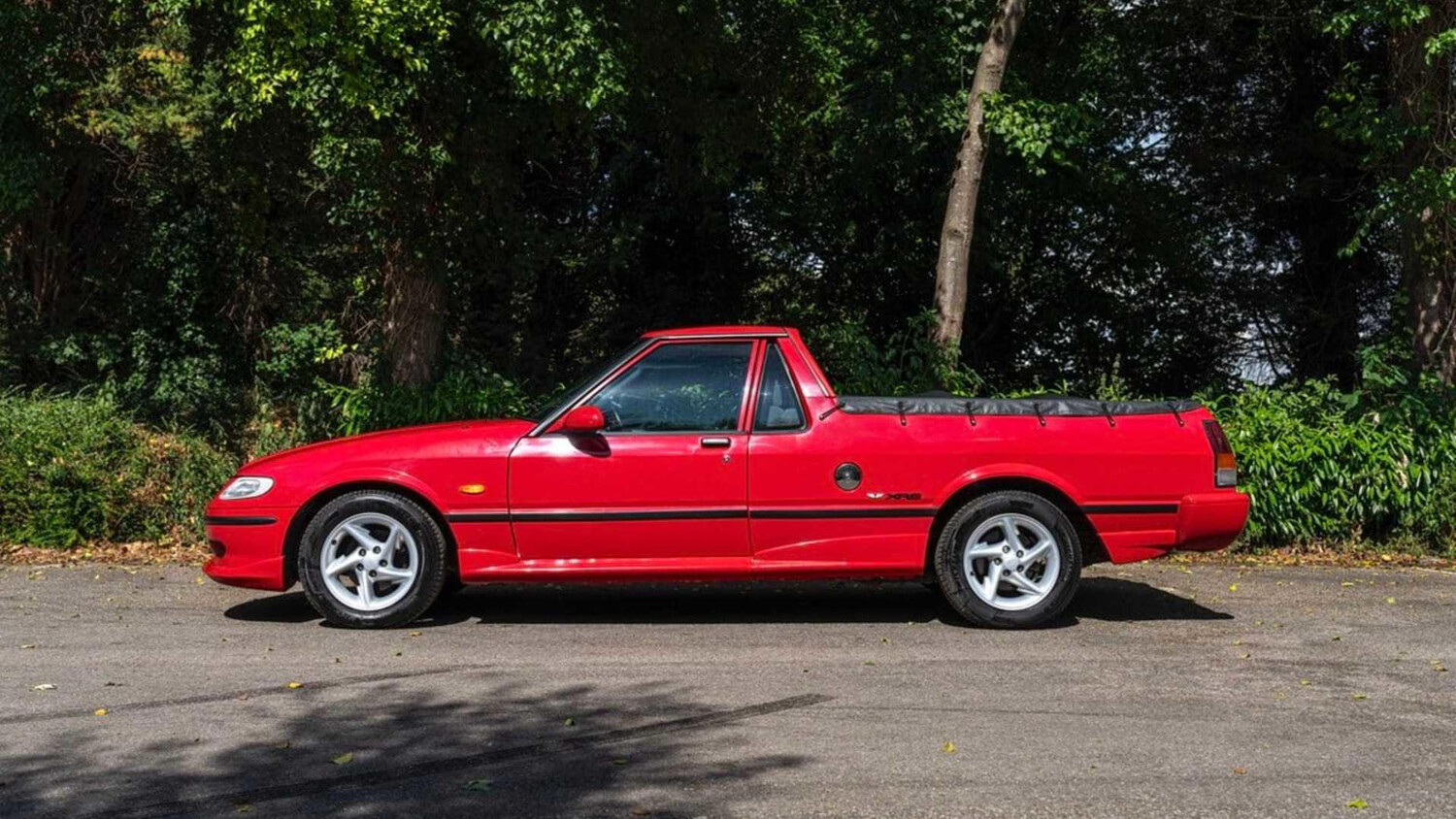
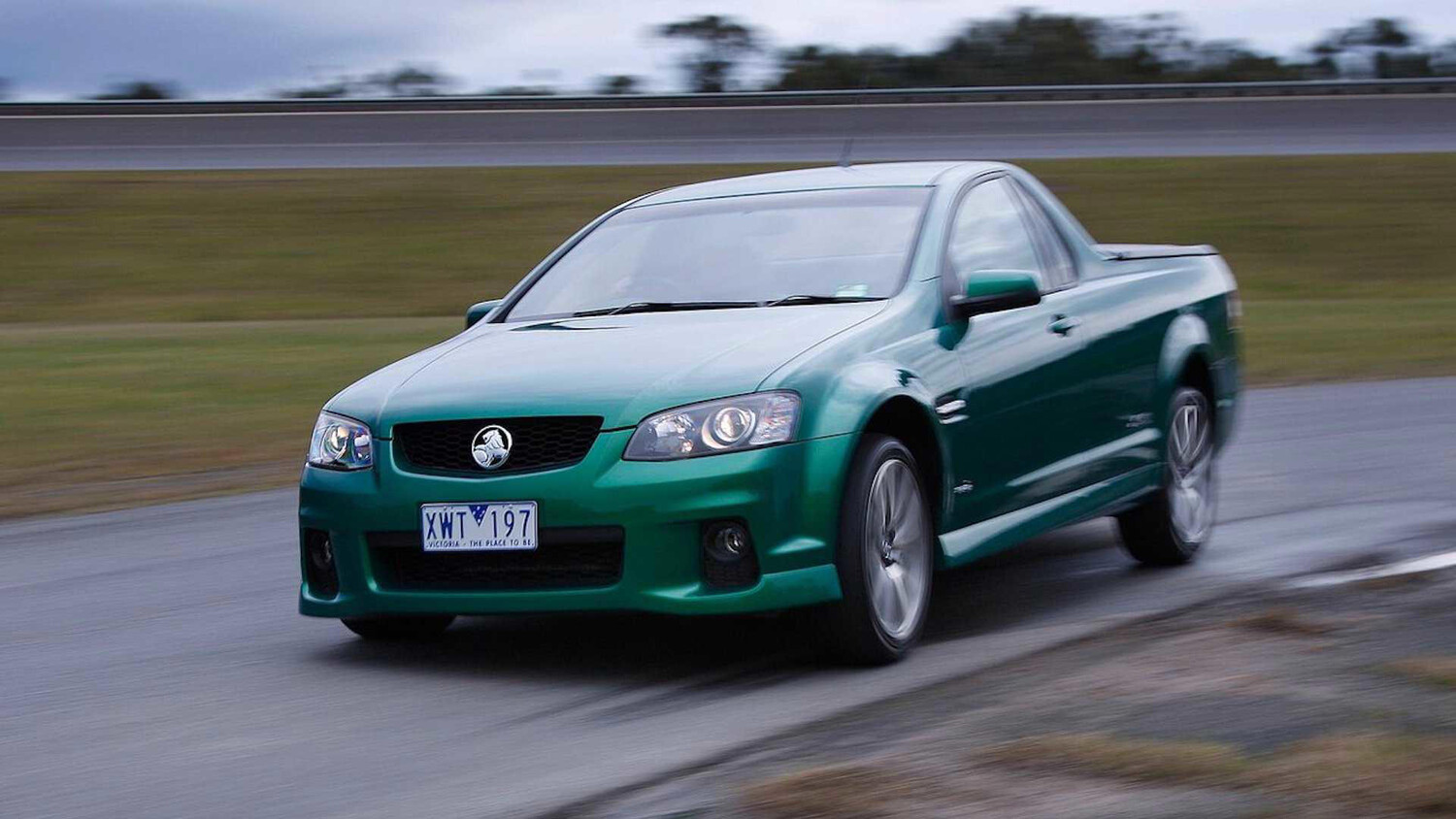
Most American car enthusiasts will have heard of the Chevrolet El Camino. This unique vehicle, halfway between a car and a pickup truck, became an icon of mid-century American motoring, symbolizing the idea of road-trip freedom. The El Camino had a fairly long lifespan, sticking around on the market for nearly 30 years. What many enthusiasts don’t know, however, is that one of Chevrolet’s sister brands sold its own version of the model for a slightly shorter period of time.In the 1970s, GMC produced a rebadged version of the El Camino called the Sprint, a name that was later changed to Caballero in the model’s final decade. Far less famous than its Chevy-badged sibling, the Sprint/Caballero is now a hidden gem of the classic car world, offering today’s enthusiasts an affordable opportunity to own a V8-powered coupe (well, a coupe utility, to be precise). Let’s take a closer look at the Sprint/Caballero’s history and features, and at the unique automotive category it belongs to. The GMC Sprint's First Generation: A Little-Known Version Of A Legendary Model Bring a TrailerThe GMC Sprint made its debut for the 1971 model year, just as the third generation of the Chevrolet El Camino was drawing to a close. The differences between the two models were almost non-existent, largely confined to the badging. Both vehicles were based on the chassis of a Chevrolet model, the Chevelle. The body was also inspired by that of the Chevelle, with the addition of a pickup truck-style bed in place of a second row of seating.Bring a Trailer A range of five different engines was available to choose from in the first-gen Sprint: one 4.1-liter (250 cu. in.) inline-six, and four V8s varying from 5.0 to 7.4 liters (307 to 454 cu. in). Power outputs varied between around 145 and 365 hp. The transmission lineup included three options: a three-speed automatic, a three-speed manual, and a four-speed manual. A variety of comfort features were available as options, including powered windows and locks, cruise control, and air conditioning. A performance-oriented version, the Sprint SP, was available as a counterpart to the El Camino SS.As the third-gen El Camino went out of production in 1972, the first-gen Sprint followed it, meaning the model was only on the market for two years. A total of around 12,000 first-gen Sprints were produced, only a fraction of which will still be on the road and available for sale today; if you’re dead set on adding one to your collection, you may have to do some digging (and some traveling) to find the car of your dreams. A Change Of Design And Name: The Sprint's Second Generation And The Caballero Bring a Trailer In 1973, when the El Camino entered its fourth generation, its Sprint counterpart got an update as well. The second-gen Sprint was larger than its predecessor but lighter, as a result of a redesign involving all vehicles built on GM's "A" platform. The engine lineup changed slightly, but continued to include one inline-six and four V8s, varying in size between 4.1 and 7.4 liters. Power outputs varied between around 110 and 240 hp. The Sprint SP performance option package continued to be available, as the El Camino kept offering an SS version even after other models in the GM family had dropped theirs.Bring a Trailer The 1978 model year brought about an important change. As the El Camino's fifth generation made its debut, a GMC version continued to be produced but under a new name. The model was now called the Caballero (Spanish for “gentleman”). This time, the engine lineup was made up of three V6 engines and three V8s, varying in size between 3.8 liters (229 cu. in.) and 5.7 liters (350 cu. in). Power outputs varied between around 110 and 170 hp. Both the El Camino and the Caballero went out of production in 1987, bringing an important chapter of GM history to an end.“Drive an El Camino back to back against a GMC Caballero and you won't really notice too many differences, except those in the know are gonna be a lot more excited to see the latter. That's because it's substantially rarer, possibly because the carlike styling wasn't an obvious fit for the rugged, tough image GMC was courting at the time.In its defense, the Caballero is a lot more comfortable and easier to drive than one of its contemporaries, like the Squarebody pickup and K5 Jimmy SUV. Personally, I'd rather have a Caballero than an El Camino for the rarity and novelty of it, but otherwise, they're pretty much the same. If you like one, you'll like the other just fine.”-Brett Evans, CarBuzz What Is The GMC Sprint Worth Today? Bring a Trailer If you think a classic coupe utility would make a great addition to your garage, the GMC Sprint should be on your list of models to consider. It offers all the design features you know and love from the El Camino, but is available at a more affordable price point thanks to its branding and the fact that it’s a lesser-known model. Here is what you can expect to pay when shopping for one.The price range for the Sprint/Caballero is broadly similar for both generations of the model. You could pick up an example of this model for as little as $8,000, although at that price, it is quite likely to be in poorer condition and require some repair work. If you don’t mind spending a few weekends in your garage or setting aside some extra money to get your vehicle back in shape, this could be a fantastic affordable entry point into Sprint ownership. The more expensive examples can be found around the $35,000 mark.Mecum Now let’s look at the Chevrolet El Camino from the same time period. The lower end of the price range is similar to that of the Sprint, with some sub-$10,000 examples out there; however, the upper end of the range reaches much higher prices, up to around $55,000.Last of all, for comparison, let’s look at another American coupe utility that competed against the El Camino and the Sprint, although it only had a small overlap with the latter in terms of production years: the Ford Ranchero. The Ranchero is a little older than both the El Camino and the Sprint, entering production in 1957 and remaining on the market until 1979. Prices for the Ford Ranchero today vary between around $6,000 and around $50,000. The Coupe Utility: A Curious Vehicle Type That Links America And Australia CarandClassic.com The GMC Sprint, along with its handful of siblings and rivals, is part of an automotive segment that is most closely associated with Australian car culture, although it found some fertile ground in the States as well. We’re talking about the “coupe utility”, a vehicle that’s somewhere in the middle between a coupe and a pickup truck. In Australia, the name is commonly shortened to “ute”. The coupe utility uses a car platform and body, modified to include a truck-like bed at the rear. This allows the vehicle to provide both the comfort of an ordinary passenger car and the cargo-hauling capabilities of a small pickup truck.The earliest models that fit this description were actually produced in the States in the 1920s, but it didn’t take long for the coupe utility to find its main home in Australia. Ford’s Australian branch created the first mass-production ute models, penned by Australian designer Lewis Thornet “Lew” Bandt. He responded to a letter written by a local farmer’s wife, asking for "a vehicle to go to church in on a Sunday and which can carry our pigs to market on Mondays".Holden Australia The resulting vehicle was based on the Ford Model A chassis; it had two doors and a cargo bed, which satisfied the requests outlined in the letter. The newly-created vehicle category was highly successful, and gave rise to the “coupe utility”/”ute” name; it became a staple on Australian roads, and even made appearances in the world of local motorsport, with utes competing in multiple different races and championships.The ute also found some success in the US, with the El Camino and its GMC Sprint sibling being the most famous examples. Although no ute models are in production today, there are plenty of examples available on the used car market for enthusiasts to choose from.Sources: General Motors, Ford