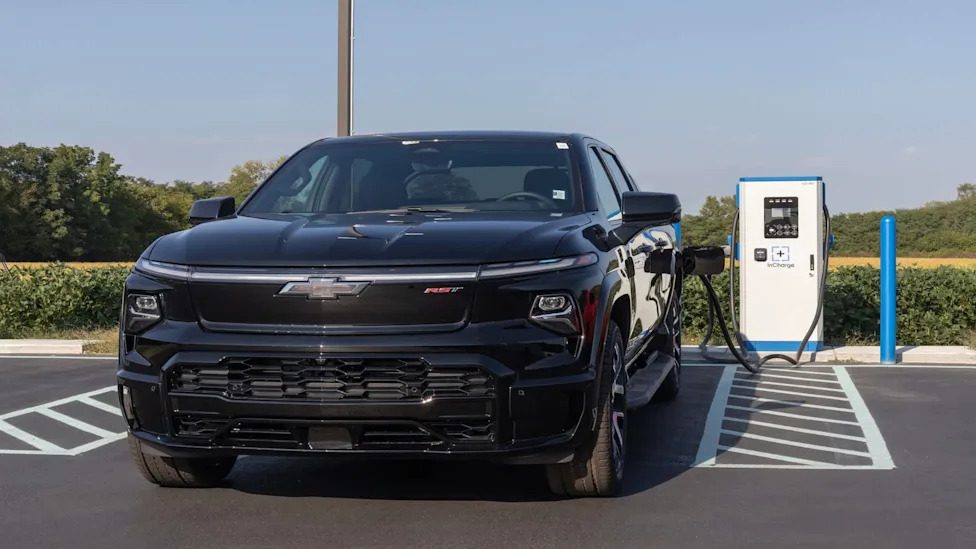
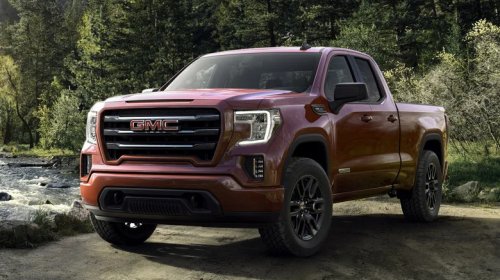
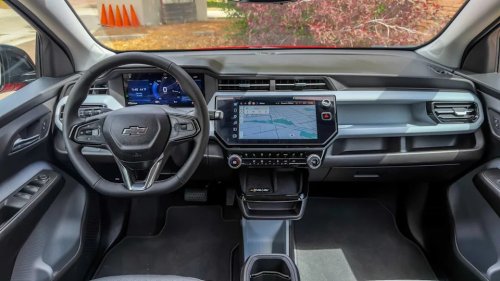
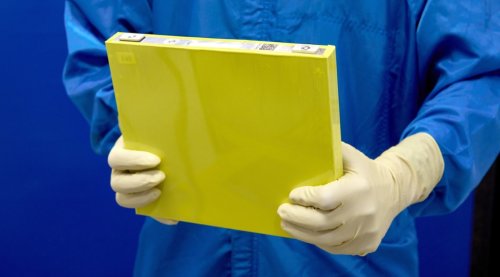
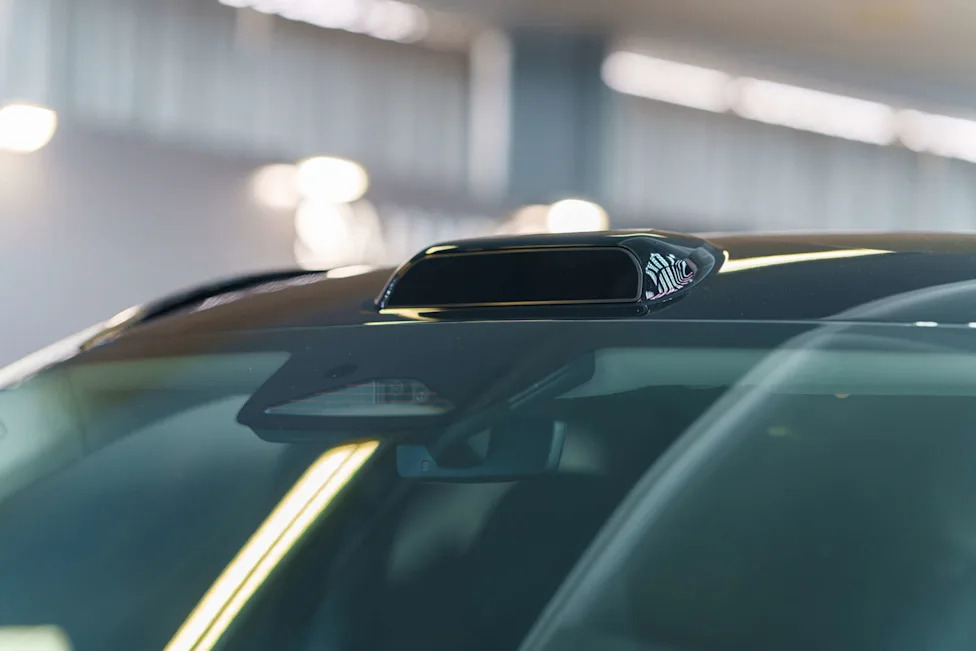
Photo Credit: iStockA new General Motors repair policy could turn an already expensive crash even costlier for drivers.If a GM vehicle needs work involving its advanced driver-assistance systems, the automaker wants collision shops to skip used, recycled, and aftermarket replacement parts.That leaves some car owners without one of the few cheaper repair options available after a collision, and ignoring it could cost them warranty coverage.Here's what to knowGM's latest parts guidance for collision repairs involving advanced driver-assistance systems covers a long list of components: cameras, sensors, radar units, wiring, mounting hardware, brackets, and control modules. SlashGear reports that in those situations, the automaker wants shops to use only brand-new GM Genuine Parts.AdvertisementAdvertisementThe rule doesn't stop at ordinary aftermarket replacements. GM also excludes recycled, salvaged, reconditioned, and remanufactured components, arguing that prior exposure to damage could affect calibration, reliability, and safety.Cost is where many drivers will likely feel the policy most. Recycled OEM parts have long helped bring down repair bills, especially as newer vehicles rely on pricey driver-assistance technology. But GM would also deny warranty or service plan coverage for damage, failures, or other system problems caused by an unapproved ADAS-related part.GM says ADAS function can also be affected by common accessories and modifications, including window tint, stickers, protective films, covers, cargo racks, light bars, hood protectors, magnets, and some suspension or tire changes.More backgroundThe policy adds to the right-to-repair debate in the collision industry. Consumers and independent repair advocates have spent years arguing that owners should have more freedom over how their products are repaired, whether that means phones, tractors, or cars.AdvertisementAdvertisementThe Automotive Recyclers Association is criticizing the move because it removes properly inspected OEM recycled parts as a lower-cost option. The group's position focuses less on non-OEM copies than on original GM components taken from another vehicle and verified to meet testing and calibration standards.GM's wording has also gotten more restrictive over time. As SlashGear noted, in March, the automaker labeled non-Genuine and aftermarket parts near ADAS sensors "not recommended."Repair prices are already a major source of stress for drivers. Restricting the use of recycled OEM parts can lead to higher bills, fewer choices, and potentially more waste if usable components are no longer accepted for certain jobs.What can be done?Repair authorization can hinge on which parts a shop plans to replace and whether they're new GM Genuine Parts, especially for GM vehicles with cameras, radar, parking sensors, lane-keeping features, or other ADAS equipment.AdvertisementAdvertisementRepair decisions can also affect warranty coverage. A lower upfront estimate may not be the better deal if it leads to a later dispute over system failure, recalibration, or follow-up repairs.Repair quotes and insurer policies regarding OEM versus recycled parts can vary for ADAS-related claims, especially if the policy limits lower-cost options.GM's own phrasing shows how much the stance has hardened. Parts once labeled "not recommended" in some ADAS-related repair situations were treated as "not approved" by April.Get TCD's free newsletters for easy tips, smart advice, and a chance to earn $5,000 toward home upgrades. To see more stories like this one, change your Google preferences here.



















 +44 others