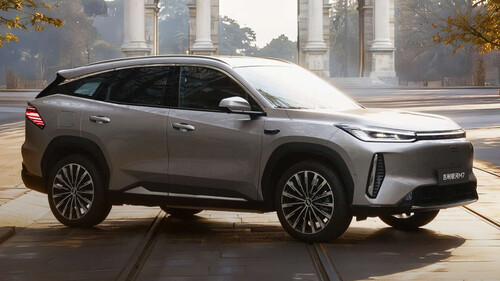
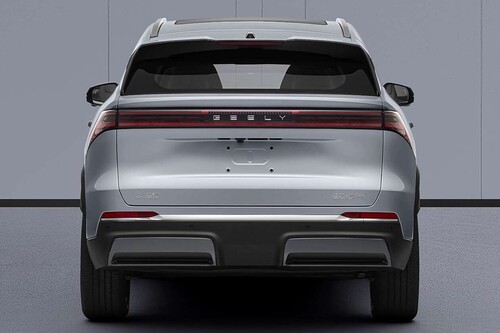
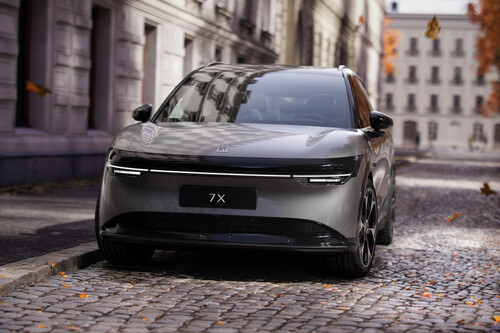
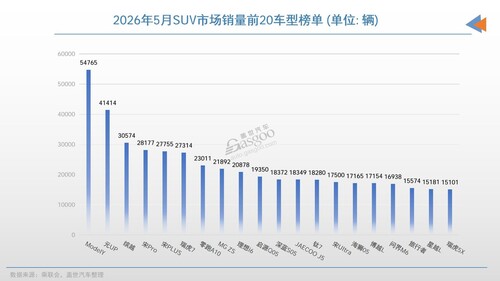
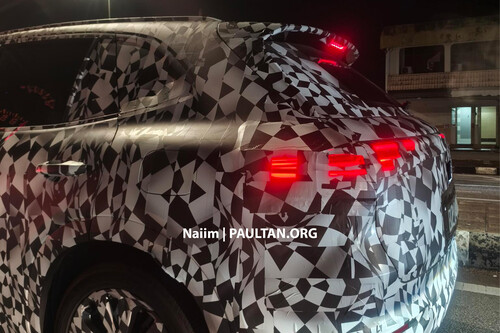
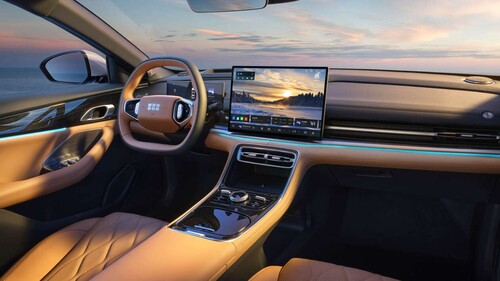
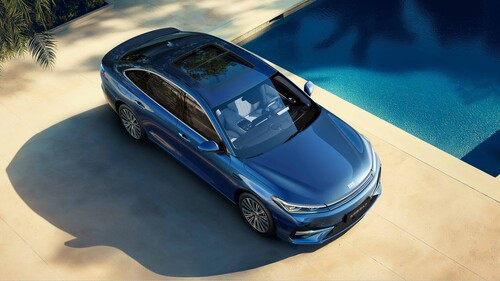
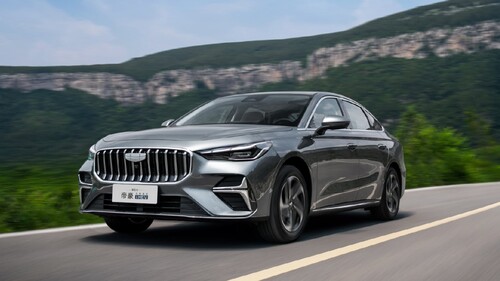
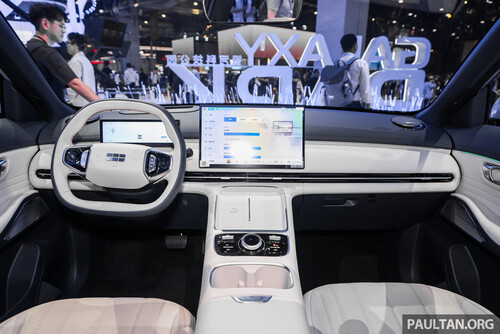
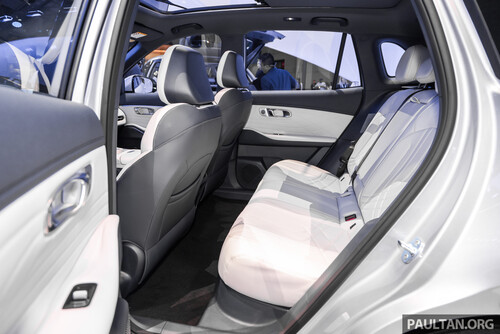
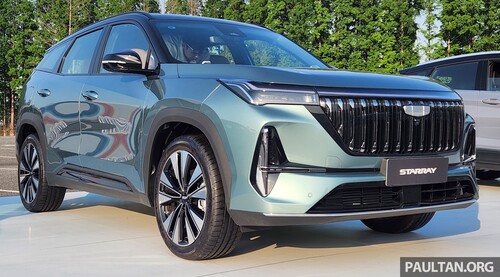
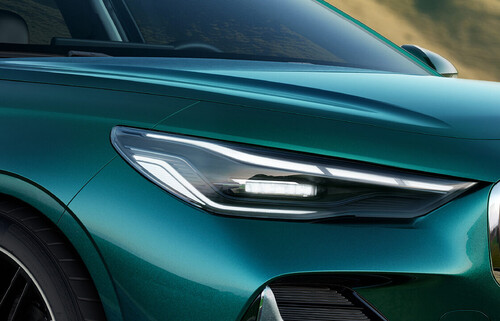
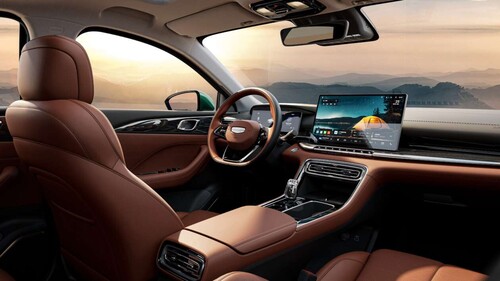
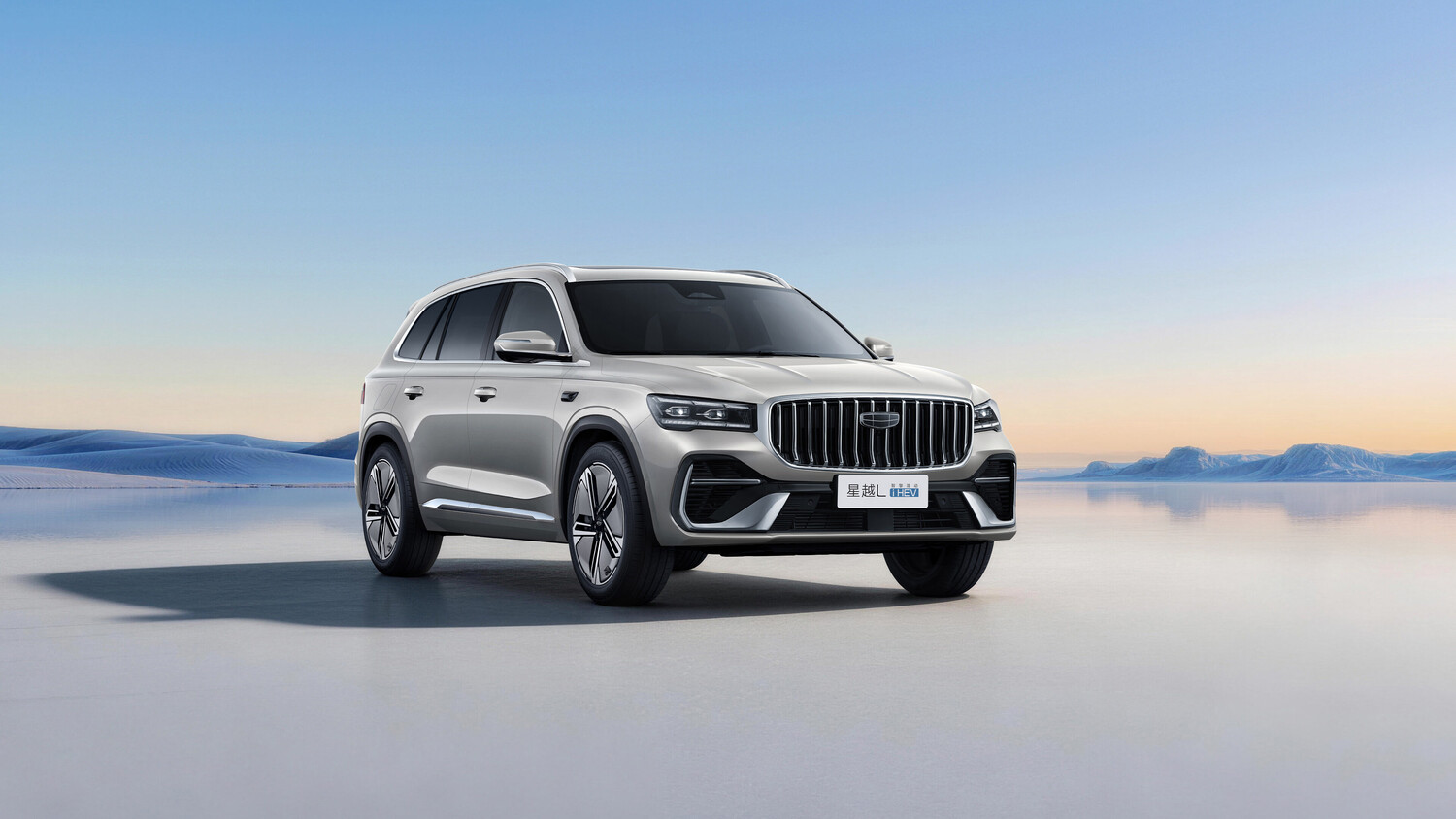
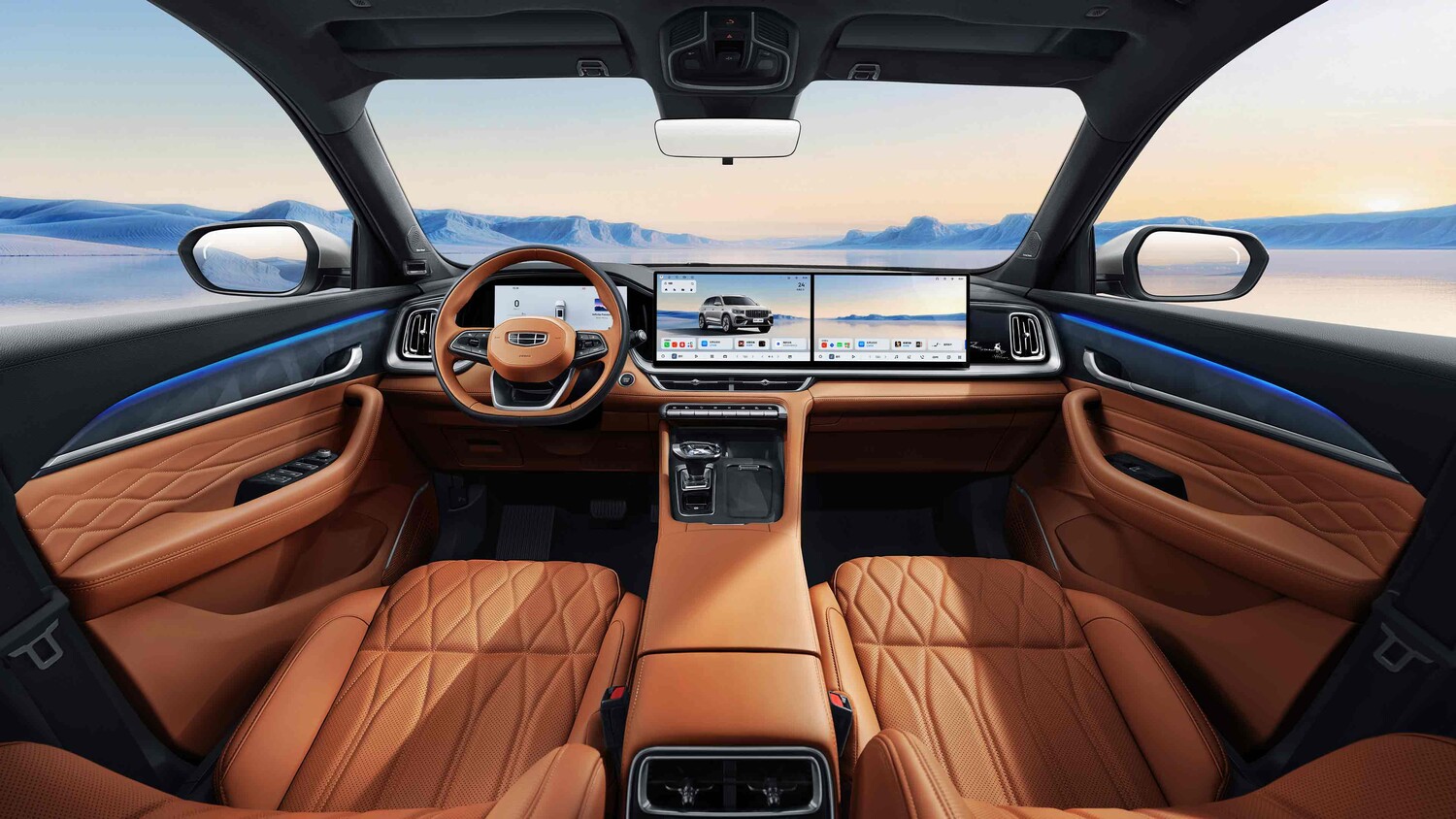
Victoria Hill · 6 months ago@victoriahill27Geely Preface, Xingyue L i-HEV – 1.5L hybrid, 1-speed DHT, up to 25.1 km/l; tech coming to Proton hybrids? Liked by+11 othersGeely BoyueGeely EmgrandGeely GalaxyGeely Starship 7CarsPost commentRelated PostsNew Smart #2 Is Here To Reclaim City StreetsEmma Nelson · 10 days agoGeely Galaxy M7 – Galaxy L7 facelift with M9 face, PHEV Boyue with 225 km EV range, 1,730 km total 94 · Kayla Scott · 8 months agoGeely Emgrand i-HEV hits 2.22 L/100 km, sets Guinness hybrid efficiency record 75 · Charlotte Carter · 5 months agoGeely Galaxy Starshine 6 PHEV – C-segment size but with torsion beam, fr RM47k; Proton eMas sedan? 48 · Kaitlyn Young · 1 years ago2026 Geely Galaxy Starship 7 in Guangzhou – 200 km EV range, upgrades coming to Proton eMas 7 PHEV? 61 · Logan Girard · 11 months agoProton eMas 7 PHEV spied again in Malaysia – 943 km combined range; national brand’s first plug-in hybrid 11 · Lucas Fortin · 11 months agoGeely Aims to Double Zeekr’s and Lynk & Co’s Sales Outside of China 45 · Ethan Fortin · 3 months agoGeely Auto Officially Enters Canadian MarketDaniel White · 10 days agoMay SUV Sales Top 20: Domestic Brands Dominate, New Energy Leads 19 · Jackson Gagnon · 3 months agoGeely Q1 Sales Hit Record High, New Energy Penetration Rate Exceeds 52% 44 · Adam Scott · 6 months ago2026 Geely Emgrand gets longer body, sleeker styling – is this all-new 5th-gen the next-gen Proton S70? 42 · Aiden Wilson · 1 years agoProton eMas 7 PHEV first spyshots – 1.5 BHE15PFI + e-motor, 943 km range, launch in Malaysia next year? 56 · Adam Lee · 11 months agoGeely Galaxy A7 PHEV launched in China – 70 km or 150 km EV range, 2,100+ km total range, from RM62k 90 · Daniel Leblanc · 1 years agoGeely-backed e.MAS 7 Leads Malaysia EV Market as Chinese Brands Grab Over Half 61 · Ava Poirier · 4 months agoSmart #2 makes global debut at Paris Motor Show, Couture Edition launches in ChinaEmily Brown · 10 days agoGeely Auto Posts 83.8 Billion Yuan Revenue in Q1 2026, Core Net Profit Rises 31% 39 · Sophie White · 5 months agoGeely Holding's NEV push lifts Q1 sales to record high 16 · Ava Anderson · 6 months agoGeely Emgrand i-HEV hybrid sedan launched in China at 13,010 USD 29 · Samuel Scott · 4 months agoGeely EX5 EM-i launched in Australia – Proton eMas 7 PHEV twin with up to 83 km EV range WLTP; fr RM105k 14 · Caleb Roy · 1 years agoGeely Galaxy A7 revealed – D-segment PHEV sedan, 2L/100 km, over 2,100 km range; next Proton Perdana? 39 · Emma King · 1 years ago



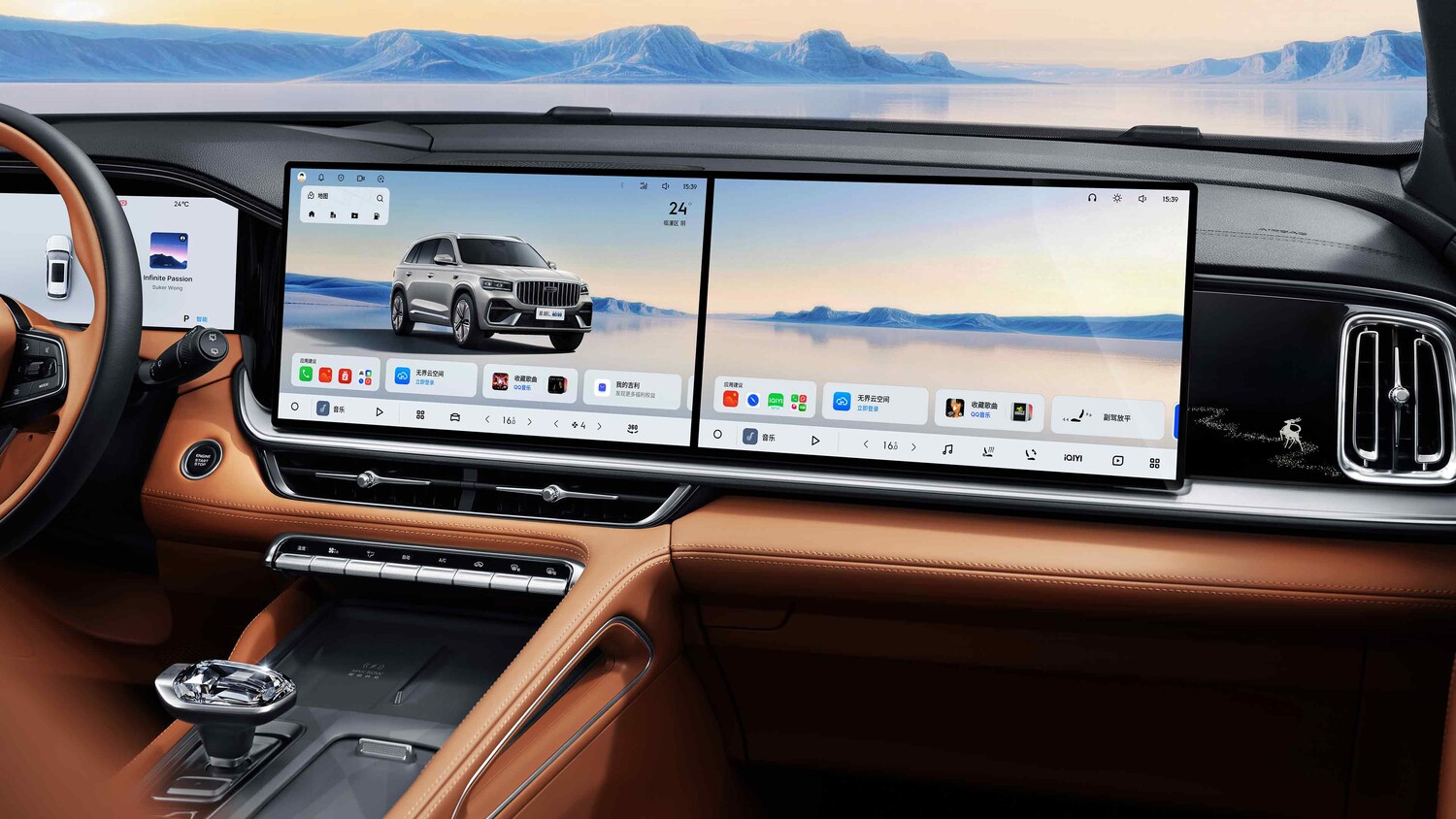


 +11 others