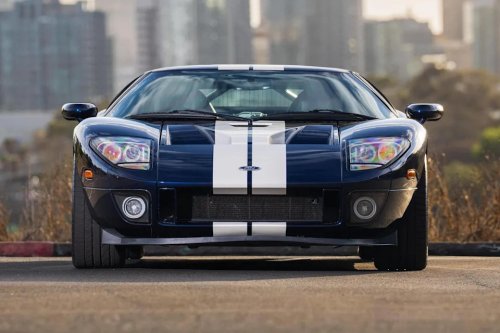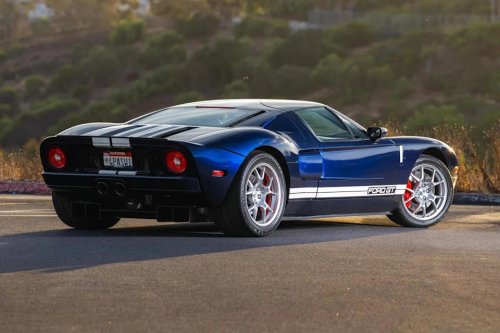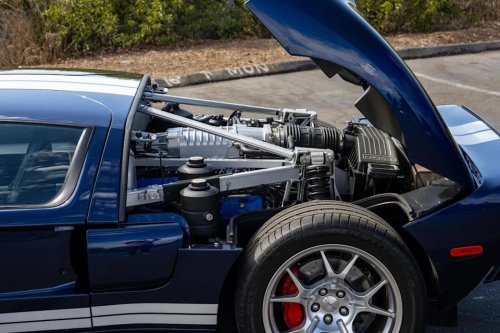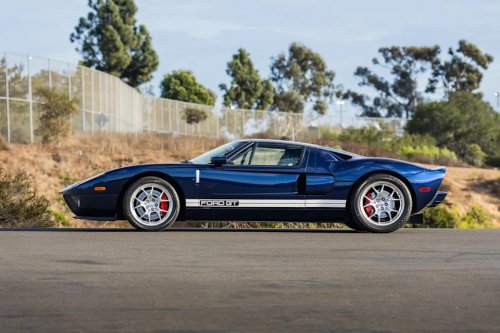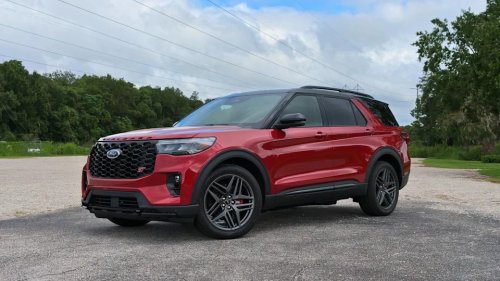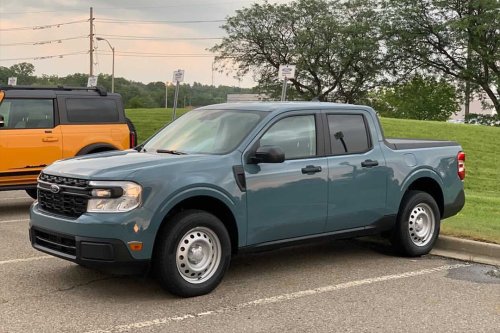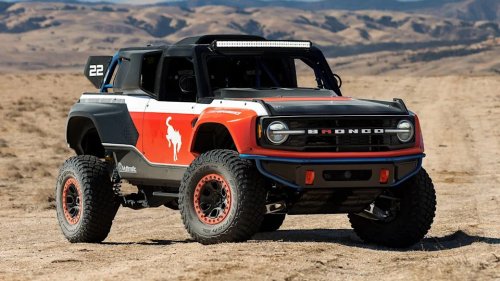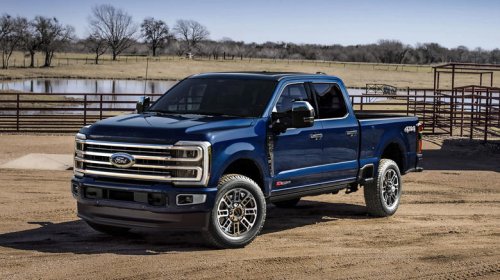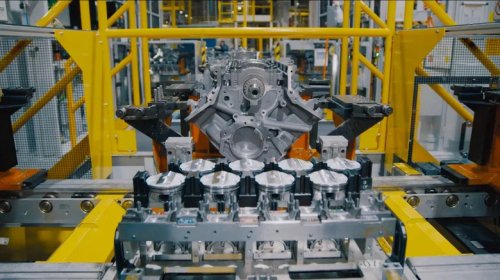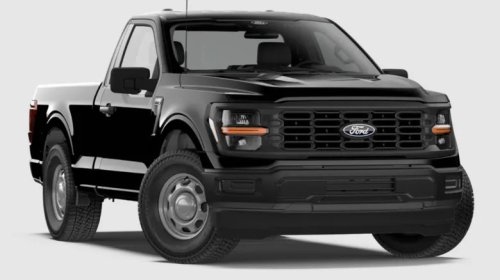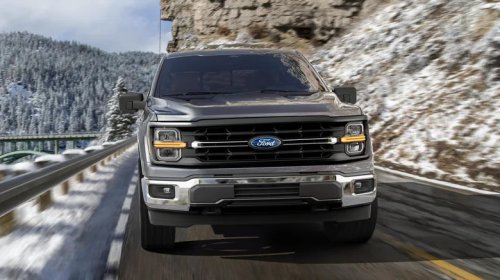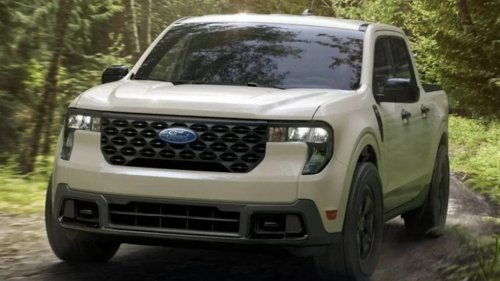
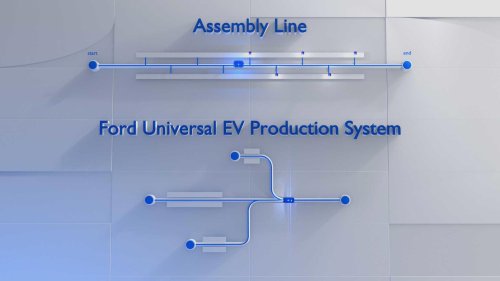
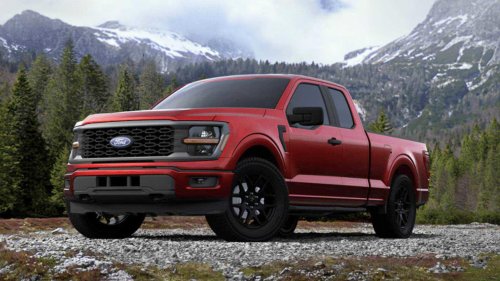
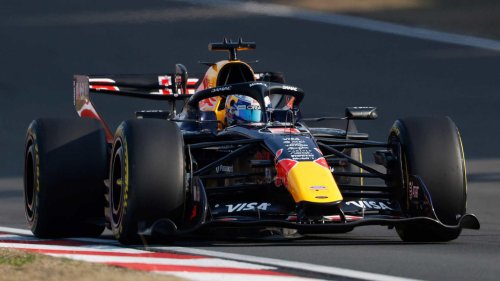
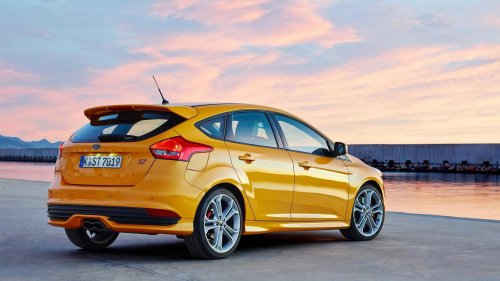



















UPDATE: March 30, 2026 Added Ford F-150 and Explorer pricing trends for context on cost-cutting.Ford's new "Universal Production System" will be a production revolution, but it will take some key jobs away from robots and give them back to people. That's one of several revelations the company CEO dropped in a recent interview, along with how F1 really helps road cars, and a new twist on his mantra of no boring cars. New Production Will Slash Costs, Build Times Ford "The operator doesn’t have machines to put in the instrument panel or the seats, they’re actually inside it." That comes direct from Ford CEO Jim Farley, speaking with TopGear about the future of Ford. He said that Ford's Universal EV Production System, which will build its upcoming lower-cost EV, will be 40% faster than existing processes.Ford will build vehicles in three separate parts to make the overall assembly process easier. "It's 30% more efficient" that way, he said. Ford can shrink the plant and reduce costs. Big parts like the dash don't slide in through the door with expensive machines, it can just be slid into the open section.Ford "You take massive amounts of stampings and welding out of the system," Farley told TopGear. "We use the battery as the floorpan, it’s a structural member, and we’ll have LFP [lithium iron phosphate] batteries. We have to attach the front of the vehicle in a way that no one has ever done before. No one’s ever built a car in high volume like this... a car every 50 seconds."That new vehicle is still set to arrive in 2027 with a price tag of $30,000. But it will also offer next-generation eyes-off highway driving, Farley said. He wants it to be aspirational, not for buyers to see a "generic, affordable compliance vehicle for the government." Here's Why Cutting Costs Is So Desperately Needed FordFord grew to prominence over a century ago by building a common car the average person could afford. Right now, the Maverick is the company's least expensive vehicle that sits at $30,000, which is still a stretch for many buyers. Being a small truck, it's also not something everybody can use. Meanwhile, the F-150 – the vehicle which has carried Ford for the last several decades, is more expensive than ever. A quick glimpse of CarBuzz pricing trends clearly shows the problem. People are stretching their finances to the brink, and in many cases beyond the brink, to purchase what has become the common family vehicle.The same can be said for the Explorer, which starts at $40,000 and quickly rises in price from there. It's the least expensive three-row SUV the company offers, and prices are streaming upward. Our chart for the Explorer and the F-150 represent low and middle-grade trims, showcasing just how expensive non-luxury, family-sized vehicles from Ford have become. F1 Helps Make Road Cars More Reliable Red Bull Racing Farley also spoke about the company's Formula 1 effort with Red Bull Powertrain Operations. "I gotta tell you, this PU [power unit], it’s one of the hardest things we’ve ever done," he said. Farley said things were a lot different the last time Ford was in F1.Ford has 176 wins in F1 and 13 Drivers' titles, but the last of either was in 1994. The last time the company was in the series at all was with Jaguar and Cosworth in 2004, during the V10 era. It sold Jag and Cosworth the next year, and the team, ironically, became Red Bull Racing. It's all basically come full circle."We want to go into this and solve one of the biggest problems in modern transport," Farley said. "We’re in a different reality here now. High discharge batteries, aerodynamics, predictive failure software, software control for the hybrid system... those are the tech transfers of today, things we didn’t know we could do better than F1." All of that learning can help make better, more efficient, and more reliable road cars.Farley has said before that Ford is "getting out of the boring car business." Now he's changed that, slightly. This time he said "no more generic vehicles." Farley also made it more clear what he meant by boring. He said people loved Focus and Fiesta because they were "affordable cars with great driving dynamics." This means the European models, not the US ones, because Farley spent much of the 2010s as the head of Ford Europe.Ford In Europe, Ford is bringing more EVs to market that are based on hardware from other brands. Despite that shared nature, he says they will "have a specific feel that is not mid-market," and that they will have "a swagger that’s specific to Ford of Europe."Lastly, Farley called the company "unapologetically American" and said that "we like loud engines." He closed by saying that the company has already decided on its next supercar. The CEO hinted that it could be something like the Dakar T1+, but left it at that.