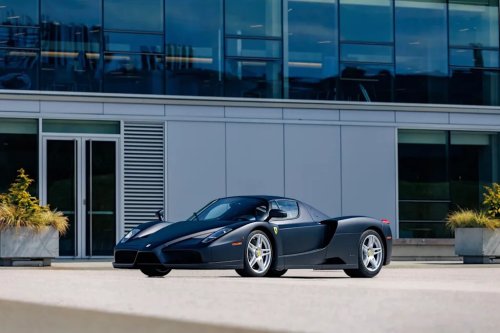
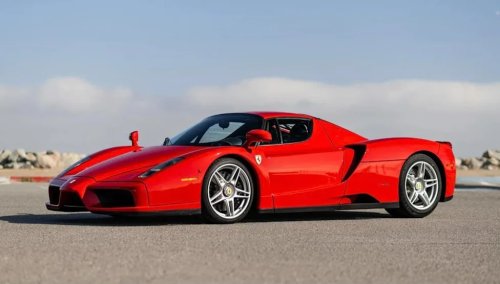
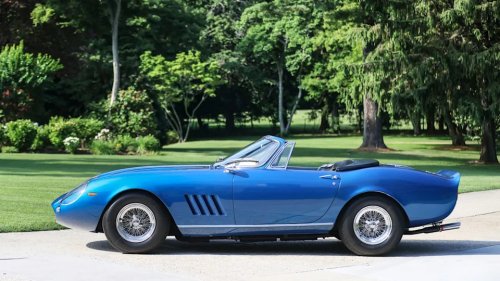
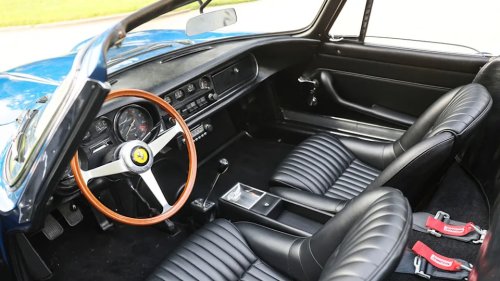
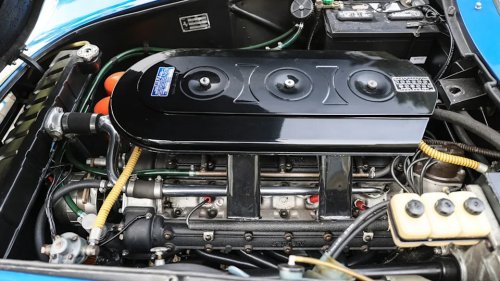
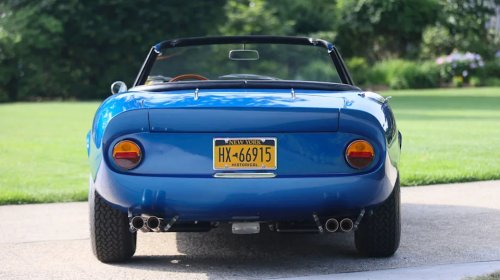
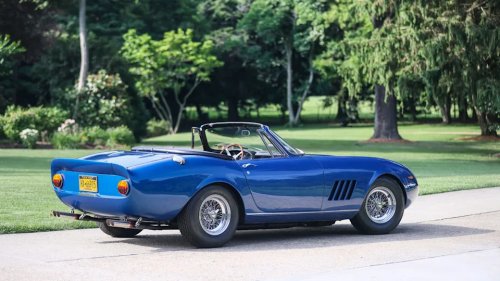
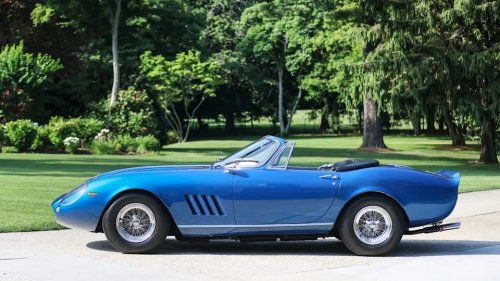
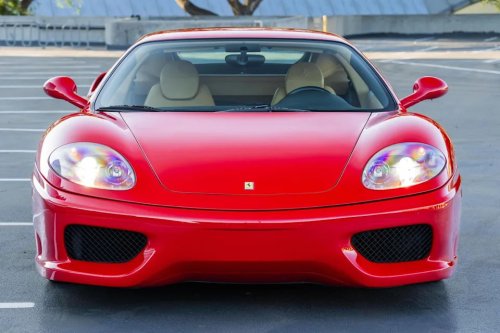
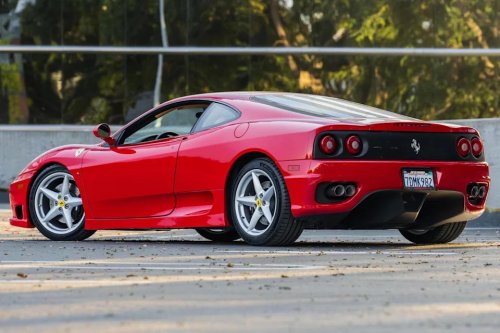
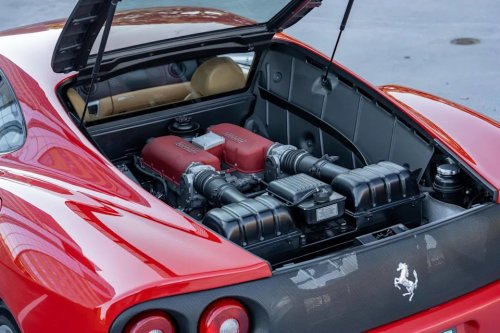
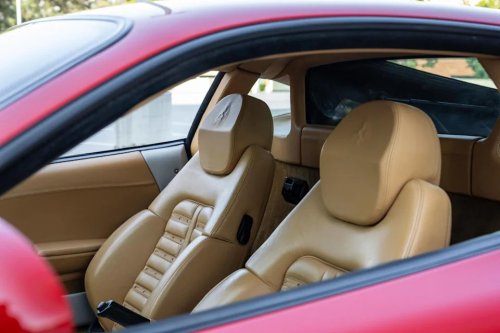
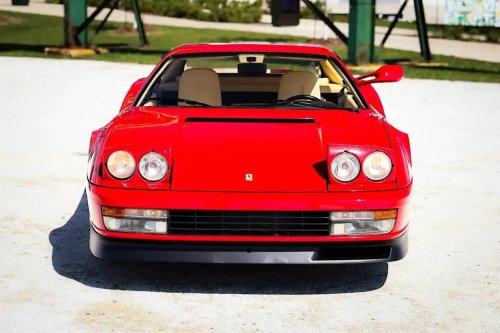
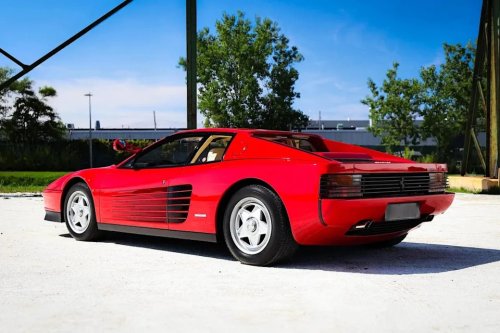
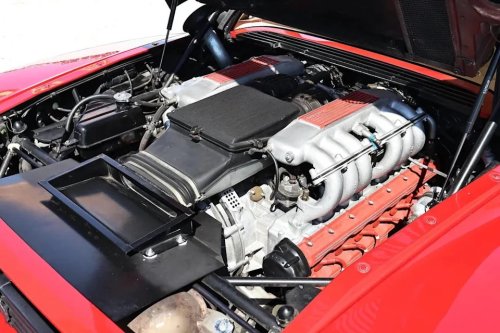
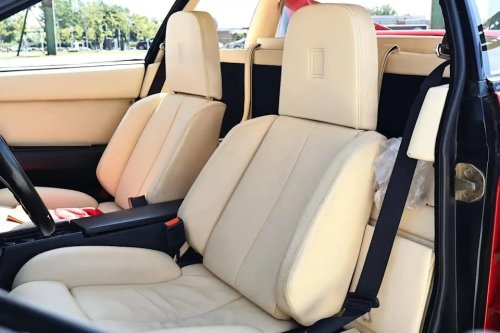
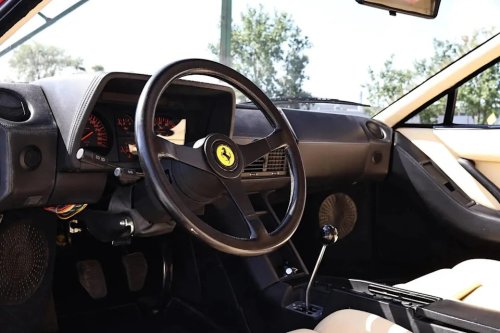
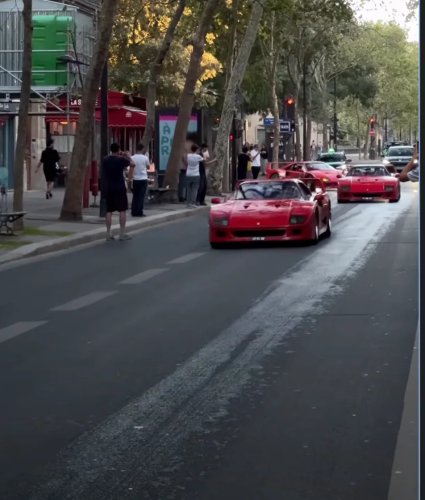
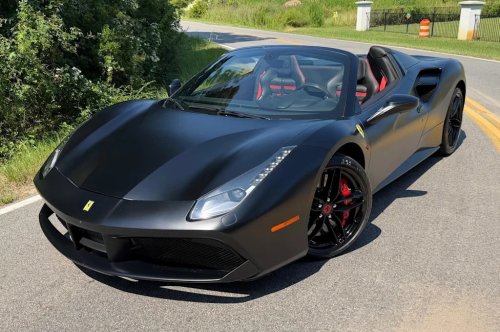
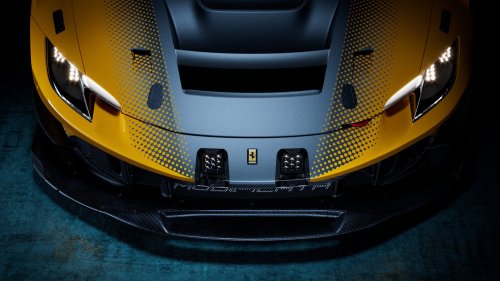
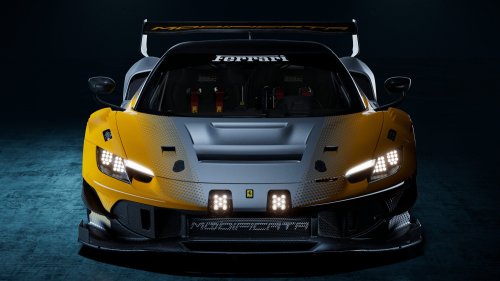
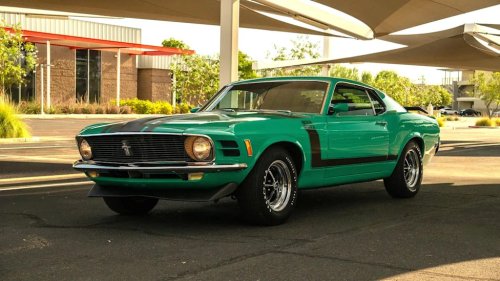
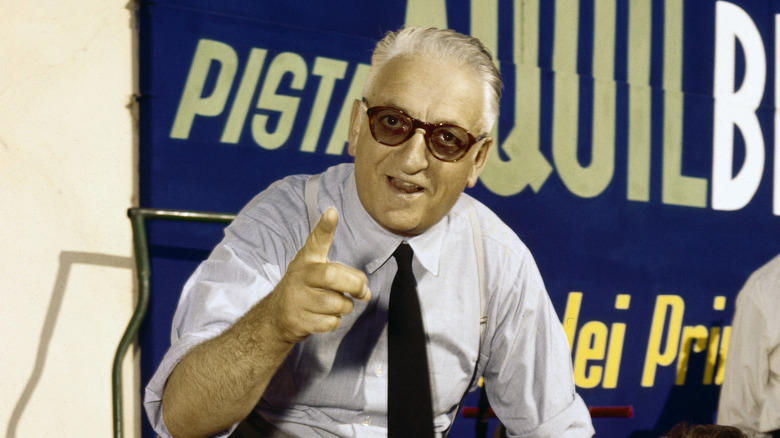
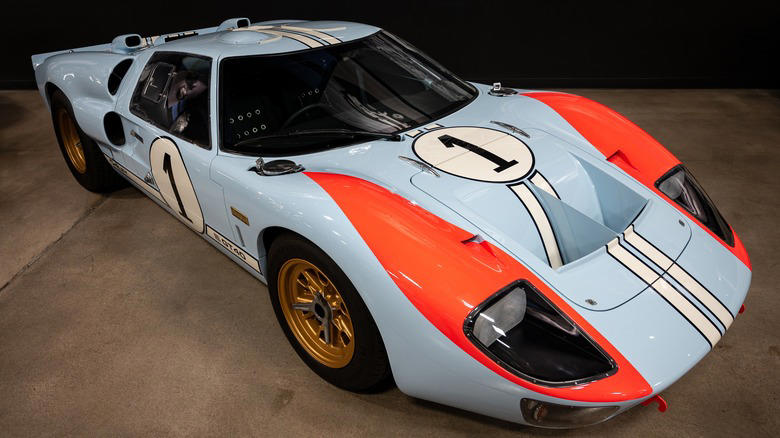
Enzo FerrariUnlike Henry Ford II, who was born into a family that developed cars for the masses, Enzo Ferrari lived on the race track. An Alfa Romeo racing driver from 1920, the irascible Ferrari founded Scuderia Ferrari in 1929 to work in tandem with Alfa Romeo, preparing them for the track. By 1931, he was out of the cockpit and into the office, retiring from driving and taking up management. In 1937, the relationship between Ferrari and Alfa Romeo soured. Alfa bought out Scuderia Ferrari, and in 1939, Ferrari broke off relations.The Italian government forced Ferrari to develop war material during the World War II, but he never lost his passion for racing. His first completely self-designed and built car, the Ferrari 125 S, hit the track in 1947, earning Ferrari a Grand Prix win in May of that year. Ferrari the man and Ferrari the company underwent several challenges in the late 1950s. Coupled with his 24-year-old son dying from muscular dystrophy in 1956, Ferrari was charged with and ultimately acquitted of manslaughter when a crash killed a navigator and nine spectators at the Mille Miglia in 1957.To continue funding his passion for racing, he developed road-going cars. The Ferrari name represented premium performance on the racetrack and the street. Royals, celebrities, and the wealthy have been buying Ferraris for the past several decades as symbols of their elite status.Ferrari killer and the Advanced Vehicles GroupStung by Ferrari's insulting rejection, Henry Ford II resolved to beat Enzo Ferrari at his own game. He ordered the creation of the Advanced Vehicles Group (AVG). Their mission? Build a car to beat Ferrari at Europe's most brutal endurance race: the 24 Hours of Le Mans. He tapped Engineer Roy Lunn, a British expat who had worked with Aston Martin and on the recently developed Mustang concept, to develop the race car. Lunn presented Ford with a mid-engine, two-seater concept with a height of 40 inches. It took Ford five minutes to approve the design that would become the GT40Lunn soon bought a pair of Lola GTs — midship custom race cars with an aluminum frame and Ford V8 powerplant — and managed to amass a $1.7 million budget for the project. Applying his knowledge and the Ford Motor Company's car-building acumen to improving the Lolas, the first GT40, chassis number GT/101, with a steel body and 4.2 L V8, was born. The car could hit 200 miles per hour, but there was a major problem — it wanted to take flight at about 170.A spoiler and some aerodynamic work fastened it to the ground, but there were more issues. Le Mans is an endurance race, and the GT40 could not endure. Mechanical breakdowns put all three Ford entries out of the race within 12 hours. Regrouping, Ford ordered the England-based build team back to the United States and made one of the consultants, a former driver and current race car builder, the overall project lead.1966 Le MansA trio of teams had a total of eight 7-liter GT40s to enter into the 1966 Le Mans 24 Hour event. Shelby American, Holman and Moody, and Alan Mann Racing ostensibly ran the cars, but the entire thing was closely controlled by Ford. On the Ferrari side of things, the Italians brought a pair of 330P/3s couples and an additional open top. Private teams brought several more GT40s in addition to 365P/2, 275LM, Dino 206s, and GTB Ferraris. The race track would be filled with Fords and Ferraris.A quest for revenge that took years and millions of dollars culminated somewhat anticlimactically. The Ferrari factory cars failed to finish that day. With the Ferraris retired and no longer a threat, Ford ordered their drivers to stick to four-minute lap times for the sake of endurance. Ken Miles received an upbraiding during a pit stop for turning in a 3-minute, 38-second lap time, with Shelby threatening to retire him if he didn't follow orders. Ford management wanted a PR-friendly photo finish showing all three Fords taking 1-2-3 in one snap.Miles slowed to allow Bruce McLaren to catch up. The controversial result prevented Miles from being the first driver to finish in first place at Sebring, Daytona, and Le Mans in a single year when race officials indicated McLaren was the winner for covering the same ground with a faster average speed. Regardless of personal records, Ford unquestionably won the day, squashing Ferrari in a dominant victory.












 +60 others