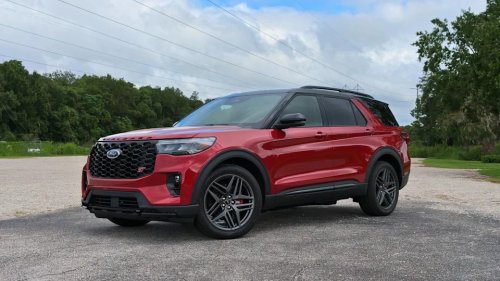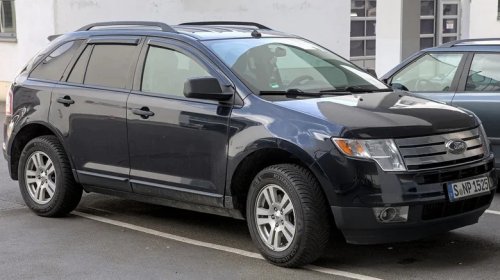



















Ford recalls 605,000 US vehicles for faulty windshield wipersYou now have another safety issue to watch if you drive a late-model Ford sport utility vehicle. The company is recalling 605,000 vehicles in the United States because windshield wipers can fail, cutting visibility just when you rely on them most. The defect has been on regulators’ radar for years and now affects a wide swath of popular Ford and Lincoln models. Owners are being asked to bring their SUVs in so technicians can replace faulty parts before a sudden wiper failure turns a routine drive in the rain into a serious hazard. What the 605,000-vehicle recall actually covers This recall targets nearly 605,000 Ford vehicles in the United States, a figure that federal regulators describe as a major safety campaign. According to information shared by Ford to recall, the campaign focuses on SUVs whose front wiper systems can suddenly stop working. The recall size is described as nearly 605,000 vehicles, and that precise figure, 605,000, is repeated in regulatory summaries, underscoring how large the affected population is. Separate reporting explains that the recall centers on more than 600,000 sport utility vehicles from the 2020 through 2022 model years that share similar wiper hardware. One detailed breakdown notes that over 600,000 SUVs from those years are being brought back because their front wipers can fail without warning, heightening the risk of a crash when you lose visibility in wet or snowy conditions. Another account of the same campaign describes how 605,000 SUVs are being recalled nearly five years after the wiper problem first appeared in complaints and internal reviews, meaning some owners have been living with this defect for a long time before getting a formal fix. How the faulty wipers put you at risk The core problem for owners is straightforward: the front windshield wipers can stop working, sometimes intermittently and sometimes completely, while you are driving. Federal safety officials describe how front wiper functionality may be interrupted because of a defect in the wiper system, which can leave you without any way to clear rain or snow from your view. In heavy conditions, that kind of failure can turn a manageable drive into a situation where you cannot see lane markings, brake lights, or pedestrians. Consumer-focused coverage spells it out even more bluntly, warning that the faulty windshield wipers can reduce visibility and increase the risk of a crash. One report on how Ford recalls more highlights that you might not get much warning before the wipers fail, which makes it harder to avoid being caught in a storm with no functioning blades. Another national summary notes that more than 600,000 Ford vehicles are being recalled because the wipers can fail and that The Ford Motor Company has tied the decision to safety concerns, including crashes that could be linked to drivers suddenly losing visibility. Why you are hearing about this nearly five years later If you feel frustrated that such a basic safety feature is only now being addressed, you are not alone. A detailed account of the campaign explains that Ford Recalls 605,000 SUVs Nearly Five Years After Wiper Problem First Appeared, which means some of the earliest complaints and internal investigations date back several years. That report describes how owners who first raised concerns have been waiting nearly five years for a full recall, even as the defect continued to appear in warranty claims and service visits. The same reporting notes that Ford has already led automakers in recall counts for 2026, with 14 campaigns so far this year, and that Over 600,000 SUVs from the 2020 through 2022 model years are included in this latest action. An affiliated source that you reach through a citation trail repeats the figure of 605,000 and again uses the phrase Ford Recalls 605,000 SUVs Nearly Five Years After Wiper Problem First Appeared, reinforcing how long the issue has been in the system. When you see that wording echoed across Ford Recalls 605,000 and related links that were Discovered through Yahoo, it becomes clear that the timeline is a central part of the story. How to check your SUV and schedule the repair You can confirm whether your vehicle is part of the recall in a few minutes. The National Highway Transportation Administration maintains a searchable database where you enter your Vehicle Identification Number and see all open campaigns. To use it, go to the agency’s recall portal, type in your 17-character code, and review any results that match your Ford. For this wiper issue, you will see a description that front wiper functionality may be interrupted and that Ford is recalling nearly 605,000 vehicles in the United States for a windshield wiper issue. The same federal site that lists general recall information at NHTSA recalls also links you to specific campaigns that mention Ford and the wiper defect. Once you confirm that your SUV is affected, the next step is to contact a dealer and schedule a no-cost repair. The fix involves replacing the defective components in the wiper system so that you restore reliable operation in rain and snow. Earlier wiper campaigns for Ford trucks have used a similar approach, with Owners encouraged to check their VIN, then call a dealer or the National Highway Transportation Administration hotline and reference the appropriate campaign number. You can expect a comparable process here, with Ford and its retail network using your VIN to order the correct parts and then performing the work while you wait. What this recall says about Ford, Lincoln and your broader safety picture Owners of Lincoln-branded SUVs that share mechanical roots with a Ford are also part of this story. The recall covers models that sit in the same family as Lincoln Aviator and Lincoln Corsair, which are marketed through the Lincoln vehicle site but share key systems with Ford Explorer and Ford Escape. Reporting on Over 600,000 SUVs from the 2020 through 2022 model years makes clear that these Lincoln models are included because they use the same wiper components that can fail. A luxury badge does not shield you from the underlying engineering issue. The scale of this campaign also fits into a larger pattern of Ford safety actions. One business-focused summary notes that Ford is recalling more than 615,000 vehicles in the United States over wiper and driveshaft defects, tying the wiper problem to a separate issue where some vehicles can lose drive power. Another report explains that Ford has identified 1,374 warranty claims related to the wiper defect, although that number represents about 1 percent of the recalled population. At the same time, consumer coverage that tells you Ford recalls more than 600K vehicles over faulty windshield wipers and a national brief stating that More than 600,000 Ford vehicles are being recalled because of faulty wipers both reinforce that The Ford Motor Company is under pressure from regulators such as NHTSA and from owners to move faster when safety systems fail. The broader takeaway is that you cannot assume a problem will resolve itself or that someone else will handle it for you. When you see language like Mar and NHTSA in recall notices, or when a community thread titled Ford to recall nearly 605,000 vehicles in US over windshield wiper issue, NHTSA says circulates on forums where Best, Top and New comments debate how serious the defect is, you still need to act on your own behalf. That means checking your VIN, watching for mail from Ford, and following through on dealer appointments. The recall of 605,000 SUVs nearly five years after the wiper problem first appeared shows that persistence from owners, regulators and safety advocates can eventually produce a fix, but your safety on a rainy night depends on whether you bring your vehicle in and get the repair done. More from Fast Lane Only Unboxing the WWII Jeep in a Crate 15 rare Chevys collectors are quietly buying 10 underrated V8s still worth hunting down Police notice this before you even roll window down