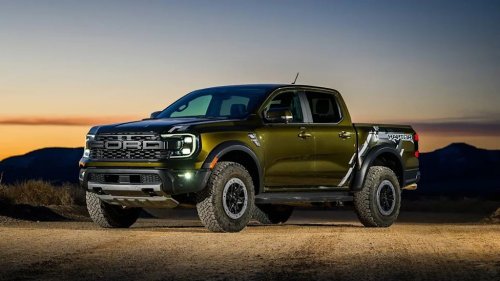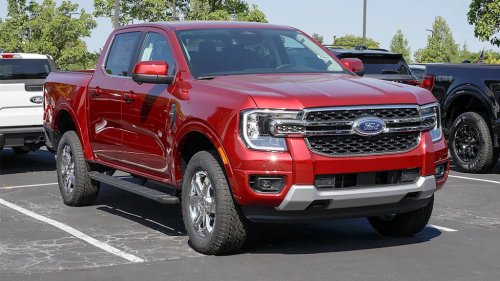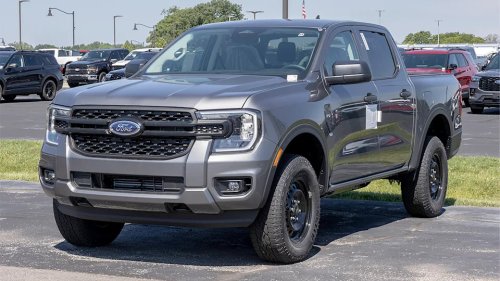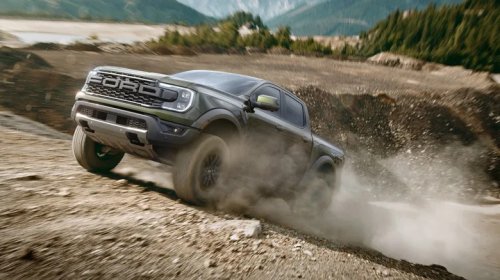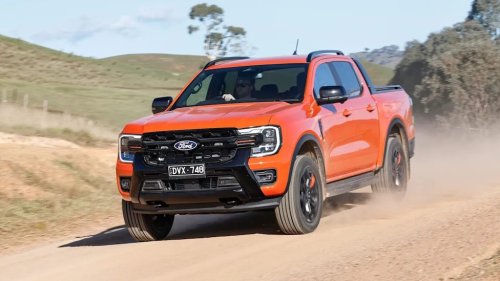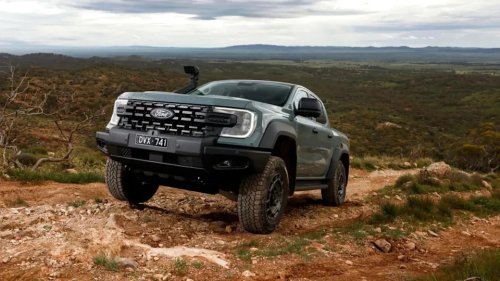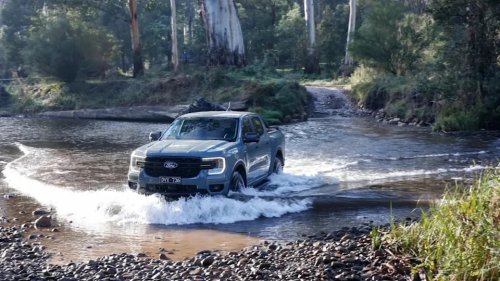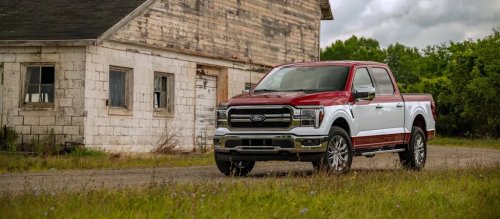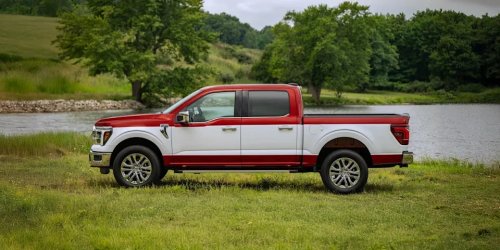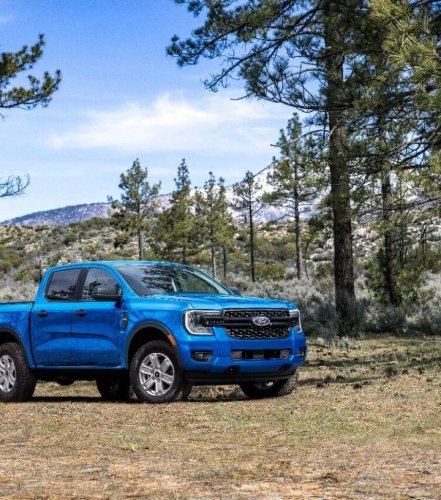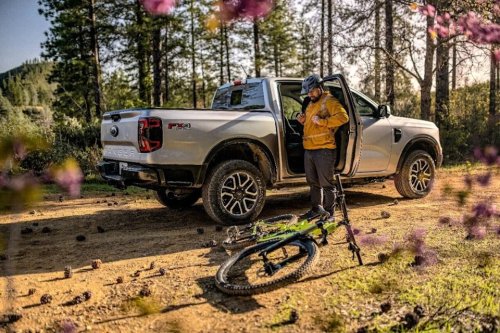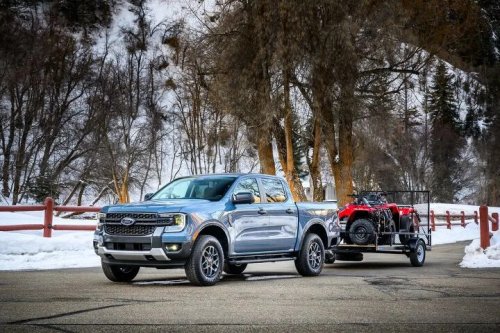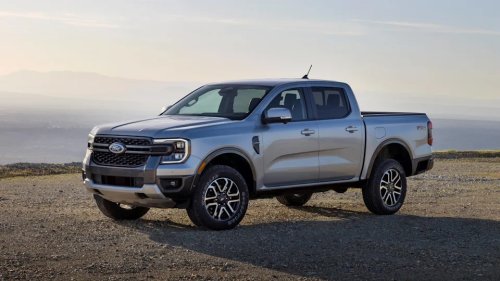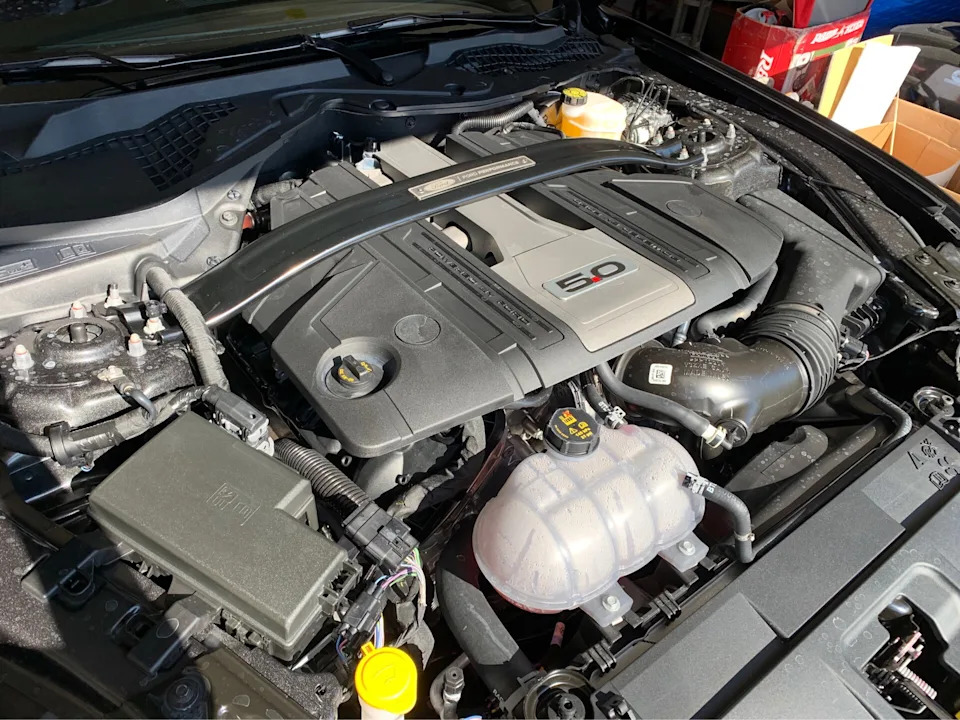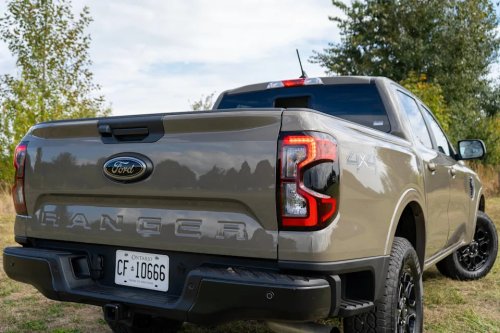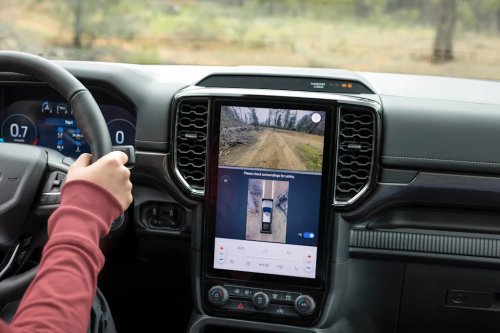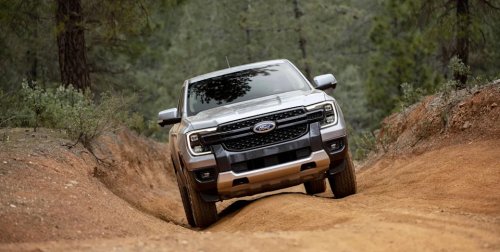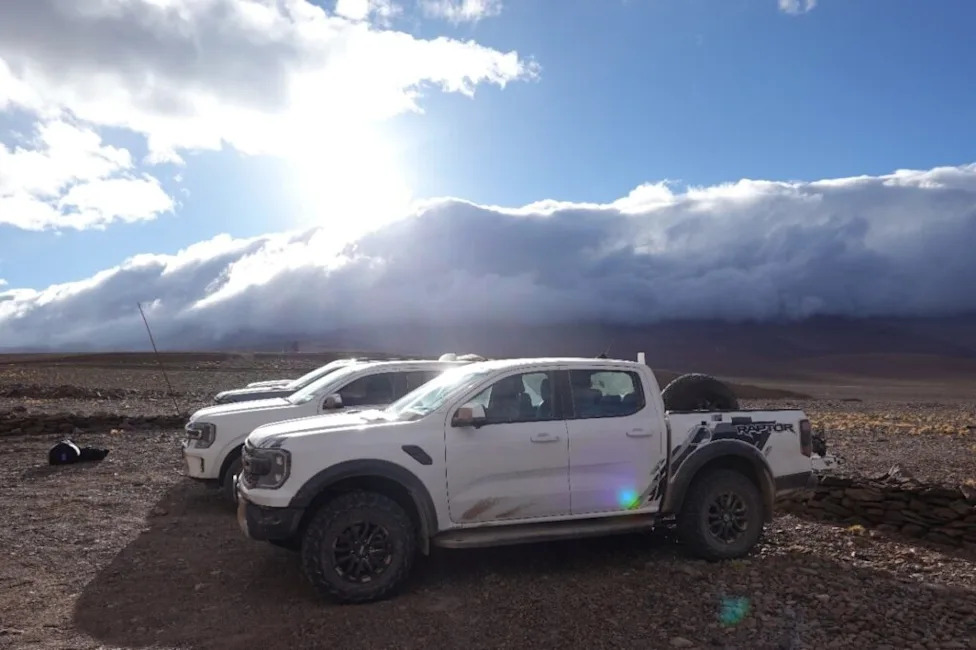
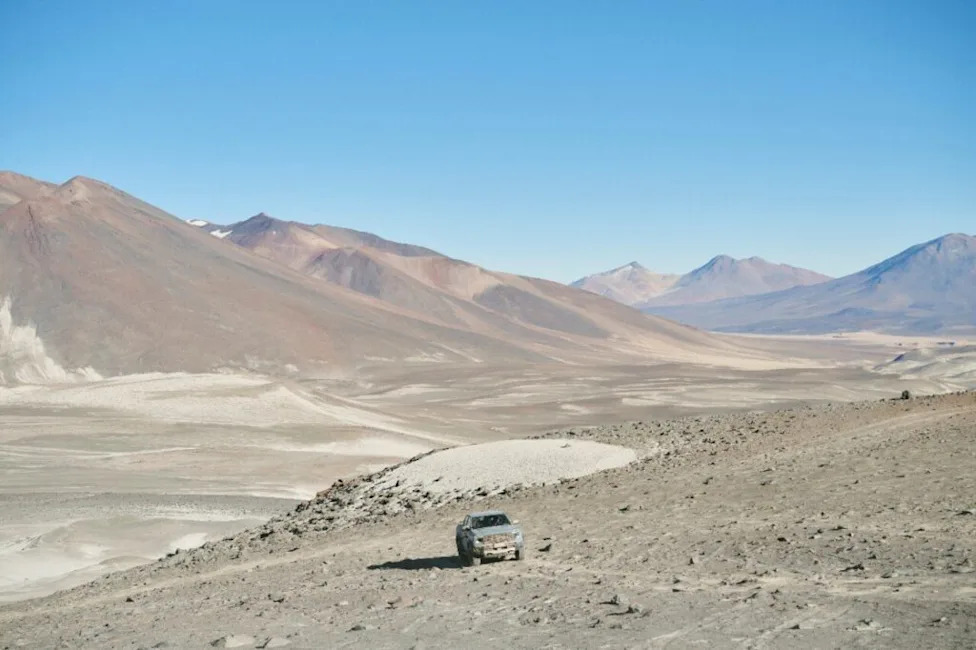














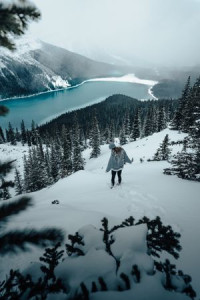


A Himalayan road trip could seem like a normal hill climb before Ford's ultimate feat- to take two Ranger Raptors, an Expedition Tremor, an Expedition SUV, and an Everest SUV up the world's highest active volcano in Chile. The mission was to attempt a Guinness World Record in stock vehicles: run a marathon from Ojos del Salado's summit (at over 22,000 feet) back down to sea level.Ford reported that the vehicles would have to tackle rugged terrain with low oxygen levels before descending to sea level, where oxygen is abundant. The American manufacturer planned to study all the data, although it had a fair idea, thanks to data collected from similar vehicles in the Tibet region in China, which goes up to approximately 19,000 feet.Thus, the Ford team was confident that its trucks and SUVs could handle the conditions. Before the adventure started, the team installed a data recorder into one of the vehicles and had the local team in Chile pre-run the route to collect data, ensuring the vehicles could perform as expected, because if the vehicles failed, teams could be stranded and exposed to harsh elements.Image Credit: FordAdvertisementAdvertisementDespite all the testing and data collection, it was impossible to predict environmental conditions, such as wind speed, the rate at which the weather shifts at such high altitudes, and how cold the overnight temperatures would be. The data offered the team a strong benchmark, but beyond a certain point, all the team could do was trust the engineering that went into building these vehicles.How Did the Ford Vehicles Perform?The Expeditions, Ranger Raptors, and Everest were cold-started multiple times throughout the adventure that spanned several overnight stays at the base camp (sitting at 14,200 feet), without even a single issue. When the vehicles were pushed to higher altitudes between 18,400 and 19,400 feet, where oxygen is much lower, they all started flawlessly; not a single engine needed coaxing to start.Ford was particularly interested in seeing how the Ranger Raptor's 3.0-liter EcoBoost engine performed, since it was to undergo a major altitude change. The truck pushed up to 5,900 meters or nearly 19,400 feet over three days, climbing gradients as steep as 30% across rough, sandy terrain. The larger Expedition Tremor, which comes with a 3.5-liter EcoBoost engine, was also able to climb to 5,765 meters or nearly 19,000 feet without issues.The EcoBoost turbocharged engine effectively compensated for the decreasing oxygen levels. A naturally aspirated engine loses around 3% of its power for every 1,000 feet climbed. The EcoBoost manages this better because its turbo compresses the thinner air and forces it into the engine, improving combustion and making power where it otherwise couldn't. But Ford said there's a paradox:AdvertisementAdvertisement"A turbo motor will happily keep making boost, potentially pushing itself beyond what the hardware can safely handle. So, our job is to create a control system that allows the engine to use its incredible power without damaging itself."The team accomplished its mission, and now, they have two Guinness World Records to show for it. If you own one of the pickup trucks or SUVs Ford tested in Chile and decide to drive up a 20,000-foot volcano one day, chances are the vehicle won't let you down.Image Credit: Ford