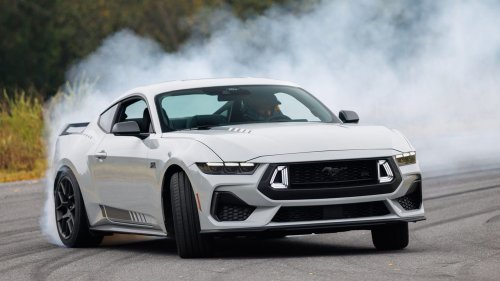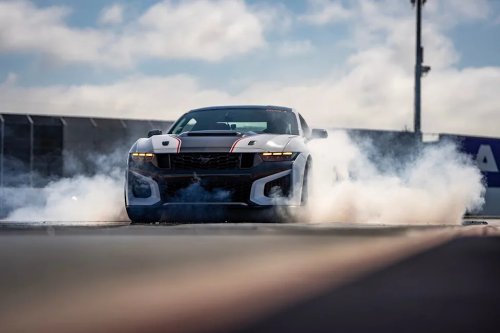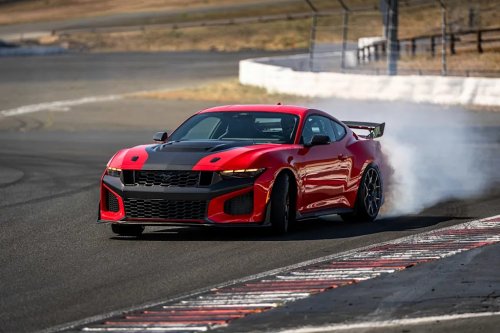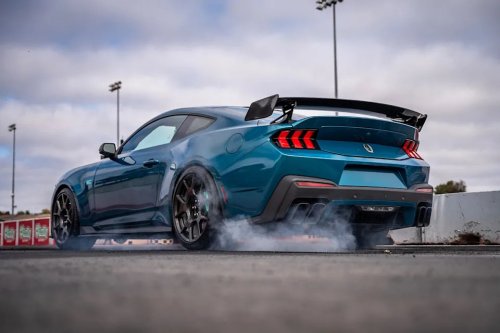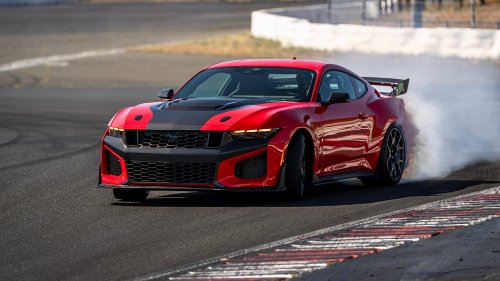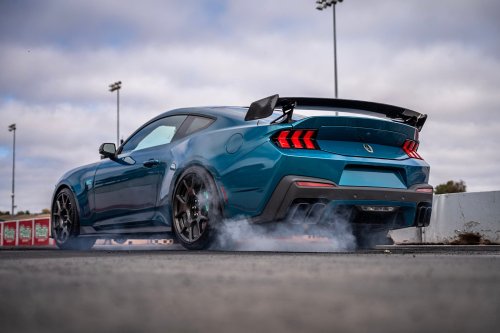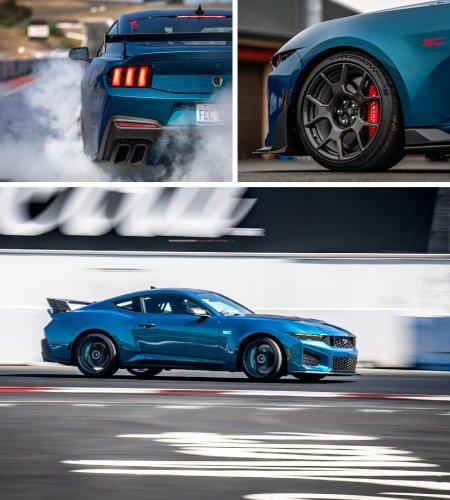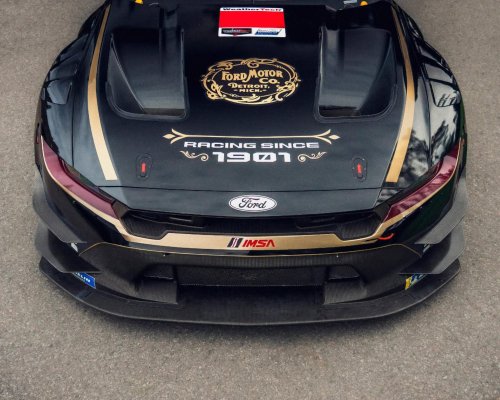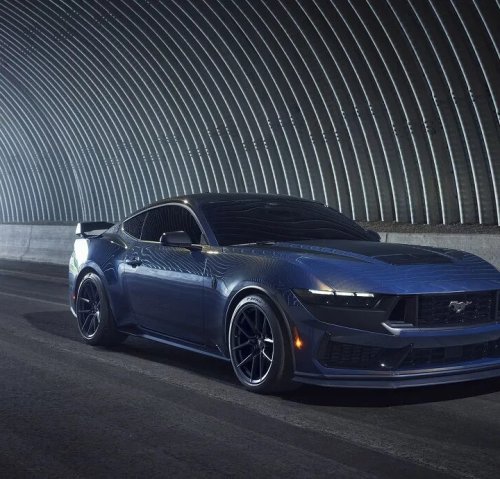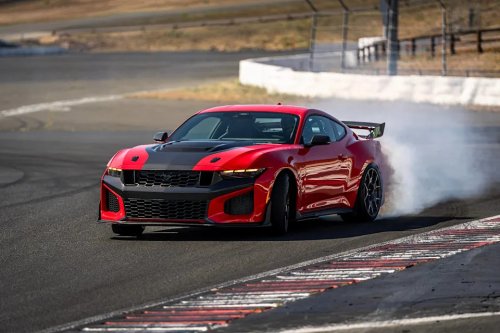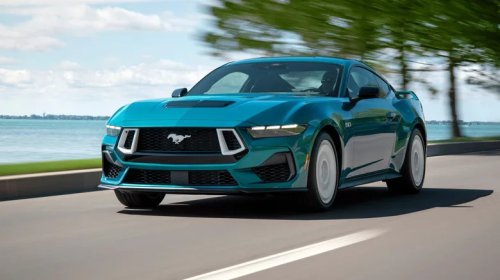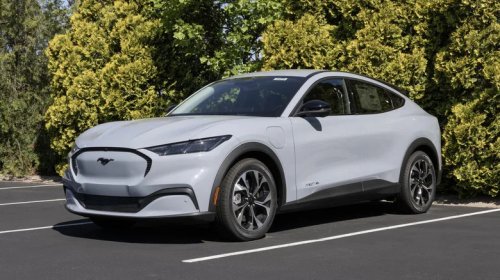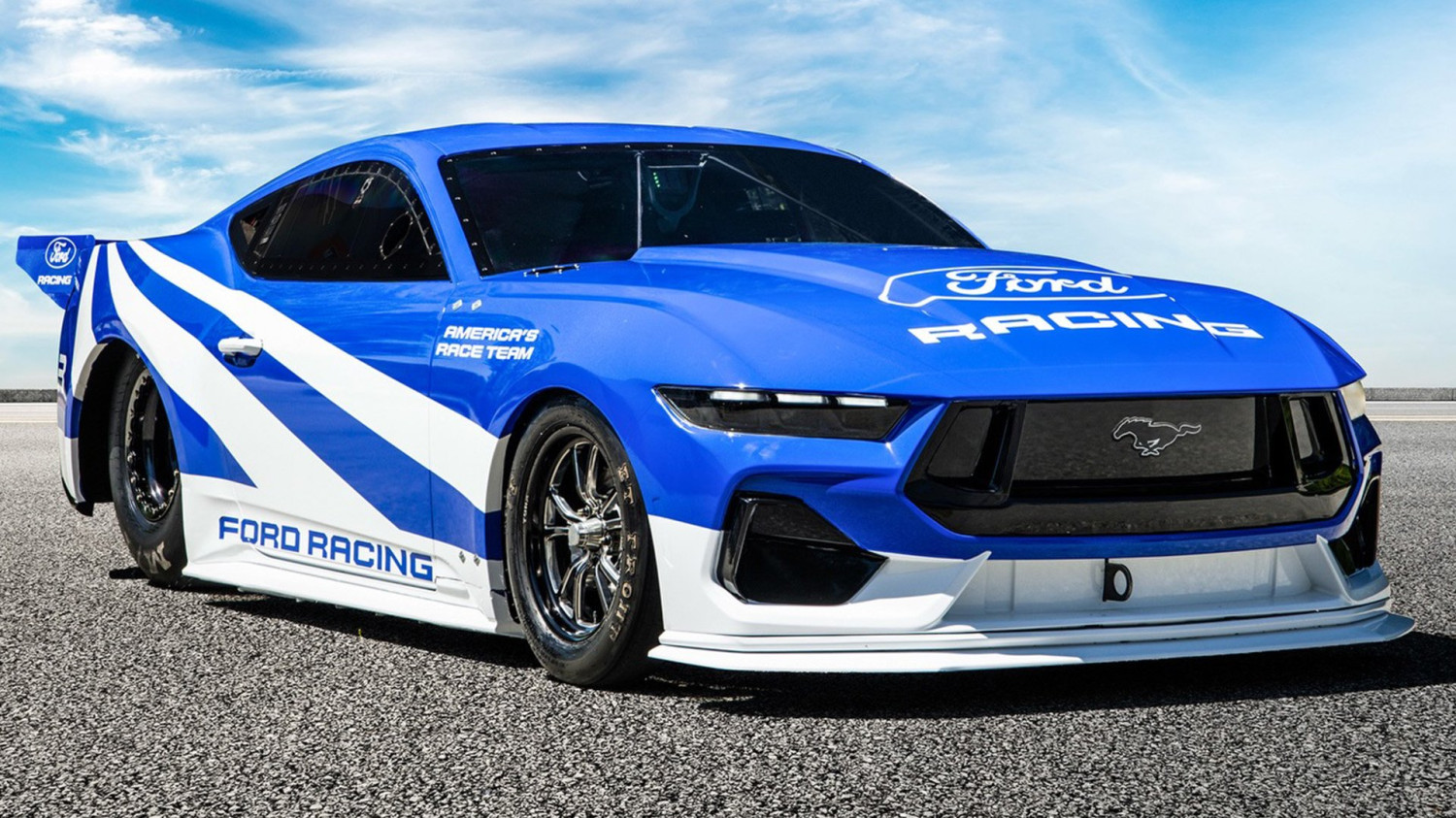
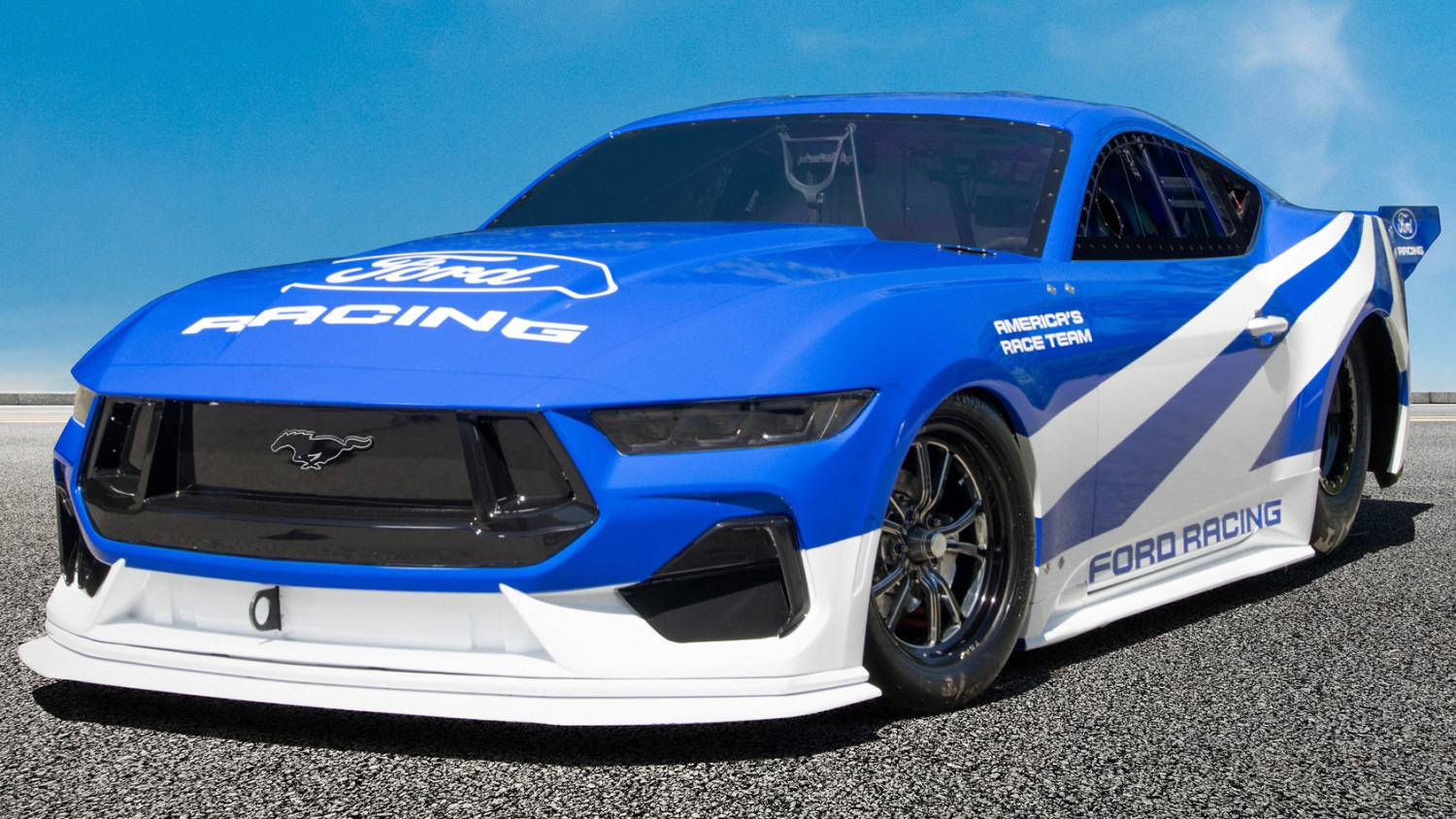

















Ford Acceleration wins drag races. Of course, speed matters too, but it’s all about who can reach the finish line the quickest—not the fastest. Electric vehicles objectively make sense, then. So why does it feel anticlimactic for the new Ford Mustang Cobra Jet 2200 to debut as an EV? Maybe it’s because we’ve seen it before–more than once. The first electric Mustang Cobra Jet launched in 2021 with 1,400 horsepower, which was enough to break an NHRA quarter-mile record at 8.128 seconds and 171.97 miles per hour. After that came the Mustang Cobra Jet 1800 in 2023, built specifically to set new benchmarks. And here we have the latest iteration with 2,200 hp. Details about this new car are scarce for now, as Ford simply announced it will be at the NHRA 4-Wide Nationals this weekend in Charlotte. My guess is it’ll make a pass or five while it’s there in hopes of showing what EVs can do in front of a skeptical crowd. To be clear, I don’t think many people doubt the performance of EVs in 2026. It’s just that the contrast between blown V8 engines and this is… stark. And while the general public might have found that cool once upon a time, it’s no longer as intriguing and futuristic when your neighbor owns a Tesla or Hyundai that sounds the same. Ford Ford has rolled out a handful of EV demonstrators that are genuinely cool. The SuperVan 4.2 that raced Pikes Peak? Awesome. The 2,250-hp Mach-E with active aero and carbon brakes? Sick. But we’ve seen enough iterations of the electric Mustang Cobra Jet to know what’s coming. Unless Ford has something crazier up its sleeve than more power, I’m not sure it’ll be enough to blow anyone away. The Drive actually spoke with Ford Racing Global Director Mark Rushbrook about this last year, once it became clear that EV popularity was waning. He had this to say: “For sure as a company, we are committed to providing the powertrains of choice for our customers and the vehicles that they’re wanting. We will have ICE vehicles, hybrid vehicles, and full-electric vehicles, but the proportion of those over the years is going to change. I don’t think we’re getting to full EVs as quickly as we thought, but we’re still getting there.” Got a tip or question for the author? Contact them directly: caleb@thedrive.com