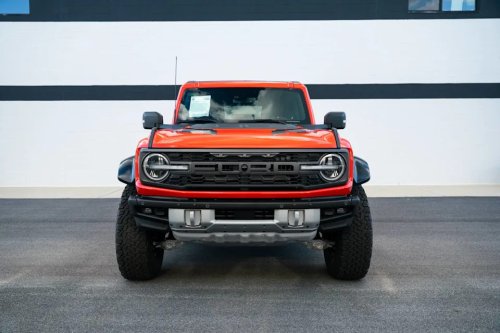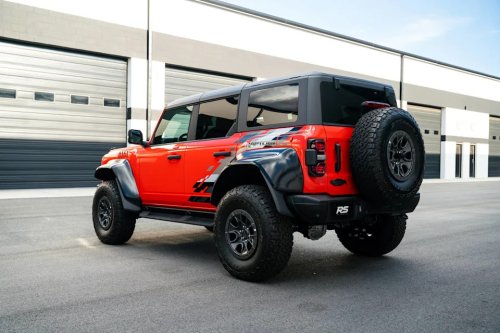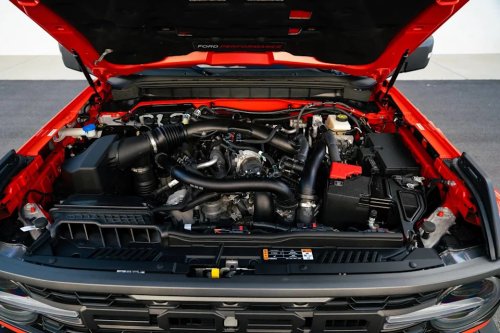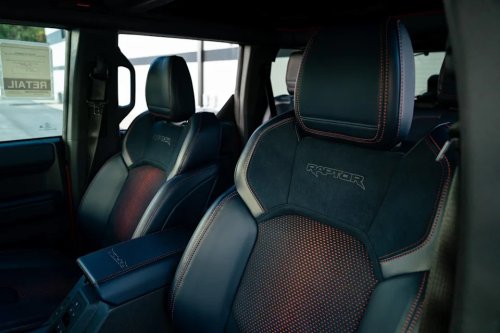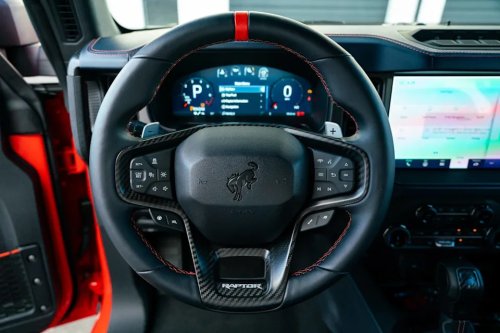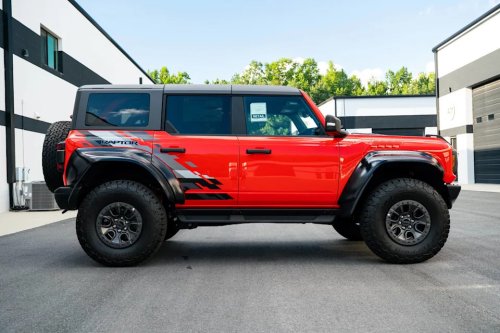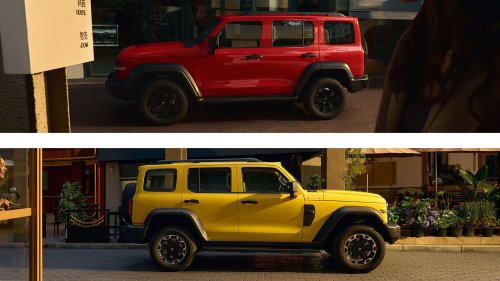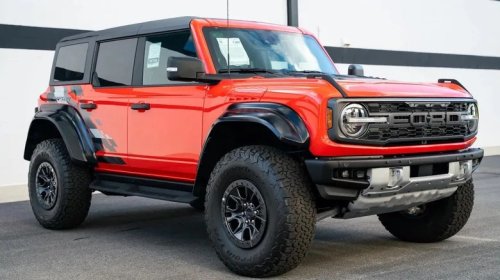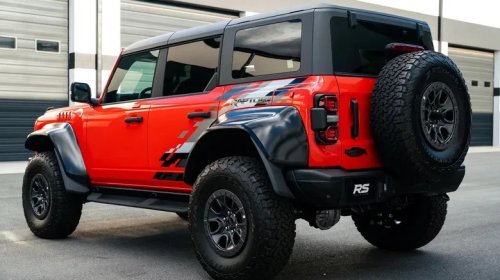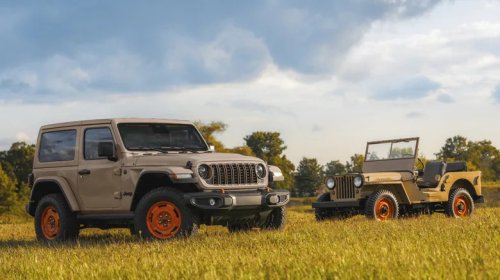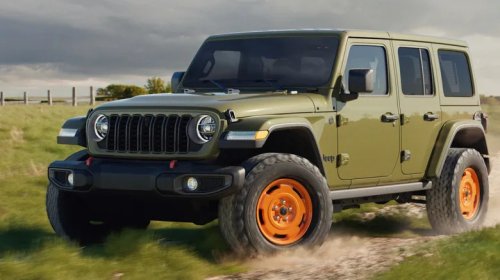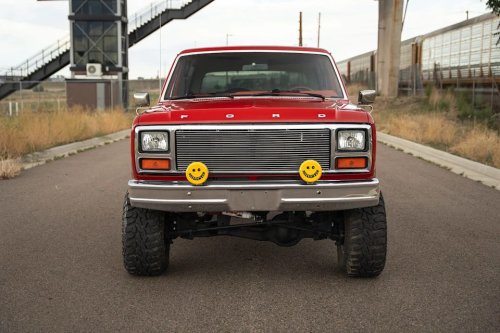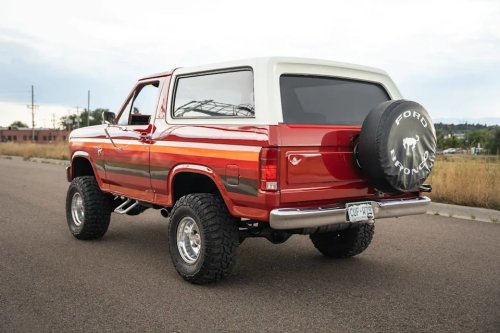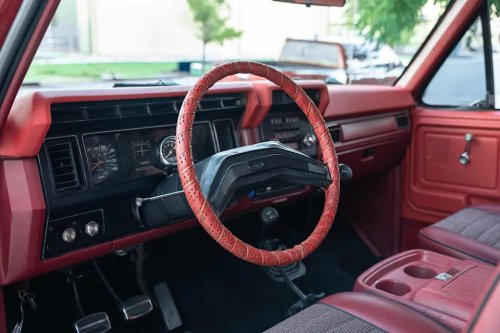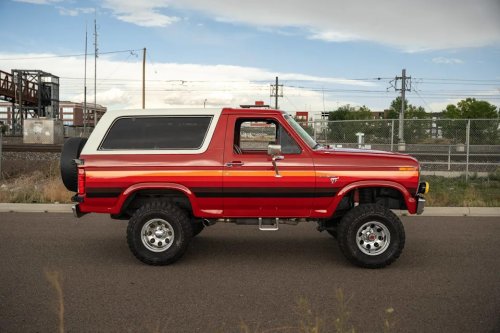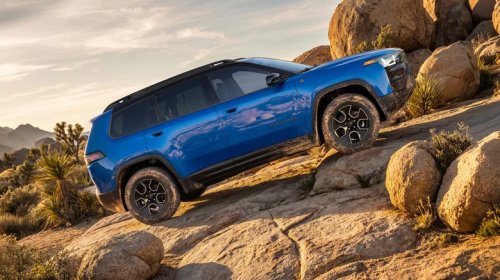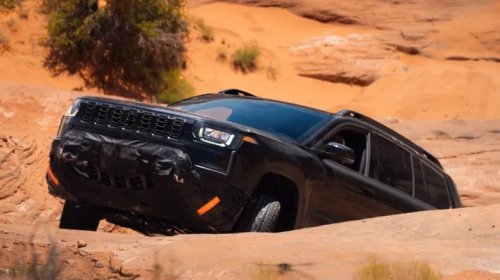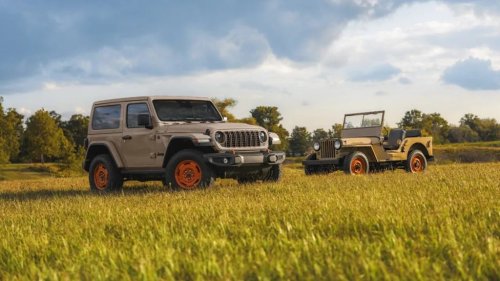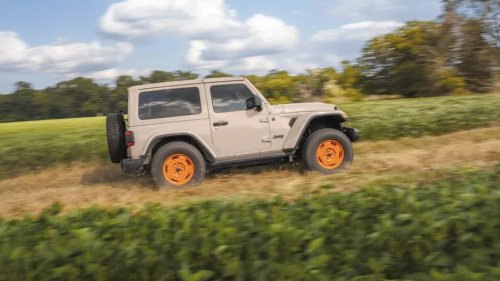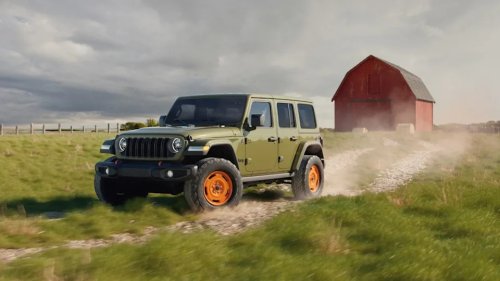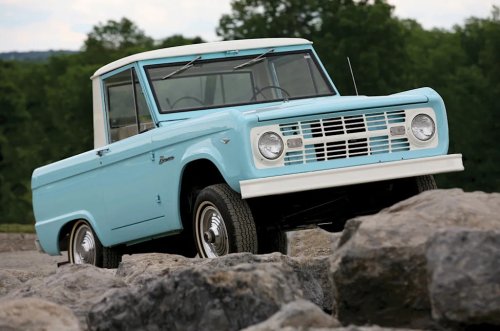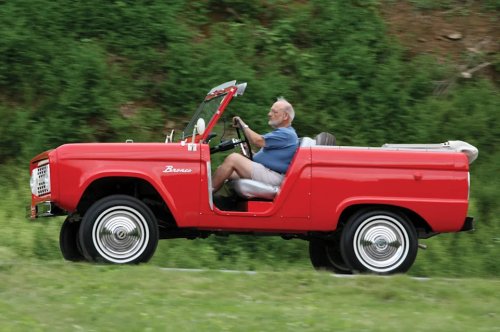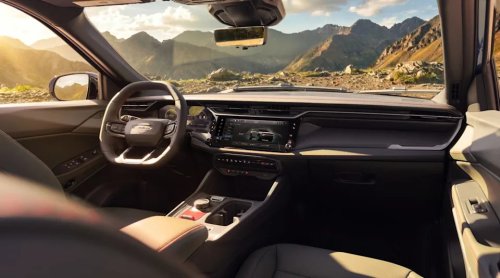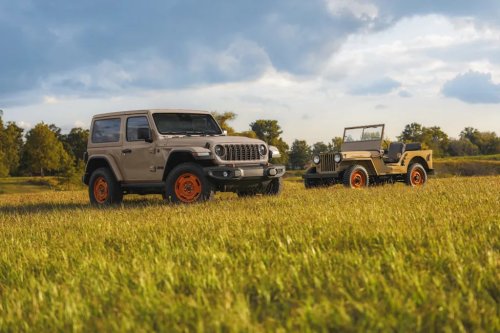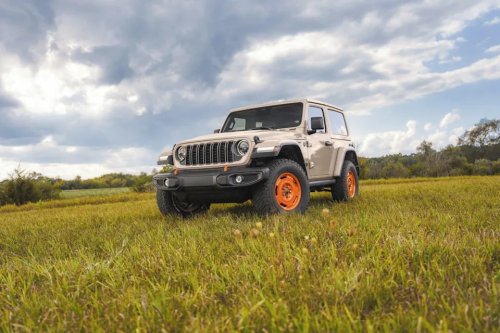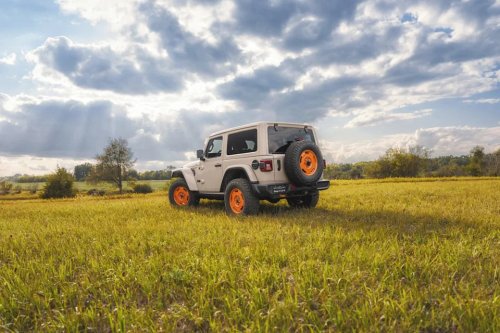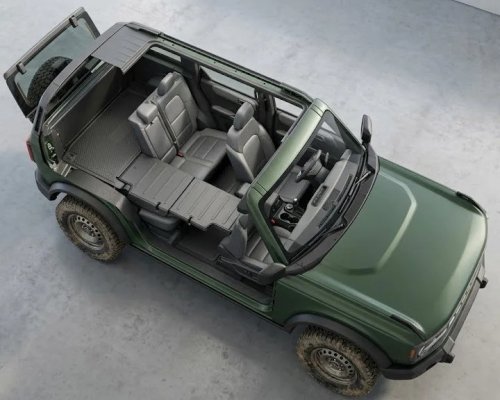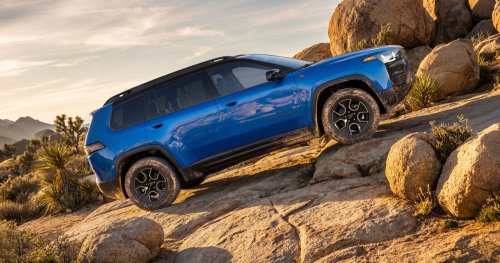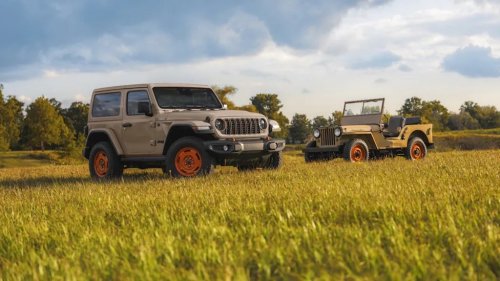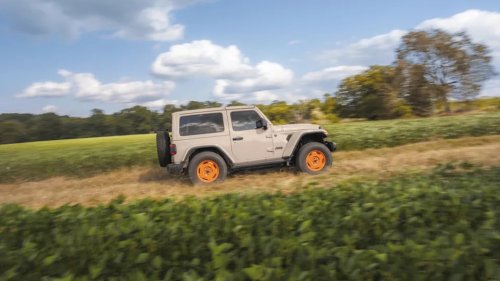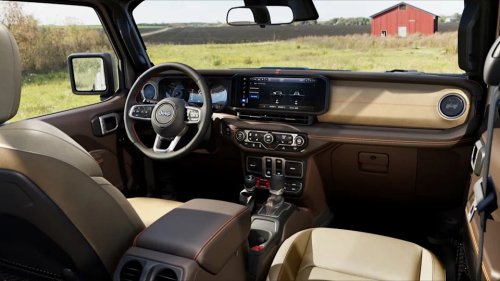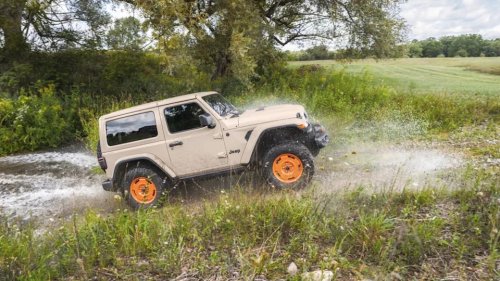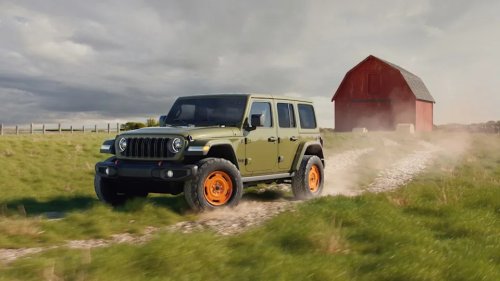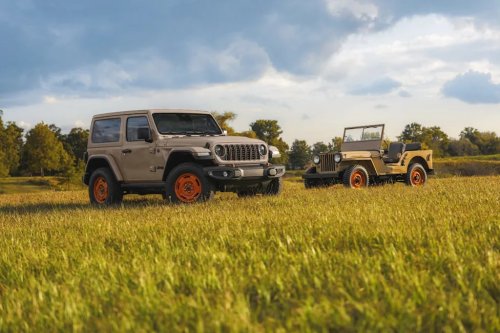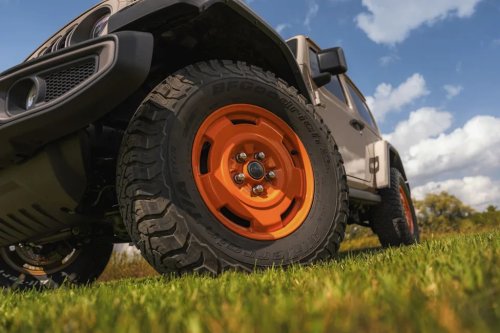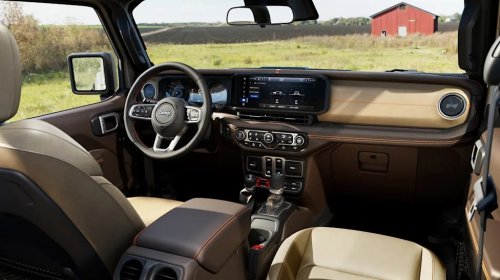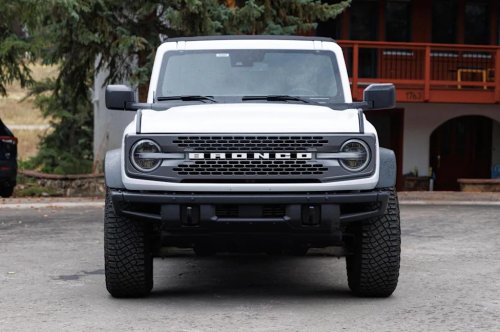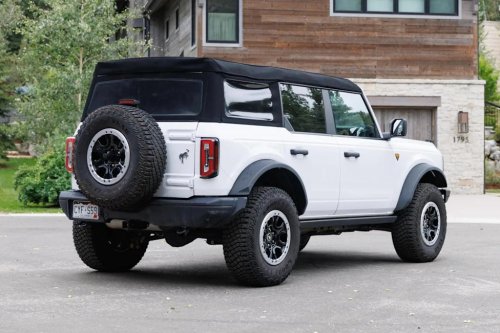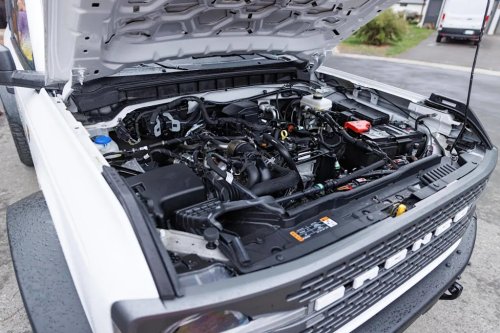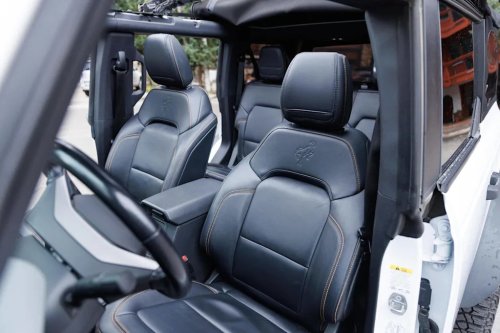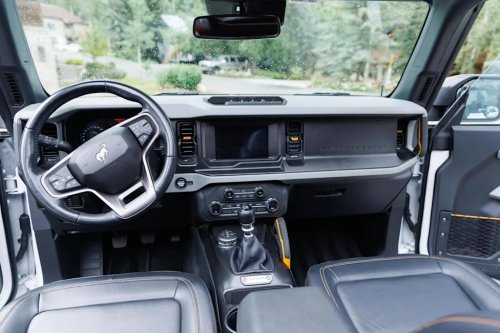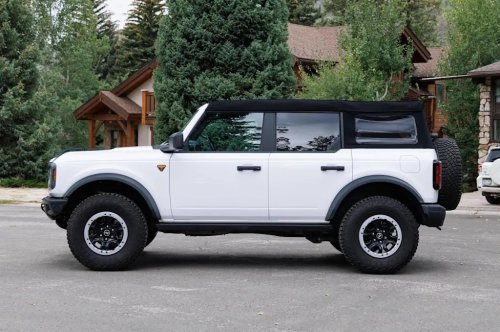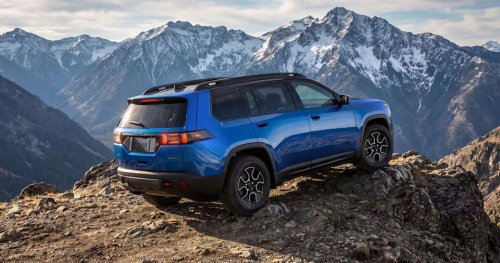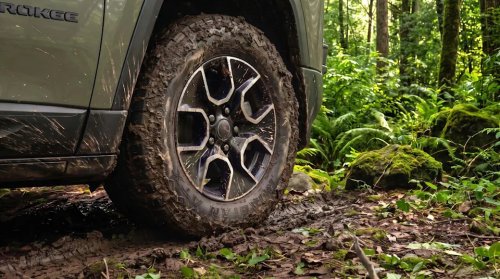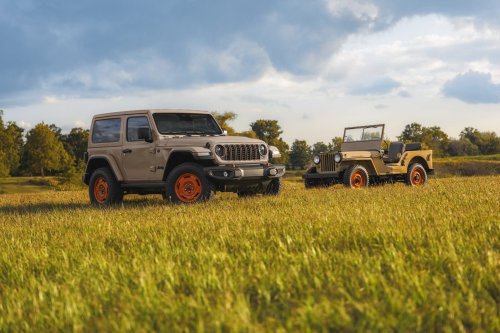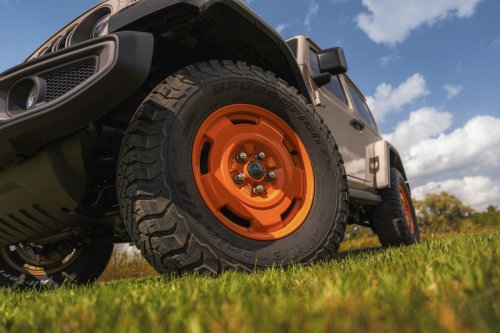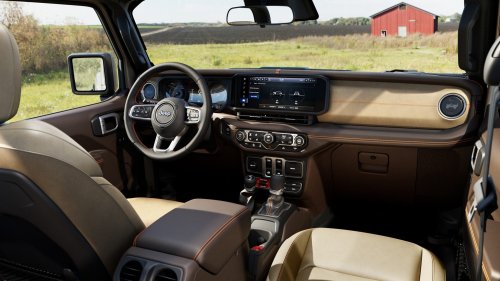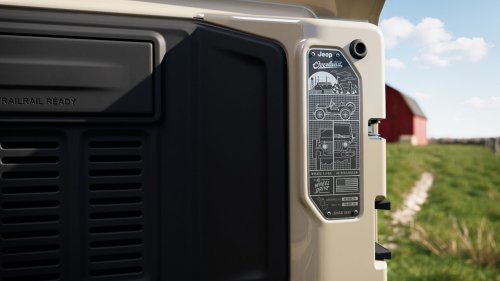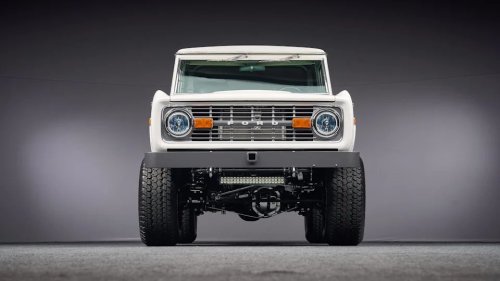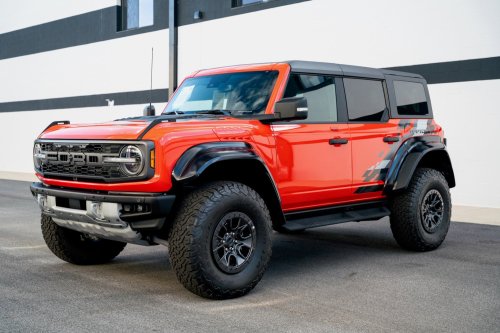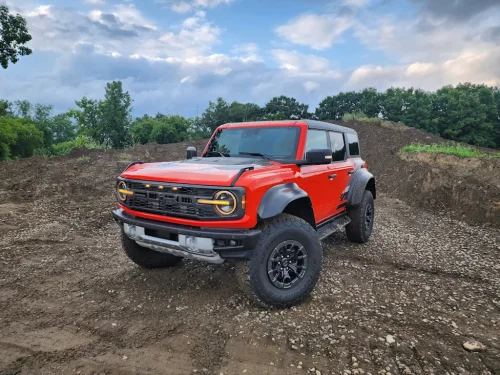
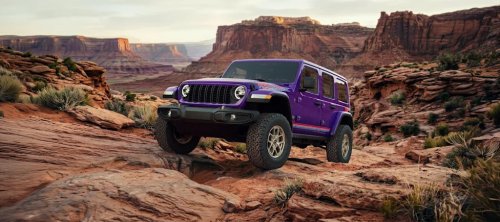
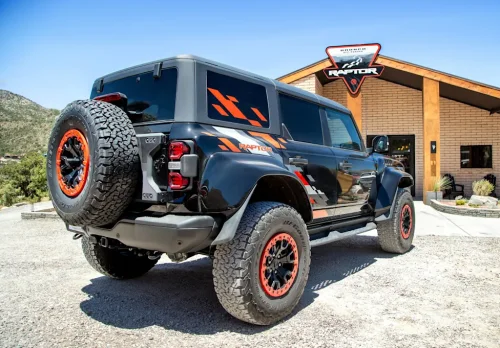
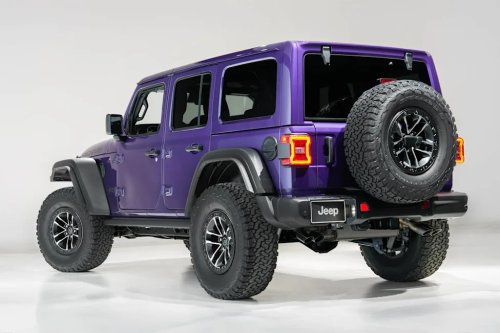



















Autoblog and Yahoo may earn commission from links in this article.Both of these were built to leave pavement behind, and both back up the look with real engineering. The Bronco returned from a long absence with clever trail technology and the popular Sasquatch package, while the Wrangler remains the benchmark that every rugged SUV is measured against. Judging capability means looking past styling to axle design, locking differentials, clearance, angles, and articulation, the hardware that actually determines whether you clear an obstacle or get stuck on it.Ford Bronco RaptorKyle EdwardSuspension and axlesThe single biggest difference is under the vehicles. In Rubicon form, the Wrangler uses dual solid axles, front and rear, a design that maximizes wheel articulation and durability on extreme terrain. Solid axles let the wheels move through a huge range of travel to keep tires planted on uneven ground, which is exactly what technical rock crawling demands.2026 Jeep Wrangler Rewind Special EditionStellantisThe Bronco takes a different path with an independent front suspension paired to a solid rear axle. That setup flexes impressively, and testing shows it is highly capable, but it cannot match the ultimate articulation of the Wrangler's solid front axle. The trade-off is that the Bronco rides and steers noticeably better on the road, so the choice reflects a genuine engineering philosophy rather than a single design being better.Ground clearance, angles, and fordingThe numbers are close where it counts. A Wrangler Rubicon clears roughly 12.9 inches of ground, and with the Xtreme Recon package and 35-inch tires it reaches a class-leading approach angle around 47 degrees. A Bronco with the Sasquatch package clears about 11.6 inches on its own 35-inch tires, with the range-topping Bronco Raptor pushing past 13 inches for those who need the most extreme setup.2026 Ford Bronco RaptorFordWater fording tips slightly toward Ford. A Sasquatch-equipped Bronco is rated to wade about 33.5 inches, edging a standard Wrangler's roughly 30 inches, though a Rubicon with the right package closes that gap to around 34 inches. In practical terms, both will cross deeper water than most owners will ever attempt, with the Bronco holding a small advantage in base trims.Lockers, sway-bar disconnect, and crawl ratioThe Wrangler's trump card is how much serious hardware it makes standard on the Rubicon. It includes electronically locking differentials front and rear, a remote front sway-bar disconnect that frees up enormous travel, and a best-in-class crawl ratio of around 100 to 1 when properly equipped, which lets it inch over obstacles under precise control. That combination is what makes it the default choice for technical trails.2026 Jeep Wrangler Moab 392AdvertisementAdvertisementThe Bronco fights back with strong available lockers front and rear on the right trims, its own front sway-bar disconnect, and genuinely useful trail technology like Trail Control, a forward-facing camera, and Trail Turn Assist that tightens its turning circle on switchbacks. The tech makes the Bronco easier for a less experienced driver to pilot confidently, even if the raw crawling hardware still favors the Jeep.Aftermarket and open-air appealBoth share the party trick of removable doors and roofs for open-air trail runs, a feature almost nothing else in the class offers. Where the Wrangler pulls ahead is the ecosystem around it: decades on the market have produced the largest aftermarket of any vehicle here, so lifting, re-gearing, and armoring a Wrangler is easier and cheaper than modifying almost anything else. For owners who view the factory build as a starting point, that support is a real capability multiplier.So which one is more capable off-road?The Jeep Wrangler is more capable off-road. Its dual solid axles, standard Rubicon lockers, disconnecting front sway bar, deep crawl ratio, and unrivaled aftermarket make it the stronger pure rock-crawler, and at the extremes of technical terrain those advantages are decisive. On the other hand the Bronco is closer than its rivals have ever been, and for many buyers it is the smarter overall pick. Its independent front suspension delivers meaningfully better on-road comfort, its trail tech lowers the skill barrier, and it holds a small water-fording edge, all while remaining seriously capable.This story was originally published by Autoblog on Jul 11, 2026, where it first appeared in the Car Buying section. Add Autoblog as a Preferred Source by clicking here.