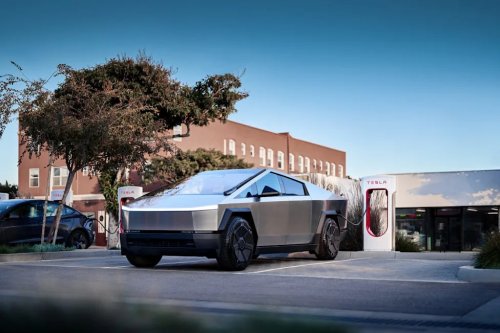
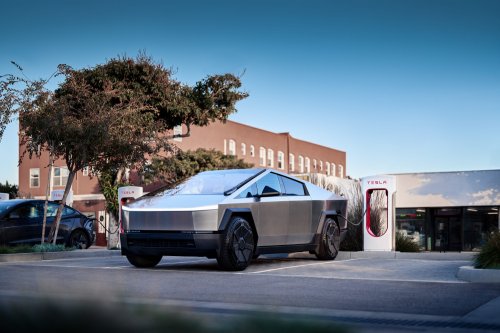
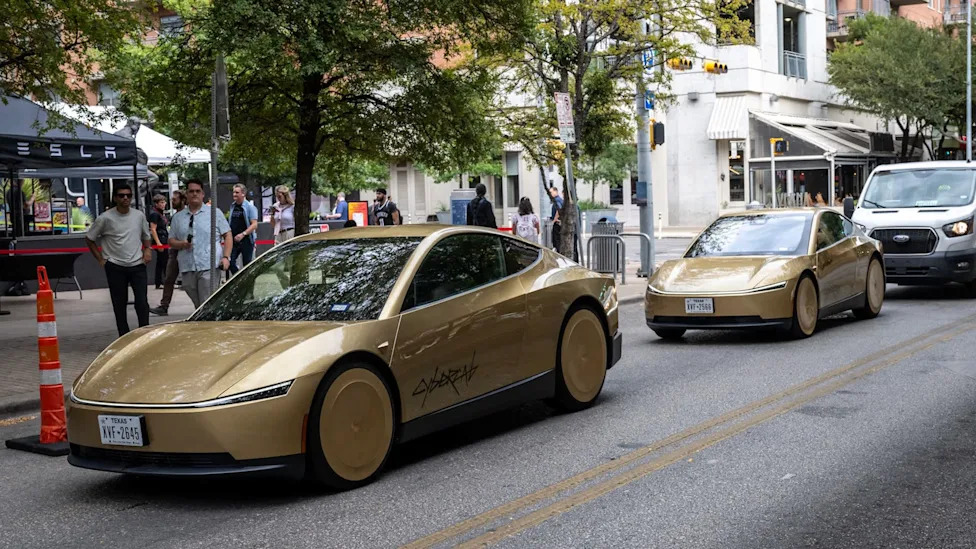
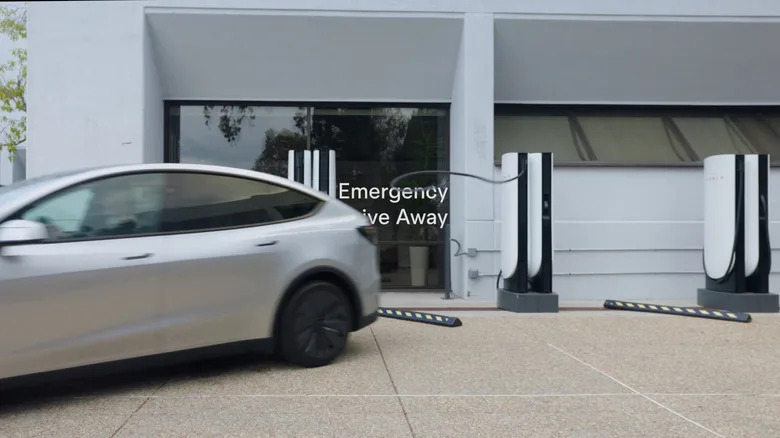
First responders advised to 'quickly push' stalled Tesla Cybercabs aside in emergenciesThe Cool DownDaniel JohnTue, September 15, 2026 at 9:12 AM UTCAdd us on GooglePhoto Credit: Getty ImagesAs a growing number of Tesla Cybercab vehicles appear on roadways across the U.S., first responders need to learn new rules for dealing with these highly specialized vehicles, according to Gizmodo.Here's what to knowBecause the Cybercab was built without a steering wheel or pedals, its emergency-response guide includes some uncommon directions.As Gizmodo reported, NBC's David Ingram first drew attention to the Tesla emergency manual, which explains how first responders should handle crashes, breakdowns, and other incidents where an autonomous taxi becomes a hazard.AdvertisementAdvertisementAccording to the manual, Tesla aims first and foremost to move the vehicle remotely wherever possible.However, where this is not possible, sometimes a Cybercab can be operated using onboard controls, just not the pedals and steering wheel to which most drivers are accustomed."In some situations where a Cybercab is operable, Cybercab can be manually moved with onboard vehicle controls," the manual said, per Gizmodo.However, when that is not an option, the manual adds, "In situations where there is minimal risk of fire or high voltage exposure and low voltage power is present, Cybercab can be quickly pushed in order to clear the roadway."AdvertisementAdvertisementMaking matters more complicated, the manual also warns, "Pushing Cybercab when it is not in Neutral or Tow Mode can result in overheating the motor and potential risk of shock if electrical components are exposed."Perhaps most surprisingly, without a steering wheel, first responders might literally be forced to take matters into their own hands."If necessary, manually turn the front tires by hand to help position the vehicle," the emergency manual said, per Gizmodo.More backgroundThe situation highlights the significant ways in which emergency responses look different when the vehicle involved is fully automated and missing the usual driver controls. Moving a conventional car out of an intersection or onto a shoulder can be fairly simple, but with a Cybercab, responders may first need to confirm its condition, weigh battery-related hazards, and coordinate with Tesla before acting.AdvertisementAdvertisementAll of these extra steps translate into slower responses at a time when mere seconds could be the difference between life and death.In addition to its lack of conventional vehicle controls, the Cybercab's large high-voltage battery pack is another reason for caution after a crash. Tesla's manual reinforces that responders should not casually handle the vehicle unless specific conditions are satisfied.What's being done?On the one hand, Tesla's first-responder manual for Cybercabs can help local agencies better understand how to respond to fires, disabled vehicles, and roadway obstructions involving the autonomous technology.On the other hand, however, the need for the manual itself highlights the complexities facing first responders as a wide range of new, high-tech vehicles begin operating on roadways.AdvertisementAdvertisementThe need for vehicle-specific responses places a significant additional burden on already-strained emergency workers and agencies. First responders require additional training on the different responses required for different vehicle types, and agencies could be required to purchase specialized equipment to handle certain scenarios.Where can I learn more?For years, Tesla's vehicle design and software strategy have raised questions that go well beyond the Cybercab alone. The articles here add context on the company's unconventional vehicles, reliability concerns, and software-driven safety features — all of which carry risks when first-responders have to step in during an emergency.• Tesla's major pitfalls of vehicle design have intensified scrutiny of how unconventional vehicles behave in emergencies.• Backlash over the performance of once highly anticipated Tesla vehicles has raised reliability concerns.AdvertisementAdvertisement• Tesla putting basic safety features behind a paywall has left some drivers uneasy.Get TCD's free newsletters for easy tips, smart advice, and a chance to earn $5,000 toward home upgrades. To see more stories like this one, change your Google preferences here.



















 +21 others







![Not sold on Tesla Powerwall? There are great battery alternatives out there [update]](https://cdn.topcarnews.net/thumb/id/aHR0cHM6Ly9pMC53cC5jb20vZWxlY3Ry-ZWsuY28vd3AtY29udGVudC91cGxvYWRz-L3NpdGVzLzMvMjAyNi8wNy9ob21lLXNv-bGFyLWJhdHRlcnkucG5nP3c9MTUwMCZh-bXA7cXVhbGl0eT04MiZhbXA7c3RyaXA9-YWxsJmFtcDtzc2w9MQ/18e81f395a77dbb42269ab5e106fea41.png?t=20261006&post_id=68280)