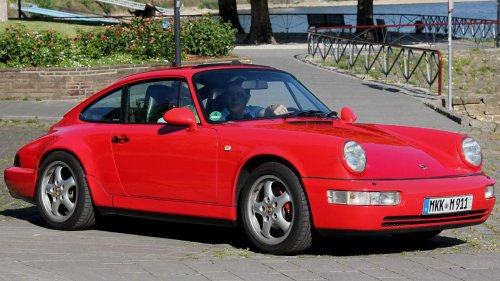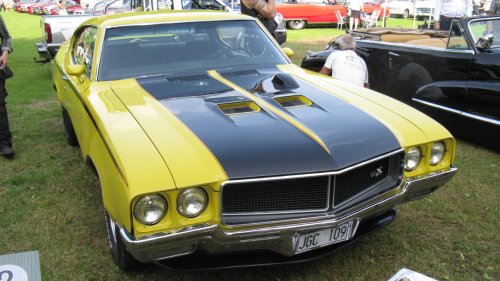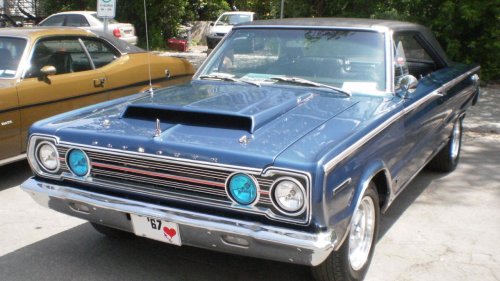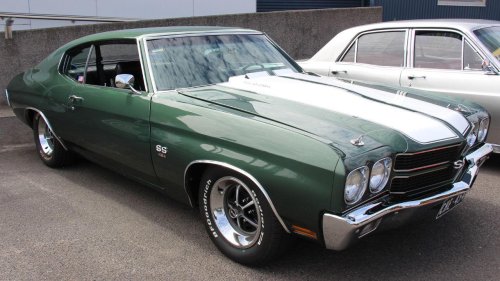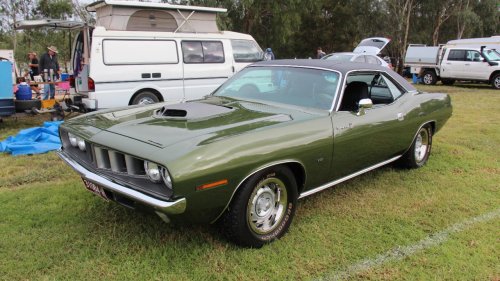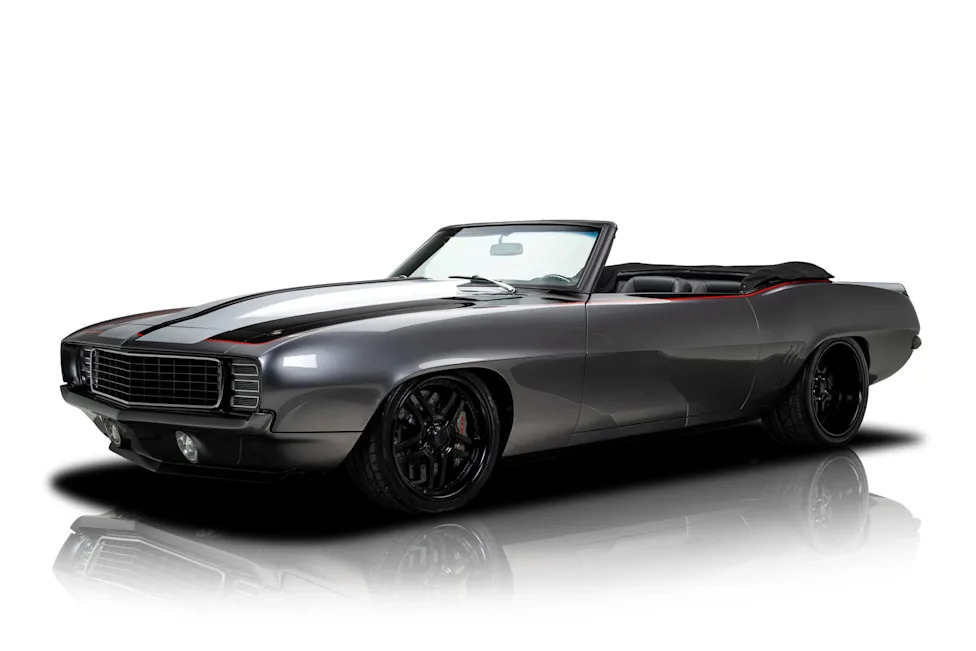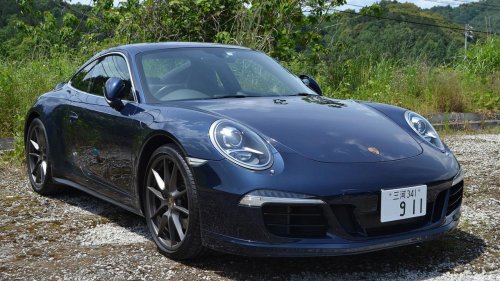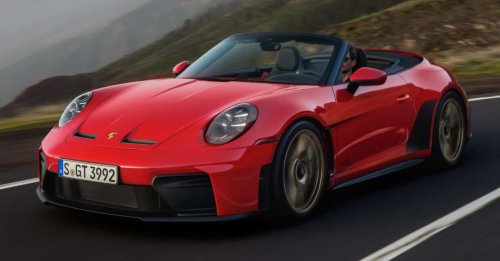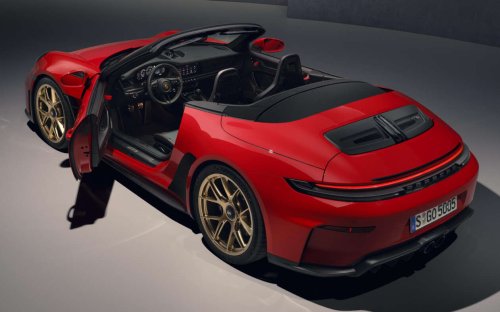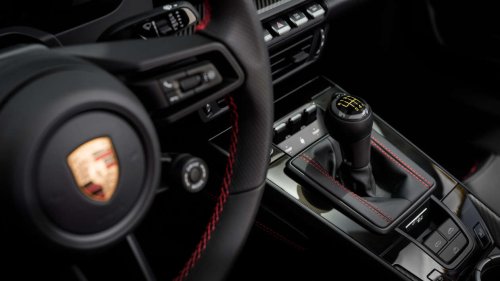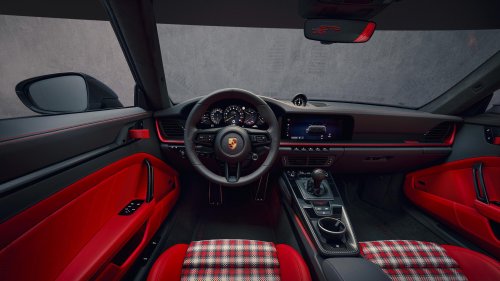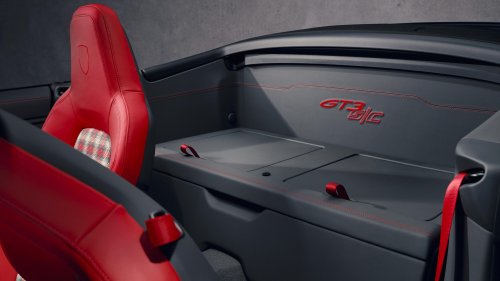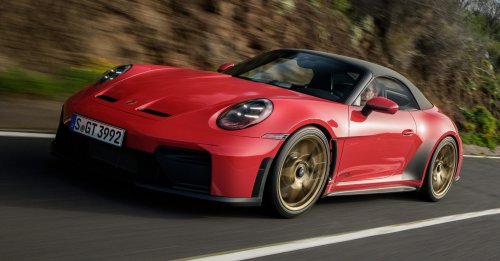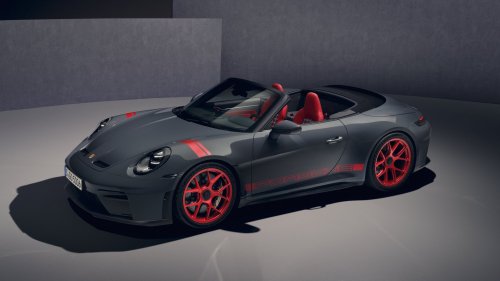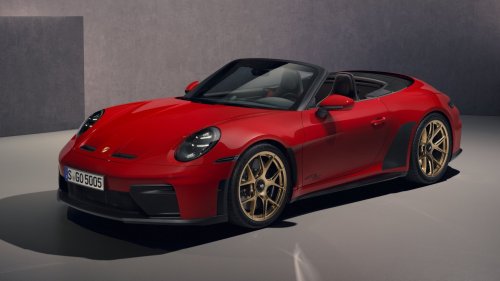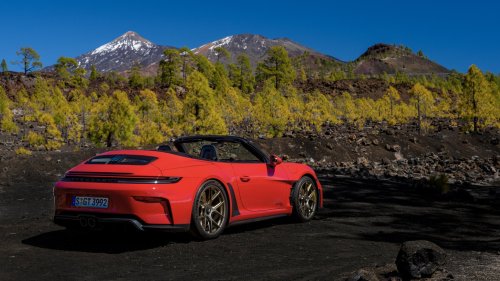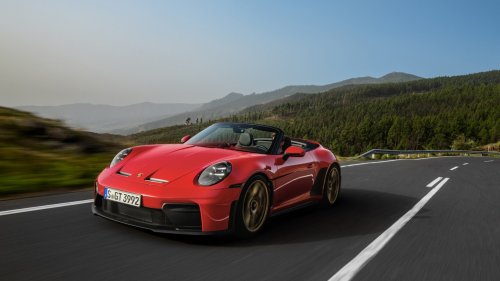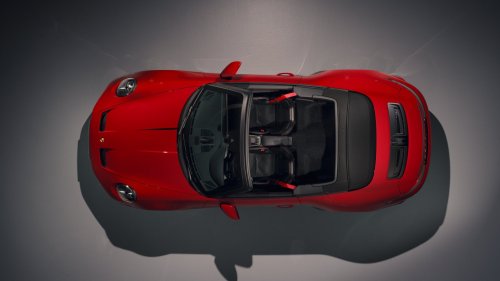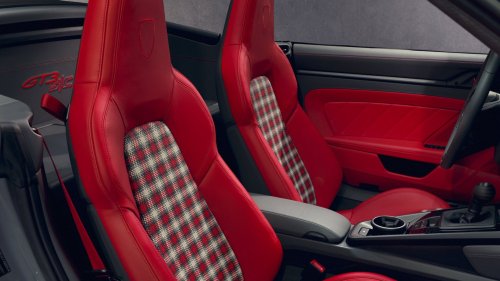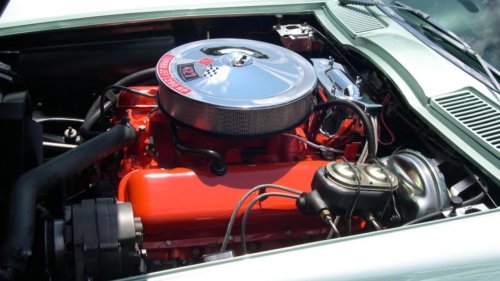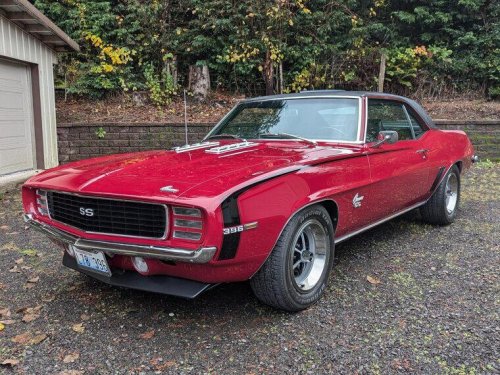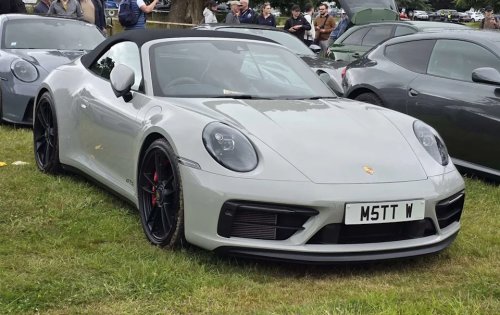
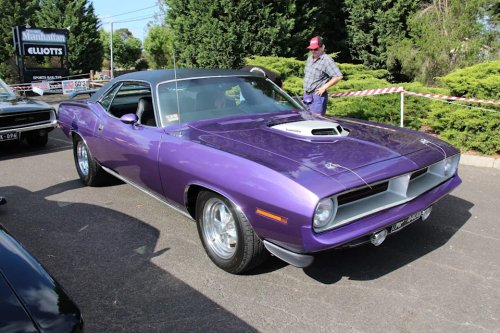
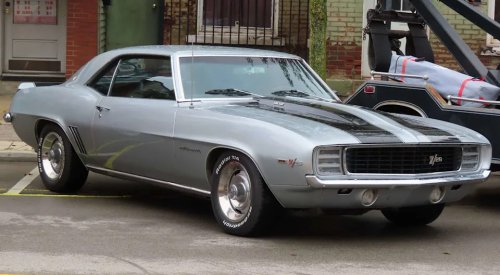
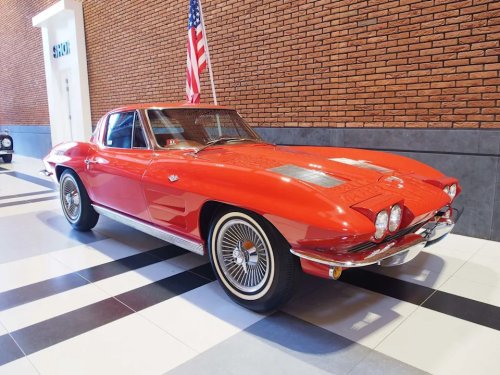


















The headline from the Fall Carlisle Collector Car Auction is a 1970 Plymouth Superbird that brought $275,400 with fees. The more revealing number is $15,000, the median posted sale price among the 191 vehicles that carry a sale price on Carlisle Auctions' official results page for the October 1–2 sale at the Carlisle PA Expo Center.Only five lots cleared $100,000. Together they account for $834,500 of the roughly $4.42 million in posted sale prices, about 19 percent of the dollar volume from fewer than 3 percent of the sales. (Posted prices appear to exclude buyer's fees; the all-in figures reported for the Superbird, the 'Cuda and the Camaro run exactly eight percent above them.)Look closely at those five cars and the common thread isn't horsepower, or even rarity. It's proof. Each arrived with a different kind of evidence behind it, and each buyer was paying for the evidence as much as for the car.A Superbird That Is Honest Rather Than PerfectThe lead lot, a 1970 Plymouth Superbird, is described by its consignor as a Lime Light car with a black interior, a 440 Six Pack and a factory four-speed. The listing emphasizes what has not happened to it: original sheet metal with no metal work, the original vinyl top, original upholstery, a numbers-matching 18-spline four-speed and a numbers-matching Dana rear end. The paint is a repaint in the original color, applied 47 years ago. It sold for $255,000 on the block, $275,400 with fees.That hierarchy matters. On an unrestored wing car, a period repaint is a footnote; replaced sheet metal or a redone interior would be the headline. Experienced buyers read a car from the inside out, because paint is the one layer routinely redone, while metal and trim are far harder to replace without leaving evidence.The engine tells the more interesting story. According to the listing, the car was ordered with a four-barrel, the first owner declined to take it unless the dealer installed a 440 Six Pack, and the original engine is believed to have been replaced by the dealer before delivery. The VIN is consistent with the first half of that account: its engine code is a U, the code for the 440 four-barrel, rather than the V that identifies a factory Six Pack Superbird. Chrysler built about 1,920 Superbirds, and by commonly cited counts roughly 716 left the factory with the Six Pack. By that definition this car is not one of them. It is something the market has historically treated with suspicion and, here, apparently rewarded: a period-correct dealer modification made at a first owner's request, wrapped around an otherwise untouched car.Whether that distinction costs the car anything is a question a serious buyer should settle before the check clears. The listing as published does not mention a broadcast sheet or dealer paperwork, and Carlisle's lot pages state that descriptions come from consignors and are not verified. At $275,400, a dealer-installed-engine account is a claim that wants documentation. We looked at this car before the sale in our Superbird preview, and at what paperwork does to wing-car pricing in our analysis of a documented 440 Superbird.The Porsche Is the Quiet HeadlineA 992-generation 911 Carrera GTS Cabriolet. Representative image, not the America Edition lot. Photo: Calreyn88, Wikimedia Commons, CC BY-SA 4.0.The second-highest sale of the weekend was not a muscle car. A 2023 Porsche 911 Carrera GTS Cabriolet America Edition, with 4,183 miles at the time of listing, sold for $202,000. We flagged it when it was consigned, in One of 115. Porsche limited the America Edition to 115 cars, 100 for the United States and 15 for Canada, and built it around a formula collectors have rewarded for decades: a numbered run, a revival of an historic color in Azure Blue 356, 473 horsepower from the 3.0-liter twin-turbo flat-six and a mandatory seven-speed manual with no PDK alternative. According to the listing, it marks the 70th anniversary of the 1953 356 America Roadster.A buyer paying $202,000 for a three-year-old Porsche at a sale best known for Mopars and Corvettes suggests that the room now includes collectors who buy by edition size and transmission rather than by decade. It also shows how little proof a very young collectible needs. With 4,183 miles and a build run of 115, this car's provenance was effectively written at the factory. The risk is the inverse of the Superbird's: a limited edition holds its value only if it stays exactly as built and the market keeps caring about its story after the novelty fades. One sale is a data point, not a trend. The next America Edition to trade will say more.The 'Cuda Is a Different Kind of ProofA factory 1970 Plymouth 'Cuda. Representative image, not the custom Carlisle car. Photo: Wikimedia Commons, CC BY 2.0.The $159,300 paid for the 1970 Plymouth 'Cuda invites the wrong comparison. This is not a factory E-body. It is the "Conviction Cuda," built for the 2009 SEMA Show, with a 6.1-liter Hemi from Arrington Performance said to make more than 525 horsepower, a Tremec TKO500 five-speed, a torsion-bar front end with a four-link rear on coilovers, Baer disc brakes and extensive hand-formed steel bodywork finished in purple and silver. It sold for $147,500 on the block.What the market paid for was documented craftsmanship with show-circuit pedigree, which is how pro-touring cars become collectible in their own right: not as unfinished restorations but as artifacts of a moment. The caution is that custom builds age on a different clock. A factory 'Cuda's desirability does not move with fashion; a 2009 build's does, and its buyer pool is narrower. For context on how collectors price custom work, see our look at a 1969 Charger that is really a 2016 Hellcat and our piece on a custom 1969 Camaro Z/28 whose most valuable part is the cowl tag.Where the Paperwork Is Part of the DrivetrainA 1969 Camaro Z/28 Rally Sport. Representative image, not the Carlisle lot. Photo: MercurySable99, Wikimedia Commons, CC BY-SA 4.0.The 1969 Camaro Z/28 RS that brought $130,000 ($140,400 with fees) is the cleanest expression of the thesis. Its listing reads like the checklist Z/28 buyers run: original 302 "DZ" engine, original M22 four-speed, original 4.10 Positraction 12-bolt rear, a build sheet, Jerry MacNeish certification and full owner history, in Dover White over a black vinyl interior.The Z/28 exists because Trans-Am racing capped engines at 305 cubic inches, which is why Chevrolet built a 302. It is also among the most reproduced and cloned Camaros in the hobby, which is exactly why those documents are priced into the car. In the Z/28 market, the build sheet is a component. On the Mopar side, the same logic is why we have written about how a broadcast sheet and fender tag decide a Hemi 'Cuda's originality.A Base-Engine Split Window and the Weight of a Body StyleA 1963 Corvette Sting Ray split-window coupe with the 250-hp 327. Representative image, not the Carlisle lot. Photo: Alf van Beem, Wikimedia Commons, public domain.The fifth six-figure lot is the least exceptional on paper. The 1963 Corvette split-window coupe was a 327/250 four-speed in Ermine White with the standard black interior, frame-off restored in 2016 and, per the listing, with the same owner for 25 years. It sold for $100,000. The 250-horsepower 327 was the mildest engine offered for 1963, and the listing cites no major options.What it has is the body style, built for a single model year. For the buyer who wants a split window above all, the year outranks the spec sheet. Buyers who chase the strongest engines have historically been rewarded; this one chose the shape. The diligence points are the quality and documentation of the 2016 restoration and, on a base-engine car, the originality of the drivetrain. For the market at the other end of the Corvette spectrum, see our analysis of the Corvette record.What the Long Tail SaysBeneath the top five, Carlisle's results page reads like the wider market. Of 415 lots listed, 191 carry a posted sale price and 213 show only a highest bid and no sold status. The median sale was $15,000; 64 vehicles sold for less than $10,000 and only 16 reached $50,000. Vehicles that did not sell on the block may still be available through Carlisle's Still for Sale process, and every lot is sold as-is on consignor-supplied descriptions.The sale also raised $50,120 for three charities, including $30,370 for Fund the Firehouse, which has now passed $100,000 in total, and $11,000 for Let Hope Grow, an ALS research effort, through the sale of a 1963 Volkswagen Beetle. Carlisle added an inaugural 1950-and-under hour alongside its All-Truck Hour. The next sale, Spring Carlisle, runs April 22–23, 2027.The TakeawayThe temptation is to read the Superbird's $275,400 as a verdict on Mopar. It reads better as a verdict on evidence: unrestored metal, a numbered production run, a build sheet, a show-circuit pedigree and a body style that cannot be reproduced. Each of the five cars carried one piece of proof the buyer could point to. Take the prices away and the lesson stands. Six figures at Carlisle did not buy the loudest car on the field. It bought the one that could prove the most.Sources: Carlisle Auctions Fall 2026 results and the individual lot pages linked above. Lot descriptions are consignor-supplied and are not verified by Carlisle Auctions.⚡ Read the full article on Modern Car CollectorSign up for the Collector Car Market Brief. For the latest news, follow us on Facebook and Instagram.