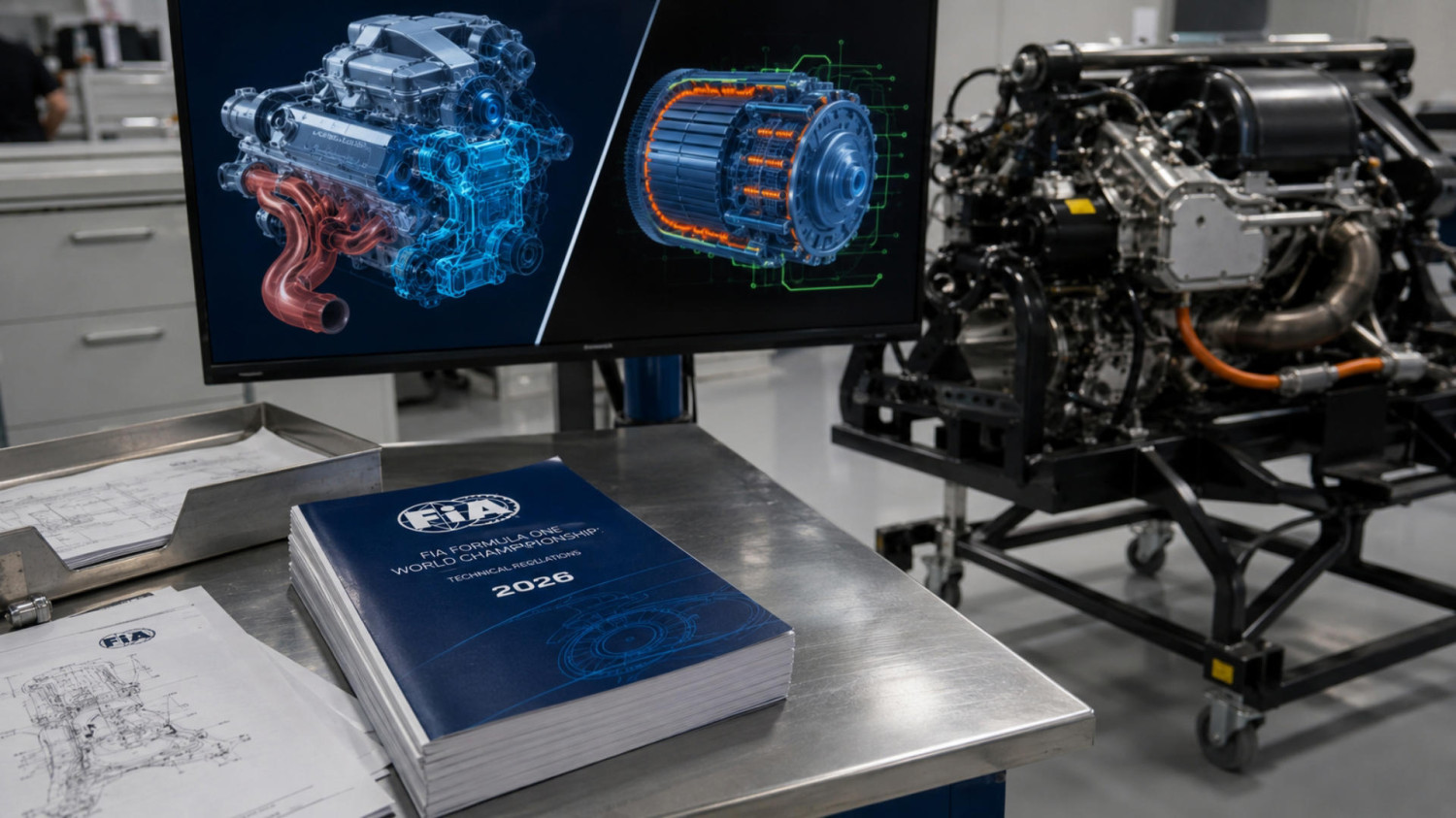
F1’s 2027 Engine Rewrite Shows the 2026 Rules Needed a CorrectionThe New Era Has Already Hit Its First CorrectionFormula 1’s 2026 power-unit rules were introduced as a major reset. They promised more electrical power, greater road relevance and a new technical challenge for manufacturers. That ambition was real, but the early reaction has shown that ambition alone does not guarantee a better racing product. The planned changes for 2027 and 2028 suggest the sport has already decided the balance needs adjustment. That does not make the 2026 rules a failure, but it does show they were not perfect in their first form.Racing Quality Has Forced the ConversationThe concern around the 2026 rules has always been bigger than the engine department. If the hybrid split creates too much energy management, drivers can end up racing systems rather than each other. A more combustion-weighted balance may help restore a more natural rhythm to overtaking, defending and race pace. Formula 1 cannot afford cars that are technically impressive but awkward to race. The power unit has to serve the show as well as the engineering brief.Manufacturers Still Need a Stable TargetChanging the rules so soon creates pressure for manufacturers. Mercedes, Ferrari, Honda, Audi, Red Bull-Ford and others have already invested heavily in the 2026 concept. Any adjustment must therefore be handled carefully, because teams need regulatory stability to justify development spending. The challenge is correcting the racing product without making the manufacturers feel the target has moved unfairly. Formula 1’s political problem is making the fix feel like refinement rather than panic.The 2027 Shift Is a Warning About Future RulemakingThe wider lesson is that Formula 1 needs to test its technical ambitions against raceability earlier. New regulations cannot be judged only by sustainability targets, manufacturer interest or power-unit innovation. They also need to be judged by how drivers will race and how fans will understand the competition. The 2027 correction shows that F1 is willing to respond, which is positive. It also shows that the 2026 formula needed help sooner than the sport would have wanted.This article was created by an external editorial team for the Misha Charoudin brand. It was not personally written by Misha Charoudin.