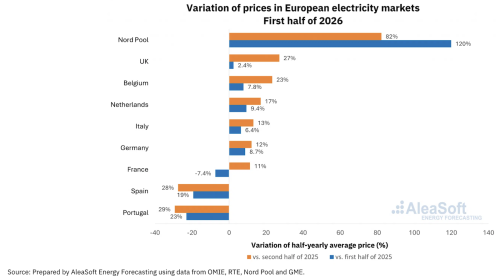
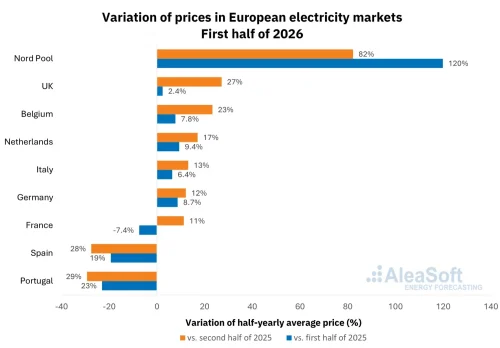
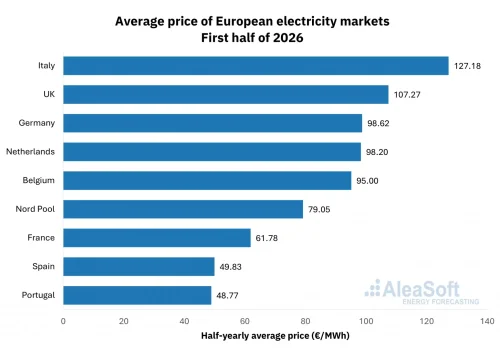
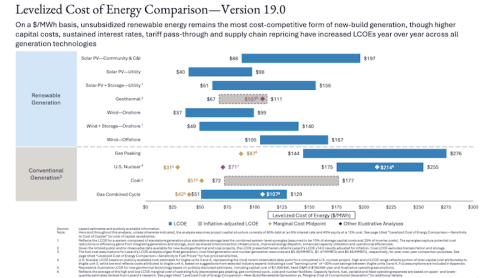
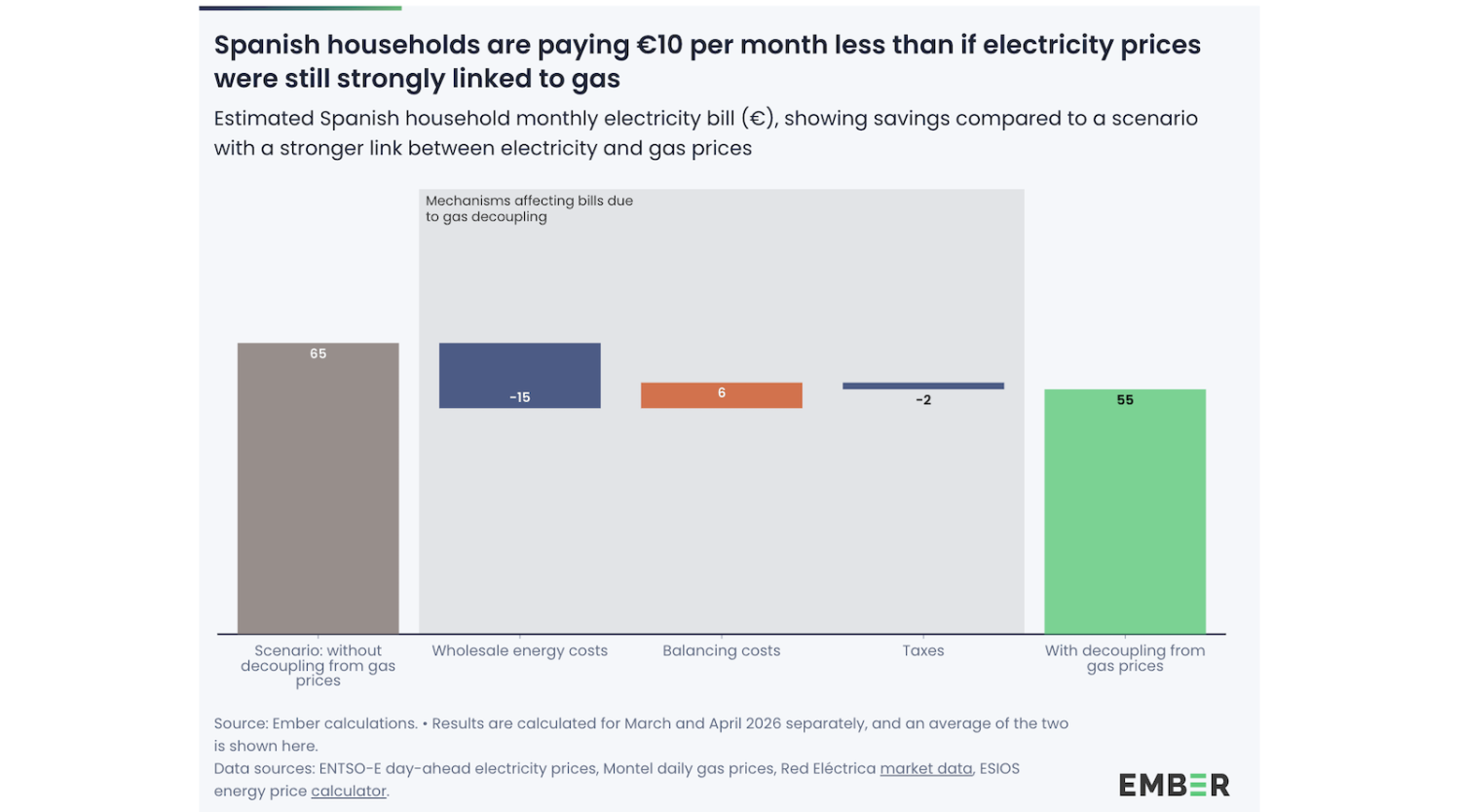
Fossil fuel prices have been in serious crunch zone lately due to the US and Israel war on Iran and oil shipments through the Strait of Hormuz being blocked. That’s been hurting people all around the world, but a recent analysis from Ember shows that people living in Spain have saved €10 a month during this energy crisis thanks to the country’s strong renewable energy adoption in the past five years. “Gas is typically the most expensive source of electricity, and raises electricity prices in any hour it is used for power,” Ember writes. “In Spain, the influence of gas on power pricing has fallen to only 9% of hours since the beginning of 2026, down from 52% of hours in 2021. This is thanks mainly to the growth of wind and solar generation, which grew by 37% from 2021 to 2025.” That’s a huge increase in renewables and decrease in natural gas usage. And right on time for this challenging time. There are about 19.7 million households in Spain, so a savings of €10/month would mean a combined savings of about €197 million in total for households alone, not even getting to the matter of businesses and government entities. That’s a big savings for the country that can then be used for other purposes and can support the local or national economy. Ember points out that other similar countries did not make such a big shift to renewable energy, and paid the price as a result. Wholesale gas prices rose a whopping 60% in the EU since the US started bombing Iran. So, reliance on gas for electricity has stung lately. “In more gas-dependent Italy, power prices averaged €143/MWh in March, three times higher than in Spain (€42/MWh). Since the beginning of March 2026, Spanish wholesale power prices have been consistently among Europe’s lowest.” Wowza! Italy, Italy … learn from your Southern European neighbors across the Mediterranean. “Wind and solar growth are acting as a shield against the price impacts of global instability,” Chris Rosslowe, author of the report, says regarding Spain’s advantages here. “While gas prices spike, renewables are keeping power bills down for Spanish households and businesses.” The organization also explains a bit how Spain achieved this big transition to renewable energy in recent years. “Following the 2025 Iberian blackout, Spain maintained momentum on renewable installations. Between May 2025 and February 2026, Spain added an average of 1.3 GW of wind and solar capacity per month, above the 1.2 GW average over the twelve months prior.” Overall, Spain has clearly been going down the right route. However, it could do even more, as some in the industry are pointing out. “The Ember study reveals that the renewable energy shield is genuinely effective for small domestic consumers,” says Ismael Morales, Head of Climate Policy at Fundación Renovables. “In fact, if we did not have REE’s ‘reinforced mode’ following the blackout, those monthly savings of €10 would be even higher, so it is necessary to remove it as soon as possible. This is only the beginning and, as we are seeing, we must continue to improve the manageability and flexibility of the electricity system to reap the full benefits of renewables. Only then will the shield become a strong armour.”



















 +10 others