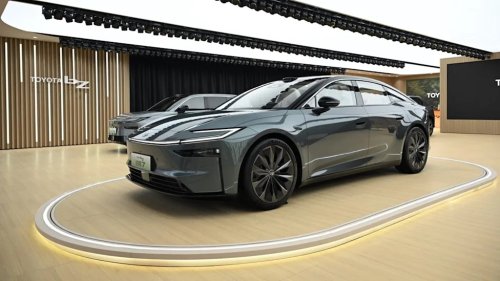
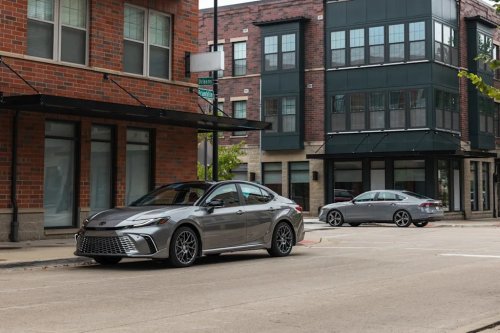
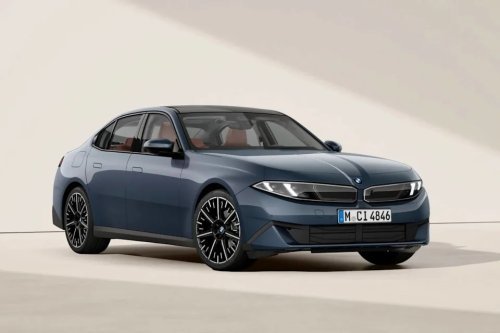
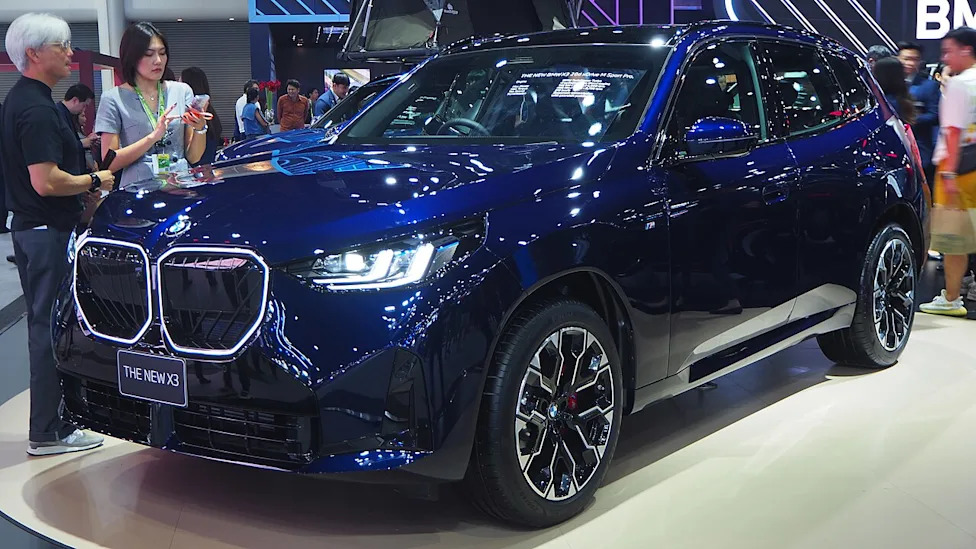
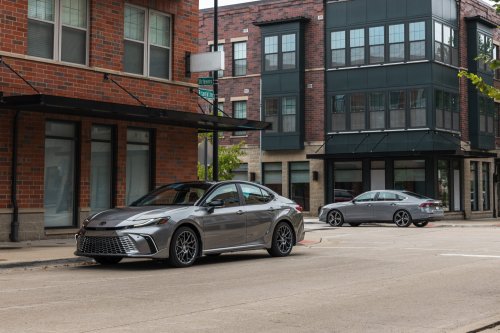
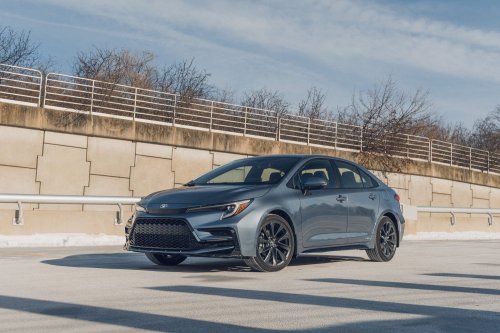
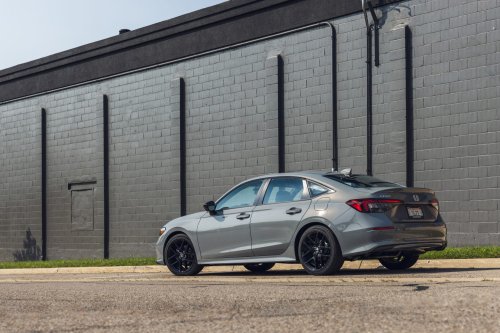
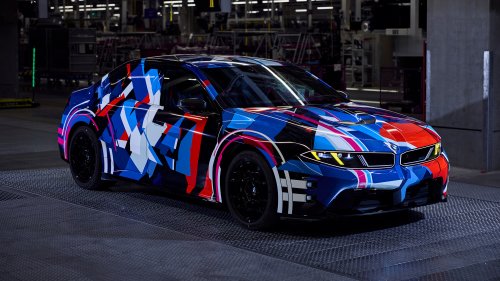
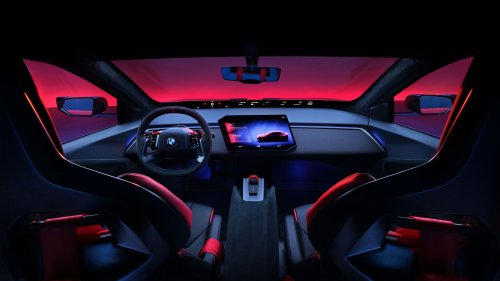
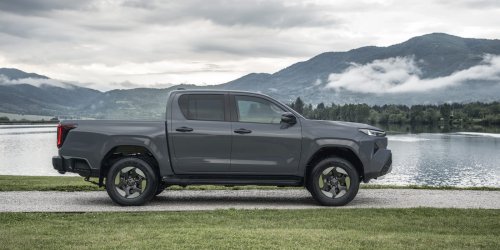
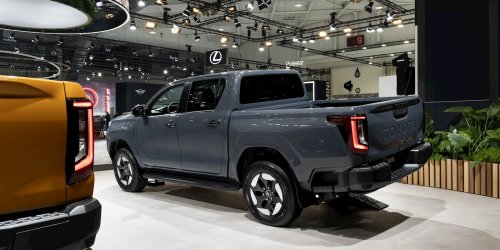
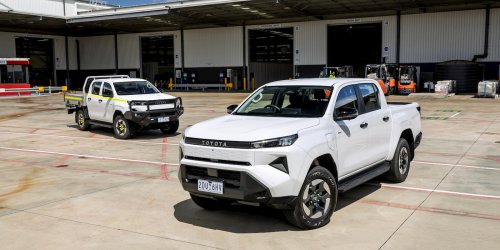
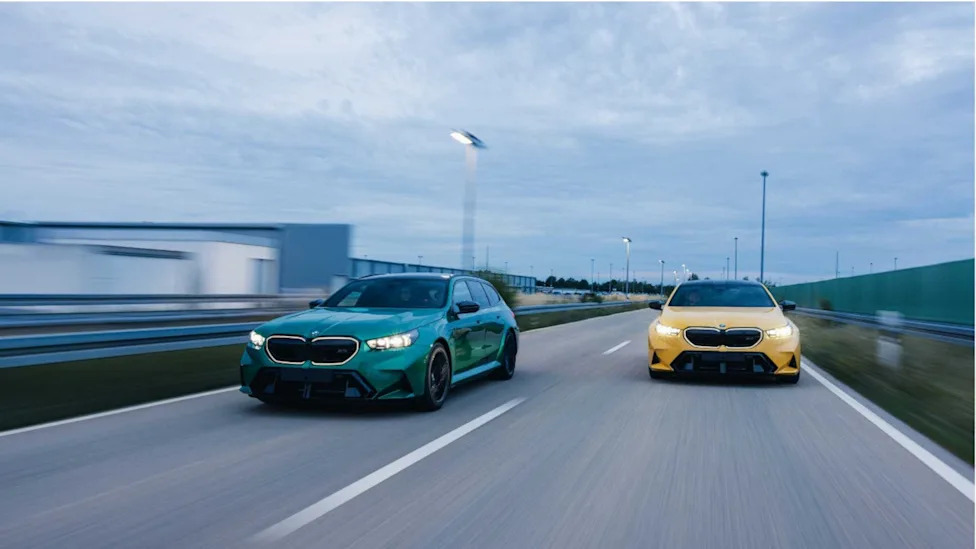
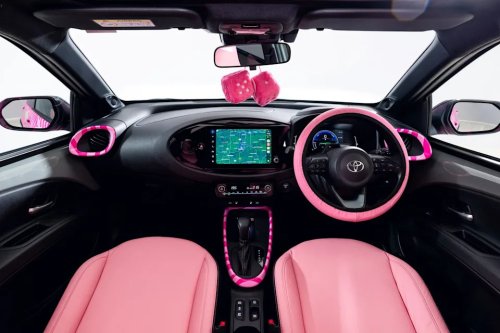
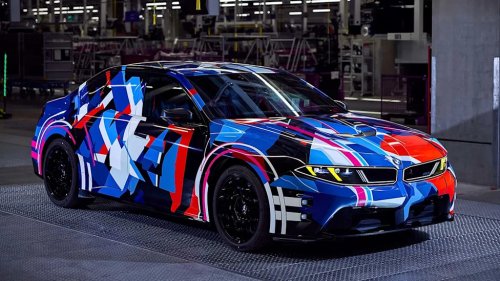
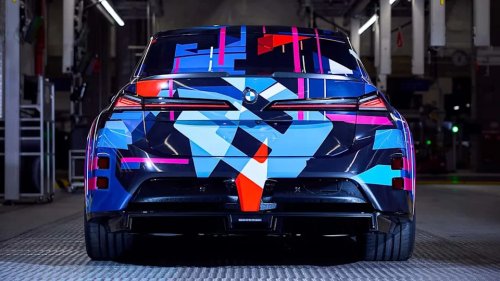
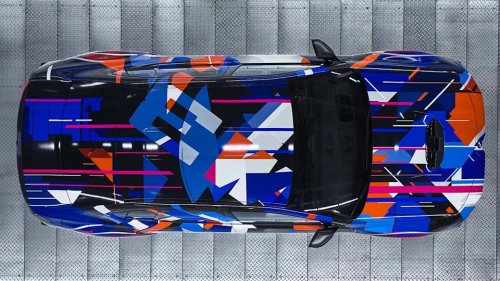
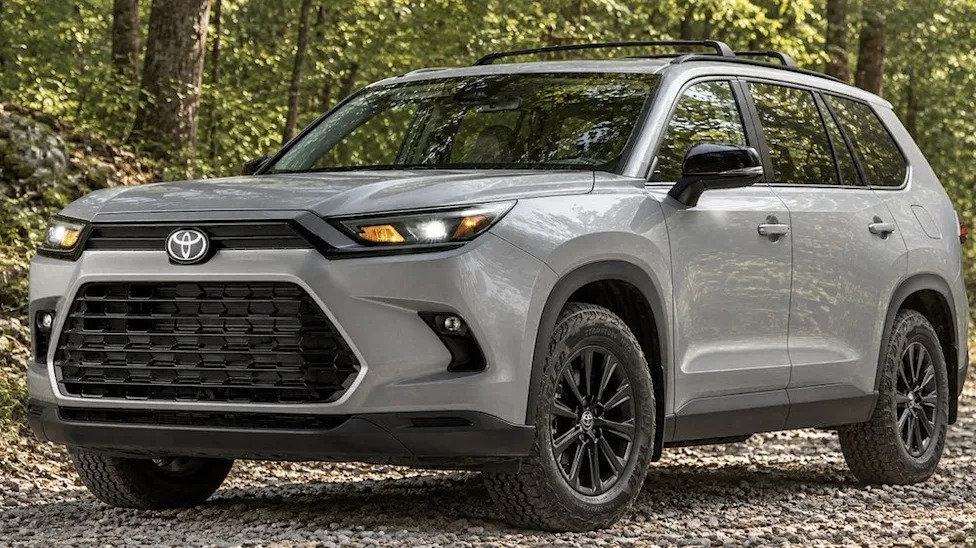
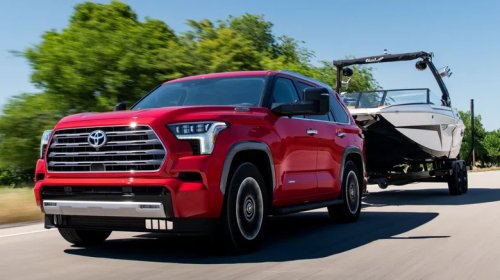
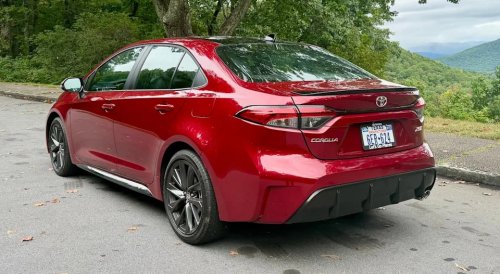
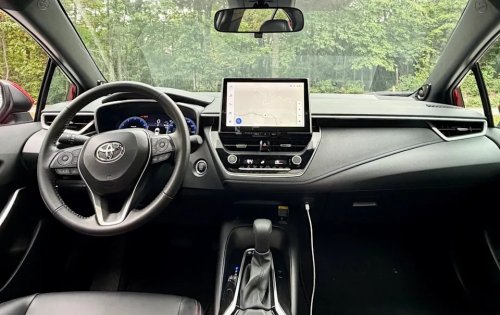
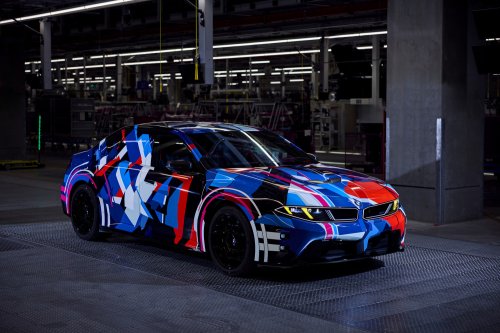
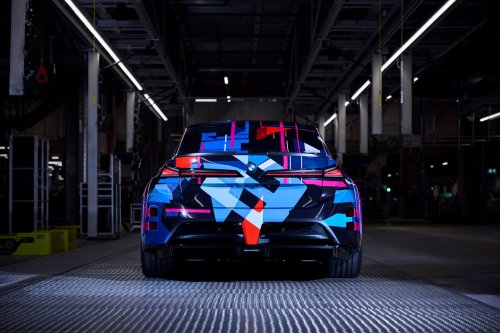
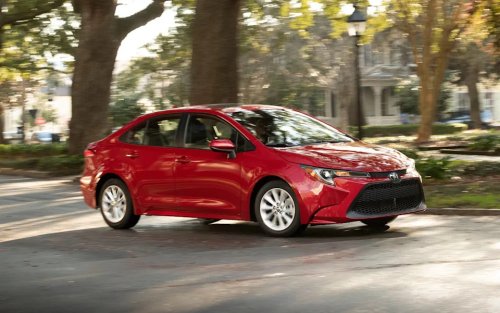
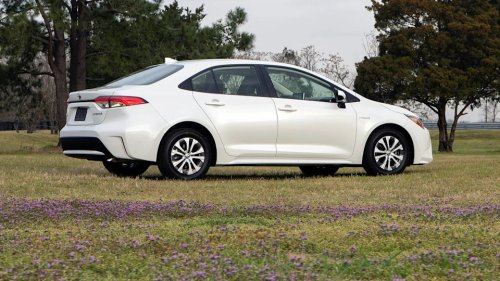
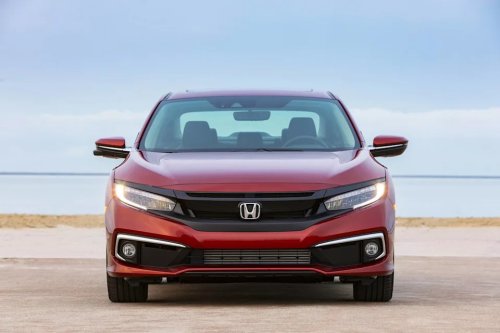
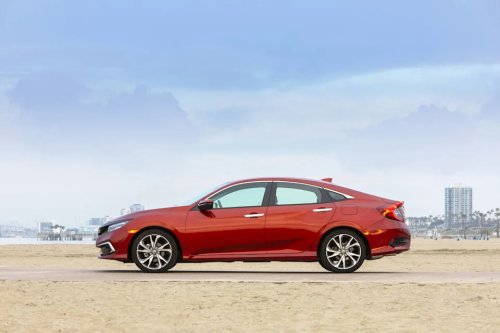
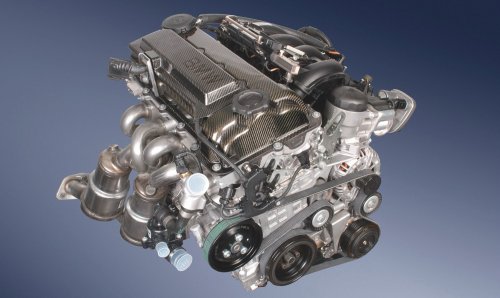
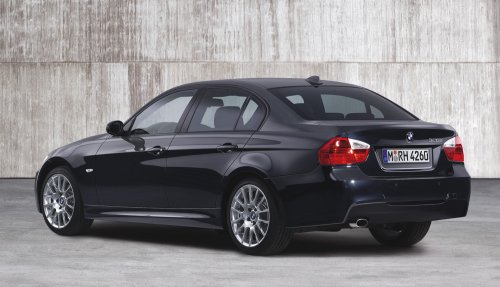
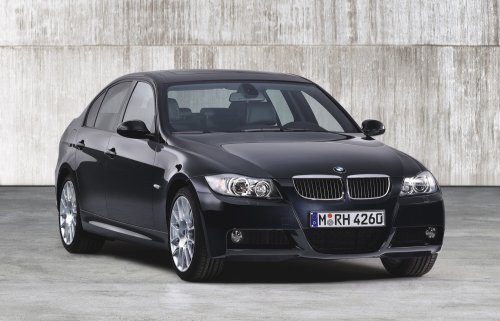
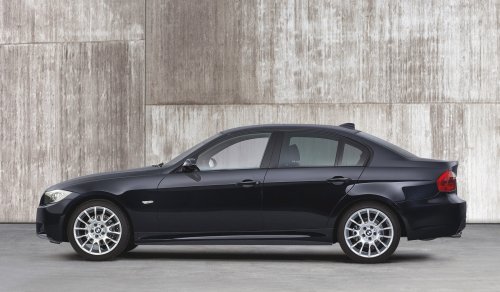
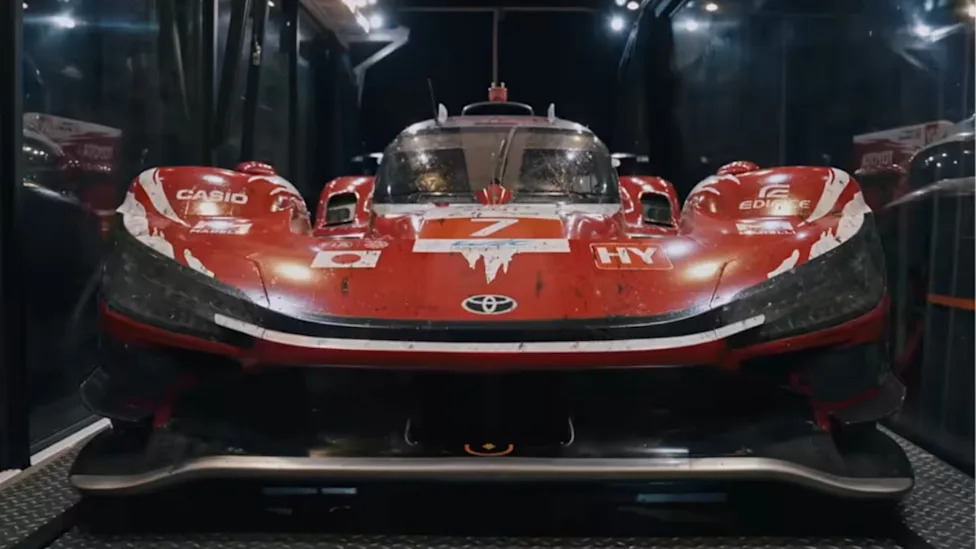
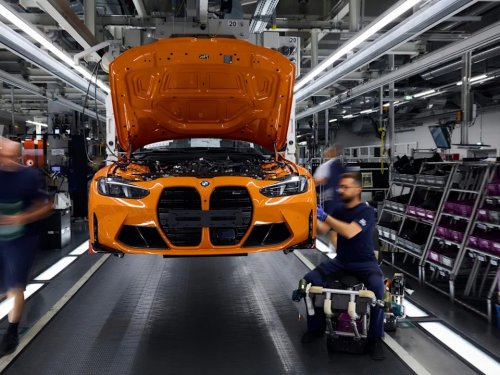
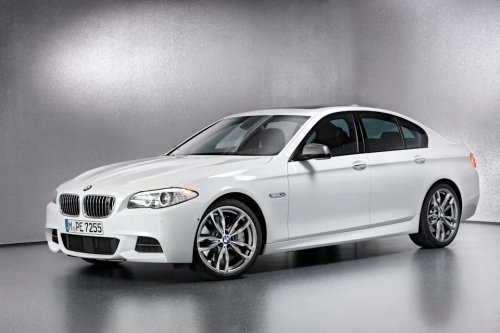
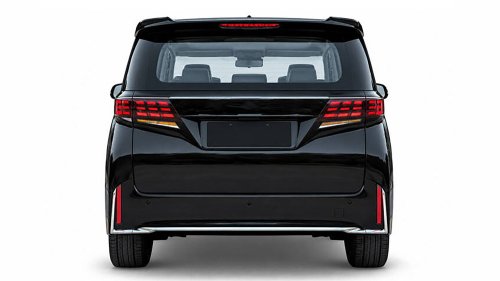
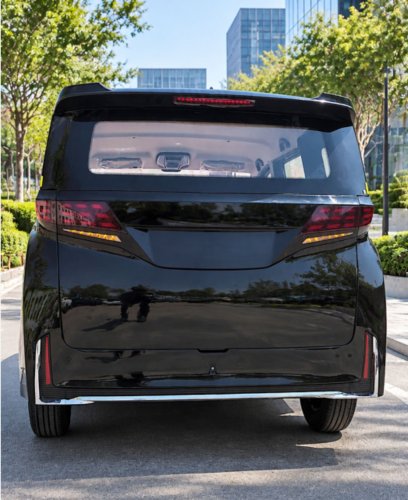
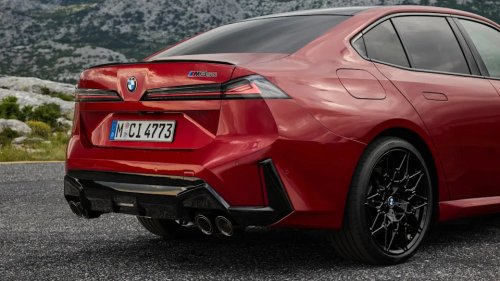
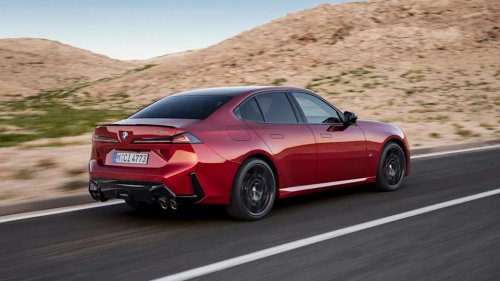
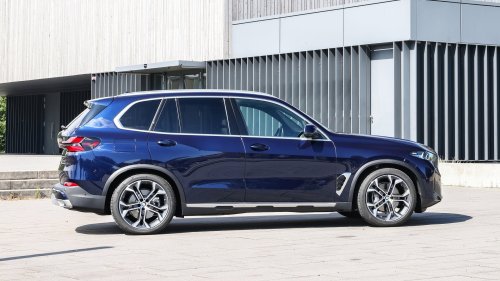
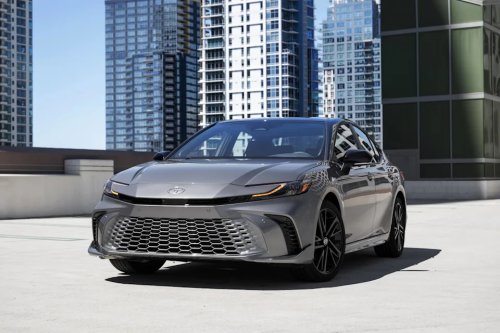
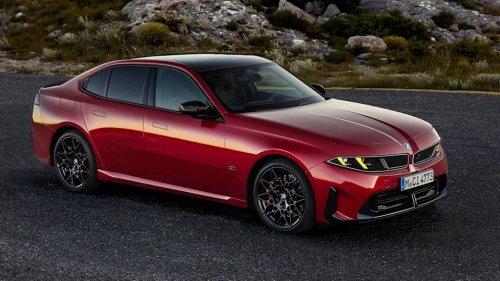
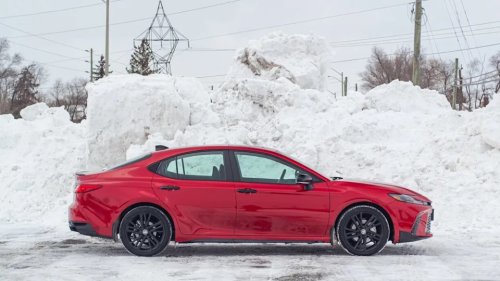
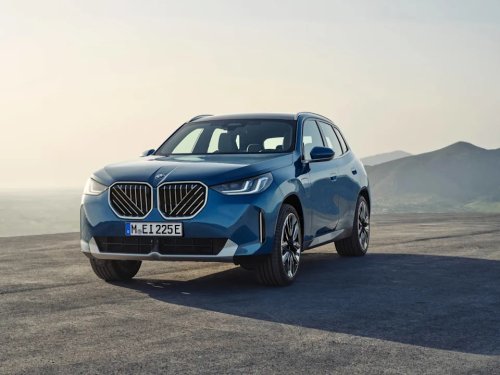
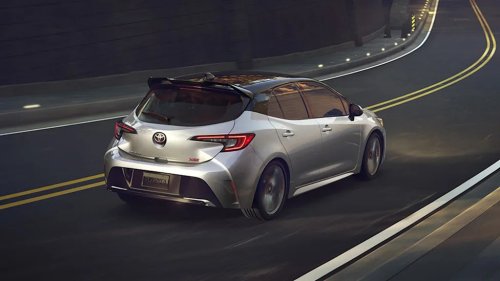
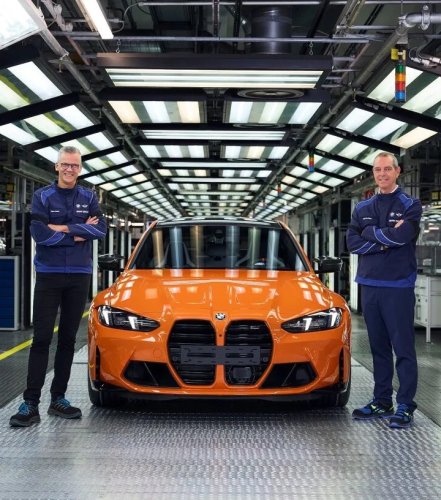
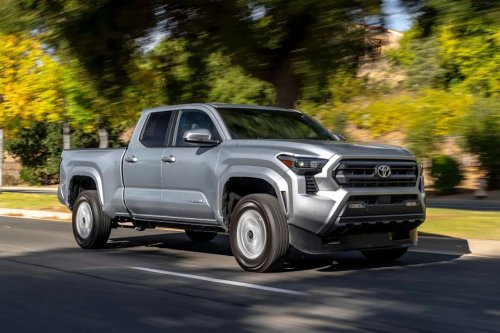
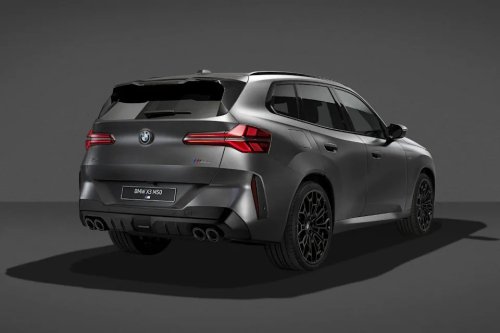
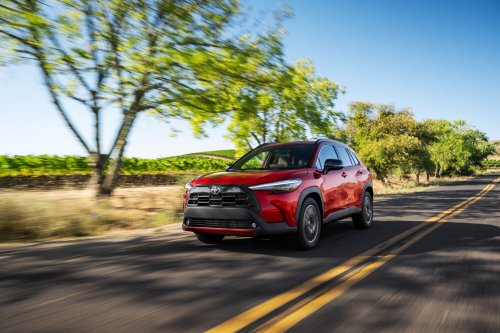
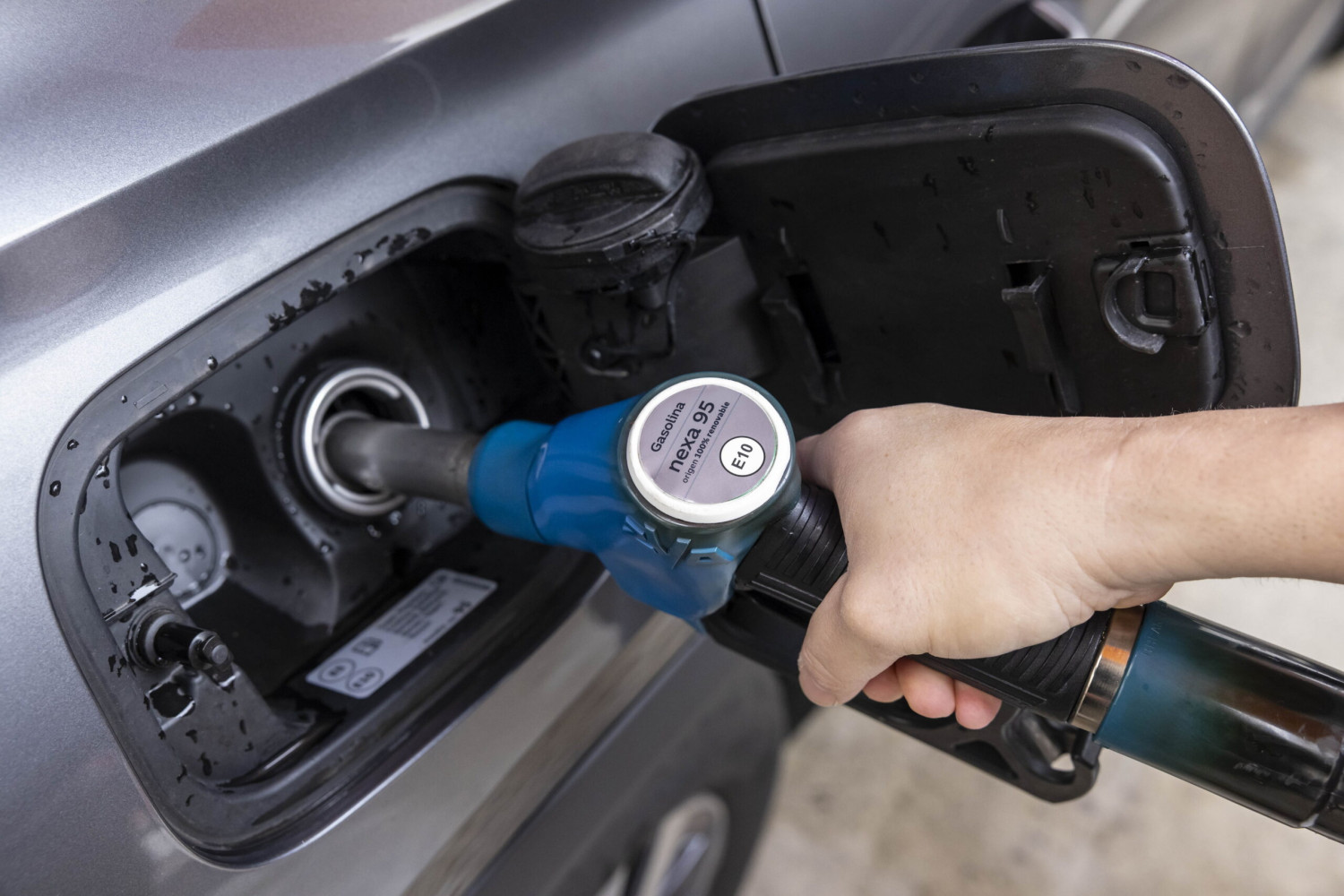
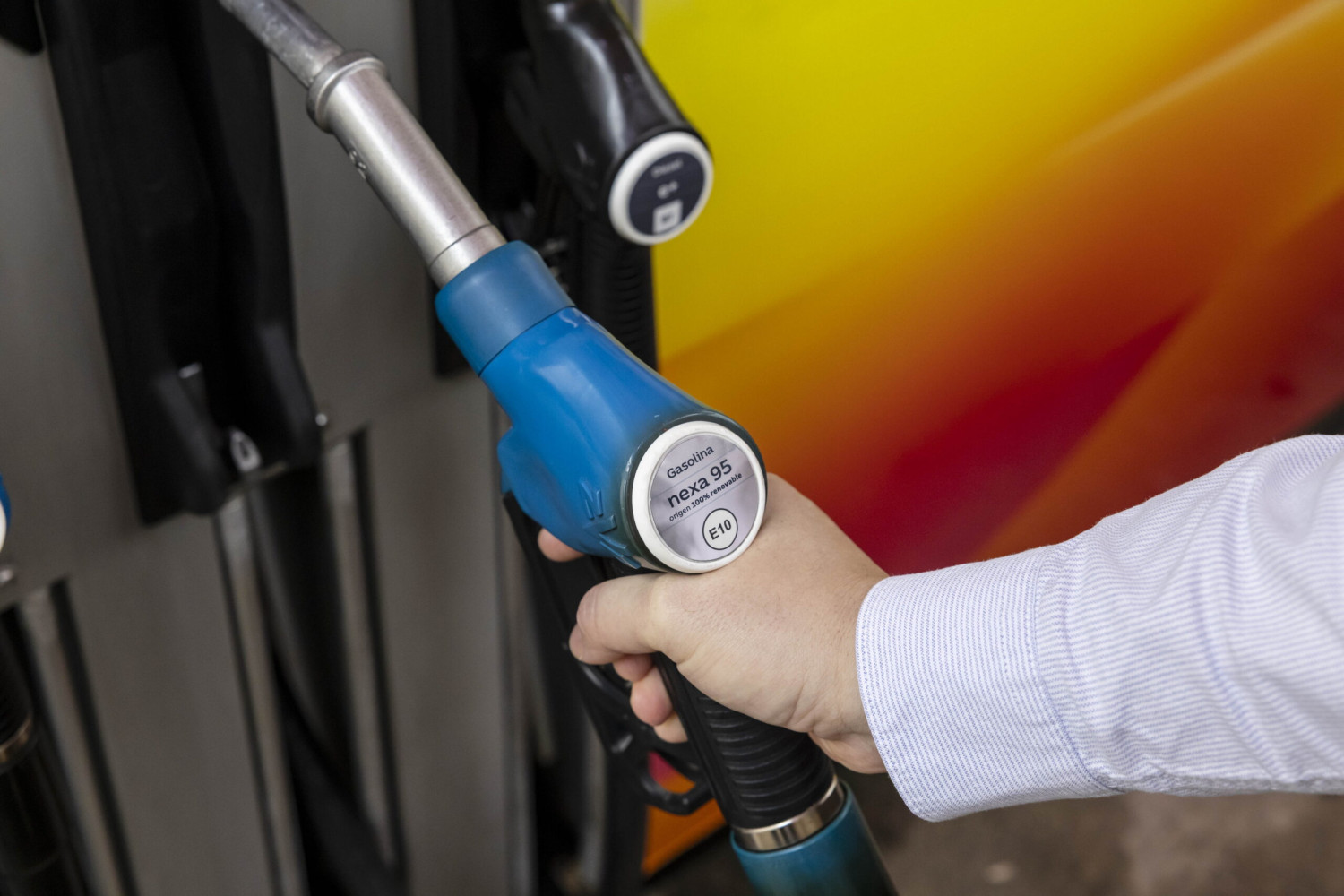
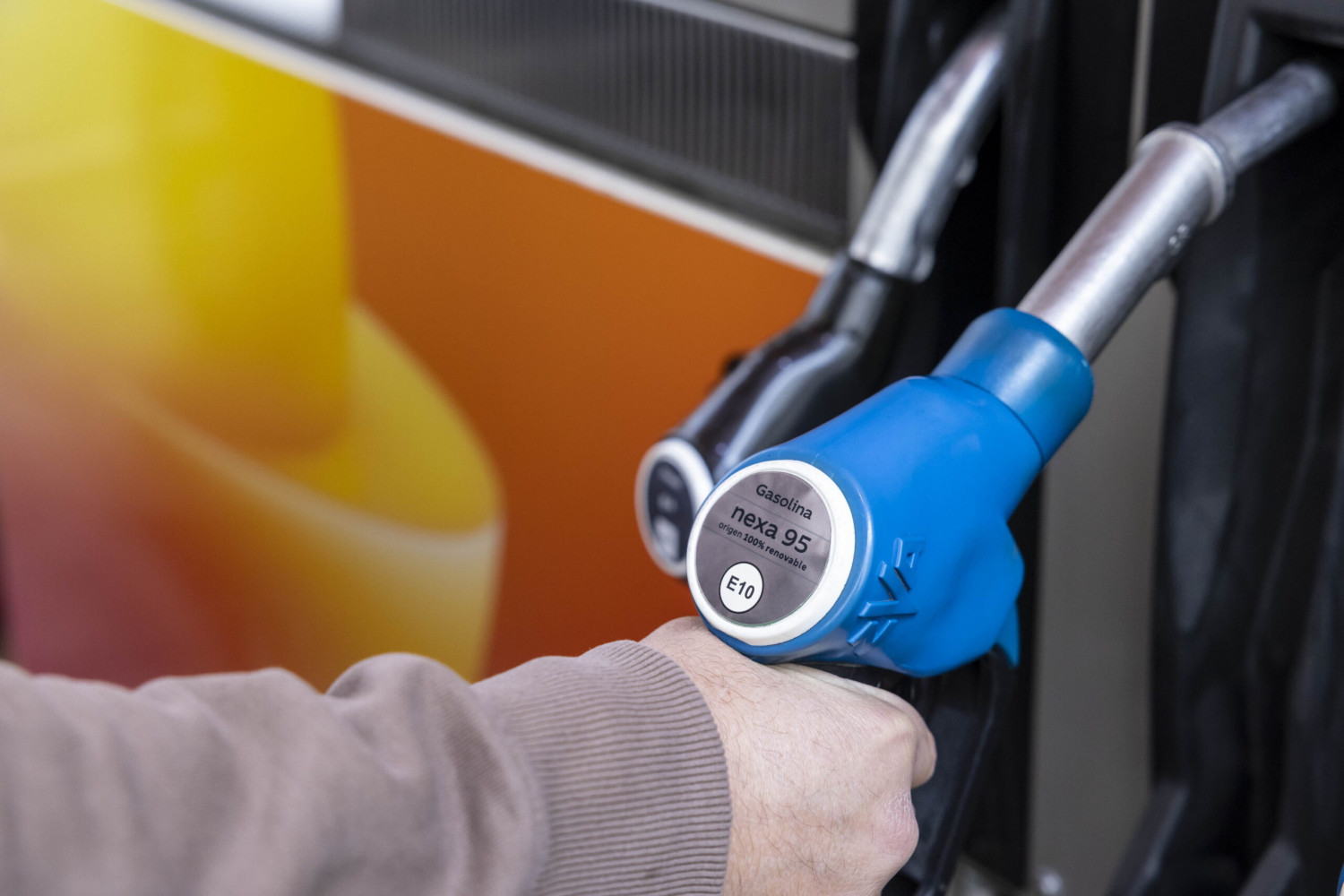
BMW and Toyota launched a six-month renewable gasoline pilot in Spain. Existing gasoline vehicles will operate exclusively on renewable fuel. The project seeks to influence Europe’s future emissions regulations. While America might be back to embracing thirsty engines, Europe is still decidedly going the opposite direction. Now, some of the biggest players in the industry are uniting to show off a new path forward. A six-month pilot program that began this month is set to prove that renewable gasoline can reduce carbon emissions. Importantly, it’s trying to prove it can do that without requiring massive changes to internal combustion technology. The big players here consist of BMW, Toyota, Bosch, and Repsol. The project will deploy around 20 BMW and Toyota vehicles fueled exclusively with Repsol’s Nexa 95 renewable gasoline. Bosch will provide its “Digital Fuel Twin” technology, which tracks fuel usage throughout the supply chain and verifies that each vehicle is operating on certified renewable fuel. Read: Automakers Killed Sedans For SUVs, Now They Want Them Back According to the companies, the pilot has three primary goals. The first is proving renewable gasoline can be supplied through existing public fuel stations. The second is validating Bosch’s digital certification system for renewable fuels. Finally, the partners want to demonstrate that today’s gasoline-powered vehicles can immediately operate on renewable fuel without mechanical modifications or new infrastructure. Renewable How? Despite the name, renewable gasoline isn’t fundamentally different from the fuel already flowing through your car’s fuel lines. Instead of being refined from crude oil, it’s produced from renewable feedstocks such as used cooking oil, agricultural waste, and other organic residues. The resulting fuel is chemically similar to conventional gasoline and can be used in existing engines without modification. It still produces CO₂ at the tailpipe, but supporters argue its overall carbon footprint is significantly lower because the carbon originates from recently living sources rather than fossil reserves locked underground for millions of years. Timing Is Everything Spain was selected for the trial because Repsol already operates what the companies say is the country’s only public network offering 100 percent renewable gasoline. The timing is hardly accidental. Europe remains committed to effectively ending sales of new combustion-powered cars by 2035, although policymakers continue debating whether vehicles running exclusively on carbon-neutral fuels should receive exemptions. BMW has long argued that Europe shouldn’t put all its eggs in the EV basket. Toyota agrees, saying renewable fuels could help close the gap if the EU’s 2035 zero-emissions goals fall short. The companies plan to share data from the pilot with European lawmakers as they push for regulations that recognize vehicles running exclusively on renewable fuels. Photos: BMW



















 +8 others