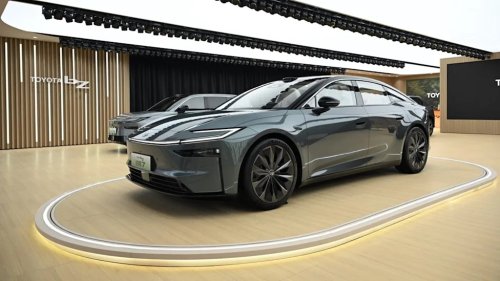
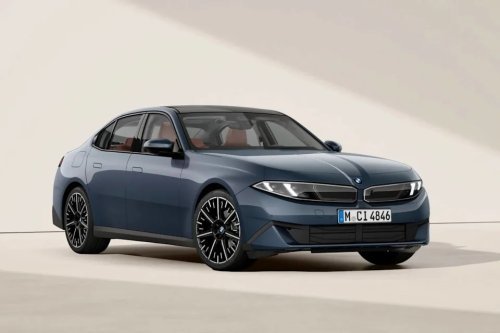
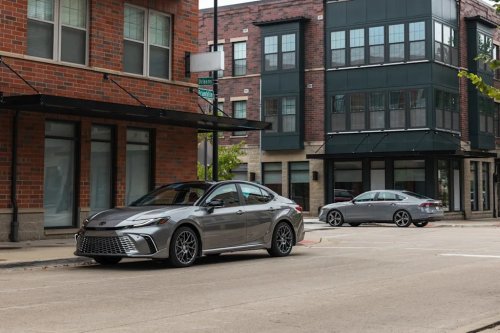
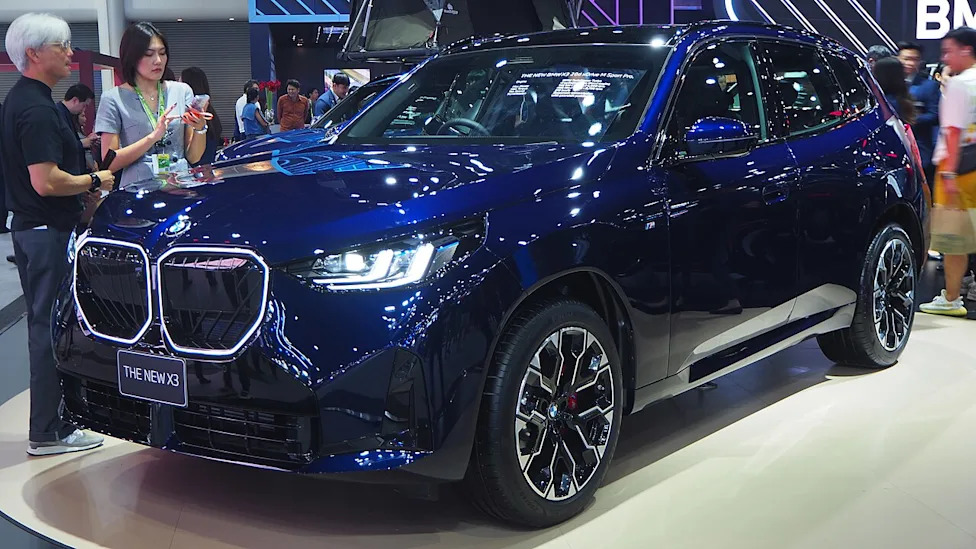
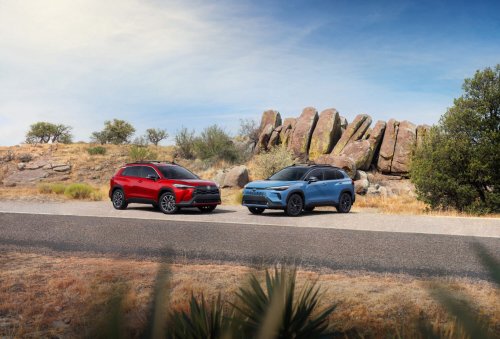
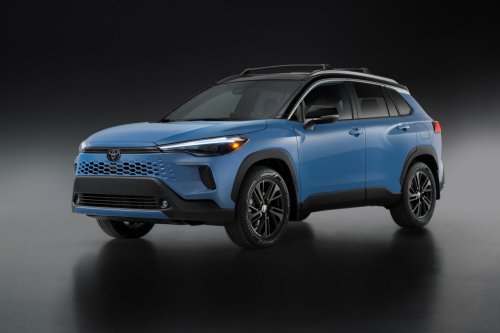
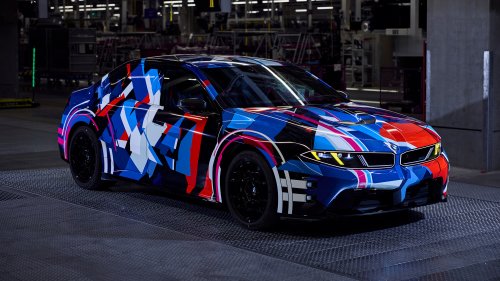
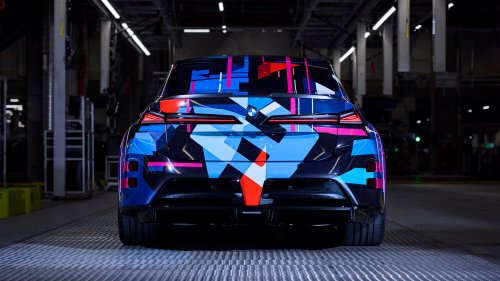
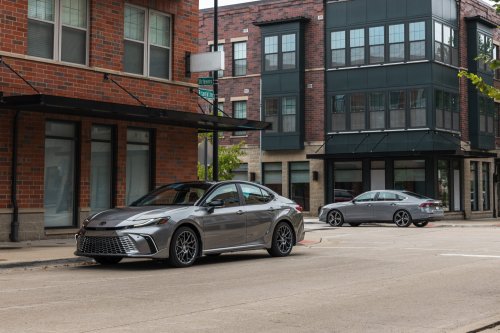
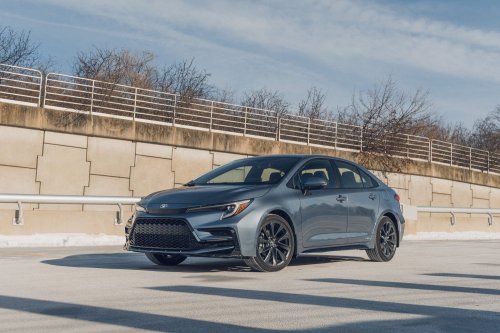
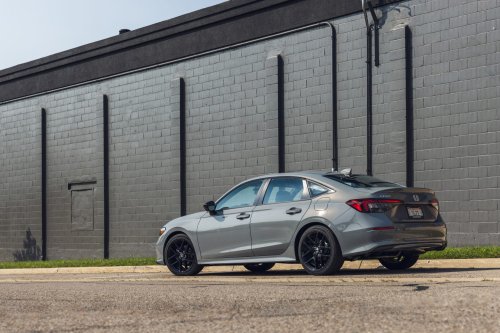
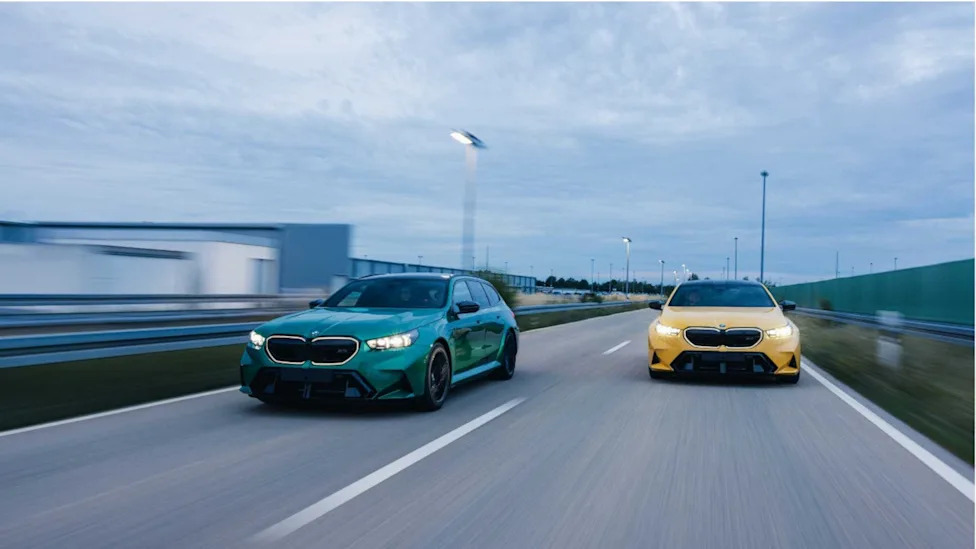
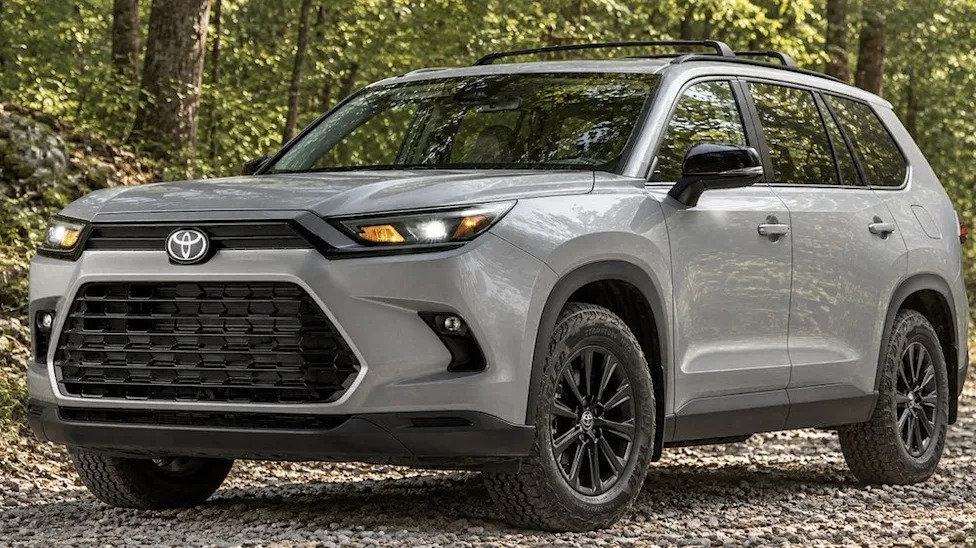
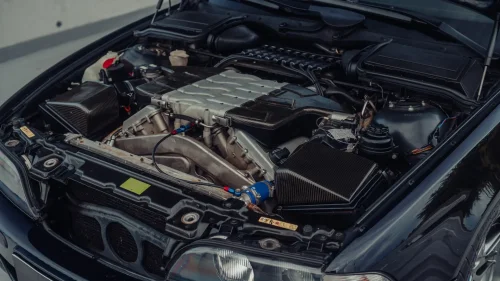
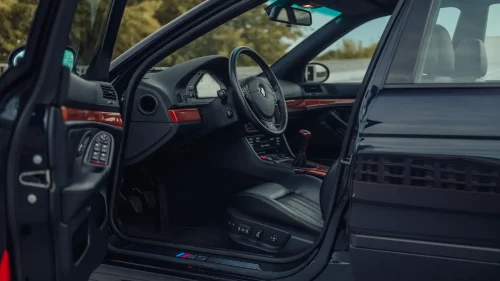
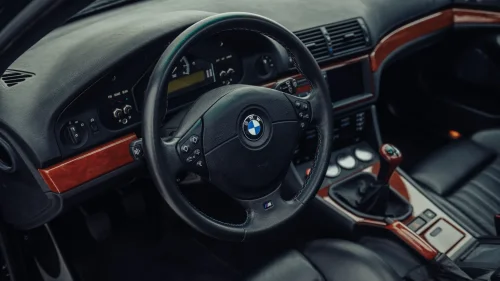
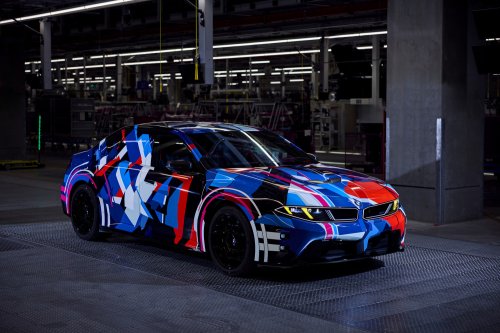
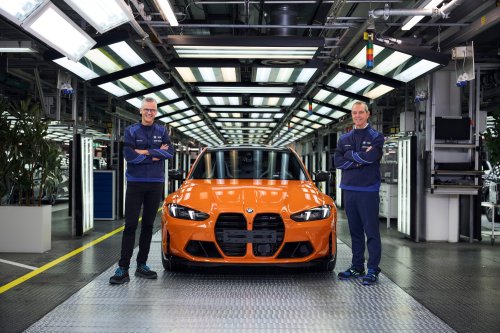
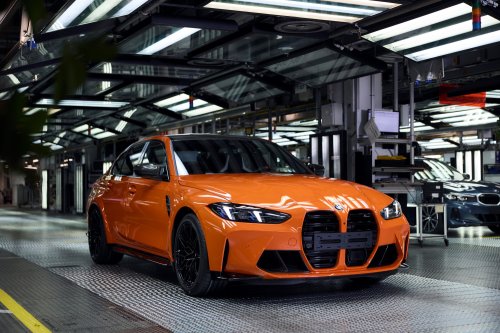
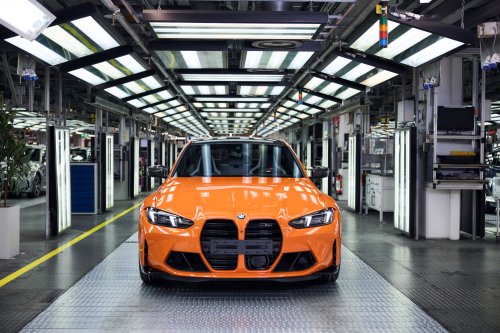
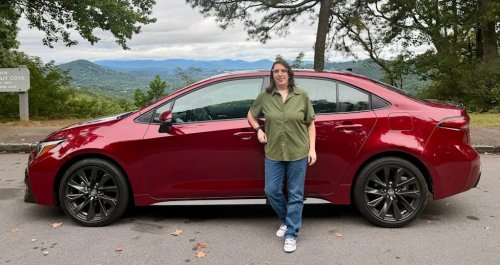
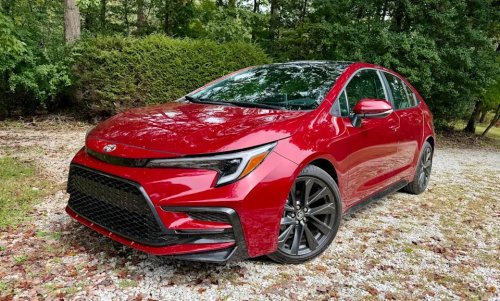
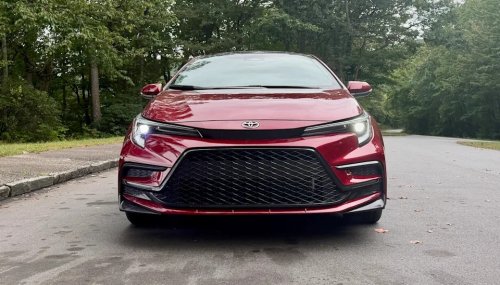
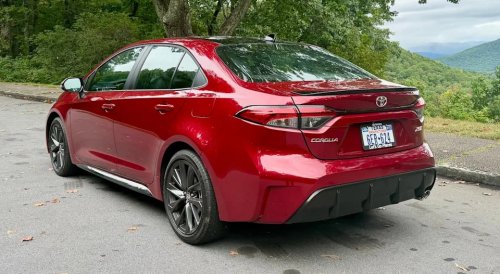
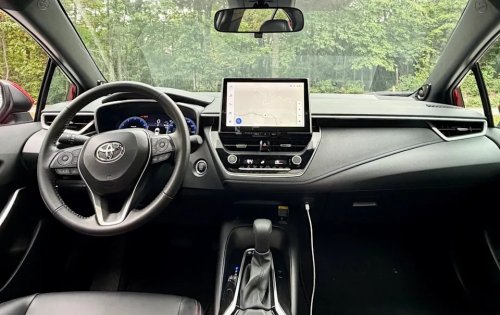
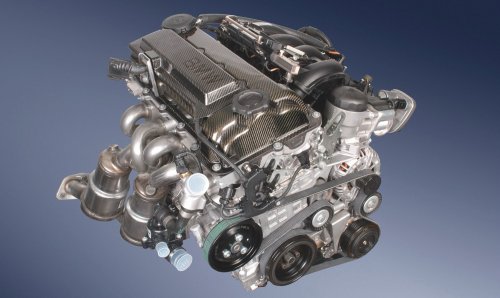
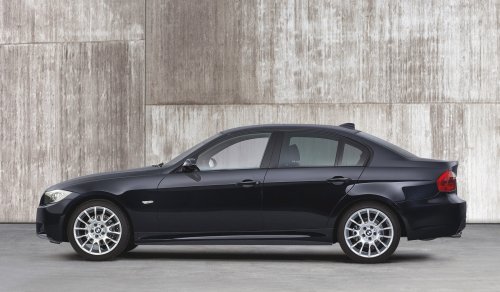
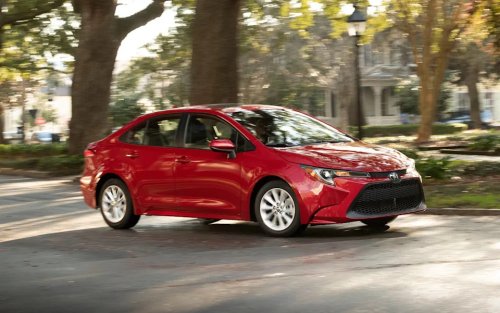
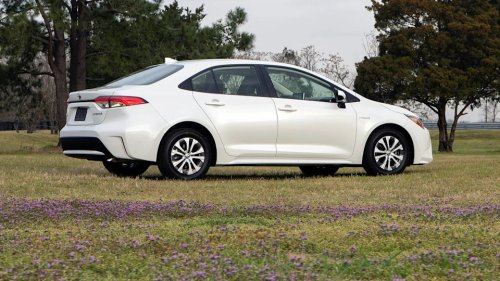
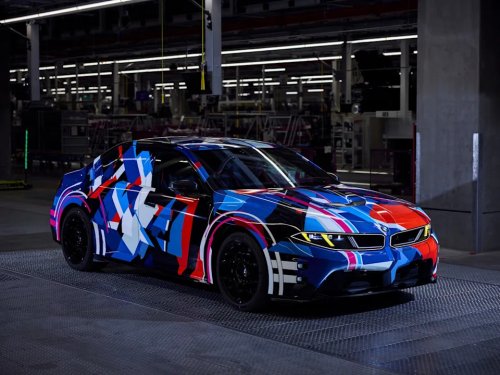
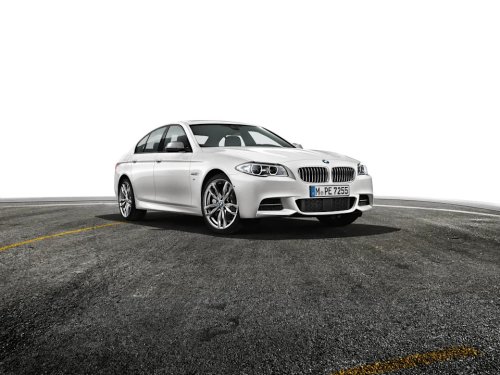
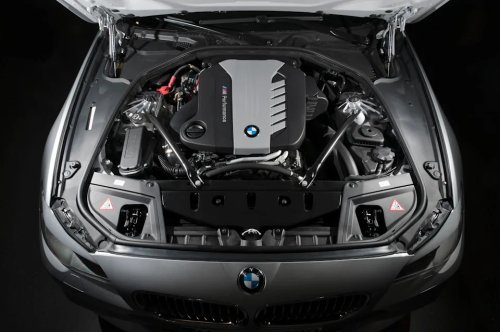
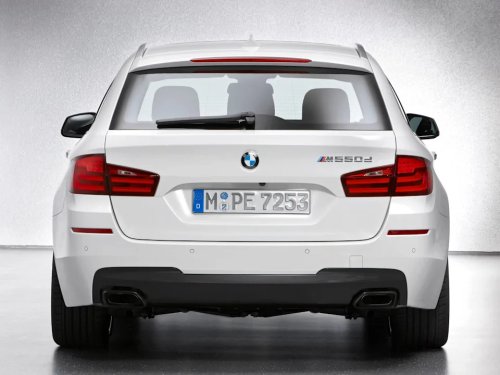
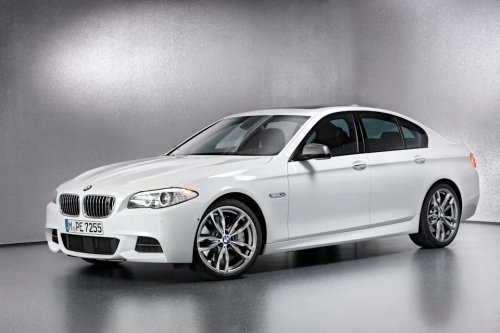
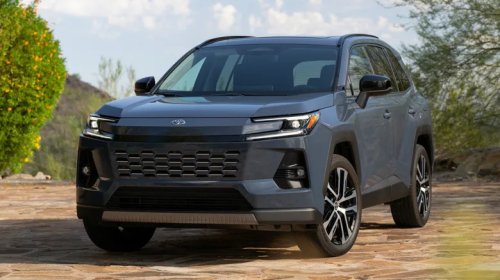
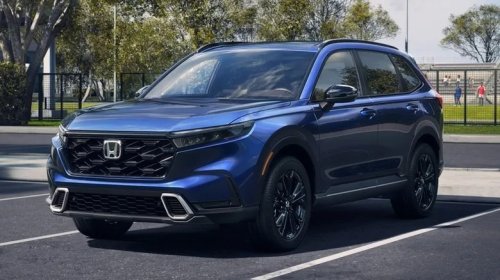
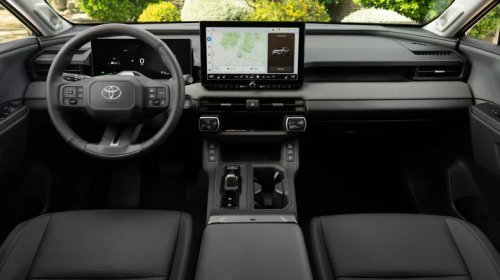
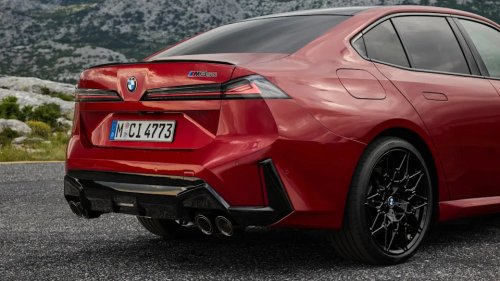
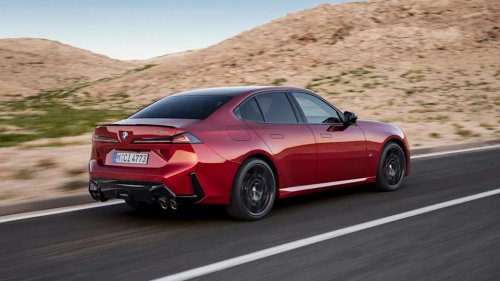
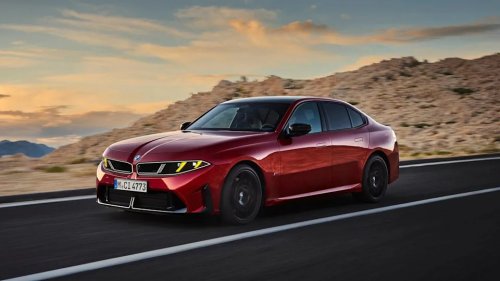
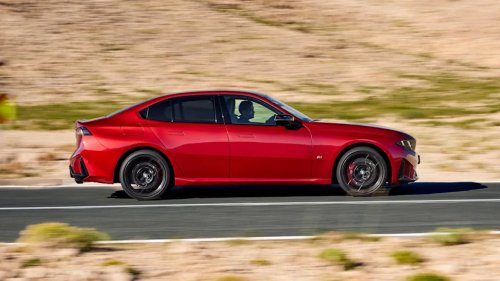
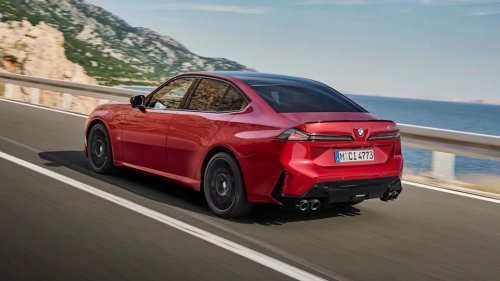
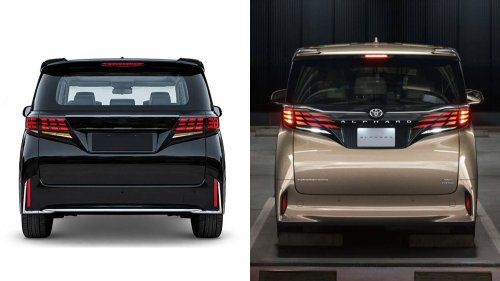
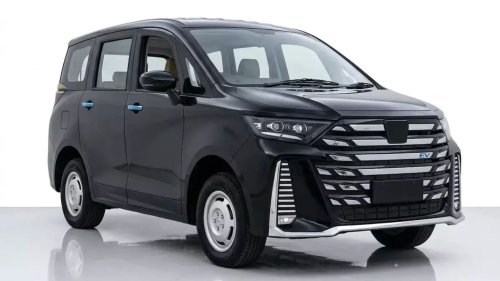
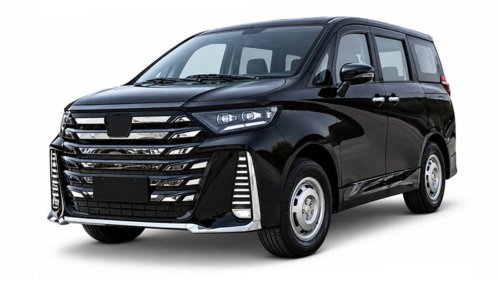
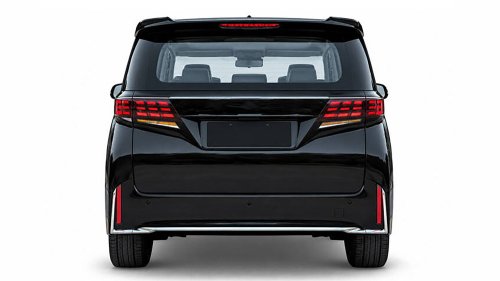
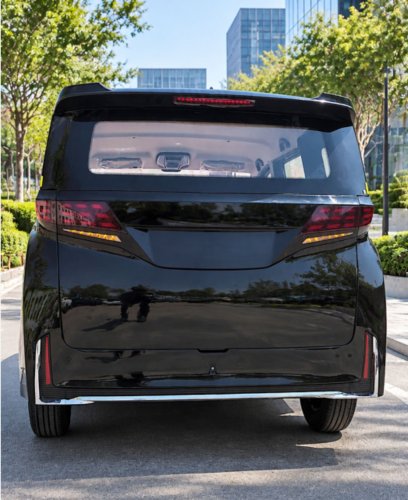
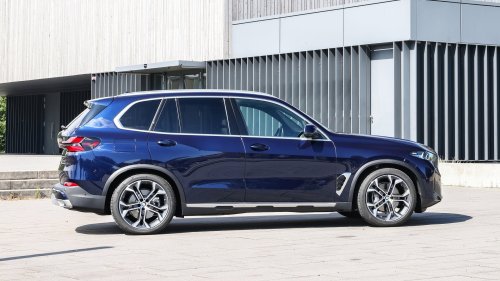
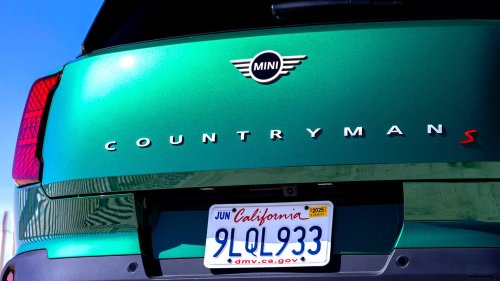
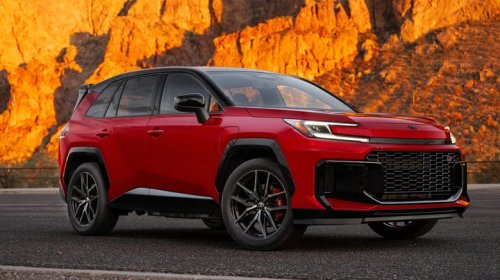
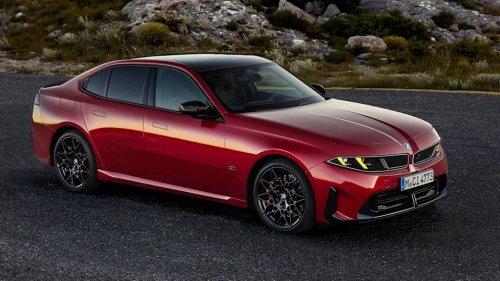
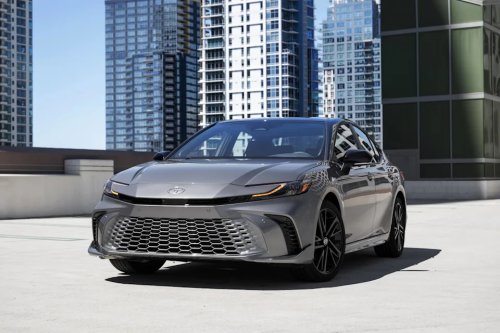
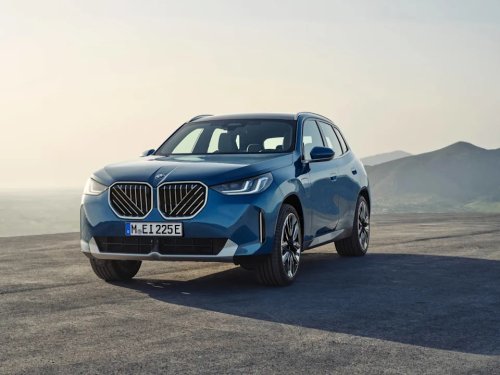
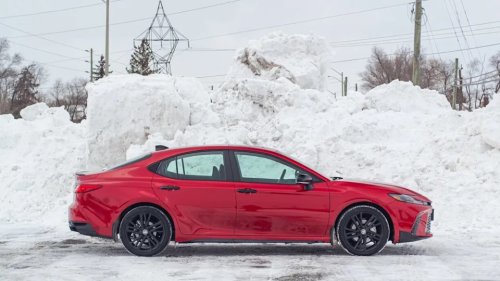
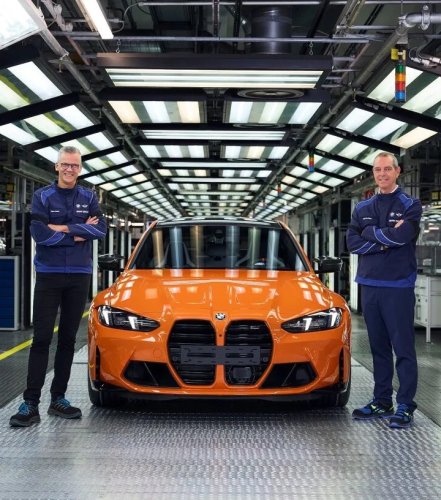
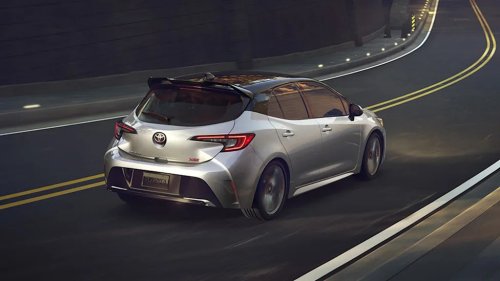
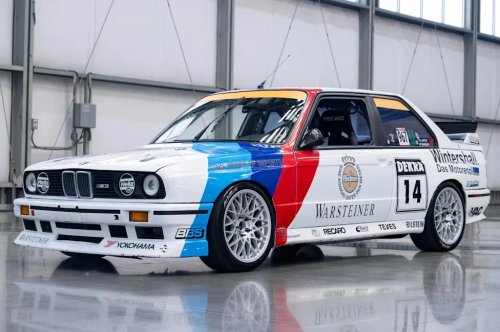
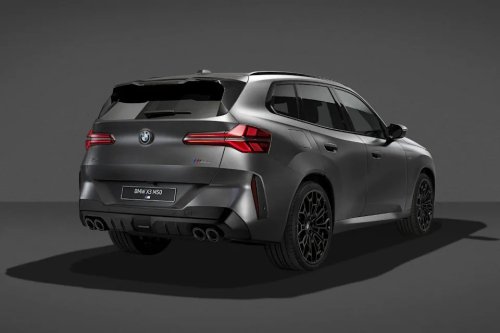
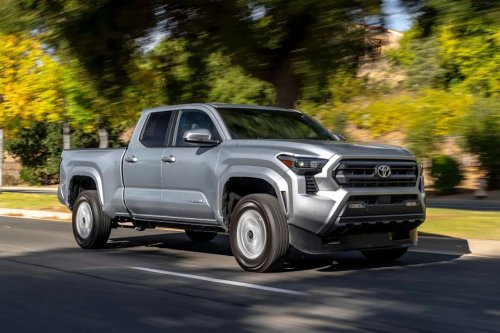
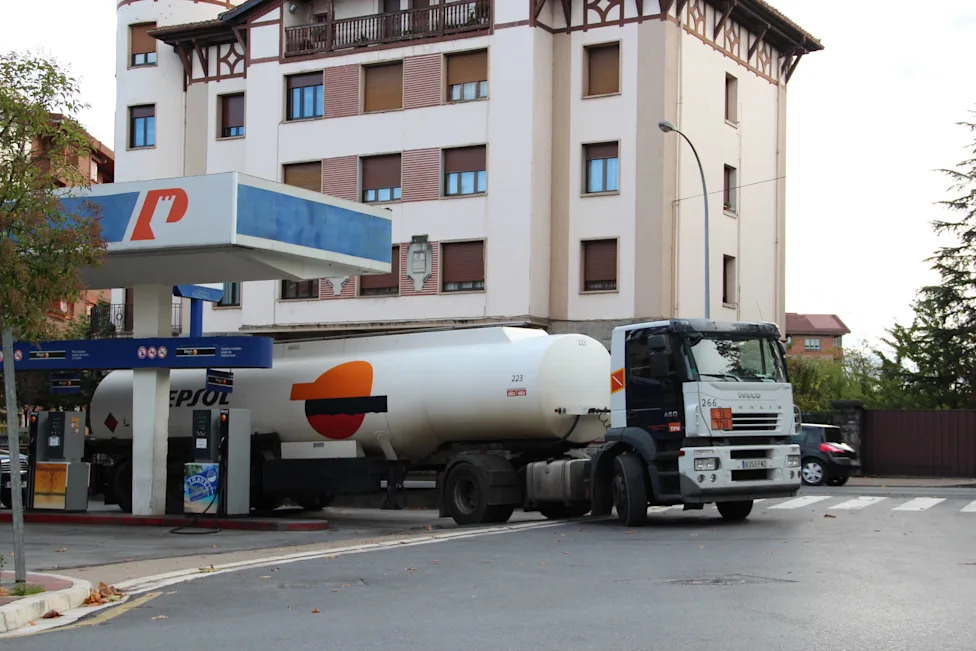
Just as horses gave way to horsepower, engines are now giving way to electric motors, all in the name of efficiency and a more sustainable environment. But Toyota Motor Europe, along with BMW Group, Bosch, and oil giant Repsol, are hard at work trying to breathe life back into the ICE, which is currently on life support.The initiative centers around Repsol's breakthrough 100% renewable gasoline, Nexa 95, a RED-compliant fuel made from renewable feedstocks that's fully compatible with today's gasoline engines and fuel stations. Starting early July, a fleet of 20 Toyota and BMW cars, pulled from their existing model ranges rather than a separate lineup, will run on Nexa 95 for six months. The trial is based in Spain, chosen because Repsol is currently the only supplier putting 100% renewable gasoline into public pumps there, giving the pilot the infrastructure it needs to actually work at scale. This carbon-neutral fuel will power the pilot project, assessing its real-world benefits, risks, efficiency, and performance. Meanwhile, Bosch's advanced digital fuel-tracking technology will play a supporting role in providing real-time data across multiple data points, including vehicle data, fuel stations, and fuel card transactions.A Real-World Test for Renewable Gasoline The main objective of this excercise is to identify whether renewable fuels like Nexa 95 can be the fuel of the future. Since 100% renewable fuel is still in its early days, it's hard for Toyota and BMW to assess failure points, reliability concerns, performance, and other issues without actual world data. For Repsol, this data could be crucial as well, it may help determine whether the fuel is scalable, and whether the formulation itself can be improved or tweaked further. Meanwhile, Bosch's system will collect and validate refuelling data from multiple sources, ensuring robust, transparent tracking of renewable fuel usage.AdvertisementAdvertisementBut this isn't just an engineering exercise; it's political too. The pilot is designed to generate real data that can feed directly into ongoing EU discussions about decarbonising the automotive sector. With European policy currently leaning almost entirely on electrification, this project is essentially a bid to prove that renewable fuels deserve a seat at the table, a complementary, scalable piece of the puzzle rather than an afterthought. Findings from the pilot will be shared with EU policymakers, industry stakeholders, and the media, feeding into the broader conversation around technology neutrality and whether VEEF (Vehicles running on Exclusively on Eligible Fuels) could eventually be written into future regulatory frameworks. If the test is successful and Repsol achieves large-scale production, it could solve the gas affordability debate.It's also not uncommon to see automotive juggernauts join forces. Toyota and BMW have been partners since 2011, and together have worked on technologies such as hydrogen fuel cells, lithium-ion battery cells, and highly-efficient diesel engines, among others. This is the next step in combining their strengths and decades of development experience. This time in the search of what could fuel the next generation of engines.This story was originally published by Men's Journal on Jul 17, 2026, where it first appeared in the Gear section. Add Men's Journal as a Preferred Source by clicking here.



















 +57 others