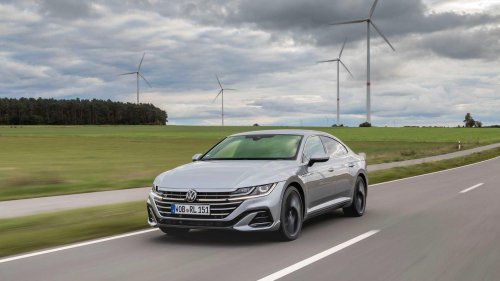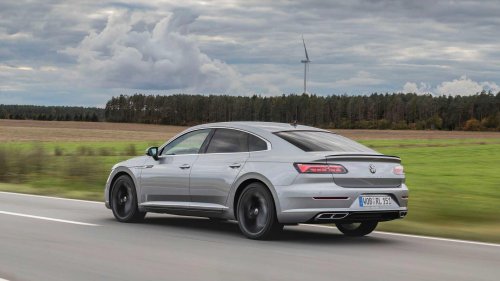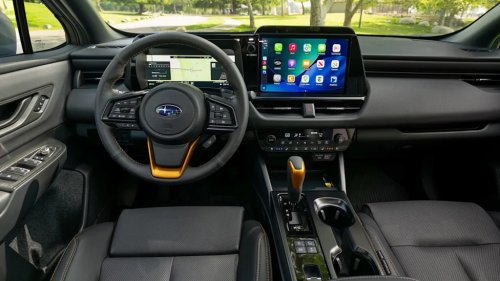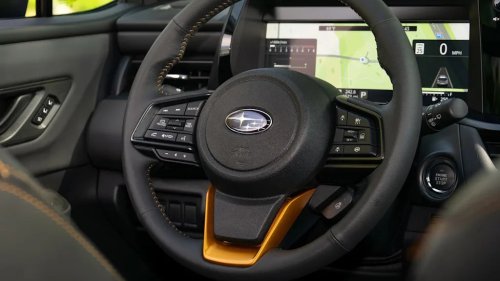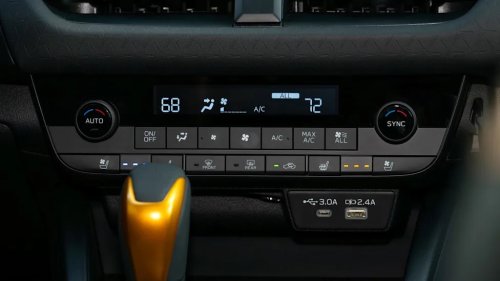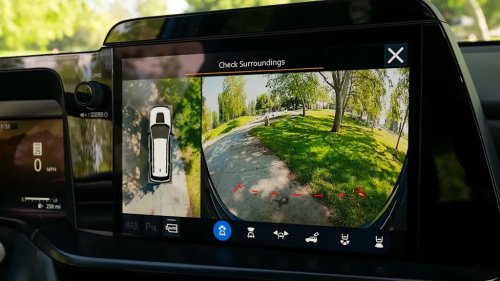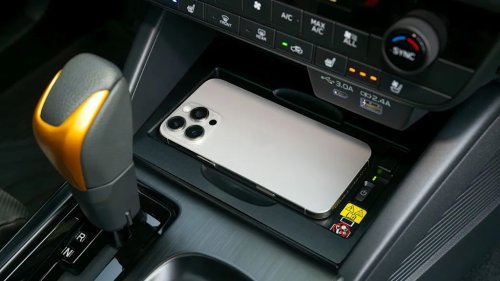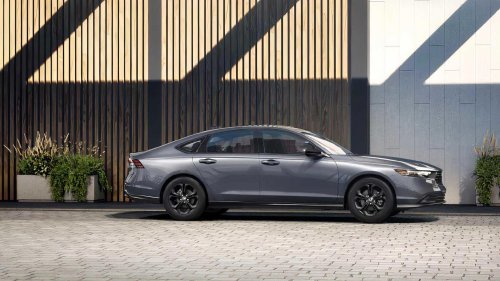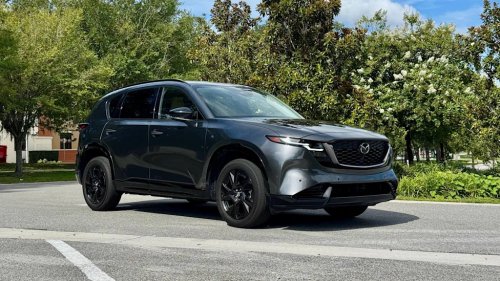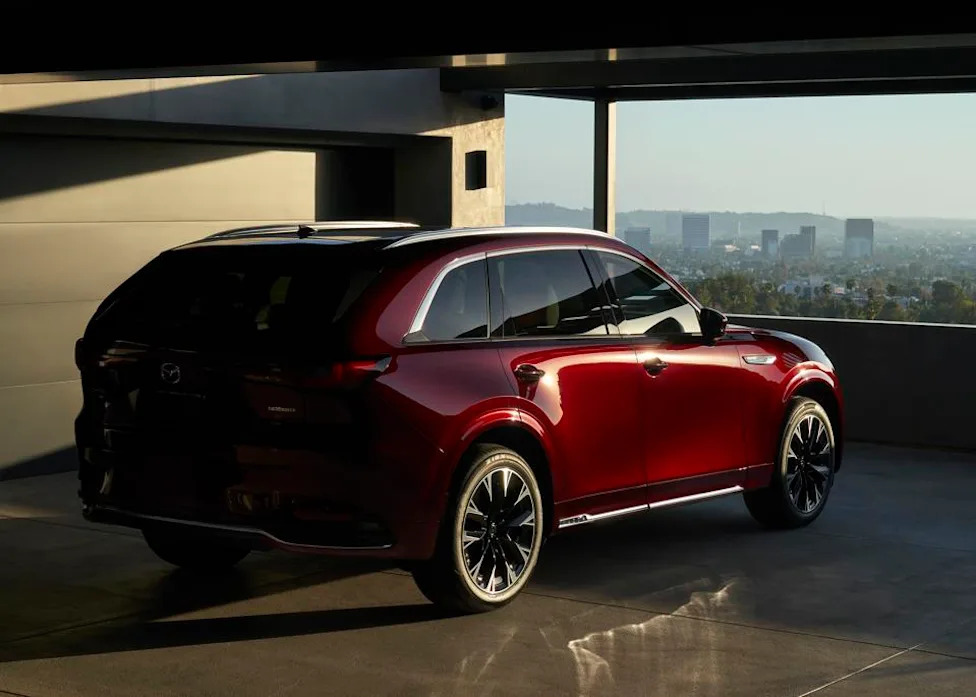



















The 2026 Mazda CX-90, a full-size crossover with appointments once reserved for prestigious badges at triple the price.©2026 MazdaConsumers shopping for a new luxury vehicle traditionally sought prestigious badges. Their logic assumed that certain nameplates, along with higher prices, promised a more premium experience. But according to a recent study, that reasoning is increasingly under pressure as a new generation of car buyers recalibrate what "premium" really means.Earlier this year, Mazda North American Operations (MNAO) commissioned Burson Insights, Data & Intelligence to conduct a survey of 1,000 U.S. vehicle owners who purchased a vehicle within the past five years. The results suggest that today's shoppers aren't following badge brand cachet. Instead, 81% of those surveyed say the driving experience itself—including comfort, performance, and intuitive technology—is what really distinguishes a vehicle; only 19% point to the badge on the hood.The shift is significant, one that has been building for years. Features and amenities that were once reserved only for the most expensive vehicles are now commonplace on vehicles targeting mainstream buyers.AdvertisementAdvertisementA few decades ago, power windows, power door locks, and electric side mirror adjustments were hallmarks of upscale American and European vehicles, but today they are now near universal. The same can be said about premium audio systems, digital instrument panels, and automatic climate control. And cruise control was once an optional, comfort-oriented luxury. Now, adaptive cruise control—using government-required advanced driver assistance technology—is a common feature.Premium badges signaled more than added features and amenities; they indicated a more advanced powertrain with stronger, more efficient engines, an interior with upscale upholstery and high-grade trim, and exclusive paint finishes—rich metallics reserved for a select group of expensive automobiles. For decades, the automotive luxury market was defined by a familiar formula: a prestigious badge, a higher price, and the assumption that one naturally follows the other.Today, luxury is no longer characterized by an enameled badge on the hood. Automotive shoppers now find full power accessories on entry-level models, turbocharged engines across the lineup, and quilted Nappa leather on vehicles targeting families—not tycoons. The shift reveals a change in buyer priorities. Shoppers are less interested in signaling status and more focused on real benefits.When asked what matters most, respondents prioritized practicality (40%), value paired with quality (36%), and a three-way tie between technology, driving enjoyment, and performance (30% each). Prestige hardly registered, with just 7% associating "more" with status or social recognition. In other words, buyers are concerned about how a car fits into daily life, how it feels on the road, how it integrates seamlessly with their phone, and its safety features.AdvertisementAdvertisement"Drivers are shifting their focus to what genuinely improves their time on the road," said Jennifer Morrison, Director of Vehicle Safety Strategy at MNAO. "Comfort, safety, and features that support real life are winning out over labels—and people increasingly recognize they don't need to pay luxury prices for an exceptional vehicle."Of those surveyed, 76% say the premium markup isn't worth it, and 83% believe buying a mainstream brand with a premium feel is the smarter luxury choice—many define "premium" as those with features that support how they actually live. And even if granted a hypothetical $75,000 cash windfall, shopper trends remain unchanged. While a large portion would invest the funds in retirement savings (67%), paying down debt (65%), and emergency funds (64%), a significant 61% would still invest in a new vehicle—and most would choose a vehicle that fits their lifestyle, not a high-end luxury car.For automakers like Mazda, the implications are meaningful. With the competitive landscape being redefined—execution is more important to shoppers than badging—brands that deliver design, ride quality, cabin appointments, technology, and safety will capture the greatest audience. And Mazda's positioning within this conversation is notable. Long seen as a brand that punches above its weight in driving dynamics and interior refinement, it has embraced a "human-centric" philosophy closely aligned with the survey's findings.As the definition of luxury becomes more fluid, the gap between mainstream and premium offerings has narrowed. The modern premium buyer, it seems, is less interested in what a car says about them—and more concerned with what it does for them.This article was originally published on Forbes.com