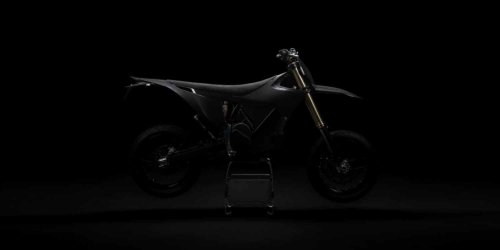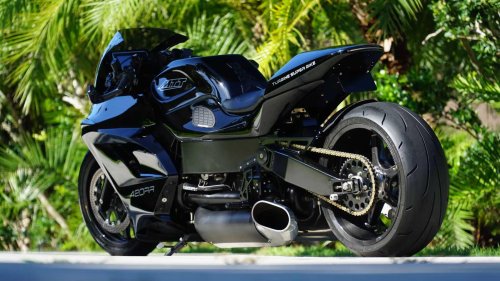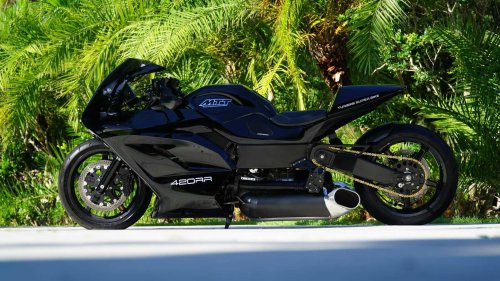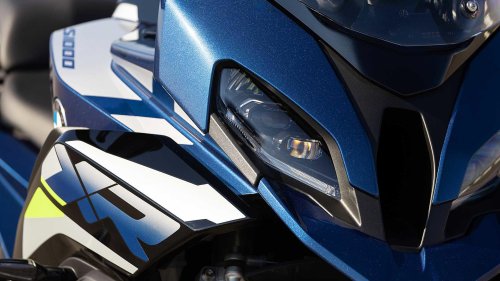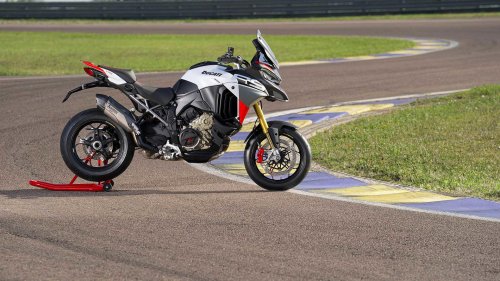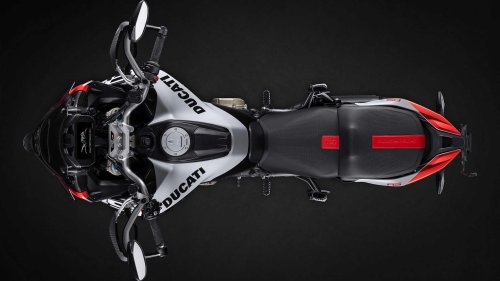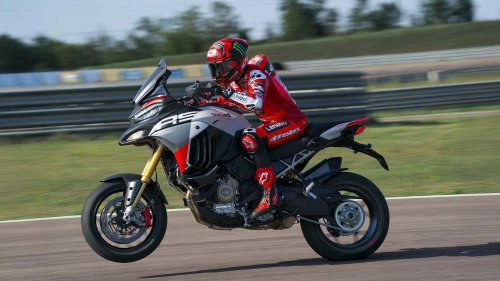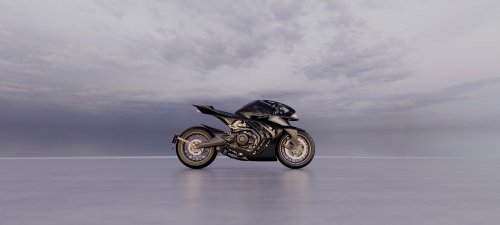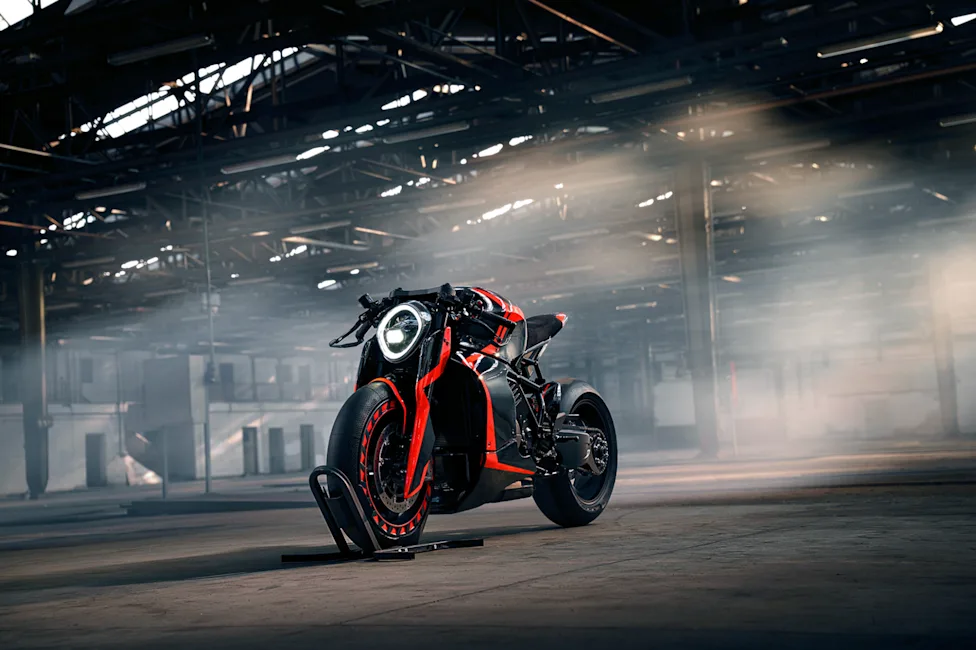
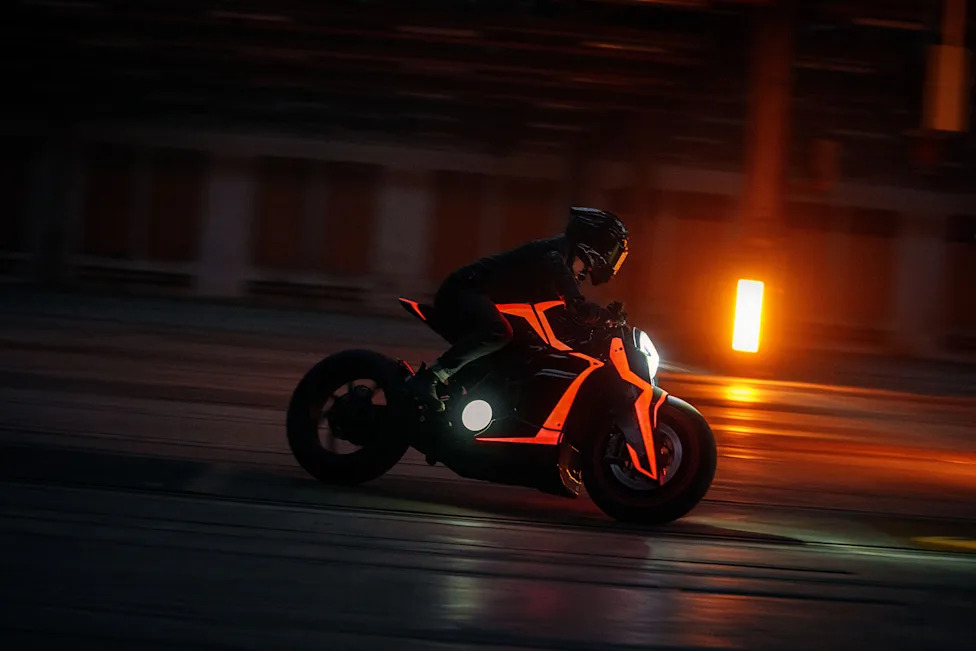



















Diamond Atelier's DA#22 Ultron Is a 205-HP Hyperbike With a Titanium Exhaust That Was Grown, Not WeldedDiamond Atelier has spent more than a decade in Munich cutting BMW boxers down to their essence and putting them back together with a very different attitude. Build number 22 breaks that pattern. It's called Ultron, and instead of another one-off restomod, the shop is positioning it as the opening chapter of its own in-house "Hyperbike" line, described in its own materials as the starting point for an ultra-limited series.From One-Off Customs to a House BrandThat's a meaningful shift for a shop that built its name on individual commissions. Diamond Atelier's build sheet runs from a stripped BMW R80 all the way through a Ducati Monster 1200R and a run of R nineT-based machines, most of them sold to individual collectors as singular pieces. Ultron is different by design: it's meant to spawn siblings, not stand alone. That mirrors a shift happening in the ultra-low-volume car world too, where boutique manufacturers increasingly launch a platform rather than a single unrepeatable object, the same logic behind Gordon Murray's approach to low-volume hypercar production.The Numbers, and Why 205 HP Sounds FamiliarDiamond Atelier quotes Ultron's platform at 205 HP-plus from what it calls a V-twin performance platform, without naming the donor engine outright. That figure is worth pausing on: 205 horsepower is the exact factory rating Ducati gave its Superquadro 1299cc V-twin, an engine family the shop already had experience with under its own Monster 1200R build a few years earlier. Diamond Atelier hasn't confirmed that lineage for Ultron, but the number lines up too well to be a coincidence.Bodywork That Took More Than 1,000 Hours, and a Tread Pattern That Isn't RealThe aluminum bodywork is hand-formed rather than stamped, a process the shop says ran past 1,000 hours. That kind of labor bill is why boutique builders like this one operate on commission rather than sticker price, the same economics that make a hand-built restomod truck cost more than a showroom original.AdvertisementAdvertisementOne detail on the bodywork is purely cosmetic, and it's worth calling out precisely because it isn't functional: Diamond Atelier took the tread pattern off the tire and recessed it directly into the aluminum panels flanking the wheel. It doesn't do anything for grip or cooling. It's a graphic move, carrying a functional racing texture into the styling so the panel reads as an extension of the tire rather than bodywork bolted on next to it.An Exhaust That Was Grown, Not Bent or WeldedThe header and system are additively manufactured in titanium: 3D printed, not cut, bent, or hand-welded from tubing the way almost every aftermarket exhaust on the market still is. Metal additive manufacturing lets an engineer draw an exhaust's internal geometry as a single organic shape rather than a series of mandrel-bent sections joined by welds, which is how you get packaging that follows the bike's frame instead of working around it. It also explains why two of the credited technical partners on this build, Aconity3D and 4Jet, build metal 3D-printing systems and laser-based surface processing equipment rather than motorcycle parts themselves. Titanium AM parts at this scale are still expensive and slow to produce compared with a welded stainless system, which is part of why full 3D-printed exhausts stay confined to racing programs and projects exactly like this one.Suspension Borrowed From the World Superbike PaddockDamping duties go to Wilbers, the German suspension house, which built Ultron a front end derived from its TYPR46RR componentry, hardware developed for World Superbike competition, paired with a rear shock tuned specifically around Ultron's chassis. Bringing WSBK-proven damping technology onto a street bike isn't just a specification for the brochure; it changes how the bike behaves at the limit compared with an off-the-shelf cartridge fork, at the cost of a suspension package that will need a specialist, not a neighborhood shop, when it eventually needs a rebuild. It's the same reason race-proven technology keeps trickling down into whatever wins on Sunday at the club and pro level.A Cockpit That Hides Its Own DisplayUp top, Diamond Atelier fitted what it calls an integrated cockpit system: analog racing-style switchgear paired with a display tucked under glass rather than mounted as an exposed TFT screen. Every current sportbike on the market is racing toward bigger, brighter dashboards; Ultron does the opposite, treating the display as something to be discovered rather than stared at. It's a small decision, but it says a lot about the build's priorities, a machine designed to be looked at first and operated second.How You Actually Buy OneThere's no price list and no configurator. Diamond Atelier's only call to action on the Ultron page is to send an inquiry directly to the shop. That's standard practice for genuinely limited coachbuilt machines, and it mirrors how other bespoke commission businesses handle six- and seven-figure one-offs, right down to restoration houses that will rebuild an existing car from the ground up rather than sell a new one off a lot. Anyone seriously chasing an Ultron should budget not just for the bike itself but for what owning a hand-built, additively manufactured, WSBK-adjacent machine actually costs to live with: a titanium exhaust and a bespoke suspension package aren't things a local dealer can source over the counter, and replacement parts will likely mean going back to Munich.AdvertisementAdvertisementWhether Ultron actually becomes the first of many or the only one ever built depends entirely on what Diamond Atelier does next. But the pitch is clear: after more than twenty builds spent reinterpreting other people's motorcycles, the shop is now building the platform it wants other people to want.