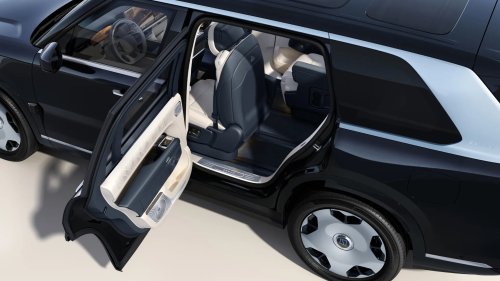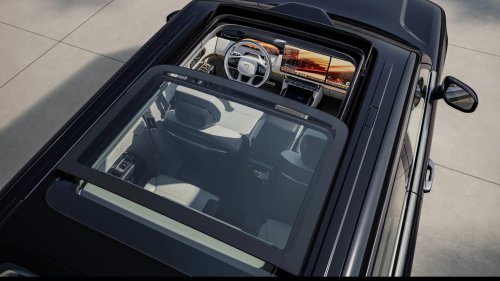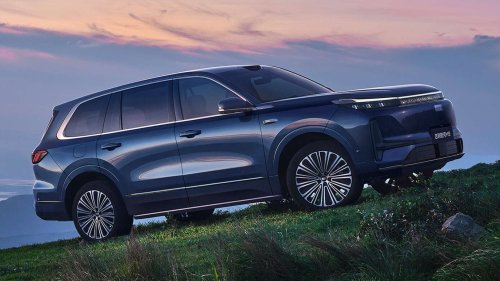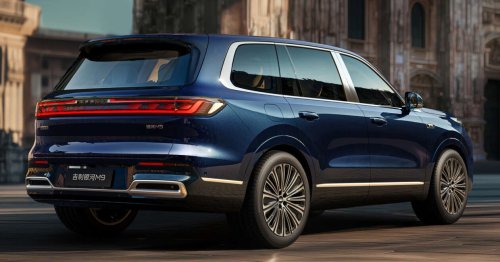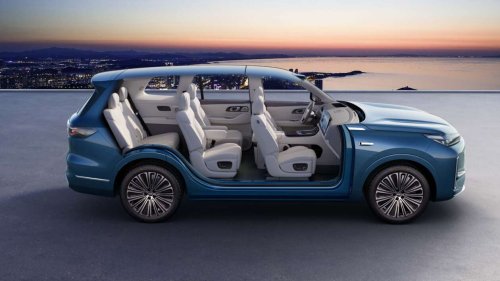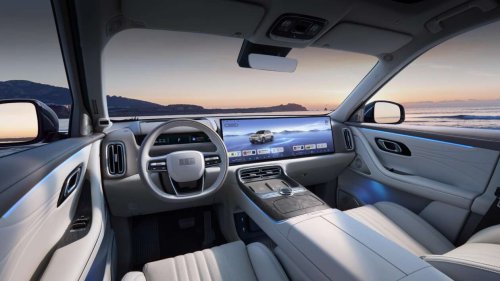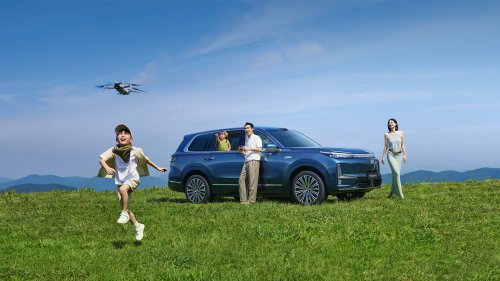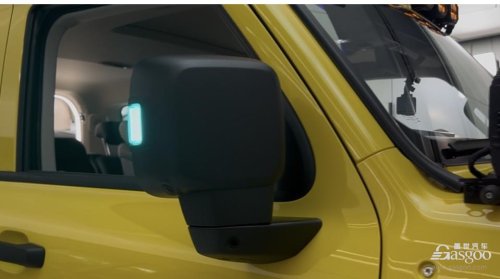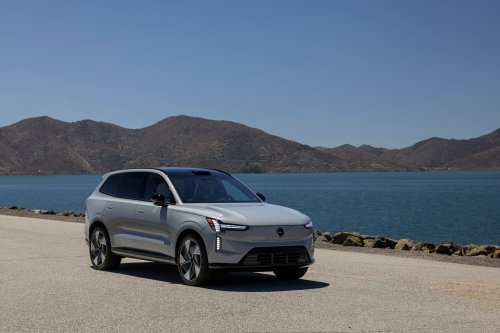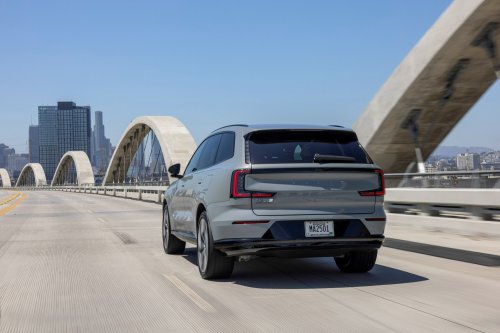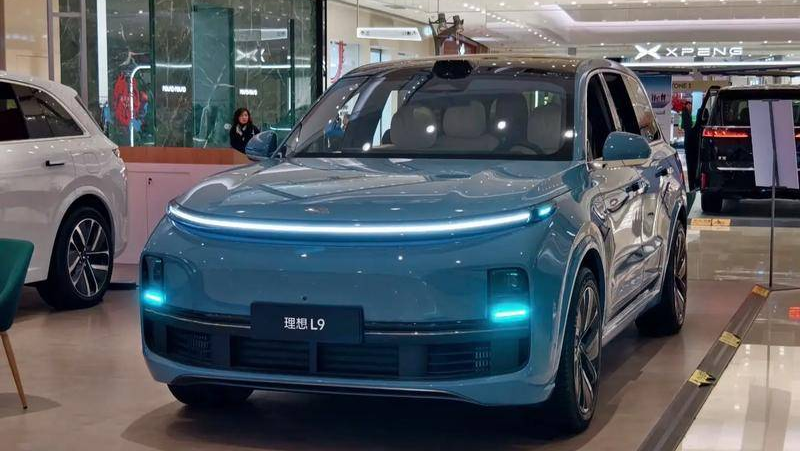
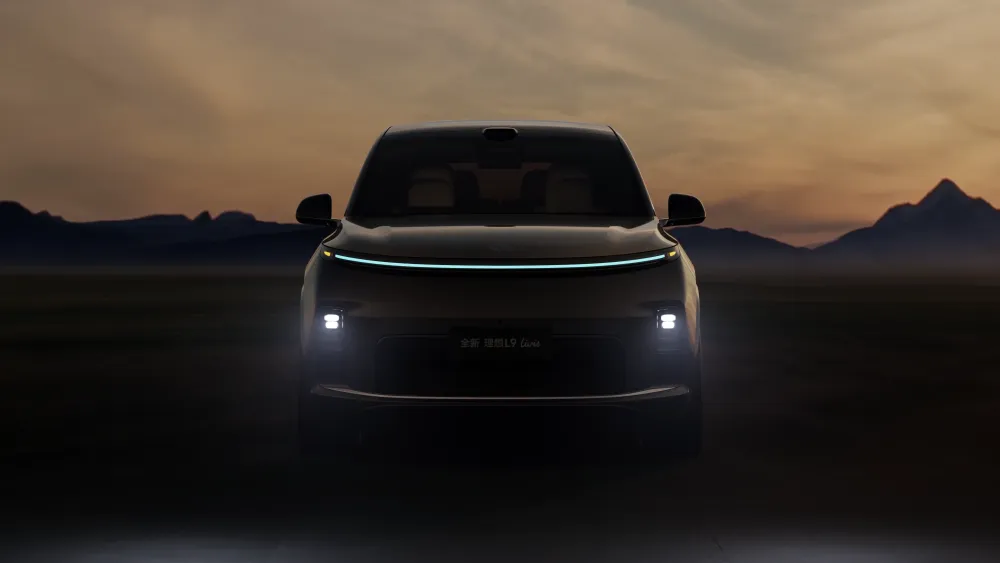



















Small Blue Lights on a Li Auto L9. Credit: Sohu Understand China EV’s Market Real-time notifications when critical EV data is released All important data in one place 2,000,000+ data points Become a member The era of the “Little Blue Light” – the blue indicator lamps used to signal the activation of advanced driver assistance systems (ADAS) – is coming to an end in China. According to multiple industry reports and sources, the Ministry of Industry and Information Technology (MIIT) will strictly enforce the GB4785 national standard on vehicle lighting, effectively banning the installation of these lights on passenger vehicles. Starting with next month’s new vehicle regulatory filings, any passenger car equipped with “Little Blue Lights” will be barred from applying for product announcements. The National Automotive Standardisation Committee is expected to issue supplementary requirements for the GB4785 standard to further clarify these restrictions. A regulatory conflictThe current mandatory national standard, GB4785-2019, specifies that external vehicle lighting is limited to four colours: white, red, yellow, and amber. Blue and green are not permitted. Because the “Little Blue Lights” fall outside these authorised colours, they have existed in a regulatory “grey area” since their introduction. The trend began in August 2022 with the launch of the Li Auto L9, which featured five blue indicators. The practice was quickly adopted by other major players, including Aito, Xpeng, Nio, and BYD. In the 2026 Li Auto L9, the company had even integrated these lights into the vehicle’s “Star Ring” light strip, which switches to blue when auxiliary driving is engaged. 2026 Li Auto L9’s “Little Blue Light” design. Safety and public opinionThe ban reflects a growing debate over the utility and safety of these indicators: Opponents argue that blue lights can be distracting to other drivers and pedestrians at night or can be mistaken for turn signals, creating safety hazards. Some also worry that drivers use the light as a “liability shield,” relying too heavily on the system without proper supervision. Supporters maintain that the lights provide a critical signal to other road users that a vehicle is operating under autonomous assistance, which is particularly important as the technology matures. Industry responseAutomakers are now scrambling to adjust. Geely responded to Yicai, stating they are aware of the news and will strictly follow national regulations. Industry insiders quoted by NBD suggest that for vehicles already sold, the MIIT is currently studying appropriate handling measures. For future models, some experts believe manufacturers may use Over-the-Air (OTA) updates to change the light colours or disable the function to ensure compliance. Editor’s comment While a 2021 draft proposal once suggested requiring blue-green lights for L3 autonomous vehicles and above, that provision was not included in the national standard finalised in 2025. Starting with the Li Auto L9 in 2022, various L2 models began adopting the “Little Blue Light” design, as such, this design indeed fails to comply even with the original drafted national standards. It is unclear why the regulators did not move to ban this design sooner. Most important news in your inbox. Recaps · scheduled All you need, in one email. Instant alerts · real-time Ping me when an article goes live. 0 of 27 topics selected Bundle into one email per day — instead of one email per article No spam · Unsubscribe with one click · Change settings anytime