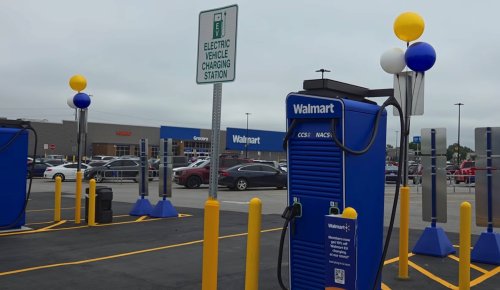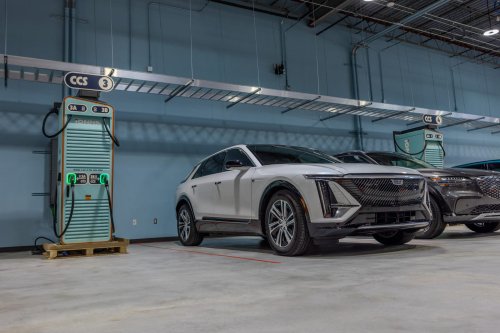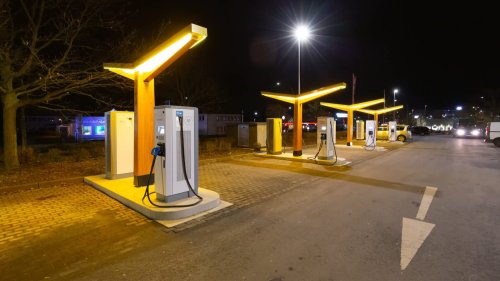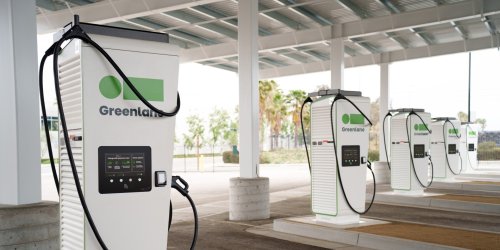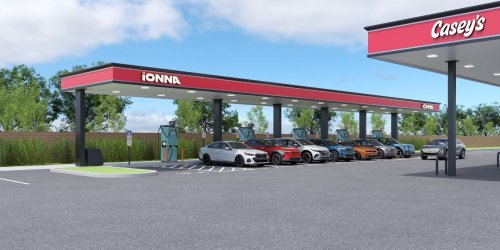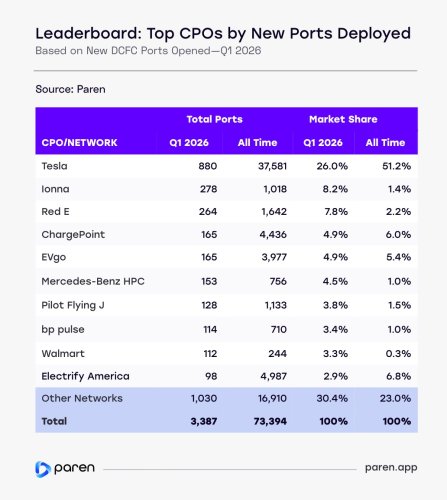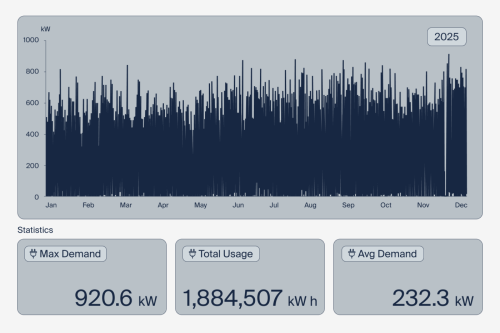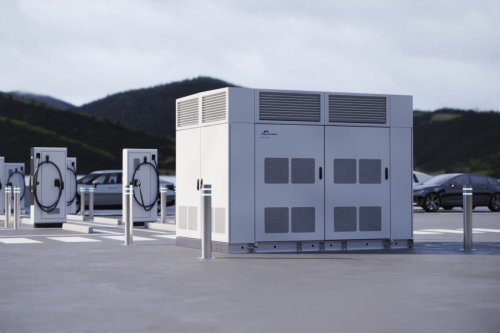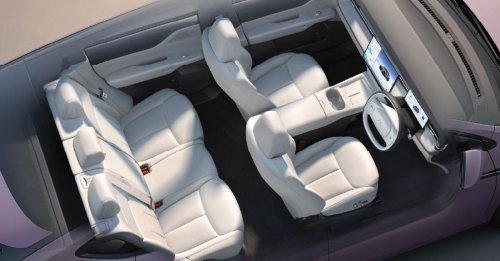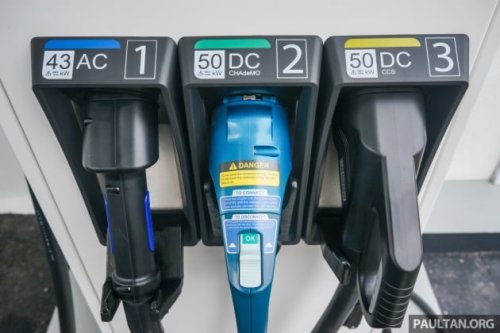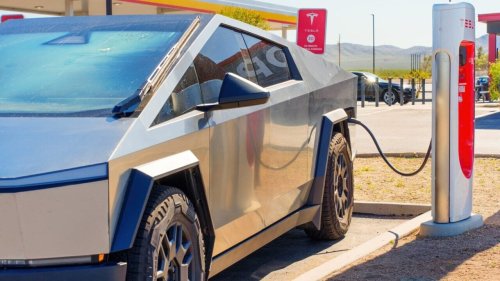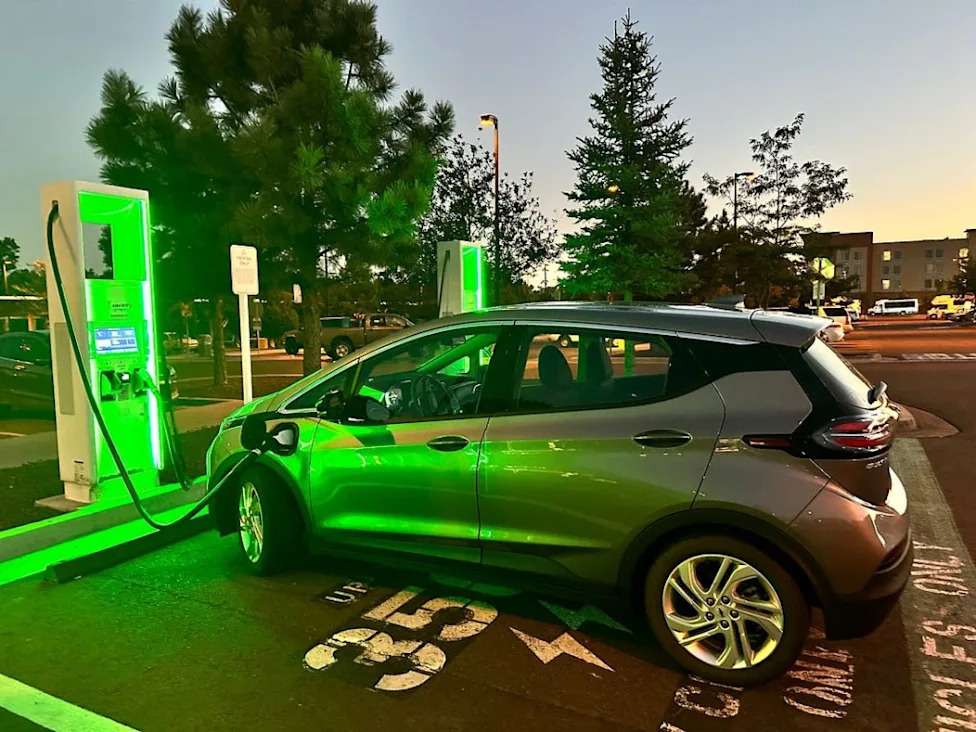


















My Bolt trip took a lot of planning. (Photo/Mark Trahant)A couple of years ago I rented a Chevy Bolt to drive to a speaking engagement in Tuba City. I wanted to gauge the difficulty of driving an EV across tribal lands. The range of the vehicle I had was effectively about 150 or 160 miles.The short answer is that the trip was do-able but complicated. I had to be careful and plan around a full charge. I had to turn around at one point and return to Flagstaff because my fuel gauge was dropping too fast. (My surprise was the number of hotels that allow you to charge up for free if you stayed overnight.)We are going to need a lot more EV infrastructure in tribal communities. Every day it looks more and more like the Iran war is only an indicator about the cost of fossil fuels going forward and we may see a day when folks recall the days of $5 a gallon.AdvertisementAdvertisementOutside magazine has an excellent piece written by Dr. Len Necefer examining the infrastructure question by driving an “intentionally ridiculous” set up of 2024 Cybertruck that could feed a 2013 Fiat 500e (55 miles of range) across the Navajo Nation.“I have relatives who live without running water or electricity—not as a historical anecdote, as a daily fact. So when I see a National Electric Vehicle Infrastructure map with I-40 lit up like a runway and the lines dimming at the reservation boundary, I don’t need anyone to explain the pattern. “At a later date,” in infrastructure parlance, can also mean never.”And along the way, Dr. Necefer shows innovation.“What I keep coming back to is the gap between the formal systems, planning documents that nod to tribal inclusion, and the informal labor from local people who keep the real network alive out of necessity. The hotel manager in Tuba City understood where the lines went and why. He also did the work in front of him. The line between those two worlds is not theoretical. It is the gap into which time and money and confidence leak.AdvertisementAdvertisementElectric Nation closes that gap by refusing to reproduce it. The chargers aren’t placed by a state DOT working from a highway model. They’re placed by tribes, for tribes. And the EVs deployed for tribal use aren’t demonstration vehicles sitting in a fleet lot. They’re working. It answers the question that kid in Chinle was too young to articulate but old enough to feel: does the future include us, or does it just pass through?”Who can best answer that question? The Trump presidency champions fossil fuel above all others. The war against Iran may make that an impossible task and get people thinking faster about what it will take to adapt to a new energy framework.The post Charging the Rez appeared first on Native News Online.