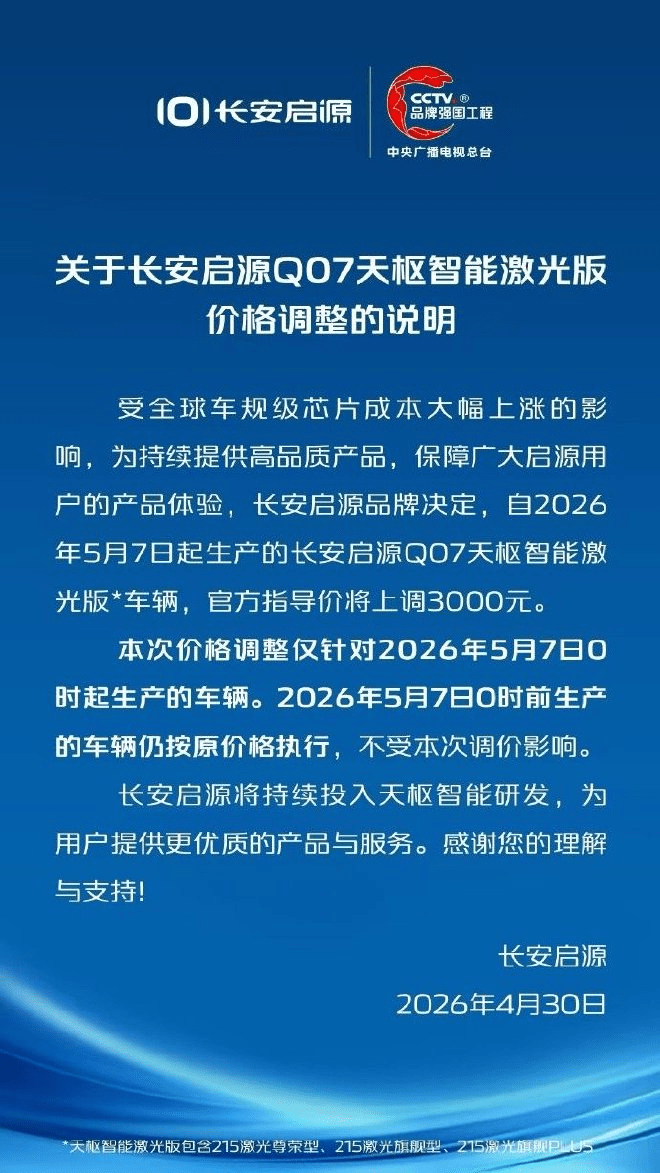
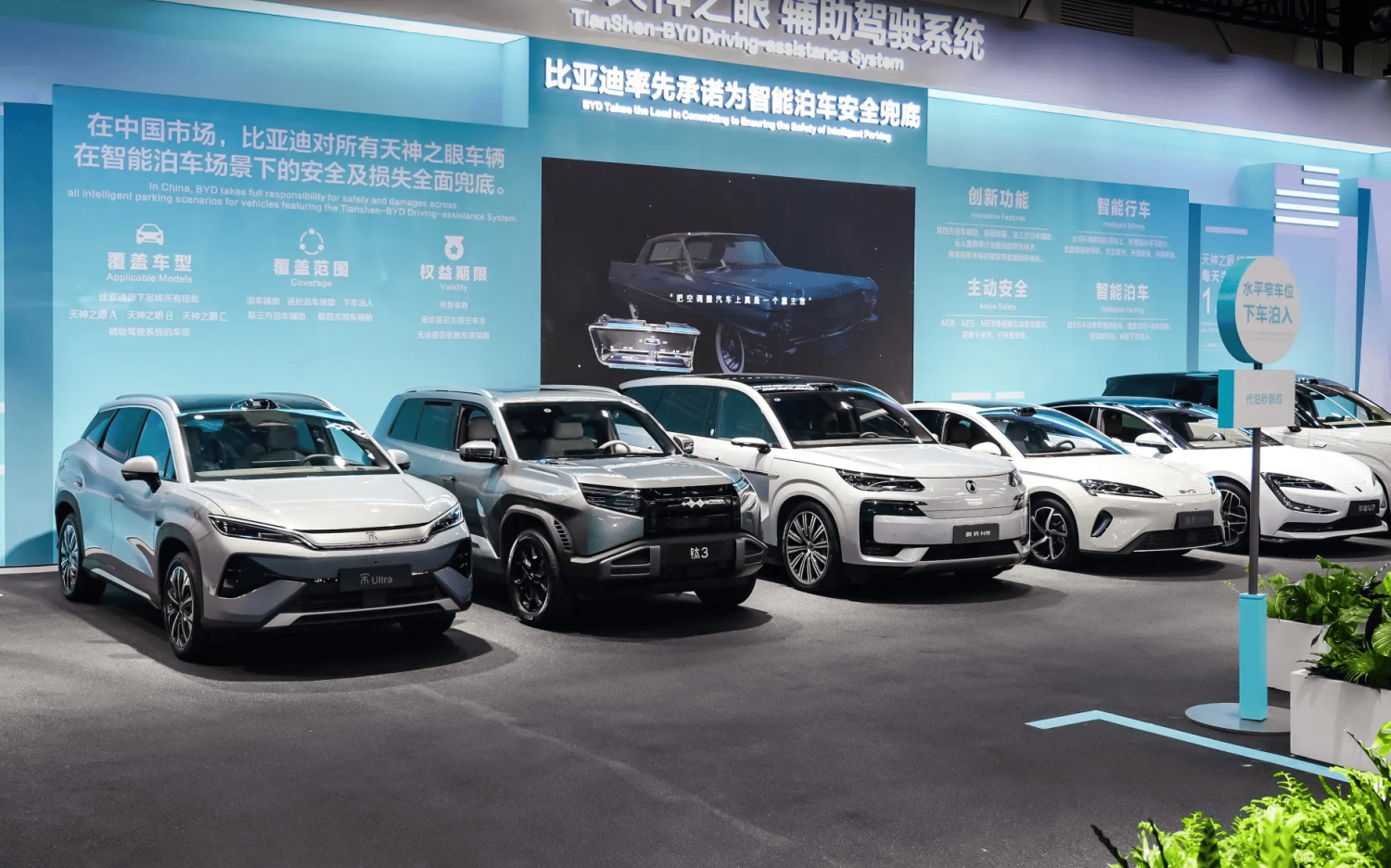
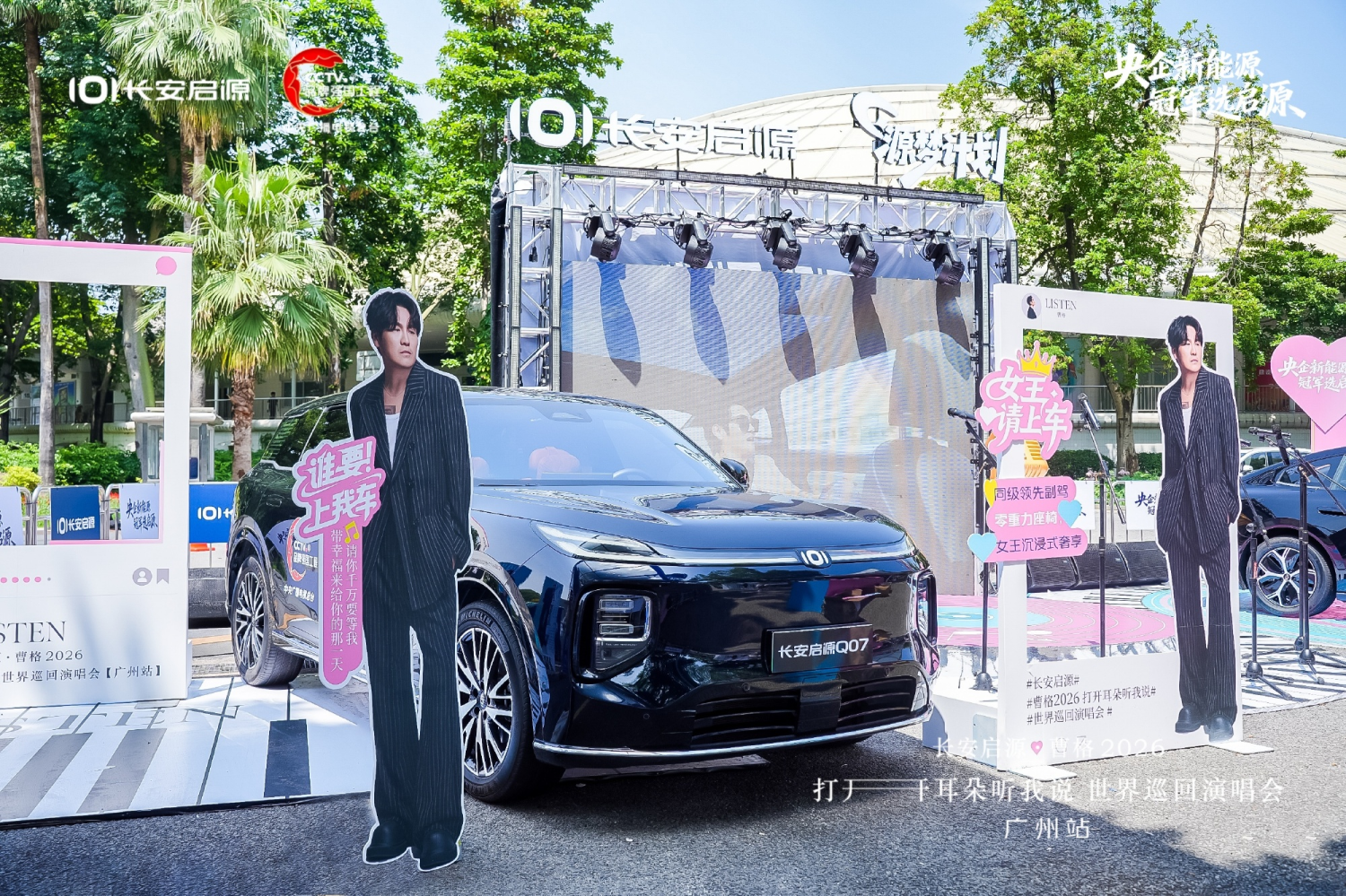
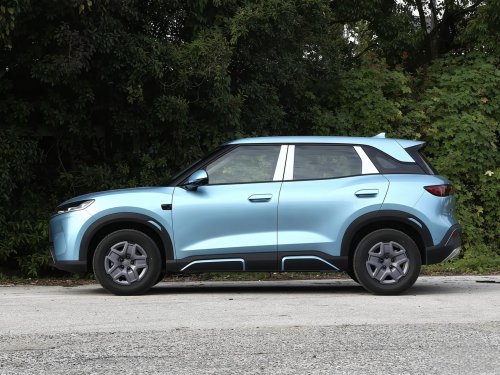
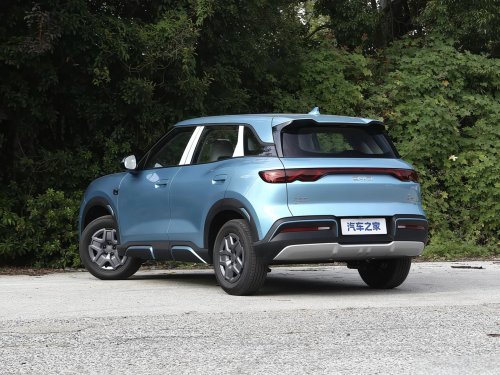
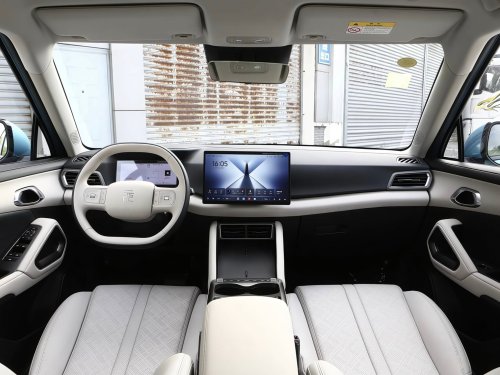
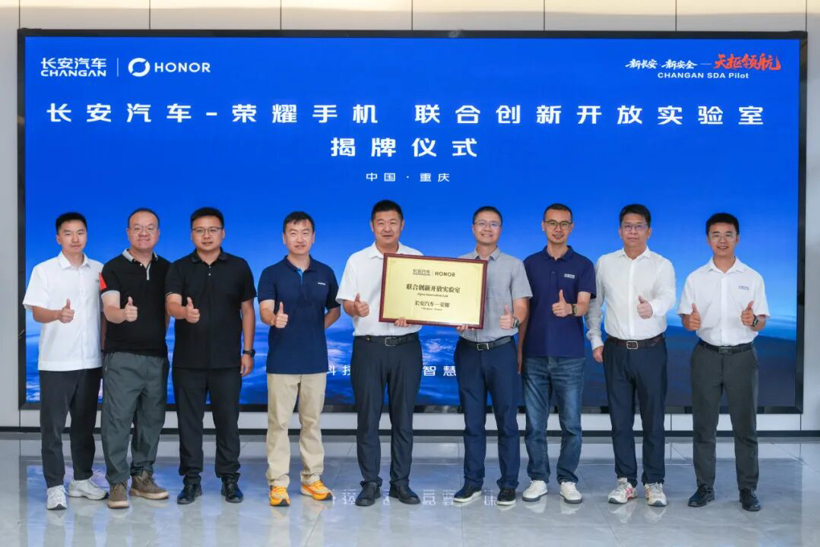
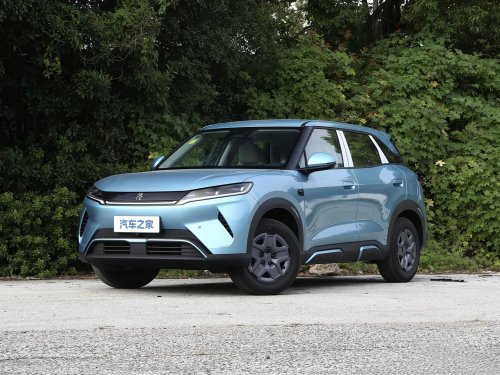
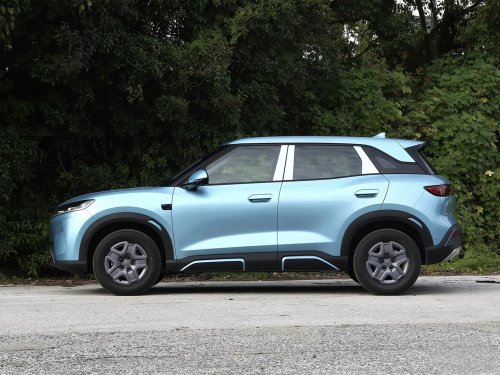
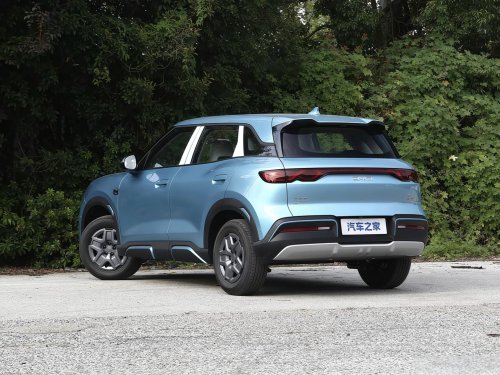
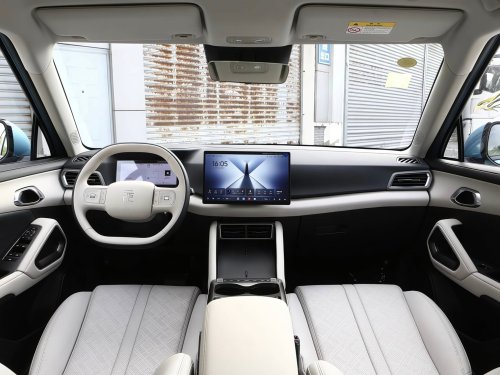
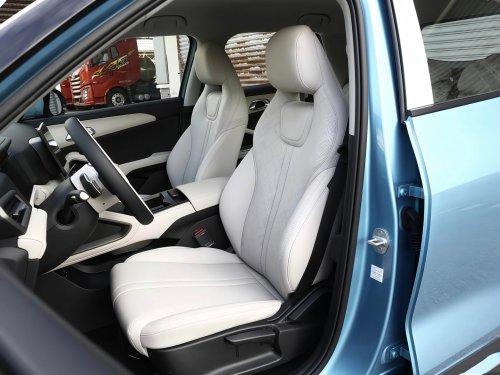
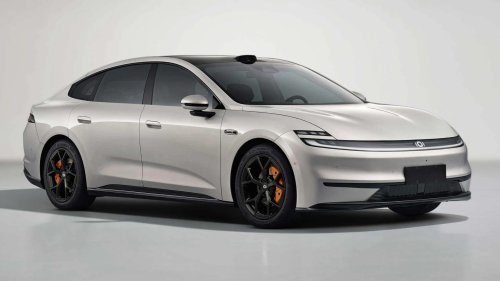
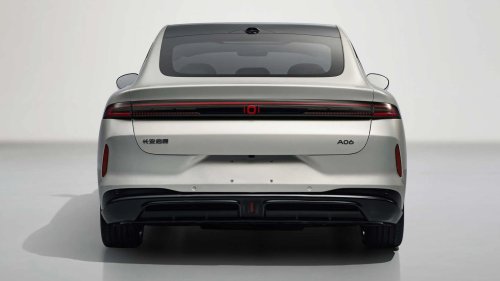
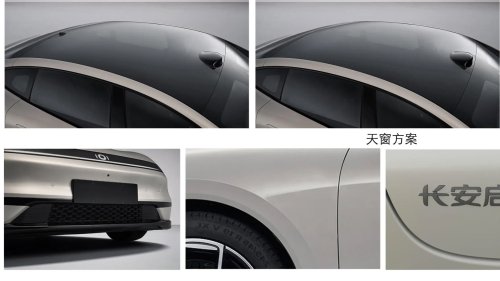
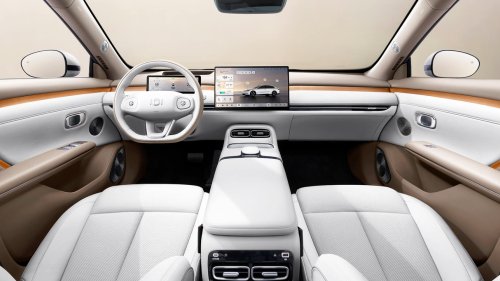
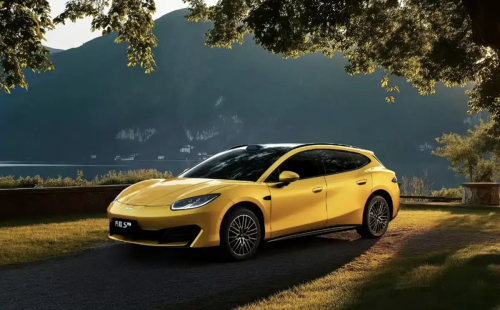
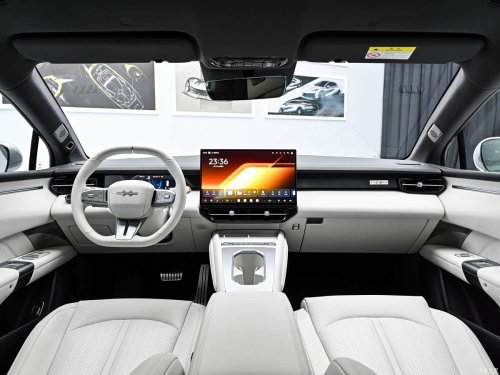
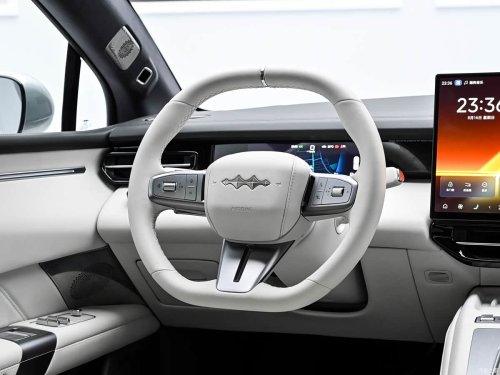
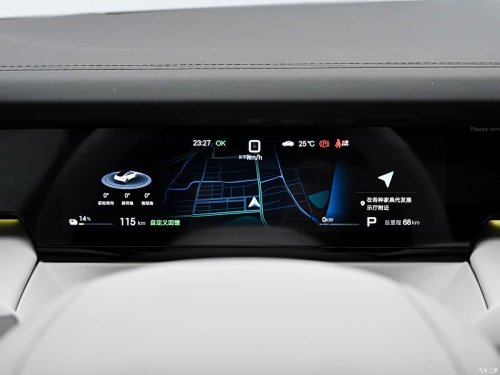
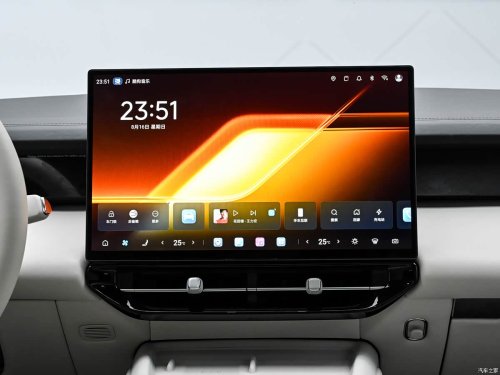
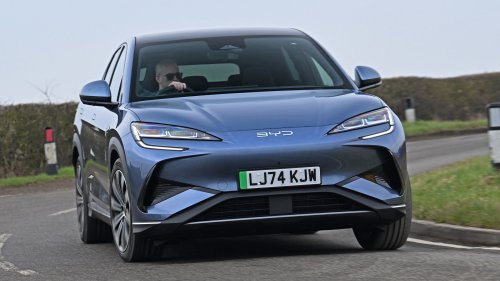
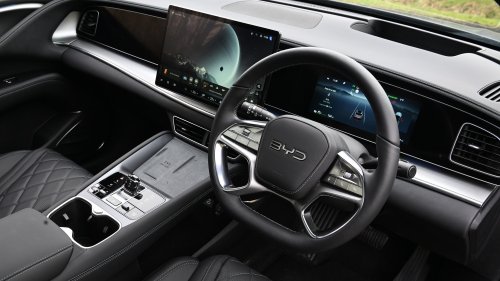
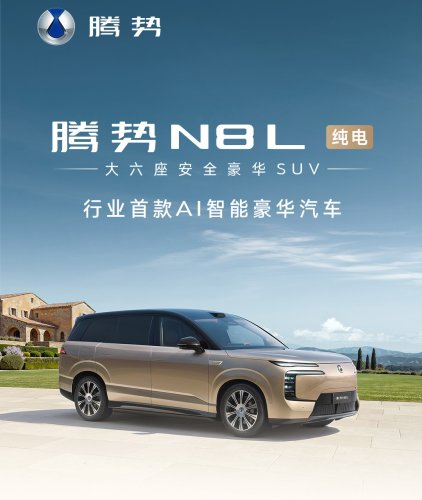
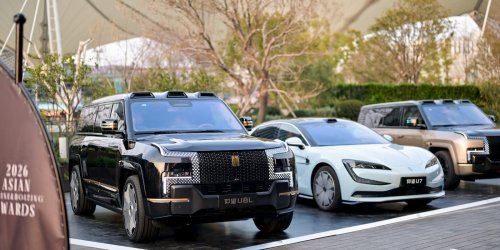
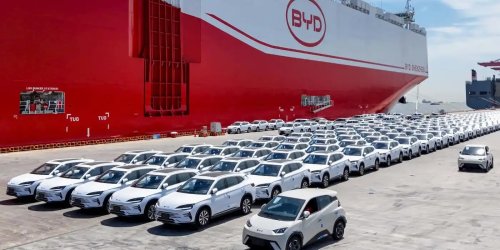
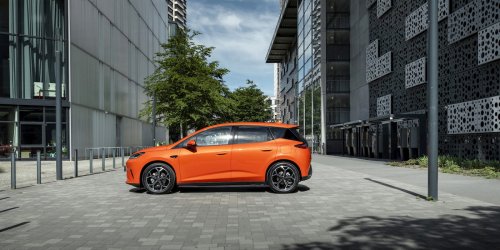
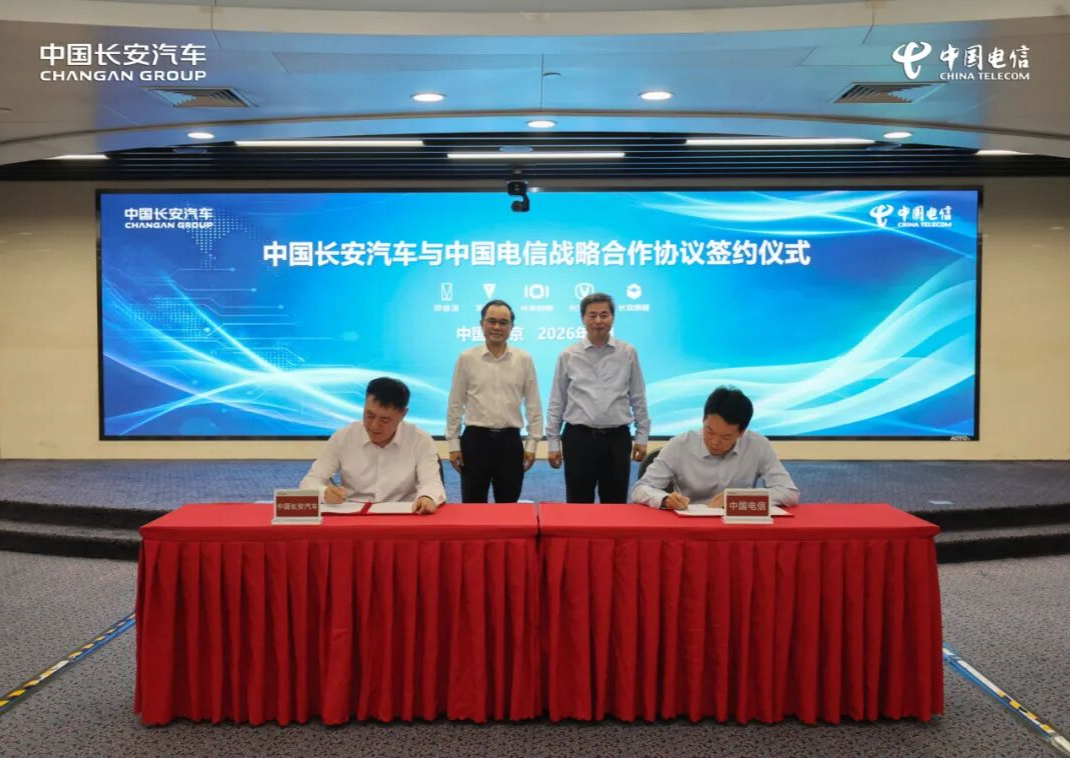
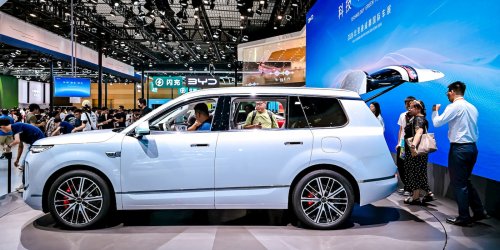
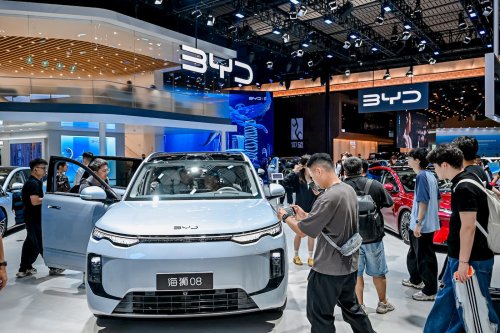
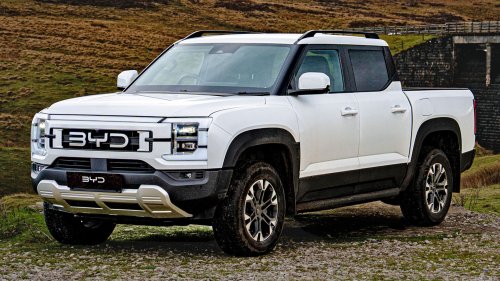
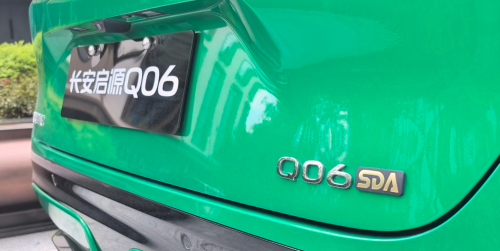
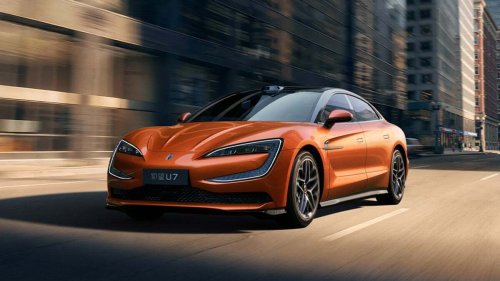
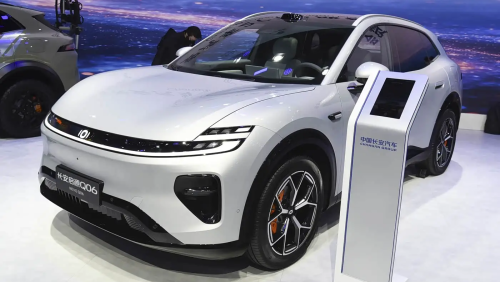
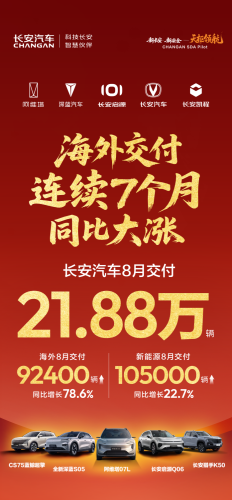
On April 30, Changan Automobile’s Nevo brand announced a pricing adjustment via official channels. The company said that due to a sharp rise in global automotive-grade chip costs, the Nevo Q07 Tianshu Intelligent LiDAR Edition, a mid-size new energy SUV, will see its official price increased by RMB 3,000 ($435) starting May 7. The scope of the adjustment is clearly defined: vehicles already produced before May 7 will continue to be sold at the original price. Nevo announced a pricing adjustment In the short term, this may stimulate showroom traffic during the Labor Day holiday period. Just two days earlier, BYD issued a similar announcement. The price of its optional “God’s Eye B” assisted driving LiDAR package for select Dynasty, Ocean, and Fangchengbao models will rise from RMB 9,900 ($1,445) to RMB 12,000 ($1,752), an increase of RMB 2,100 ($306), effective May 1. BYD also attributed the adjustment to supply chain pressures, citing a sharp increase in global storage hardware costs. BYD’s LiDAR-equipped models (“God’s Eye B”) In fact, since the beginning of this year, more than 15 NEV makers have announced price increases or reductions in terminal discounts, with adjustments typically ranging from RMB 2,000 ($290) to RMB 10,000 ($1,462). Brands including NIO, Zeekr, and XPeng have also indicated that new models in the second quarter will see price increases of RMB 5,000 ($731) to RMB 10,000 ($1,462). A notable feature of this round of adjustments is its concentration on “LiDAR editions.” Whether it is the Nevo Q07 Tianshu Intelligent LiDAR Edition or BYD’s LiDAR-equipped configurations, these upgrades are essentially part of advanced intelligent driving solutions. Compared with traditional models, such systems rely more heavily on computing power and memory. LiDAR point cloud data requires real-time processing, while on-board large models demand higher bandwidth and larger DRAM capacity. Changan Nevo Q07 Over the past year, automotive-grade memory chip prices have risen significantly, with some configurations increasing from $30 to $80, representing a surge of more than 160%. Cost pressures are not limited to chips. Battery costs have also fluctuated, with per-kWh costs rising by more than RMB 500 ($73). Coupled with ongoing global supply chain uncertainties, automakers’ internal cost buffers are being compressed. Policy changes are also indirectly affecting pricing structures. The shift in NEV purchase tax policy from full exemption to a reduced rate does not directly increase manufacturing costs but raises consumers’ effective purchase expenses, further narrowing pricing flexibility. Over the past two years, China’s NEV market has been dominated by price cuts and aggressive competition. Now, with regulators reinforcing anti-overcapacity measures, rising cost pressures, and more rational pricing strategies, the market is expected to move toward more orderly competition.