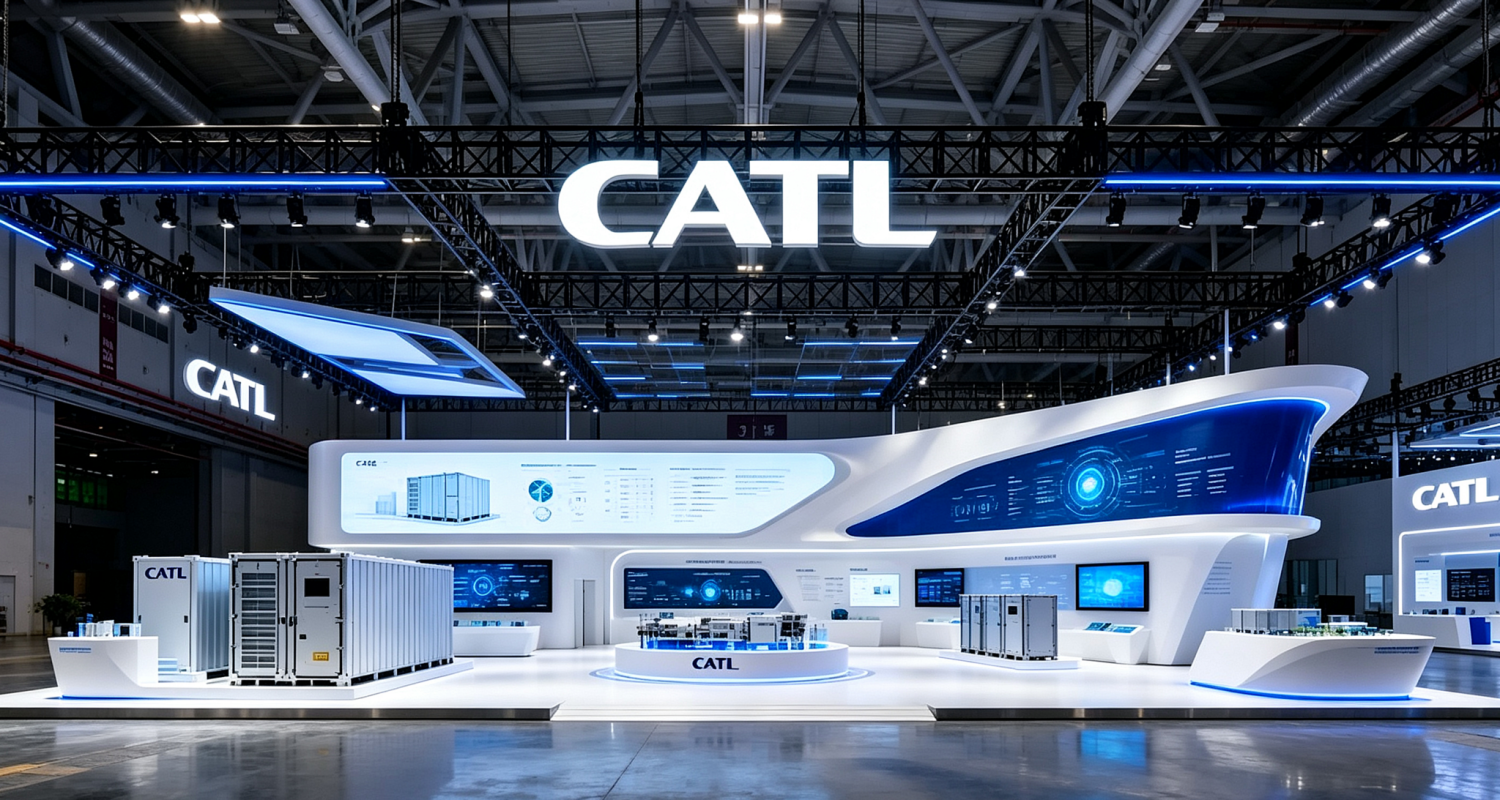
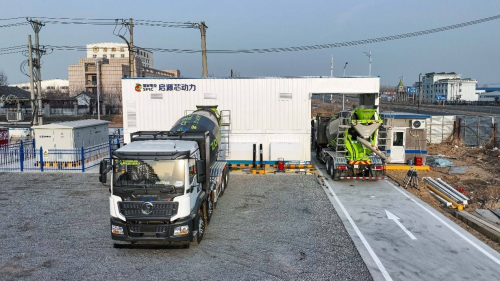
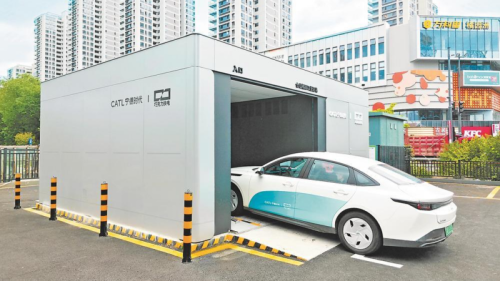
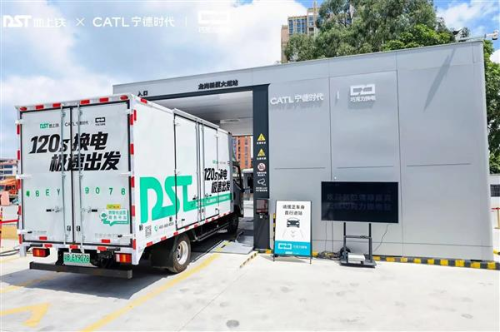
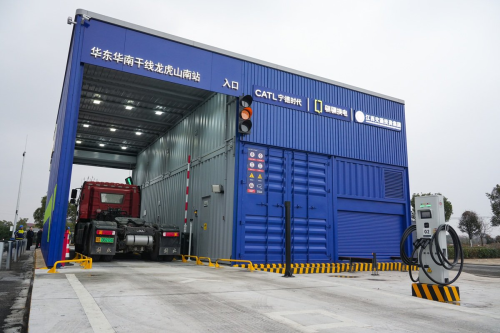
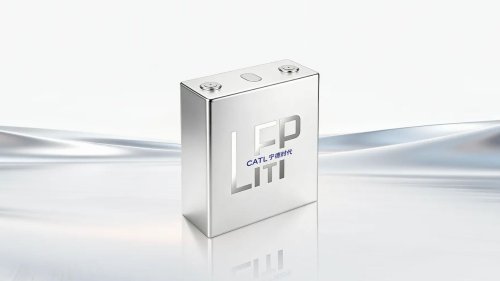
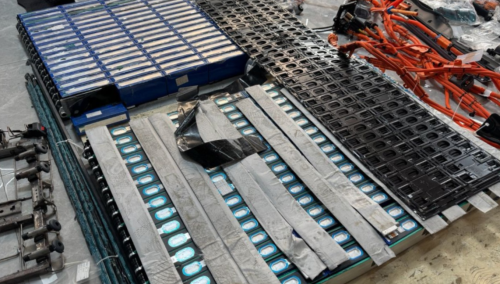
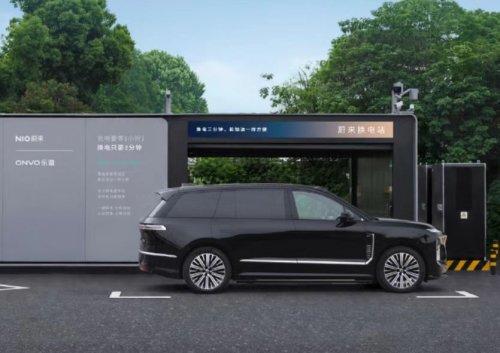
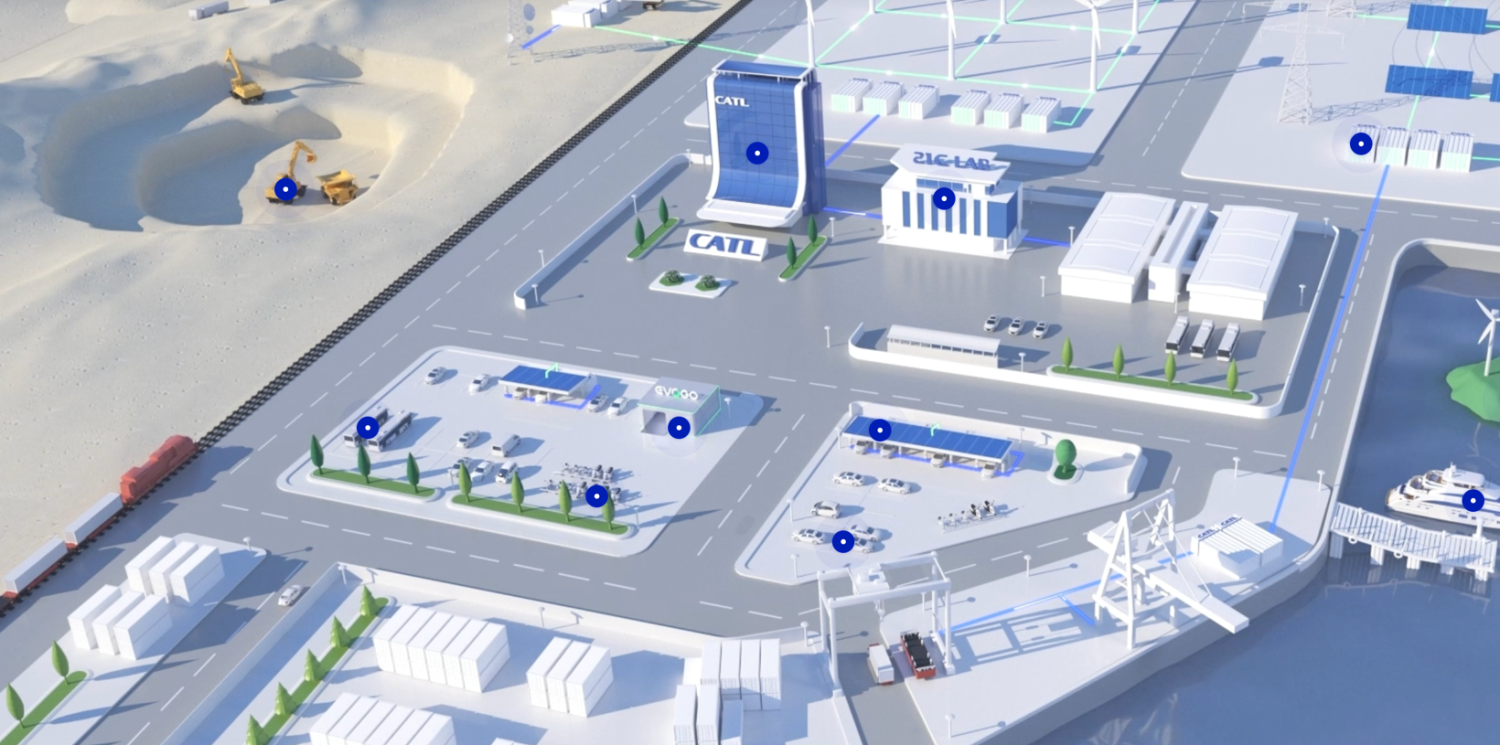
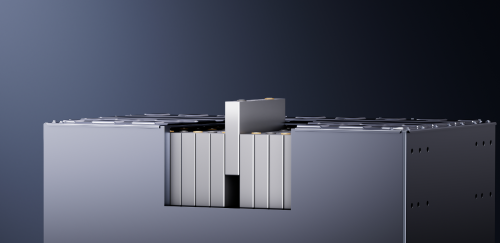
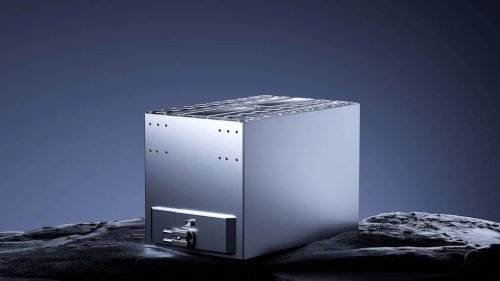
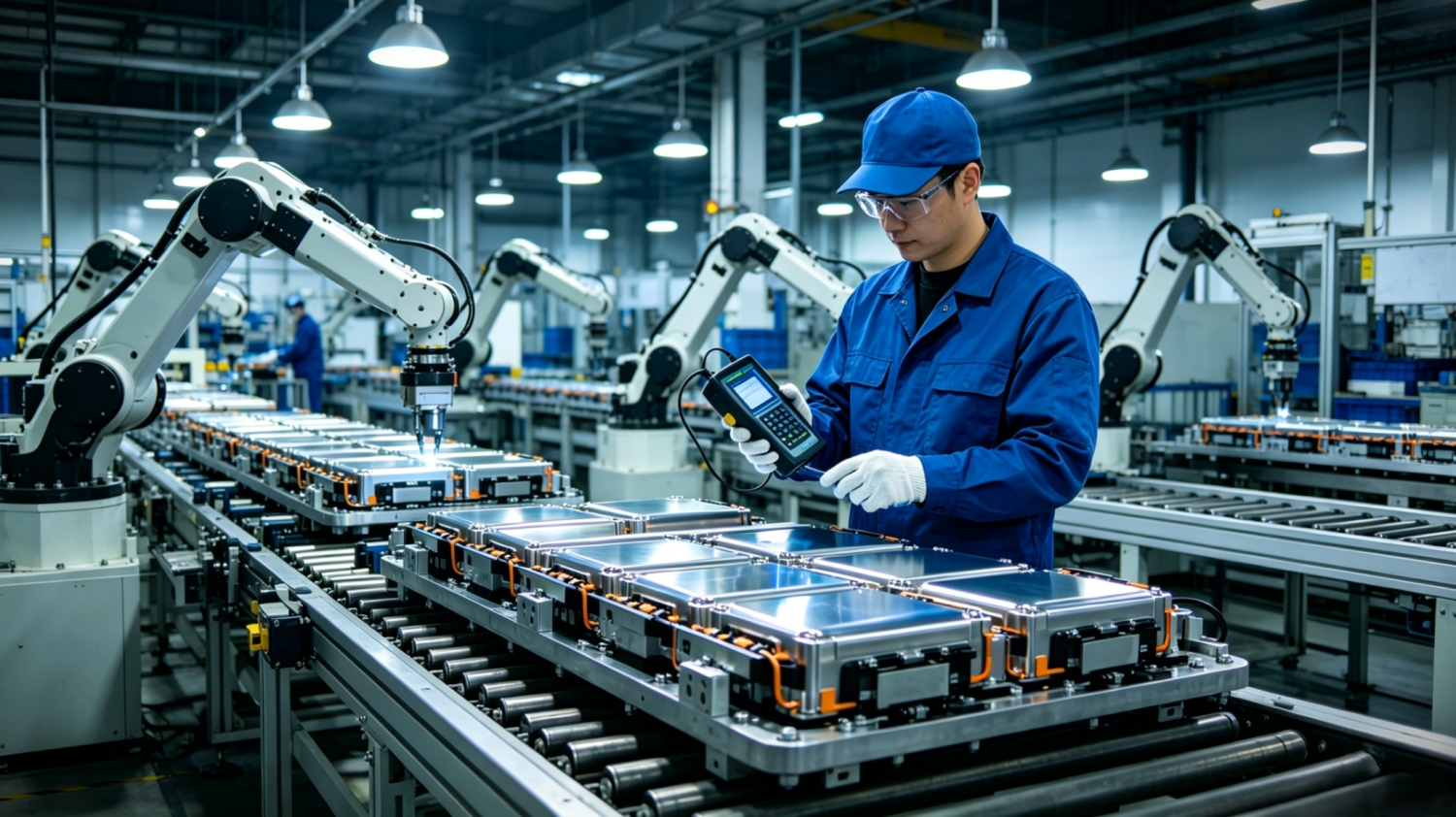
CATL targets 15,000-cycle durability for commercial sodium-ion battery systems. Image rendered by CNC Understand China EV’s Market Real-time notifications when critical EV data is released All important data in one place 2,000,000+ data points Become a member China’s sodium-ion battery industry is increasingly positioning itself as a direct solution to one of lithium’s biggest operational weaknesses: performance collapse in extreme cold. In northern industrial hubs like Xinjiang, where winter temperatures routinely drop below -25°C, conventional lithium-iron phosphate (LFP) batteries face severe operational limitations. Charging times double, while usable capacity shrinks by as much as 40%. For high-frequency logistics fleets, heavy mining operations, grid storage, and battery-swapping networks, these winter bottlenecks represent massive financial and operational losses. New details disclosed during an industrial research event organised by the Ministry of Industry and Information Technology (MIIT) News Centre, as reported by Securities Times, show how Chinese battery giants are aggressively targeting these limitations through structural pack redesigns, staggering chemistry lifetimes, and localised raw material supply chains. The briefing builds directly on our recent coverage detailing CATL’s planned September commercial delivery of its first sodium-ion energy storage systems. CATL standardises lithium and sodium packs One of the most notable engineering disclosures at the event involves CATL’s brand-new “One Shell, Two Cells“ platform architecture. Developed by CATL’s domestic energy storage team under CTO Lin Jiubiao, the design utilises a standardised physical battery enclosure that can accommodate either lithium-ion or sodium-ion cells interchangeably within the exact same dimensional footprint. Why this matters for EVs and swapping: For automakers, infrastructure operators, and heavy-duty logistics teams, this platform eliminates the need to re-engineer vehicle chassis, thermal management systems, or physical casing dimensions when switching chemistries. This means massive battery-swapping operations, such as Nio’s swap network or CATL’s own EVOGO ecosystem, can seamlessly load low-cost, winter-proof sodium packs into vehicles operating in sub-zero northern provinces, while utilising high-range lithium packs in warmer southern regions, all using identical physical station infrastructure. CATL said the platform enables the exchange of sodium-ion and lithium-ion systems within the same footprint, simplifying integration across storage and mobility applications. This design complements our previous reporting on CATL’s automotive sodium-ion platform strategy, in which Chief Scientist Wu Kai confirmed that manufacturing bottlenecks have been resolved and noted that future iterations of these cells “aim to achieve a single-charge cruising range of 600 km, positioning the chemistry as a direct competitor to entry-level lithium iron phosphate configurations.” 15,000-cycle milestone reached across the supply chain The MIIT briefing highlighted the emergence of a staggering 15,000-cycle durability benchmark, clearing the path for 20-year operating lifetimes. As we reported during CATL’s Tech Day in April, the battery giant has already invested nearly 10 billion yuan (1.5 billion USD) in overcoming hard-carbon manufacturing bottlenecks, such as moisture and gas control. The recent disclosures mark the next phase of that deployment timeline: translating those cell-level manufacturing fixes into an infrastructure-ready 15,000-cycle performance standard. Crucially, the raw materials supply chain is hitting the exact same durability standards: Cathode Advancements: Supplier Ronbay Technology reported that its polyanion-type sodium iron phosphate (NFPP) materials have also cleared 15,000 charge-discharge cycles, all while boosting electrode compaction density to 2.5 g/cm³. Capacity Scaling: Ronbay currently runs 6,000 tons of polyanion cathode capacity, with clear blueprints to scale to 28,000 tons by the end of 2026, targeting an ultimate capacity footprint of 300,000 tons by 2027. For fleet logistics and large swap networks, cycle life dictates long-term asset amortisation. Reaching a uniform 15,000-cycle threshold across cell builders and material suppliers signals that sodium is moving out of the laboratory and into large-scale commercial deployments. This durability framework underpins the massive three-year, 60 GWh sodium-ion energy storage strategic agreement signed between CATL and HyperStrong last month. Bypassing coconut shells for localised coal anodes To shield the scaling sodium market from raw-material bottlenecks, Chinese suppliers are overhauling their anode sourcing. Traditional hard-carbon anodes have relied heavily on natural biomass feedstocks like coconut shells, which are highly susceptible to international shipping bottlenecks, inconsistent organic quality, and sudden price swings. Wanhua Chemical revealed it is actively shifting the market toward mass-produced synthetic alternatives: Anode Material TypeTarget ApplicationCore Strategic AdvantageResin-Based Synthetic Hard CarbonHigh-end mobility & high-frequency swappingExtreme structural consistency & performance deliveryCoal-Based Synthetic Hard CarbonLarge-scale stationary power gridsUltra-low raw material costs & massive localized abundance Wanhua explicitly expects mass-production scale to drive synthetic hard-carbon costs down to 35,000–40,000 yuan (5,200–5,900 USD) per ton within 2026, with a long-term roadmap targeting a floor below 25,000 yuan (3,700 USD) per ton. This shift completely insulates the battery supply chain from overseas raw material imports. CATL consolidates domestic dominance The massive push into sodium-ion infrastructure comes as CATL flexes its muscles in the standard lithium market. Data from China EV DataTracker shows that CATL installed 29.06 GWh of batteries in Chinese vehicles during April 2026 alone, marking a 37.1% year-on-year surge and securing a commanding 46.6% share of the total domestic market. While lithium chemistries continue to command the overwhelming majority of volume today, the industrial and architectural pieces falling into place this week prove that China does not view sodium as a lesser substitute for lithium. Instead, the ”One Shell, Two Cells” blueprint establishes a parallel ecosystem, allowing sodium to conquer sub-zero climates and high-frequency infrastructure networks where lithium simply cannot keep up.



















 +26 others