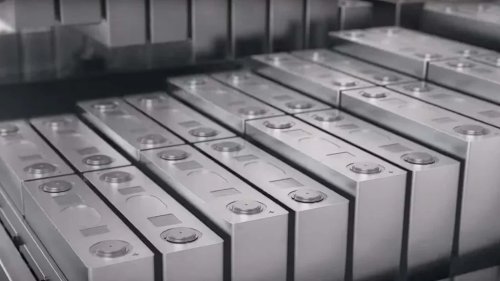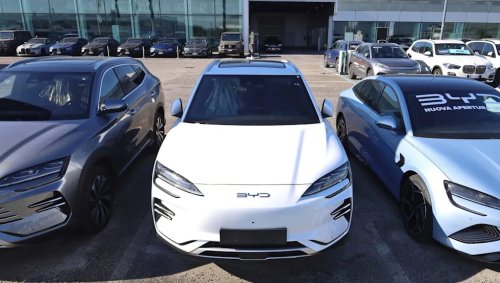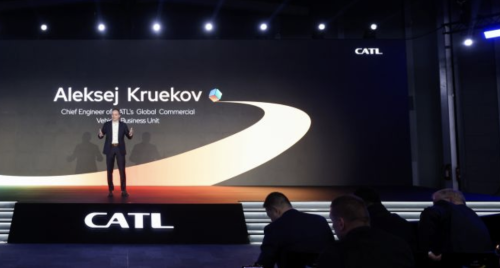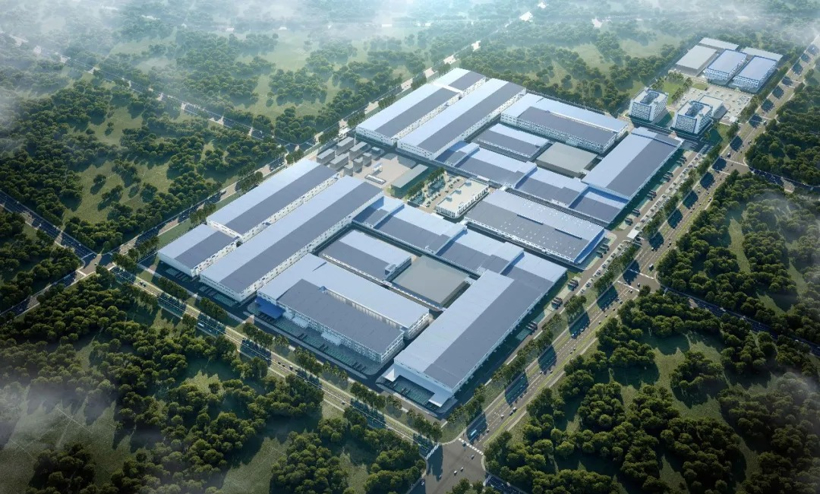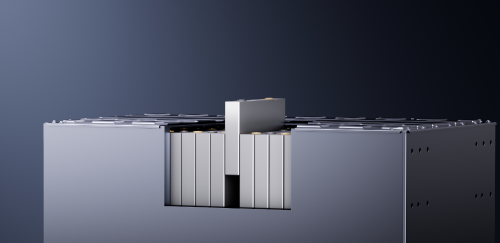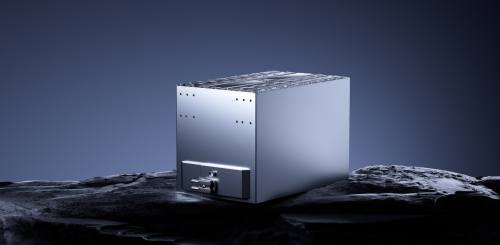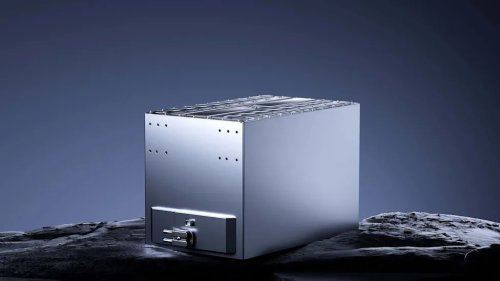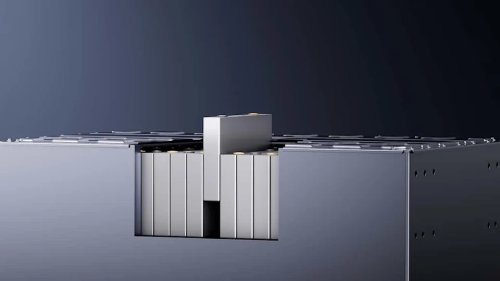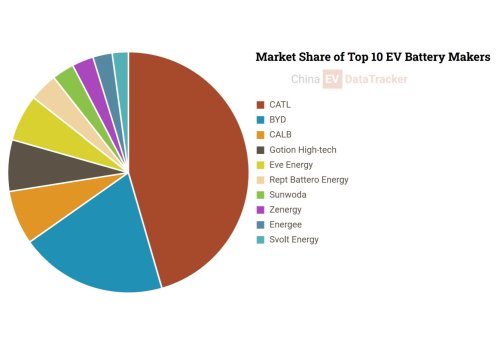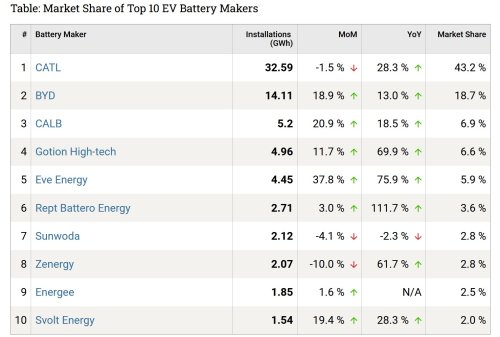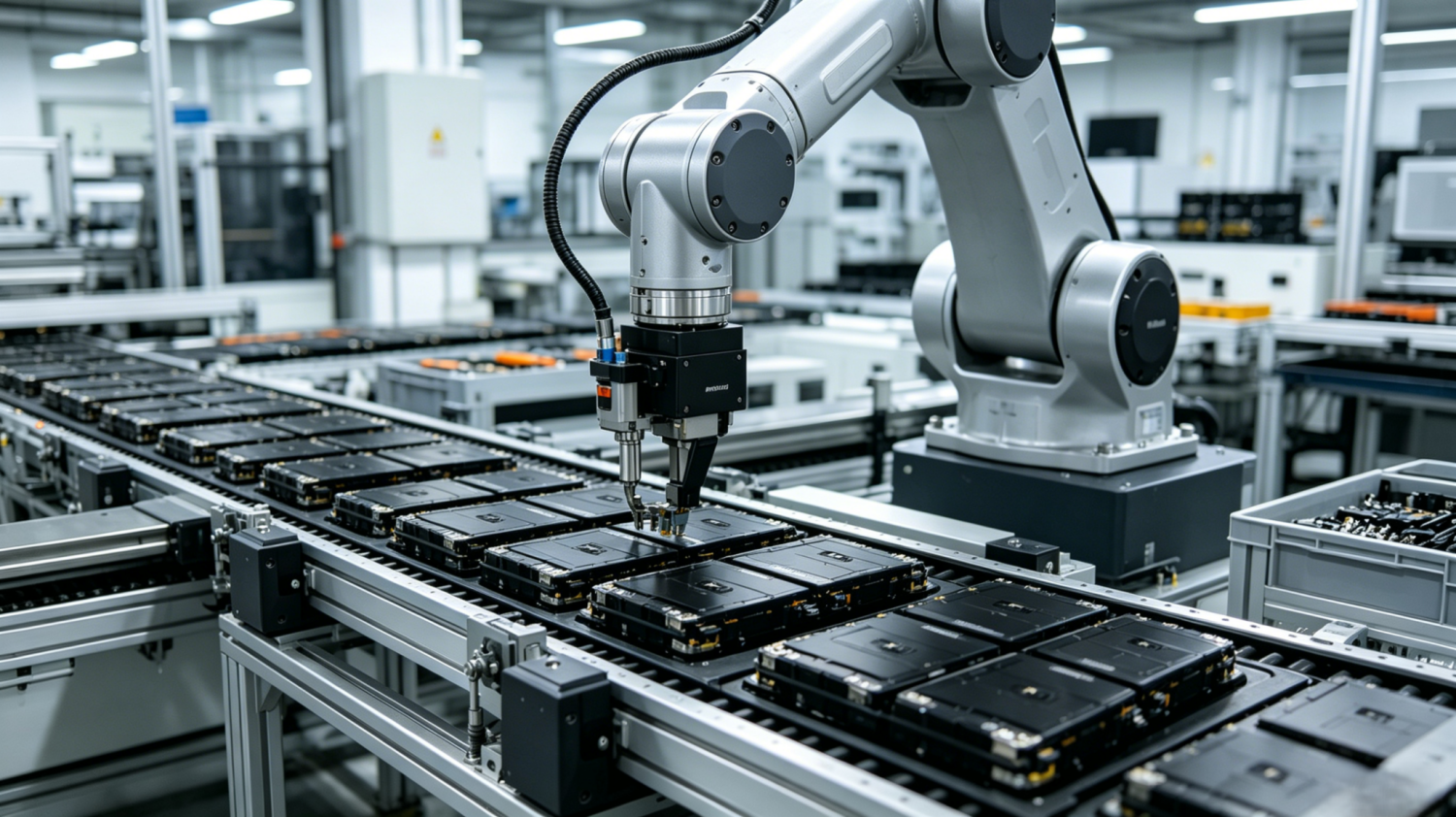



















Regulatory frameworks effective July 1 clarify that upcoming electric vehicle assemblies utilize hybrid pack designs. Image rendered by CNC Understand China EV’s Market Real-time notifications when critical EV data is released All important data in one place 2,000,000+ data points Become a member CATL and BYD production lines face an immediate reevaluation of equipment assets under the incoming national standards. The implementation of GB/T 43568-2026 on July 1 establishes clear chemical boundaries for solid-state classifications. This shift exposes an inflation in projected manufacturing infrastructure valuations across the wider supplier network, according to 21Jingji. The upcoming state guidelines mandate that any battery containing between 5% and 20% liquid electrolyte is categorised as a hybrid system. True all-solid-state cells must drop below the 5% threshold while maintaining specific thermal mass stability under vacuum conditions. These strict boundaries impact near-term assembly asset procurements. Manufacturing asset compatibility Conventional lithium-ion machinery remains highly compatible with the hybrid architectures slated for near-term vehicle production. Industry evaluations indicate that existing factory lines can process these semi-solid variations with under 10% equipment alterations. This technical intersection directly limits the immediate need for a complete overhaul of assembly systems. Production line economics Initial capital outlays for specialised all-solid-state manufacturing lines currently range from 400 million yuan (59.02 million USD) to 500 million yuan (73.78 million USD) per GWh. Industrial projections suggest these equipment costs will scale down to 200 million yuan (29.51 million USD) by 2030. Dongfeng targets mass production of hybrid packs, utilising existing floor footprints to optimise near-term capital expenditure. Sulfide-based pilot operations deployed by tier-one manufacturers are focusing on interface stability rather than capacity expansions. Recent CATL executive disclosures confirm that the commercial viability of all-solid-state batteries remains constrained by engineering bottlenecks. Concurrently, academic materials, such as the Chinese Academy of Sciences’ electrolyte research, emphasise that solid-state interfaces require prolonged cycling validation before automated scale-up. Market volume dynamics Market analysts previously projected that next-generation line transitions would create a 59.2 billion yuan (8.73 billion USD) machinery demand. This forecast faces structural adjustments as conventional liquid batteries maintain their primary share of monthly installations. Pilot projects like Eve Energy assembling 60 Ah units and Gotion High-tech designing a 2 GWh facility function primarily as technical baselines. Monthly installation data from China EV DataTracker indicate that CATL maintained market leadership with 33.08 GWh, representing a 46.7% market share. BYD secured the second position with 11.87 GWh for a 16.8% share, followed by Gotion High-tech at 4.44 GWh. CALB tracked 4.3 GWh with 6.1%, while Eve Energy registered 3.23 GWh to secure a 4.6% share of the volume. These volume trends confirm that existing liquid cell manufacturing assets dominate the industrial landscape. Equipment procurement strategies must align with the gradual adoption of hybrid systems before true all-solid-state integration alters the wider supply chain. The incoming July 1 regulation provides a realistic framework that grounds machinery market expectations within current battery chemistry capacities.