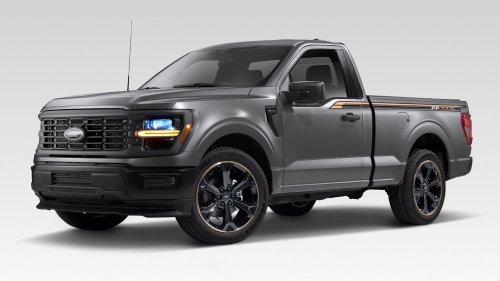
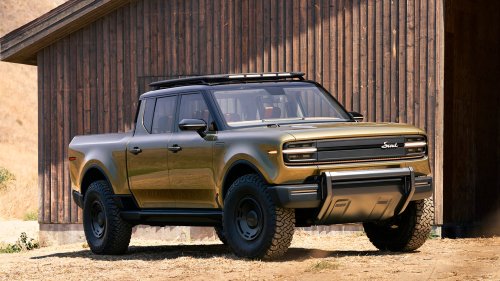
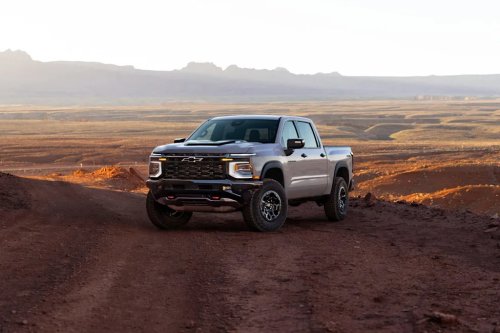
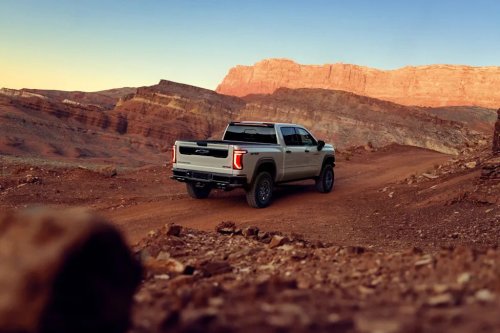
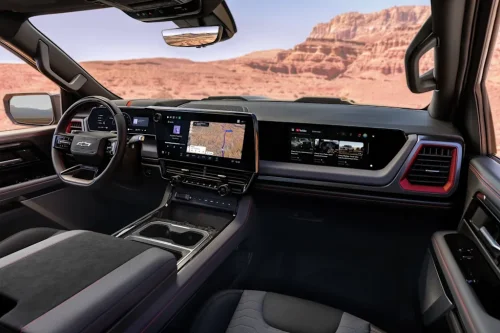
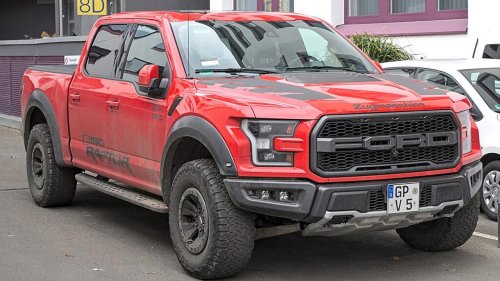
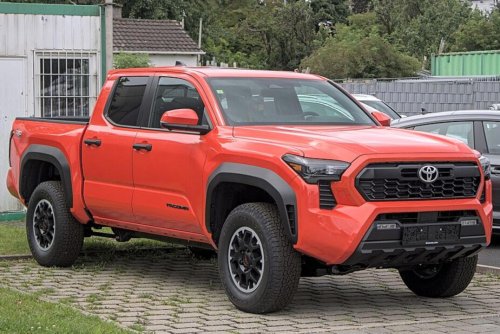
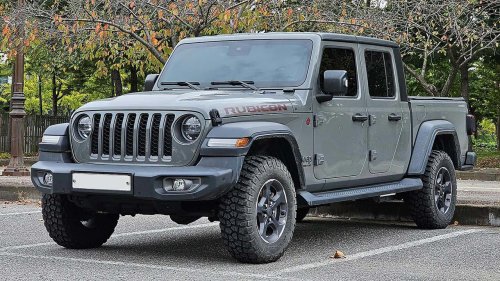
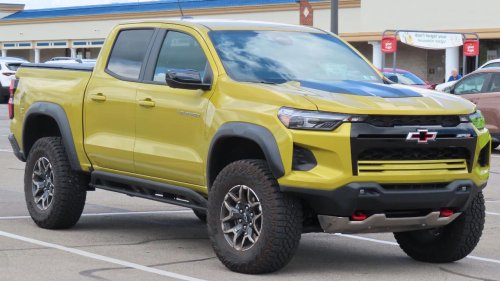
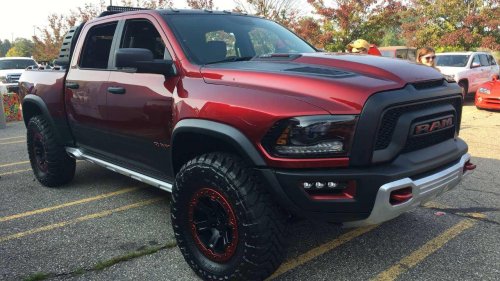
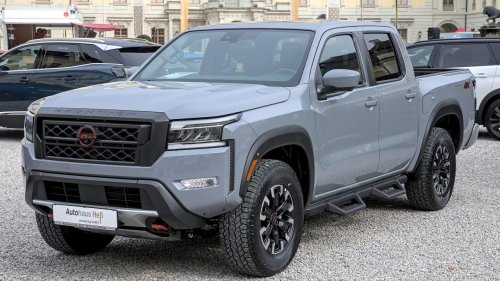
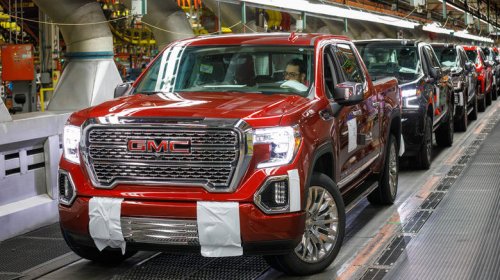
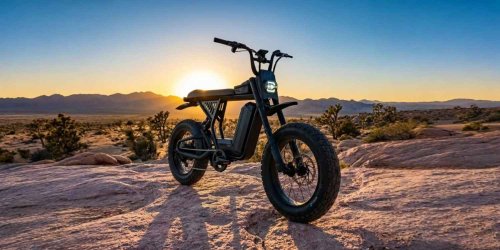
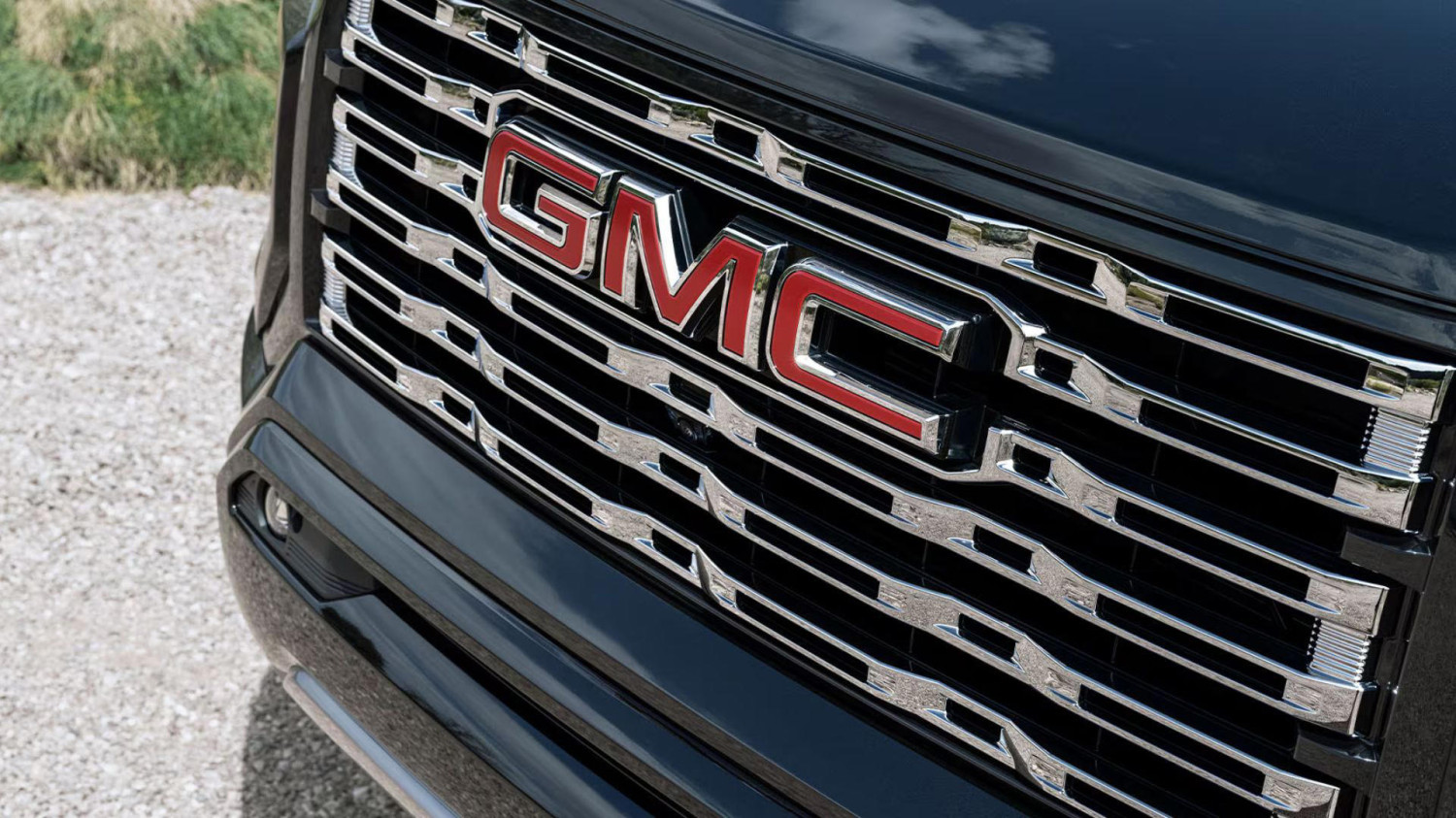
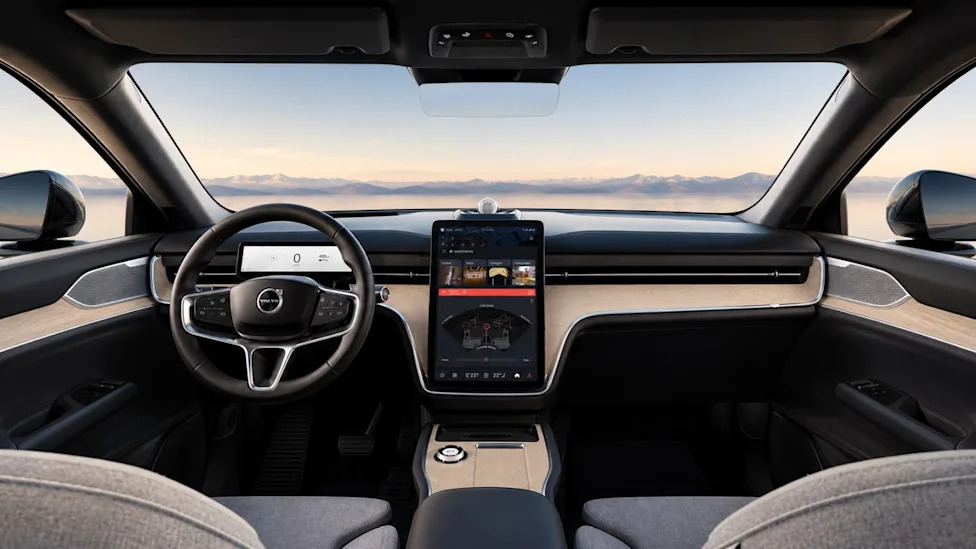
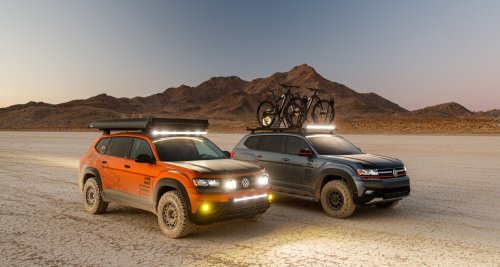
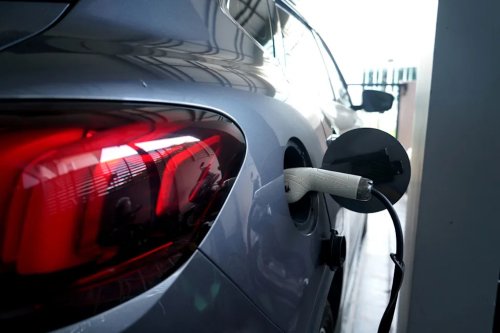
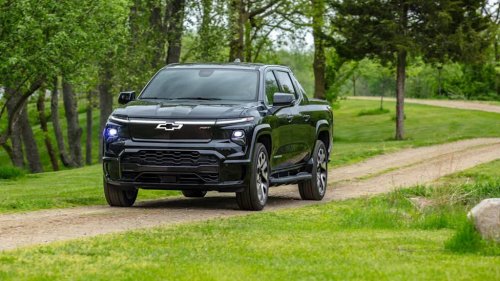
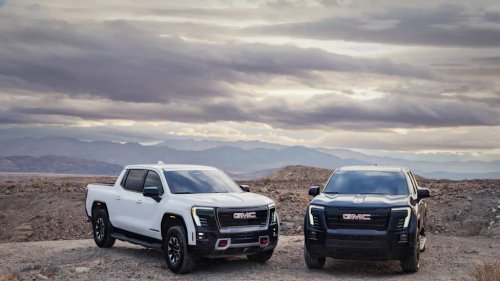
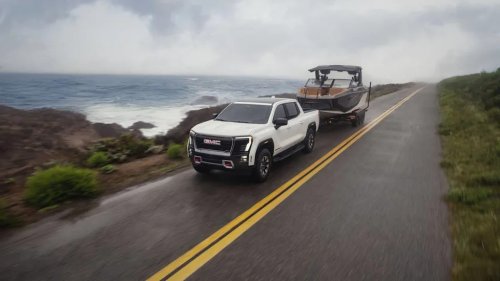
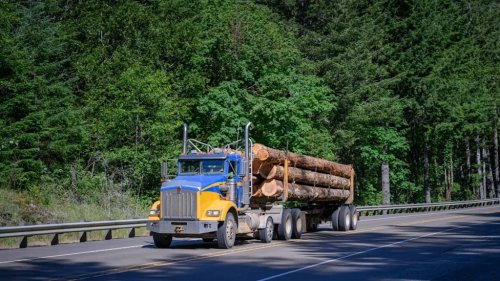
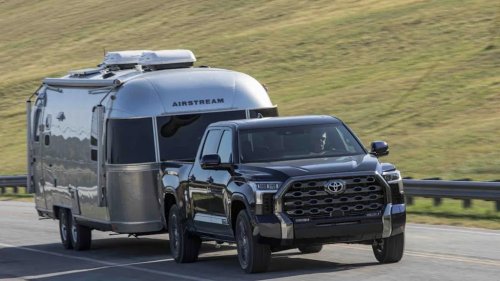
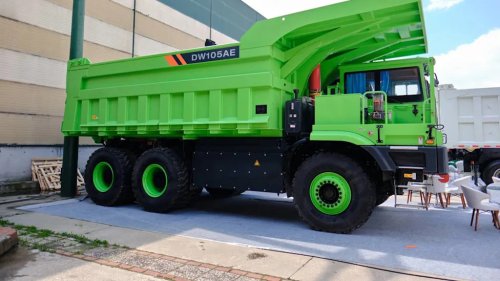
Autoblog and Yahoo may earn commission from links in this article.While EVs continue to transform how we view transportation on a global scale, there’s one segment where electrified models are struggling to gain traction. Electric pickup trucks are few and far between, with just five models to choose from in 2026. Electric trucks offer impressive torque and lower operating costs, but the demand placed on pickups still varies widely, making it a hard segment to pin down for any automaker. There’s no debate about whether EVs are capable, but whether they’ll ever replace pickup trucks for real work remains up in the air.View the 3 images of this gallery on the original articleElectric trucks are still EVsWhen it comes down to the basics, electric trucks are still EVs, and thus come with all the benefits of a normal electrified car. Instant torque, fewer moving parts, and less maintenance are just three of the major selling points. As a result, they’re well-suited for local and regional fleets, which typically include utility companies, municipal vehicles, and contractors.GMCView the 1 images of this gallery on the original articleAdvertisementAdvertisementLike all other EVs, modern electric trucks thrive when they can be used during the day and charged overnight. For example, a delivery driver traveling from business to business will find an EV’s efficiency outshines a gas or hybrid vehicle in stop-and-go traffic. Commuters with predictable daily routes may find an electric truck fits their needs on a daily commute and provides the utility they need on the weekends.Notably, and perhaps to the surprise of no one, most pickup trucks are never used to their full capability. Most owners simply use their trucks for commuting and carrying light cargo, along with the occasional tow. It's in these personal-use cases where the modern electric truck thrives. This has created a divide among truck owners, particularly among drivers who regularly push their trucks to the limit.GMCWhile the modern electric truck, like the Chevy Silverado EV, can handle the average real-work scenario, it fails to meet the needs of the more utility-driven group of drivers. Typically, modern electric trucks falter in towing capability, not because of strength or performance, but because of generic EV pitfalls. Charging speed and a lack of infrastructure remain two major vices, especially if you’re regularly using your pickup in less developed areas, such as remote highways and on farms.Towing presents a significant challengeWhile most drivers won’t use their truck for towing on a regular basis, it's a solid point of contention that’s holding the entire electric truck segment back. In fact, towing is perhaps the biggest challenge electrified trucks face. While a gas or diesel truck loses fuel efficiency when towing, an EV can lose an incredible amount of range while hauling a heavy trailer, and recharging isn't as simple as refueling.Photo by Diana Robinson Photography on Getty ImagesTowing creates aerodynamic drag, and in areas where charging infrastructure isn’t readily available, it can be a death knell for the argument for EVs. Rural drivers who use their trucks for real work, whether that’s hauling livestock, produce, or equipment, may not have access to fast charging stations. As a result, a depleted truck battery could bring their productivity to a halt for hours. Adding cold weather, which also dramatically reduces EV range, to the equation only makes matters worse.AdvertisementAdvertisementOn the commercial side of the equation, uptime matters. Even when connected to a fast charging station, an electric truck still takes significantly longer to charge compared to filling up a regular gas or diesel truck at the pump. On top of that, trailers can make charging itself a challenge. In some cases, drivers may need to unhitch their trailer in order to reach the charger, an inconvenience that simply can’t be ignored. Photo by SENEZ on Getty ImagesFortunately, there has been some progress in EV and battery development that could make electric trucks viable for more, but not all, drivers in the near future. New batteries offer higher energy density, improved thermal management, and a longer lifecycle. Faster charging is also in the mix. While battery improvements help solve problems shared by EVs in general, it doesn’t address the towing issue that’s exclusive to electric trucks.The future is a mixed bag of trucksWhile EVs will likely take the place of the average pickup truck, the future will likely be a hybrid segment. Electric trucks will dominate local and regional fleets, serve as utility trucks, and take over as personal-use vehicles. For more mixed-use trucks that haul heavy loads on occasion, hybrid setups will likely become the powertrain of choice. Perhaps most importantly, rural drivers, with their lack of charging infrastructure, will opt for a hybrid truck over an electric model.View the 2 images of this gallery on the original articleAdvertisementAdvertisementFor extreme towing and heavy industrial work, like mining, and long-distance hauling, diesel trucks will remain relevant for decades to come. While I’d like to say that ICE trucks could stick around for just as long, electric semi trucks have entered the arena in a big way. Tesla is set to begin deliveries of its semi later this year. It can reportedly travel up to 500 miles on a single charge while hauling up to 82,000 lbs. With Tesla’s background in building out charging infrastructure, it's possible we see electric semi trucks take over regional routes within a decade or two.When it comes to long-haul trucks, however, diesel is likely to remain the powertrain of choice. Towing creates a massive amount of aerodynamic drag, and while batteries have high energy density, diesel fuel still outclasses it by weight. Not only that, but diesel trucks can refuel in minutes at almost any fueling station in North America. Photo by Ferda Demir on Getty ImagesView the 2 images of this gallery on the original articleEVs still have a long way to go to overtake trucks in real work. While personal-use and local fleets will likely move to electric models, towing remains a point of contention. As loads get heavier, range gets worse. Rural drivers may be able to get by with hybrid models that balance performance and towing capability with fuel economy. For long-haul drivers and those traveling to remote operations, however, diesel will remain the simplest solution, at least for the time being.This story was originally published by Autoblog on May 15, 2026, where it first appeared in the Features section. Add Autoblog as a Preferred Source by clicking here.



















 +9 others