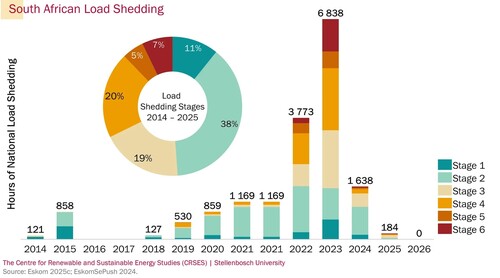
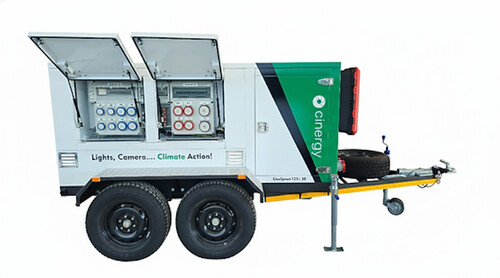
Unlike a growing number of countries on the African continent, South Africa doesn’t have much in terms of incentives and programmes to catalyse adoption of electric mobility. Whilst countries such as Malawi, Zambia, Rwanda, Mauritius, and Ethiopia have introduced comprehensive measures, such as eliminating import duties and taxes on electric vehicles along with the associated charging infrastructure, South Africa is yet to offer anything on a similar scale. In fact, imported electric vehicles actually pay more in import duties and taxes in South Africa compared to their ICE equivalents! Kenya is similar to South Africa in that it hasn’t really introduced measures to accelerate adoption of electric cars, trucks, etc. However, Kenya has introduced something quite helpful, a special electricity tariff for electric vehicles. Kenya’s e-mobility tariff sees users billed KShs. 16/kWh ($0.12/kWh) during peak times and KShs. 8/kWh ($0.06/kWh) during off-peak times compared with standard commercial tariff rates that are closer to 20 KSh./kWh ($0.15/kWh) and residential tariffs that are closer to KSh. 30/kWh ($0.23kWh). These energy cost savings go a long way, especially for people covering large distances everyday. We have some updates from Kenya Power on contributions from the electric mobility tariff to the company’s revenues to give more background on this e-mobility tariff programme. Kenya Power says overall electricity revenue increased by KShs. 18.96 billion to KShs. 238.24 billion while total sales grew by 12% from 11,403 GWh in the previous year to 12,777 GWh. Kenya Power says this growth was also supported by enhanced revenue protection initiatives that the company deployed during the year. What was interesting for me in these results was the contribution from electricity sold to players in the electric mobility sector, which increased from KShs. 65.6 million in 2025 to KShs. 185.3 million in the 2026 financial year. Of course, these sales are from customers that are officially registered on Kenya Power’s e-mobility metering platform. A whole lot more would have been sold to individual homes and businesses that have electric cars, bikes, and pickups but are not yet registered on to the special tariff. One exhibiter at Africa E-Mobility Week. Image by Remeredzai. There is another recent positive development in Kenya. Consumers on the e-mobility tariff had previously been capped at 15,000 kWh per month, which was a very low cap for fleet operators of electric buses or motorcycle battery swap stations. The good news is that the Kenyan government has now removed that cap, meaning fleet operators can benefit from this new tariff in a big way. I was thinking that since South Africa has been slow to introduce comprehensive incentives just like Kenya, one low hanging fruit for South Africa would be to follow Kenya and also introduce a special e-mobility tariff. It turns out I was not the only one thinking about it. Last week, Gideon Neethling from Golden Arrow Bus Services (GABS) stressed the importance of viable electricity tariffs for fleet operators. Gideon was speaking during a panel discussion at the Africa E-Mobility Week Forum held last week in Stellenbosch, South Africa. Golden Arrow Bus Service (GABS) has been operating for 160 years, and has a bus fleet size of 1,200 buses (120 currently electric, the rest diesel) and a total of 2,500 employees. GABS has been operating a fleet of electric buses for a while now and is looking to add more to its fleet, including 40 electric buses that should join the fleet in the near future. Gideon said the energy savings from the 120 electric buses in its fleet had helped cushion their commuters from the steep diesel price increase. Increasing the penetration of electric buses in their fleet along with a supportive electricity tariff framework would help them cushion their commuters even further, on top of bringing several other massive benefits for the wider industry, like reduction of carbon emissions as well as helping South Africa to save on foreign currency bills through reduction of fuel imports. One exhibiter at Africa E-Mobility Week. Image by Remeredzai. Gideon says GABS uses 40% of its electricity during standard rate times, with the rest of the charging during off-peak times and very little during peak times. GABS also has quite a large solar array installed at its depot. Gideon acknowledged that Cape Town had implemented a “modest” consumer friendly lower electricity tariff hike of 7% during peak times, but GABS doesn’t use much electricity during that time. The City of Cape Town introduced a 9% electricity tariff hike for standard rates, and a whopping 25% tariff hike was introduced for the off-peak period in the current financial year. Since this is when GABS does most of its charging, it is really feeling the pinch. Gideon called for a more supportive electricity tariff regime that will “not put them out of business.” With loadshedding now a thing of the past, this would be a good time for Eskom, the national electric utility company, to look into special e-mobility tariffs in South Africa, allowing municipalities that get the bulk of their electricity from Eskom to do the same. In a recent update, Eskom reiterated that it had maintained its strongest operational performance in six years, with the year-to-date Energy Availability Factor (EAF) reaching 68.11%, reinforcing progress in restoring energy security and supporting economic growth. Supported by lower unplanned outages, improved generation fleet reliability, and an 80.49% year-on-year reduction in diesel expenditure, South Africa has now achieved more than 500 consecutive days without loadshedding. South Africa has recorded 504 consecutive days without loadshedding since 16 May 2025, reflecting the cumulative impact of improved fleet performance, lower unplanned outages, increased generation capacity, and reduced reliance on emergency generation resources. Eskom says this milestone demonstrates the sustained progress being made in restoring reliability, strengthening energy security, and supporting South Africa’s economic growth and development. A special e-mobility tariff regime in South Africa that focuses on off-peak periods could help incentivise EV users to charge during off-peak periods, managing demand for grid services. It could also encourage adoption of electric vehicles in South Africa in general. Eskom could follow Kenya’s model and introduce a special lower tariff for e-mobility for all rates (Peak, Standard, and Off-peak). All of this could help provide much needed demand for Eskom at a time when reports show continued decline in overall electricity consumption in South Africa. Reports show Eskom’s electricity sales fell by over 6% during the financial year. Eskom could do with more consumption. Incentivising the adoption of electric vehicles could help.