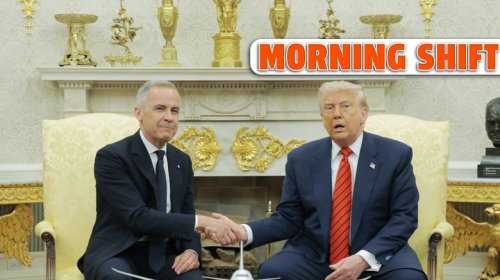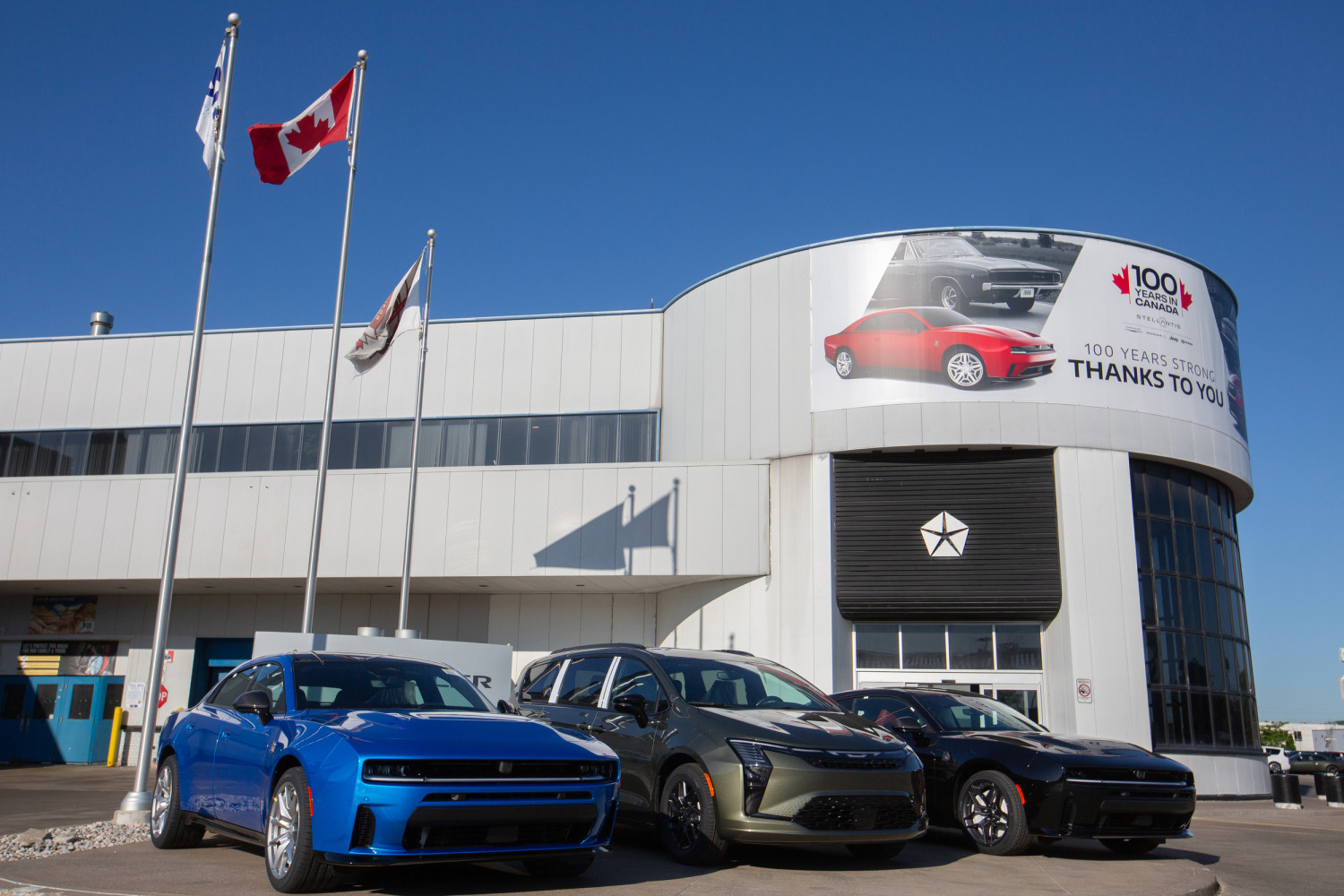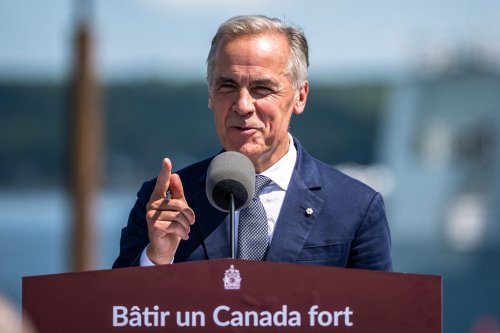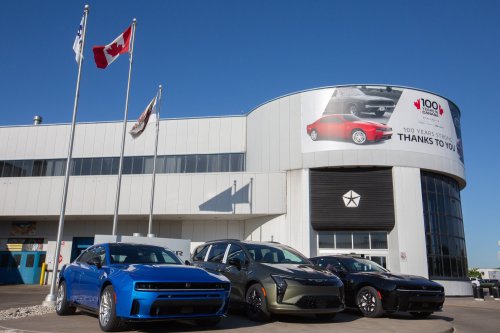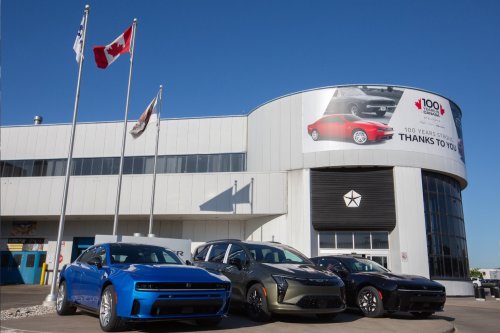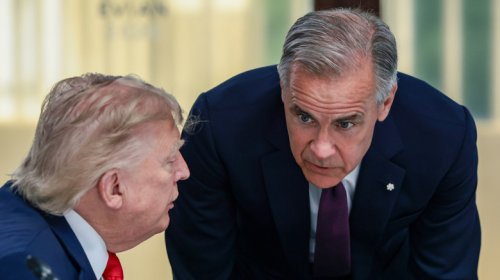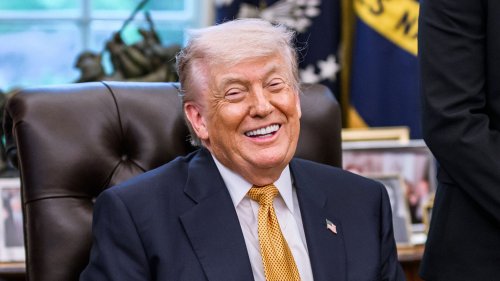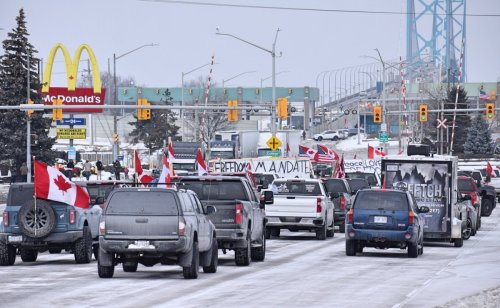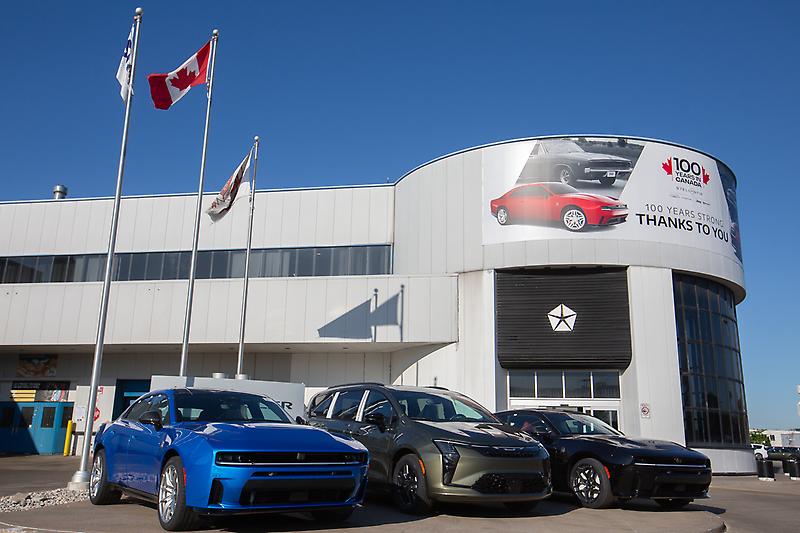



















Trade talks between Canada and the United States collapsed on the night of August 21, 2026, ending a push toward a deal that would have cut the US tariff on Canadian-built vehicles from 25 percent to 15 percent. Instead, President Donald Trump has moved to raise the auto tariff to 50 percent effective January 1, 2027, and the US has already applied a separate 50 percent tariff on roughly $20 billion CAD of other Canadian exports. Prime Minister Mark Carney announced Canadian negotiators were returning to Ottawa and that trade talks were suspended, saying "America has changed, and that we will not return to our old relationship." Canada will impose dollar-for-dollar retaliatory tariffs on US goods, including steel, dairy, appliances, agricultural equipment, pulp and paper, and electronics, starting September 8, 2026, the Tuesday after Labour Day. Carney pointed to three specific sticking points that sank the negotiations. The first was the US refusal to extend any tariff relief to medium and heavy-duty trucks, which would have excluded vehicles like Ford's Super Duty pickups from Ontario production from any reduced-tariff arrangement. "No rationale, just for exclusion," Carney said of the exclusion. Flavio Volpe, president of the Automotive Parts Manufacturers' Association, accused US negotiators of stripping heavy pickups from the deal text at the last moment. The second sticking point was a US push to limit which countries Canada could pursue separate trade deals with, a restriction Carney called an attempt to curb Canadian sovereignty. He noted Canada has pursued roughly 20 trade agreements with other countries since the tariff dispute began. The third was a US demand to relax protections for French language requirements and Quebec culture, which Carney linked to Canada's Online Streaming Act. Canadian Ambassador to the US Mark Wiseman said the written trade text ultimately "diverged from what Canada believed it had agreed to." Under the proposed deal that fell apart, the reduced 15 percent auto tariff would have been calculated against non-US content value rather than a vehicle's full price, consistent with CUSMA rules, while Canada would have had to remove its own retaliatory measures in exchange. That framework, along with a proposed halving of steel and aluminum tariffs, is no longer on the table. Trump has instead said tariffs on "all cars, trucks, both large and small, automotive parts, and steel" will rise to 50 percent on January 1, 2027. The original 25 percent US auto tariff was imposed under national security authorities in early 2025, part of a broader push by the Trump administration to pull vehicle assembly back onto US soil. Carney's government matched it that April with counter-tariffs on non-CUSMA-compliant US vehicles, along with duties on other American goods, generating close to $8 billion CAD earmarked for affected auto workers and companies. Two years of tariff uncertainty have already reshaped Canadian vehicle production. Stellantis N.V. (NYSE: STLA) idled its Brampton, Ontario assembly plant in February 2025 and shifted Jeep Compass production to a reopened plant in Belvidere, Illinois. Roughly 3,000 Unifor-represented workers have remained on layoff since, and the company is reportedly weighing a sale or closure of the 269-acre Brampton site, according to Unifor. Stellantis' Windsor Assembly Plant, which builds the Chrysler Pacifica and Dodge Charger, added a third production shift in February 2026, pushing headcount there to about 6,000 workers. General Motors (NYSE: GM) and Unifor reached a tentative labour agreement on August 24, 2026 covering roughly 4,600 workers across the Oshawa assembly plant, the idled CAMI plant in Ingersoll, the St. Catharines propulsion plant, and the Woodstock parts distribution centre, with ratification votes scheduled for August 29 and 30. Honda Motor Co. (NYSE: HMC) has separately delayed an $11 billion CAD plan to build an EV production hub in Alliston, Ontario, citing the uncertain trade environment. The Windsor Assembly Plant, seen with 2026 Dodge Charger models outside its main entrance, added a third production shift in February 2026. (Stellantis) Markets reacted quickly to the collapse. Ford Motor Co. (NYSE: F) and Stellantis shares each fell roughly 4 percent in the days following Trump's 50 percent tariff announcement, while General Motors shares slipped about 2 percent. Unifor national president Lana Payne described the current environment as "some of the most challenging times in our history" for the union, even as the GM agreement delivered wage and job security gains for members. Industry reaction to the collapse has been sharply negative. Automakers with Canadian assembly operations had broadly welcomed the prospect of a lower tariff rate, since it would reduce the cost of shipping Ontario-built vehicles into the US market, while labour representatives at the Windsor and Brampton plants remained cautious even before talks broke down, noting that past tariff announcements had not always translated into restored production. Whether the two sides return to the table before the January 1, 2027 deadline, or whether Ontario's assembly towns absorb a full doubling of the auto tariff, now hinges on whether Washington and Ottawa can bridge the truck-content and sovereignty disputes that broke the talks apart in the first place.