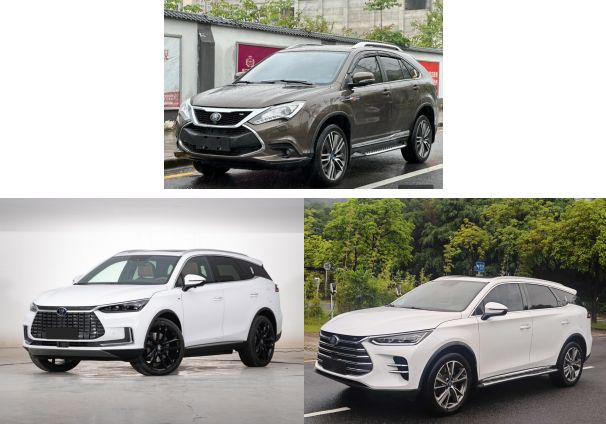
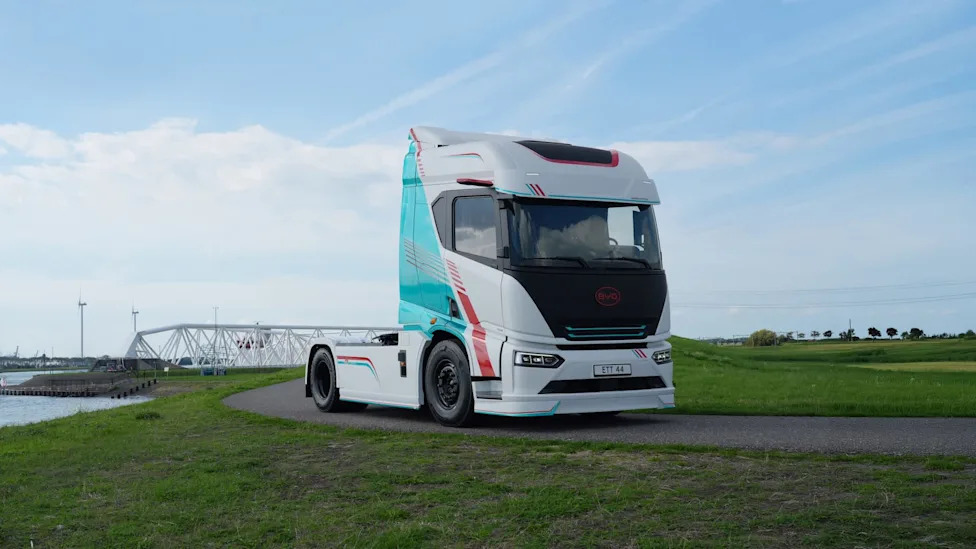
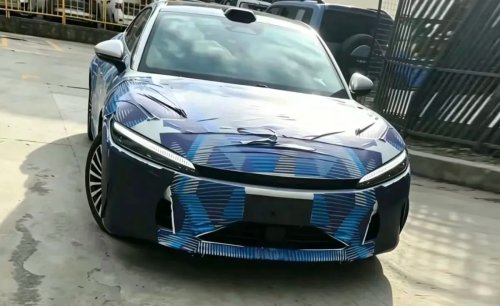
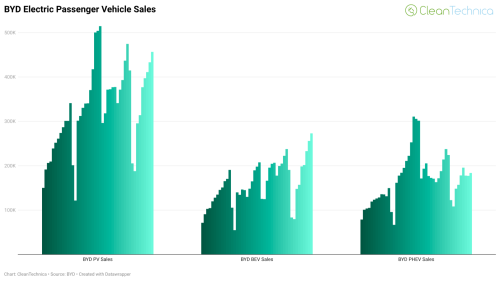
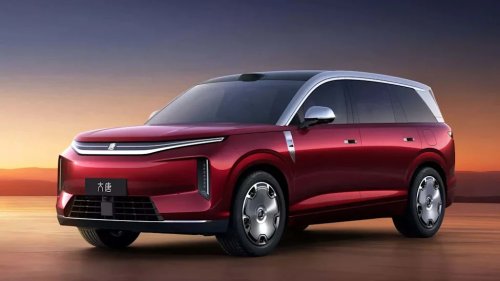
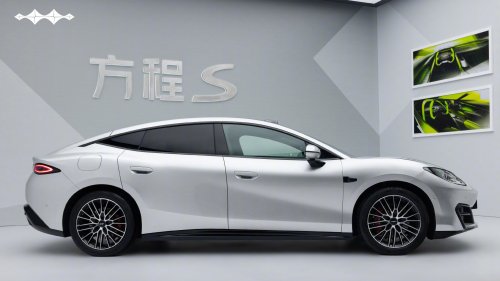
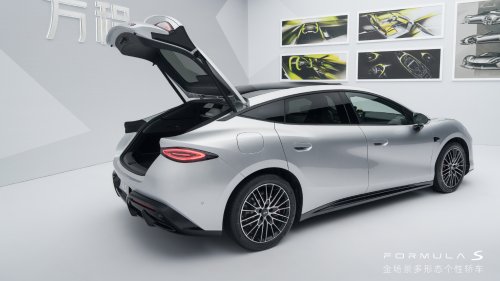
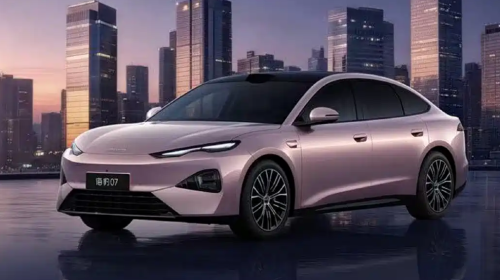
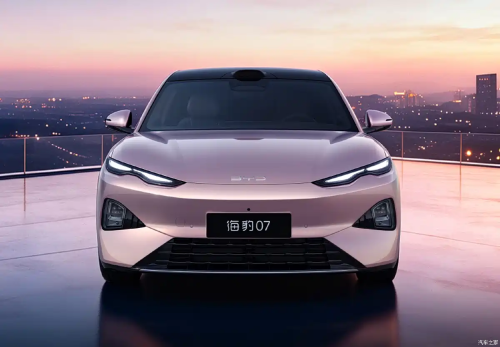
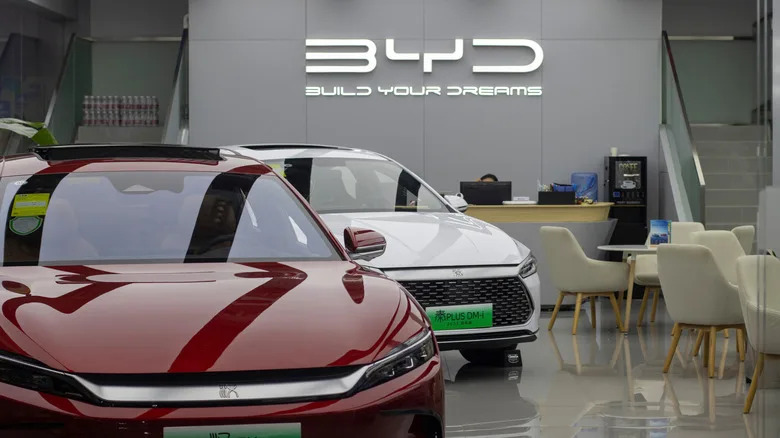
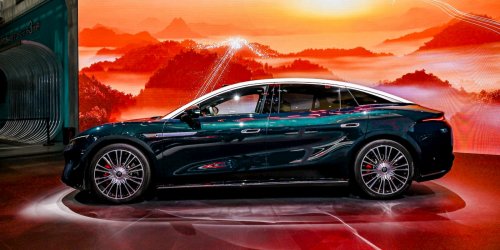
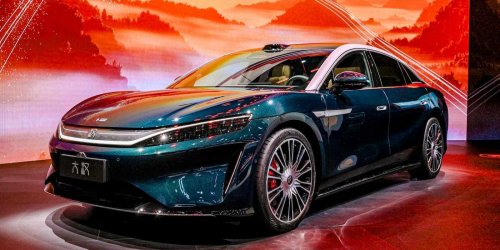
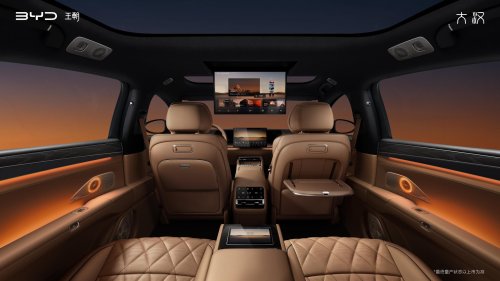
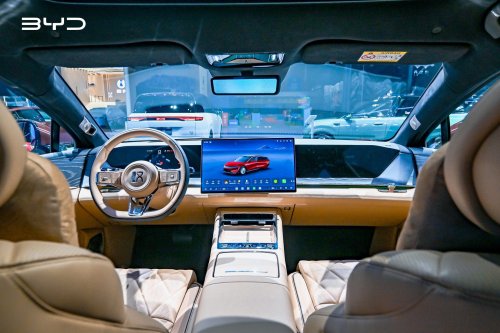
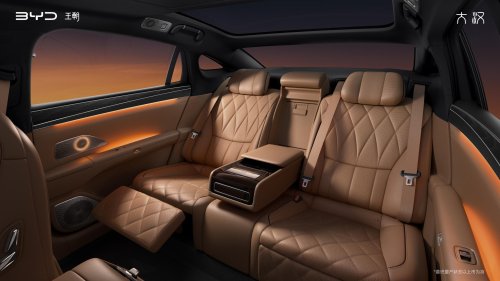
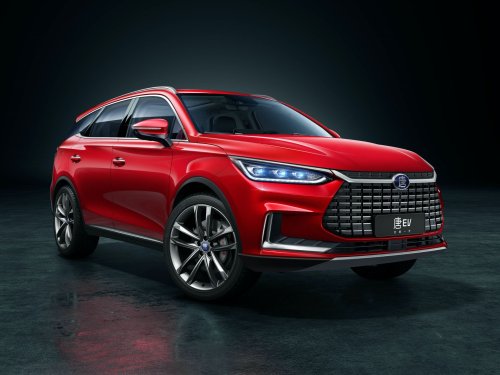
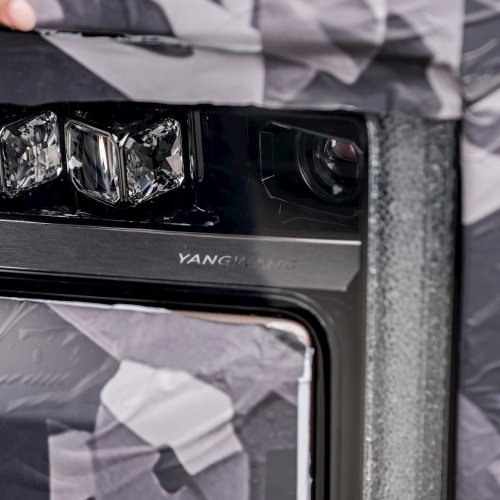
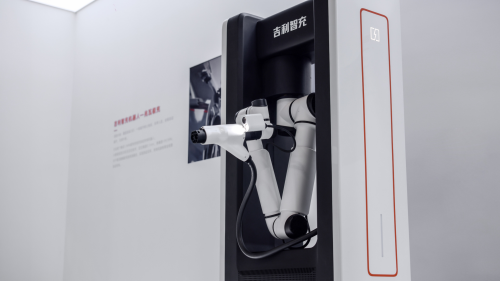
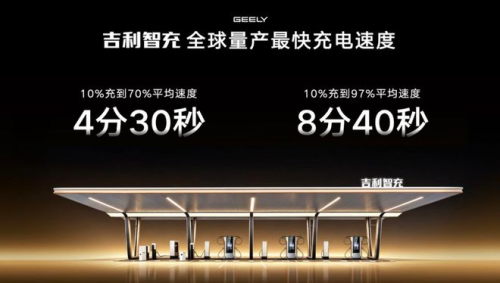
Accoprding to the report, New decentralized brand units will manage frontend engineering and planning to eliminate internal product portfolio overlap. Credit: CNC Understand China EV’s Market Real-time notifications when critical EV data is released All important data in one place 2,000,000+ data points Become a member BYD electric vehicle development structures are shifting toward a decentralised framework to reverse sudden sales slowdowns, according to Sina. Media leaks indicate the manufacturer will split its central Automotive Engineering Research Institute into five distinct brand research centres. This structural transformation redefines how the automotive group coordinates its engineering workforce. Under the upcoming framework, the core engineering division will function strictly as a technology middleware repository. This centralised unit will retain sole responsibility for blade battery chemistry, dedicated electric platforms, and electronic architecture baselines. Individual vehicle applications and chassis adjustments are moved entirely to separate peripheral teams. Brand autonomy The newly established research facilities will gain independent authority over product definition and vehicle planning. Dynasty, Ocean, Denza, Fang Cheng Bao, and Yangwang will each operate an autonomous division. Personnel from the historical centralised engineering unit will transfer directly into these specific brand teams. This restructuring shifts frontend engineering decisions closer to consumer market channels. Historically, product definitions remained confined within the central engineering centre, leaving individual sales teams decoupled from design decisions. The new strategy harmonises market accountability with actual engineering controls. Financial accountability Alongside structural reengineering, the manufacturer will implement an independent profit-and-loss accounting mechanism for individual portfolios. Dynasty, Ocean, Denza, and Fang Cheng Bao must operate under a self-financing directive. The ultra-luxury Yangwang brand remains temporarily exempt from these near-term profitability targets. Individual brands will face market-rate cost billing when accessing shared corporate assets. This internal settlement aims to optimise cost efficiency, though the decentralised management framework could, conversely, increase overall organisational complexity. Shared technology baselines may also trigger heightened competition for internal resources among the sister divisions. Market delivery trackers The organisational pivot aims to resolve product overlaps across a wide price range. BYD assets span from 100,000 yuan (14,770 USD) entry models up to 1,000,000 yuan (147,700 USD) performance vehicles. Centralised platform deployment previously caused consumer cannibalisation between the similarly priced Ocean and Dynasty lines. This structural reengineering coincides with recent premium network expansion campaigns, such as the launch of the flagship Dynasty Great Tang crossover to secure better margins in upscale multi-row family segments. Concurrently, the Ocean layout accelerates the deployment of premium models, as seen in the upcoming delivery of the high-voltage Seal 08 sedan to regional dealership networks. The operational shift directly responds to a 20 per cent decline in volume in the first five months of 2026, when sales reached 1.405 million vehicles. This compressed metric highlights the strategic necessity of transitioning from pure volume scaling toward decentralised engineering efficiency. This structural mechanism mirrors decentralised frameworks deployed by Geely Automobile to stabilise long-term premium vehicle margins.



















 +23 others



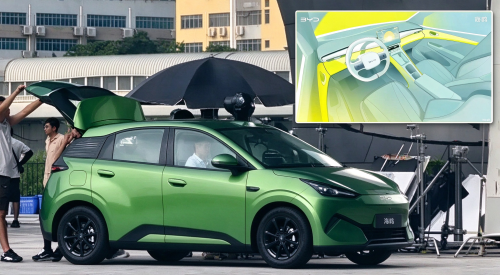
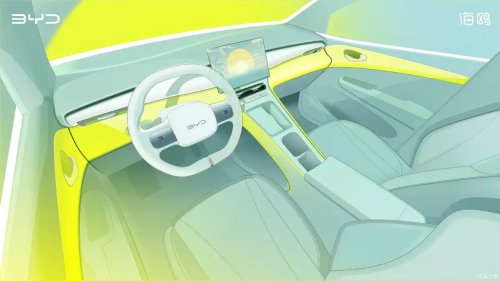
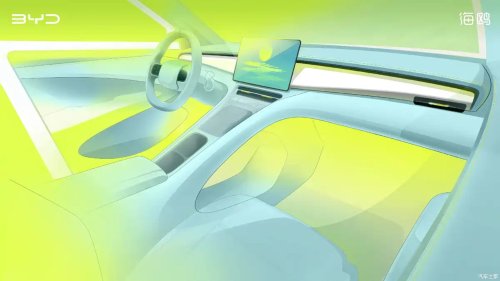
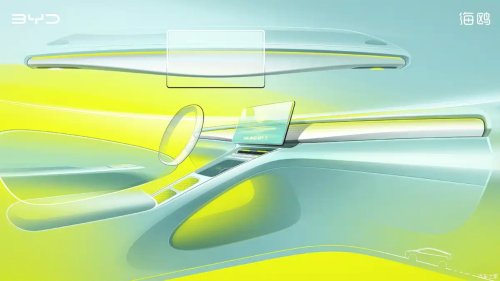



![BYD, BYD Seagull, BYD offers a closer look at the new Seagull EV [Images]](https://cdn.topcarnews.net/thumb/id/aHR0cHM6Ly9pMC53cC5jb20vZWxlY3Ry-ZWsuY28vd3AtY29udGVudC91cGxvYWRz-L3NpdGVzLzMvMjAyNi8wOS9CWUQtbmV3-LVNlYWd1bGwtRVYtdXBkYXRlLmpwZWc_-dz0xNTAwJmFtcDtxdWFsaXR5PTgyJmFt-cDtzdHJpcD1hbGwmYW1wO3NzbD0x/9c0b758dc4a218f611566b2a03c52e8a.jpeg?t=20261005&post_id=64651)
![BYD, BYD Seagull, BYD offers a closer look at the new Seagull EV [Images]](https://cdn.topcarnews.net/thumb/id/aHR0cHM6Ly9lbGVjdHJlay5jby93cC1j-b250ZW50L3VwbG9hZHMvc2l0ZXMvMy8y-MDI2LzA5L0JZRC1uZXctU2VhZ3VsbC1F-Vi0xLmpwZWc_c3RyaXA9aW5mbyZhbXA7-dz03MDA/9f44752c6c4b6208b3a29d7e2ceaf455.jpeg?t=20261005&post_id=64651)
![BYD, BYD Seagull, BYD offers a closer look at the new Seagull EV [Images]](https://cdn.topcarnews.net/thumb/id/aHR0cHM6Ly9lbGVjdHJlay5jby93cC1j-b250ZW50L3VwbG9hZHMvc2l0ZXMvMy8y-MDI2LzA5L0JZRC1uZXctU2VhZ3VsbC1F-Vi0zLmpwZWc_c3RyaXA9aW5mbyZhbXA7-dz03MDA/53e754be2aacba076b7b389ef9413f41.jpeg?t=20261005&post_id=64651)
![BYD, BYD Seagull, BYD offers a closer look at the new Seagull EV [Images]](https://cdn.topcarnews.net/thumb/id/aHR0cHM6Ly9lbGVjdHJlay5jby93cC1j-b250ZW50L3VwbG9hZHMvc2l0ZXMvMy8y-MDI2LzA5L0JZRC1uZXctU2VhZ3VsbC1F-Vi5qcGVnP3N0cmlwPWluZm8mYW1wO3c9-NzAw/3b0cb7f441d090c464769d93120d8543.jpeg?t=20261005&post_id=64651)
![BYD, BYD Seagull, BYD offers a closer look at the new Seagull EV [Images]](https://cdn.topcarnews.net/thumb/id/aHR0cHM6Ly9lbGVjdHJlay5jby93cC1j-b250ZW50L3VwbG9hZHMvc2l0ZXMvMy8y-MDI2LzA5L0JZRC1uZXctU2VhZ3VsbC1F-Vi0yLmpwZWc_c3RyaXA9aW5mbyZhbXA7-dz03MDA/ea2b4ebf38c4e9bf732d179d639b1562.jpeg?t=20261005&post_id=64651)
![BYD, BYD Seagull, BYD offers a closer look at the new Seagull EV [Images]](https://cdn.topcarnews.net/thumb/id/aHR0cHM6Ly9lbGVjdHJlay5jby93cC1j-b250ZW50L3VwbG9hZHMvc2l0ZXMvMy8y-MDI2LzA3L0JZRC1TZWFndWxsLUVWLXVw-ZGF0ZS0zLmpwZWc_c3RyaXA9aW5mbyZh-bXA7dz0xNDAw/02a0f7b5011767092a1ea11a79495fc7.jpeg?t=20261005&post_id=64651)